
EBT
How To Accept EBT/SNAP Payments At Your Business
Learn how to accept EBT at your store without the guesswork. VMS confirms you qualify, files your SNAP retailer application free, and programs your equipment — one team from first call to first EBT sale.

The Process
3 Steps to Accept EBT at your Business
Most owners know accepting EBT grows sales. Knowing how to accept EBT the right way is another matter: you need USDA approval, an FNS number, EBT-capable equipment, and staff who know the rules. Here’s the short version — with the full step-by-step guide right below.

Step 1
Qualification
Before diving in, let’s make sure your business qualifies. EBT approval depends on your business type and the goods you have on your shelves — and we know exactly what they’re looking for.

Step 2
Application
Before your business can accept EBT payments, you’ll need a USDA FNS number (issued by the Food and Nutrition Administration, or FNA, formerly the Food and Nutrition Service). Don’t worry — we help you every step of the way, from the application to approval.

Step 3
Equipment
Once your FNS number is approved, we handle the rest. Our team will program your payment equipment so it’s ready to accept EBT transactions — no tech headaches, no guesswork.
How to Accept EBT: The Complete 2026 Process
Here is exactly how to accept EBT at your store, start to finish. Whether you run a corner market or a supermarket, it comes down to the same six steps — the only question is whether you do them alone or with a team that has done it more than 10,000 times.
Confirm your store qualifies
USDA approves stores under Criterion A (enough staple food variety on your shelves) or Criterion B (staple foods make up more than half of your sales). Under the 2026 standard, Criterion A means seven varieties in each of four staple categories. See the full EBT stocking requirements.
Gather your documents
Paperwork is the first real test of how to accept EBT. You need a business license or permit, a photo ID for each owner, and Social Security information for owners and officers. Names and addresses must match on every document — mismatches are the number one cause of delays.
File the SNAP retailer application
This is where most owners learning how to accept EBT get stuck. The USDA application is free, and VMS prepares and submits your SNAP retailer application for you, so it goes in complete and consistent the first time.
Pass the FNA (formerly FNS) review
FNA reviews the file by hand and may request photos, extra documents, or a store visit to verify your stock. Most complete applications get a decision in about 45 days.
Get your FNS number & equipment
Your seven-digit FNS number is your license to accept EBT. We program it into an EBT-capable terminal or POS that ships to you plug-and-play.
Train your team & stay compliant
Cashiers need to know what EBT can and can’t buy. Keep your shelves stocked to the standard every day — FNA can visit at any time and reauthorizes stores at least every five years. This last step of how to accept EBT is the one that keeps you licensed.
Qualifications
How to Qualify to Accept EBT at Your Business
Before you can accept EBT card payments, the USDA requires your business to meet certain eligibility rules. Whether or not you’re approved depends on the types of items you sell and how much of your revenue comes from staple foods. The bar went up in 2026: USDA’s new stocking standards, mandatory for every SNAP retailer by November 4, 2026, more than double the staple foods you must keep on your shelves — our EBT stocking requirements guide covers exactly what changes.
Qualifying for EBT is based on the SNAP Retailer Criteria — not all businesses will be approved, and the requirements can be confusing.
But here’s the good news: You don’t have to figure it out alone.


The Application
How to Apply for an FNS Number
You must apply for a USDA FNS number — also known as a SNAP Retailer Application. But the process can be time-consuming, and one mistake can delay your approval by weeks — or end in a denial that locks you out of reapplying for six months. Here’s what’s at stake.
At VMS, we’ve helped over 10,000 business owners nationwide successfully apply, get approved, and start accepting EBT payments with confidence
If you would rather not navigate FNA on your own, VMS files the SNAP retailer application for you — FNS number request included — so the paperwork goes in complete, consistent, and ready for review the first time.
Here’s what we do for you:
✅ Help determine if your business qualifies
✅ Complete your SNAP retailer application accurately
✅ Submit required documents directly to the USDA
✅ Set up and program your terminal once approved
Don’t waste time trying to navigate the process alone.
Why Owners Let Us Handle It
What Happens If Your EBT Application Is Done Wrong?
The USDA reviews every SNAP retailer application by hand — and it doesn’t coach you through mistakes. An incomplete or inaccurate application is simply delayed or denied. If your store is denied for not meeting the requirements, you typically wait six months before you can reapply. That’s half a year of EBT customers spending their benefits at a competitor.
The mistakes we see most often when owners file on their own:
- Wrong store classification — picking the wrong business type changes which rules FNA judges you by
- Missing documents — owner ID, business license, or sales records that don’t match what the application says
- Inaccurate sales estimates — misreporting your staple-food percentage can flag the application or put you under the wrong criterion
- Failing the stocking review — FNA checks your shelves; if the required varieties aren’t there on visit day, you’re denied (and under the 2026 standard, the bar more than doubled)
- Answers that raise integrity flags — honest errors can read like misrepresentation, which carries much longer bans
This is exactly why thousands of owners hand the whole process to VMS. We’re your full answer from start to finish: we confirm you qualify, prepare and submit the FNA application correctly the first time, make sure your shelves pass the stocking review, install your FNA-certified equipment, and train your staff — one team, beginning to approval and beyond.
Equipment
What Equipment You Need to Accept EBT Payments
Do You Have the Right EBT Terminal to Accept SNAP Cards?
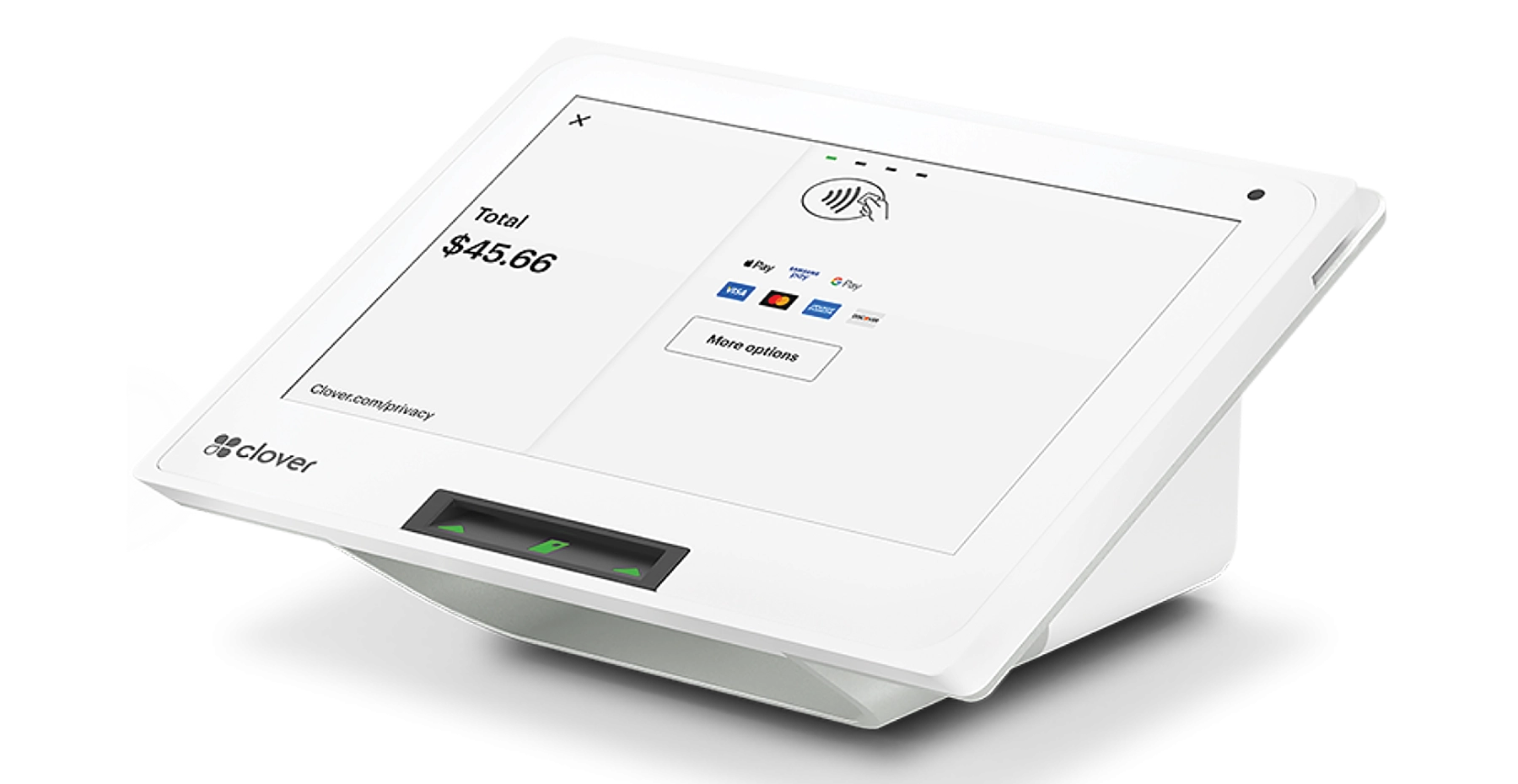
To process EBT transactions, your business needs equipment that’s fully compatible with the USDA’s latest standards — especially with new chip-enabled EBT cards now being rolled out.
Whether you’re upgrading your system or starting from scratch, your hardware must be able to:
✅ Accept PIN debit and EBT transactions
✅ Use a 7-digit FNS number for setup
✅ Keep EBT transactions separate from regular credit card payments
✅ Support chip cards for new EBT compliance

How to Accept EBT at Your Business
Nancy explains how your store can qualify for SNAP, what the updated stocking requirements mean, and how to accept EBT step by step.
What Customers Can and Can’t Buy With EBT
Knowing how to accept EBT includes knowing what it covers. A single cashier mistake — ringing up beer or giving cash back on benefits — can put your SNAP authorization at risk. Make sure every employee knows this list.
Eligible with EBT
- Fruits and vegetables — fresh, frozen, or canned
- Meat, poultry, and fish
- Milk, cheese, yogurt, and other dairy
- Breads, cereals, rice, and pasta
- Snack foods and non-alcoholic beverages
- Seeds and plants that grow food
Not eligible with EBT
- Beer, wine, liquor, and tobacco
- Vitamins, medicine, and supplements
- Hot foods and food made to eat in the store
- Pet food, cleaning supplies, and paper goods
- Hygiene items and cosmetics
- Cash back of any kind on SNAP benefits
Check your state’s rules. Under new USDA waivers, a growing number of states now restrict items like soda, candy, or energy drinks from SNAP purchases. If you run a VMS POS, our setup team helps you configure restricted items. If you use your own POS with a standalone terminal, your system needs to handle it.
Is Your Terminal Ready for Chip and Tap EBT Cards?
States are replacing magnetic-stripe EBT cards with chip and tap cards to stop skimming and benefit theft. California led the way, and more states are following state by state. Even if your state hasn’t switched yet, shoppers from neighboring states will bring chip cards to your register. Equipment is the step most guides on how to accept EBT skip — don’t.
Chip support isn’t automatic
A chip-enabled terminal still needs the EBT-specific software update to read the chip on a SNAP card. Without it, the card falls back to the stripe — or gets declined.
Stripe fallback is required
New EBT cards keep a magnetic stripe. USDA requires your POS to fall back to the stripe whenever it can’t process the chip, so no shopper is turned away.
Older devices may not qualify
Some legacy terminals can’t take the update at all. If yours is one of them, you need a replacement before your customers’ cards change.
VMS tracks every state’s chip rollout so you don’t have to. Not sure your current terminal is ready? Send us the make and model and we’ll tell you whether it needs an update or a replacement. Read more about the 2026 EBT changes.
One Partner for EBT, Card Processing, and POS
Velocity Merchant Services has helped small businesses since 1998. Learning how to accept EBT is one conversation with us — we confirm you qualify, file your application free, program your equipment, and support you 24/7 after you’re live. When you’re ready to add credit card processing, a new POS, or working capital, it’s the same team.
Frequently Asked Questions
How can I accept EBT payments at my business?
Once approved, you’ll be authorized to accept EBT cards at your location using VMS-certified payment equipment. It’s fast, compliant, and completely free to apply—no permit fee required.
If you’re ready to get started, our team is here to help every step of the way. You must sell certain types of food in your store to get a permit, including staple foods in each of four food categories: (1) dairy products (2) breads, grains, and cereals (3) fruits and vegetables and (4) meat, fish, and poultry. Foods can be fresh, frozen, or canned. However, you must stock perishable foods in at least two of the food categories.
You can also get a permit if more than 50% of your gross retail sales comes from the sale of one or more staple foods.
Check out the official Stocking Requirements Guide.
Is FNS the same as FNA?
Yes. The Food and Nutrition Administration (FNA) is the new name for the Food and Nutrition Service (FNS), the USDA agency that authorizes stores to accept SNAP. USDA announced the change on April 30, 2026. Your FNS number, also now called the FNA Number, still works, and VMS files your application with FNA the same way.
How do I apply for a permit?
You don’t have to apply on your own—We handle the entire SNAP permit application process for you. Our team will complete and submit your application directly to the USDA Food and Nutrition Administration (FNA, formerly FNS). All you need to do is send us a few required documents—we take care of the rest.
Here’s what we’ll need from you:
– A copy of your business license or permit (e.g., sales tax permit or health license)
– A copy of a valid photo ID (driver’s license or passport—front and back)
– Social Security cards for all owners, officers, and their spouses
– In some cases, the USDA may request store photos or additional verification
Once we receive your documents, our team will:
– Fill out the SNAP application on your behalf
– Submit it through the official USDA portal
– Handle all communication and follow-ups with the USDA
– Track the status and notify you when you’re approved
There’s no cost to apply for a SNAP permit, and the USDA typically reviews applications within 45 days. After approval, we’ll help you get set up with the right POS system to start accepting EBT payments right away.
Have questions or ready to get started?
Call us at 888-902-6202 and we’ll walk you through it.
Can farm stands, farmers’ markets, and CSAs accept SNAP food stamps?
Yes. Farm stands, farmers markets, and some CSAs can accept SNAP if they become authorized SNAP retailers.
Farm stands usually apply on their own. Farmers markets often use one central SNAP license for the whole market, and individual vendors can then accept SNAP through that setup. CSAs can also qualify, but they must follow special rules for how and when SNAP customers are charged.
To accept SNAP, they typically need USDA/FNA approval and equipment that can process EBT payments.
What foods can customers buy with SNAP food stamps?
Customers can use SNAP food stamps to buy any food item except food that is hot when sold, or food that is sold to be eaten in the store like restaurant food. Eligible food items will be determined by your state.
Customers can use SNAP food stamps to buy seeds or plants that they will grow to produce food for their household.
Customers cannot use SNAP food stamps to buy non-food items like alcoholic beverages, cigarettes, vitamins or medicines, pet foods, soap, cosmetics, laundry products, paper goods, or other household product
What types of businesses are eligible to accept EBT?
Grocery stores, corner markets, gas stations, farmers markets, and certain restaurants (through the Restaurant Meals Program) can typically accept EBT. If you’re unsure whether your business qualifies, we can verify your eligibility in minutes.
Why should my business accept EBT payments?
- ✅Over 41 million Americans rely on SNAP/EBT to buy food.
- That’s 1 in 8 people in the U.S. — and they can’t spend their benefits at your business unless you’re EBT-enabled. Imagine how many of them live within five miles of your store.
- ✅87% of SNAP households shop at small and medium-sized retailers.
- That means they prefer to shop local. But if you’re not accepting EBT, you’re not even an option.
- ✅In 2024, SNAP spending topped $110 billion — the highest in history.
- And that number is still growing, especially in underserved communities. That’s a giant pie you could be getting a slice of.
- ✅Farmers markets and convenience stores that accept EBT report up to 40% more foot traffic.
- Accepting EBT isn’t just about being inclusive — it’s a traffic-driving, customer-retaining, revenue-boosting move.
Can I accept EBT with my current POS system?
It depends on the model. Most basic terminals don’t support EBT, and many modern POS systems need a software update or a certified processor to accept SNAP payments. At VMS, we’ll check your system and upgrade you if needed — often at no extra cost.
What do I need to know about the new EBT Chip cards?
- ✅POS Terminal Requirements – What your system must be able to do
- Accept chip (EMV) and tap (contactless) payments
- Recognize the EBT ID: A0000000044542
- Support fallback to magnetic stripe (Track II, service code 220)
- Confirm with your POS/payment provider that EBT chip cards and fallback are supported
- ✅PIN Pad – Why you need it
- EBT chip and tap payments require a PIN
- Terminal must have a PIN pad (built-in or external)
- Each transaction must include your FNS number
- ✅Staff Training – How employees should handle EBT chip cards
- Try insert or tap first
- If that fails, swipe the stripe
- If swipe fails, use manual entry (if allowed)
- Record failed attempts (error code + time) and report them
- ✅Testing & Compliance – Making sure your setup works correctly
- Use EBT chip test cards to check your terminal
- Verify both chip and fallback are working
- Report and confirm results with SNAP EBT Modernization Technical Assistance Center (SEMTAC)
What happens if my EBT application is denied or filled out wrong?
Incomplete or inaccurate applications are routinely delayed or denied by the USDA, and a denial typically means a six-month wait before you can reapply. The most common culprits are wrong store classification, missing documents, and failing the on-site stocking review. VMS prepares and submits the application for you and gets it right the first time — from eligibility check all the way to approval. Call 888-902-6202 to get started.
Learn How to Accept EBT
Fill out the form below and an EBT Specialist will contact you.