

The EBT changes in 2026 aren’t one single policy update — they’re a bundle of shifts affecting who qualifies for SNAP, what can be purchased, and how EBT transactions work at the register, including long-awaited security modernization.
If you’re a retailer that accepts SNAP EBT — grocery, gas station & convenience store, market, specialty food, or a mixed-use store — 2026 is a “check your setup now” year.
Below is a practical, merchant-focused breakdown of the most important EBT changes, what’s already happening, what’s coming next, and how to stay compliant while avoiding failed transactions, customer frustration, and disputes on the non-EBT side.
Where EBT Stands Right Now (End of 2026 Reality Check)
Despite recent headlines about shutdowns and delays, SNAP benefits are back on normal monthly schedules under the current federal budget.
-
States are sending full distribution files
-
EBT cards are loading on regular state calendars
-
Most “my EBT didn’t load” complaints still come down to:
-
It’s not the deposit date yet
-
The balance was already used
-
For merchants, this matters because your terminal is rarely the problem. It’s simply reading what’s on the card.
1) New SNAP Purchase Restrictions Are Expanding in 2026 (State Waivers)
One of the most visible EBT changes in 2026 is the expansion of state waivers restricting certain SNAP-eligible purchases.
These waivers often target:
-
Soda
-
Candy
-
Energy drinks
-
Some dessert categories
USDA has been approving these waivers as part of broader nutrition-policy initiatives.
Why this matters at checkout
If your state adopts restrictions, POS item eligibility logic matters more than ever. Poor UPC or PLU mapping leads directly to:
-
Confusing declines
-
“Why won’t my card work?” moments
-
Longer lines and frustrated customers
Operational steps
-
Audit SNAP-eligible food mappings (PLUs, UPCs, departments)
-
Confirm your POS handles mixed baskets correctly
-
Train staff on split tender (EBT + debit/credit/cash)
2) EBT Security Modernization: Chip Cards Are Now Real
One of the most important EBT changes isn’t visible on receipts — but it’s huge.
Due to widespread skimming and benefit theft, USDA has moved EBT security modernization from planned to active.
What’s changing
-
Chip-enabled EBT cards are rolling out
-
Some states are testing contactless capabilities
-
USDA has published technical guidance for retailers, processors, and acquirers
-
A GAO report confirms EBT cards were targeted because they lacked chip protections common to debit/credit cards
What retailers should do now
-
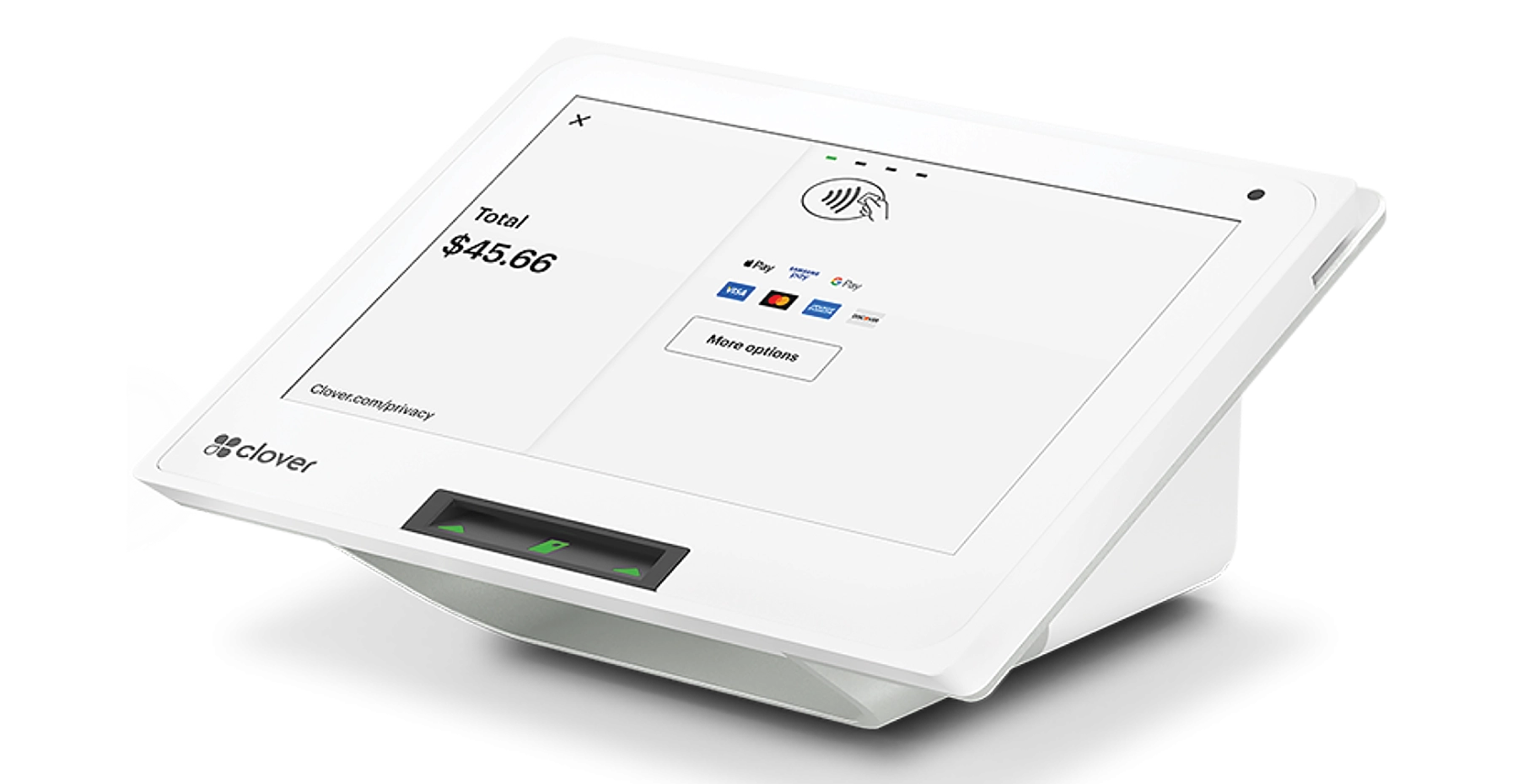
Confirm your terminal fleet fully supports EMV
-
Ask your processor how EBT chip fallback will work during transition
-
Train cashiers — chip flows behave differently than mag-stripe
If you want a deeper merchant walkthrough, VMS covers this here:
EBT chip cards & terminals: what to know
3) Mobile EBT Is Coming (Slowly, but It’s Coming)
Another major theme in the EBT changes in 2026 conversation: SNAP isn’t staying locked to plastic forever.
USDA’s SNAP Mobile Payment Pilot allows approved participants to use mobile technologies at POS — meaning the EBT card could be stored digitally rather than physically.
Important reality check:
-
EBT cannot yet be broadly added to Apple Pay or Google Pay
-
Pilots are state-specific and limited
Retailer implications
-
Contactless-capable hardware becomes more valuable
-
POS systems must handle new tender flows
-
Expect more customer questions as pilots expand
4) Online SNAP Purchasing Keeps Expanding — But Rules Still Apply
Online SNAP purchasing remains a major part of EBT changes in 2026, especially for grocers and markets.
USDA continues expanding retailer participation through its Online Purchasing Program, but one rule still trips people up:
SNAP benefits cannot pay for delivery, service, or convenience fees.
Retailer implications
-
Online carts must cleanly separate:
-
SNAP-eligible food
-
Non-eligible fees
-
-
Not every e-commerce flow qualifies — approval matters
5) Benefit Theft Replacements Changed — and Customers Feel It
A painful but important EBT change: Federal replacement authority for stolen SNAP benefits did not extend beyond late 2024.
-
Benefits stolen on or after Dec. 21, 2024 are not eligible for federal replacement
-
Some states may offer state-funded replacements
-
Congress has introduced proposals (e.g., Fairness for Victims of SNAP Skimming Act of 2025), but nothing is guaranteed
Why retailers should care
Customers affected by theft often arrive:
-
Stressed
-
Suspicious
-
Convinced “the system is broken”
Your staff needs a calm, consistent script that avoids guessing about eligibility or balances.
6) Restaurant Meals Program & “Hot Food” Rules Stay State-Specific
Most SNAP households still cannot use EBT for hot prepared foods.
The exception is the Restaurant Meals Program (RMP):
-
State- and county-specific
-
Limited to eligible recipients (often elderly, disabled, or homeless)
-
Currently active in nine states, with pilots elsewhere
If you’re a restaurant seeking EBT acceptance through the Restaurant Meals Program (RMP), you must confirm:
-
Your state/county participates
-
Your restaurant is approved for RMP
7) Work Requirement & Eligibility Changes Will Shift Demand Patterns
The One Big Beautiful Bill Act (OBBBA), signed into law on July 4, 2025, brings the most consequential changes to the Supplemental Nutrition Assistance Program (SNAP) in decades, fundamentally altering food assistance policy, eligibility, and benefit calculations. These major changes represent the biggest changes to SNAP since its inception, affecting millions of snap recipients and shifting policy priorities toward stricter eligibility and reduced federal funding. The OBBBA reduced federal funding for SNAP by $186 billion through 2034, marking the largest cut to food assistance in history. According to the Congressional Budget Office, these changes will reduce SNAP participation by an estimated 2.4 million people over the next 10 years.
Some of the most impactful EBT changes in 2026 don’t affect POS rules — they affect who keeps benefits. These eligibility shifts interact with programs like EBT Cash assistance, changing how some households manage food and non-food purchases. The OBBBA introduces expanded work requirements, including new SNAP work requirements and ABAWD work requirements, now applying to adults ages 18 to 64 without dependent children. The biggest changes include expanding work requirements to adults ages 55 to 64 without dependent children, meaning these older adults must now meet work requirements to qualify for benefits. The new law eliminates prior exemptions for veterans, homeless individuals, and former foster youth, making it harder for these groups to qualify for SNAP. SNAP beneficiaries must now meet the 80 hours per month (20 hours per week) work requirement, which can be fulfilled through a combination of paid work, volunteer work, and participation in approved job training programs. These new work requirements apply for more than three months in a three-year period; failure to meet these requirements can cause recipients to lose benefits.
Older adults face significant challenges in meeting the new SNAP work requirements due to health limitations, caregiving responsibilities, and age-related discrimination in hiring. Many older adults are now more likely to face food insecurity as a result of these expanded work requirements and the rising cost of food, which has outpaced benefit increases. The OBBBA has led to increased enforcement of work requirements for SNAP, affecting older adults and other vulnerable populations, and these changes are expected to disproportionately affect caregivers and individuals living on fixed incomes.
The law limits how SNAP benefits can be adjusted, allowing changes only once a year through the annual cost-of-living adjustment (COLA) each October, so benefit increases are now more limited despite rising food costs. SNAP benefits are expected to decrease for some recipients due to changes in how living expenses, such as the standard utility allowance, are counted in snap benefit calculations. SNAP income limits will increase for fiscal year 2026, allowing more families to qualify for food assistance, and eligibility is determined by both gross income (all household income before deductions) and net income (income after allowable deductions). The minimum SNAP benefit amount will increase by one dollar, from $23 to $24 per month for one and two-person households in most states starting in 2026.
SNAP eligibility rules for some non-citizens have changed, with several humanitarian categories no longer qualifying for benefits, though lawful permanent residents may still be eligible. The OBBBA requires states with SNAP payment error rates above 6% to cover a portion of their SNAP benefits, which could lead to reduced state investment in SNAP programs and reduced benefits for recipients. States are facing substantial budget pressures and must work to reduce SNAP payment error rates while preparing for budget changes under the OBBBA. The OBBBA has removed state flexibility to apply for waivers in areas with high unemployment unless the unemployment rate spikes to 10%, though high unemployment rates can still trigger waivers.
SNAP participation and snap recipients are expected to decline, and the changes to snap programs will impact food insecurity, especially among older adults. The OBBBA has fundamentally altered the landscape of food assistance in the United States, and policy priorities have shifted toward stricter eligibility and reduced federal funding. The federal government and federal funding play a central role in shaping SNAP policy, and the law’s changes will impact benefit costs, benefit amounts, and the cost of food assistance for both recipients and the government. The average SNAP benefit was about $350 per household in September 2025, and the program serves more than 22 million low-income households in the U.S. each month.
Stable housing, unemployment rates, and income limits all affect snap eligibility, and many older adults, caregivers, and those with caregiving responsibilities or unstable housing face additional barriers to meeting work requirements. SNAP work requirements, ABAWD work requirements, and expanded work requirements now apply to a broader age range, and adults ages 18 to 64 without dependent children must meet these requirements to receive snap benefits. Dependent children, foster youth, and former foster youth are affected by changes to exemption rules, and previously exempt groups must now meet work requirements. Training programs and volunteer work can help recipients meet work requirements, and recipients must document their hours to maintain eligibility.
Payment error rates and error rates are now a key metric for state funding, and states with high error rates may see reduced support for snap programs. Food costs, cost-of-living adjustments, and benefit increases are all factors in snap benefit calculations, and rising food costs have outpaced benefit increases, contributing to food insecurity. Money, benefit amounts, and benefit costs are all affected by the new law, and recipients may see changes in the amount of money they receive. Most states do not have asset limits for SNAP, but eligibility criteria can vary by state. Snap eligibility is determined by age, income limits, gross income, net income, and other factors, and the new law has changed many of these criteria. The Supplemental Nutrition Assistance Program (SNAP), formerly known as food stamps, is the nation’s largest food assistance program, and the OBBBA represents the most significant update in recent years.
What’s changing federally
Two laws drive the shift:
-
Fiscal Responsibility Act of 2023
-
One Big Beautiful Bill Act of 2025 (The Congressional Budget Office estimates that the new provisions of the One Big Beautiful Bill Act will reduce SNAP participation by an estimated 2.4 million people over the next 10 years.)
Together, they tighten ABAWD (Able-Bodied Adults Without Dependents) rules.
What that means in practice
-
Core group: adults 18–64 without dependents
-
To keep SNAP beyond the 3-months-in-36 limit, many must document ~80 hours/month through:
-
Paid work
-
Volunteer work
-
Participation in approved training programs
-
Adults without dependents must meet these requirements to maintain benefits beyond three months in a three-year period.
Key changes:
-
Caregiver exemption is narrower (usually only children under 14)
-
Some temporary exemptions were removed earlier than expected
-
More people now fall into the “prove your hours” category
For merchants, this means:
-
More interrupted benefits
-
More split tender transactions
-
More “I’m waiting on my caseworker” conversations at checkout
State-by-State ABAWD Snapshot (Why Stories Differ at the Register)
Group 1: States With No ABAWD Waiver
ABAWD time limits apply statewide.
Includes: Alabama, Arkansas, Florida, Georgia, Idaho, Indiana, Iowa, Kansas, Louisiana, Mississippi, Missouri, Nebraska, North Carolina, Ohio, Oklahoma, South Carolina, Tennessee, Texas, Utah, Vermont, West Virginia, Wyoming
Expect:
-
More benefit interruptions
-
More reapplications
-
More time-limit complaints
Group 2: States With a Statewide ABAWD Waiver (Temporary)
As of April 2025: California, District of Columbia, Guam, Illinois, Nevada, U.S. Virgin Islands
Example: Illinois
-
Waiver: Feb 1, 2025 – Jan 31, 2025
-
December 2025 = first countable month
-
February 2025 = possible benefit loss for non-compliant ABAWDs
When waivers expire, these states shift into Group 1 rules unless renewed.
Group 3: States With Partial (County-Level) Waivers
Includes: Alaska, Arizona, Colorado, Connecticut, Delaware, Hawaii, Kentucky, Massachusetts, Maine, Maryland, Michigan, Minnesota, Montana, New Hampshire, New Jersey, New Mexico, New York, North Dakota, Oregon, Pennsylvania, Rhode Island, South Dakota, Virginia, Washington, Wisconsin
Here, county matters:
-
One customer may be exempt
-
Another may be fully time-limited
-
Same state, different rules
What Actually Changes for Merchants at Checkout
Here’s the bottom line on EBT changes at the register:
-
No new EBT button
-
No secret firmware update
-
Eligible items stay eligible
What does change:
-
More split tender transactions
-
More declines tied to timing or eligibility
-
More customer questions (checkout becomes customer service)
Best-practice staff script
“EBT only covers eligible food items. If part of the basket isn’t eligible, we can split the payment so EBT covers what it can.”
If something looks off:
-
Suggest checking the balance via the number on the back of the card or the state app
-
Avoid guessing about someone’s case status
2026 EBT Changes Checklist for Retailers
1. POS & Terminal Readiness
-
Confirm EMV (chip) support
-
Test split tender and partial approvals
2. Item Eligibility Hygiene
-
Clean up UPC and PLU mappings
-
Keep SNAP-eligible signage clear
3. Online & Mobile Strategy
-
Separate fees from SNAP-eligible items
-
Monitor USDA mobile payment pilots
4. Staff Training
-
Practice calm, consistent explanations
-
Avoid speculating on benefit eligibility
Not set up to accept EBT yet?
VMS is USDA-authorized and handles your FNS application and EBT-ready terminal for you — most stores are approved and taking SNAP payments within days.
Or call our team: 888-902-6227
A Note from VMS
If you accept EBT — or plan to — your merchant account, equipment, and eligibility setup must be correct.
VMS specializes in EBT merchant enablement and staying ahead of future EBT changes, including security modernization and state-level rule shifts — from getting approved to accept EBT, to a full step-by-step guide to accepting EBT, to understanding how stores get paid for food stamps.
Have questions about accepting EBT?
Fill out the form below and a VMS payment specialist will contact you shortly.