
Improving Customer Satisfaction with Streamlined Payment Solutions
As a business owner, keeping your customers happy is vital for your success. In fact, studies have shown that 89% of customers will refuse to return to a business after a bad experience. With the rise of social media and online reviews, negative feedback can spread like wildfire, quickly damaging your reputation and potentially costing you future business. Customer retention is important because it reduces costs, encourages customer advocacy, and supports sustainable business growth, making it a key factor in long-term profitability.
This means that ensuring a smooth, pleasant customer experience at every touchpoint is more crucial than ever. While many businesses focus on customer acquisition, acquiring new customers is often much more expensive than retaining existing ones. By prioritizing retention, you benefit from more predictable revenue and growth.
Luckily, one area you can quickly improve is how you collect and process payments. By streamlining your payment systems, you not only improve the overall transaction experience for your customers but also create a foundation for better retention and long-term loyalty. In this article, we’ll explore how small changes to your payment processes can have a profound impact on customer satisfaction and retention—and provide several actionable steps you can take today.
What Do Your Customers Need for a Positive Experience?
Customer satisfaction is largely driven by expectations. According to a survey, the number one cause of customer dissatisfaction is unmet expectations. Whether you’re running a small local store or managing a service-based business, providing less than what the customer anticipated is a surefire way to lose their trust—and their business.
For example, imagine you’re advertising that your auto dealership can perform oil changes in 15 minutes, but it typically takes your technicians at least 20 minutes to complete the job. While offering discounts or perks when you’re unable to meet this target might seem like a good idea, this practice could actually frustrate customers who feel their time is being wasted. Similarly, advertising your business as a fast, convenient service provider is a contradiction if your point of sale (POS) system frequently locks up mid-transaction, causing delays and customer frustration.
To prevent these frustrations and create a consistently positive experience for your customers, you need to ensure that your promises are realistic and achievable. This not only helps you meet customer expectations but also ensures that customers feel valued, as they see your business as reliable and attentive to their needs. Providing excellent service means meeting customer expectations—and one of the most overlooked areas where this can be improved is through the payment process. The way you collect payments can either enhance or detract from the overall experience you deliver.
A smooth and efficient payment process can encourage customers to return and engage more with your business, reinforcing their satisfaction and loyalty.
How Can You Improve Your Payment Process to Enhance Customer Experience?
A seamless, efficient payment process is a powerful tool for enhancing the customer experience. Optimizing payment processes is one of the proven customer retention strategies that can increase customer retention by making transactions smoother and more convenient for your customers. Even if you already have a POS system, there are several strategies you can implement to improve how you accept payments, streamline transactions, and build a better relationship with your customers, starting with choosing the right Clover POS plan for your needs. Below are several ideas on how to improve your payment processing to benefit both your customers and your business.
1. Expanding Payment Types
Gone are the days when “cash or check” was the standard payment option. In today’s market, the ability to accept a variety of payment methods not only meets customer expectations but can also expand your potential customer base. People are increasingly relying on digital payment options, from credit and debit cards to mobile wallets like Apple Pay and Google Pay.
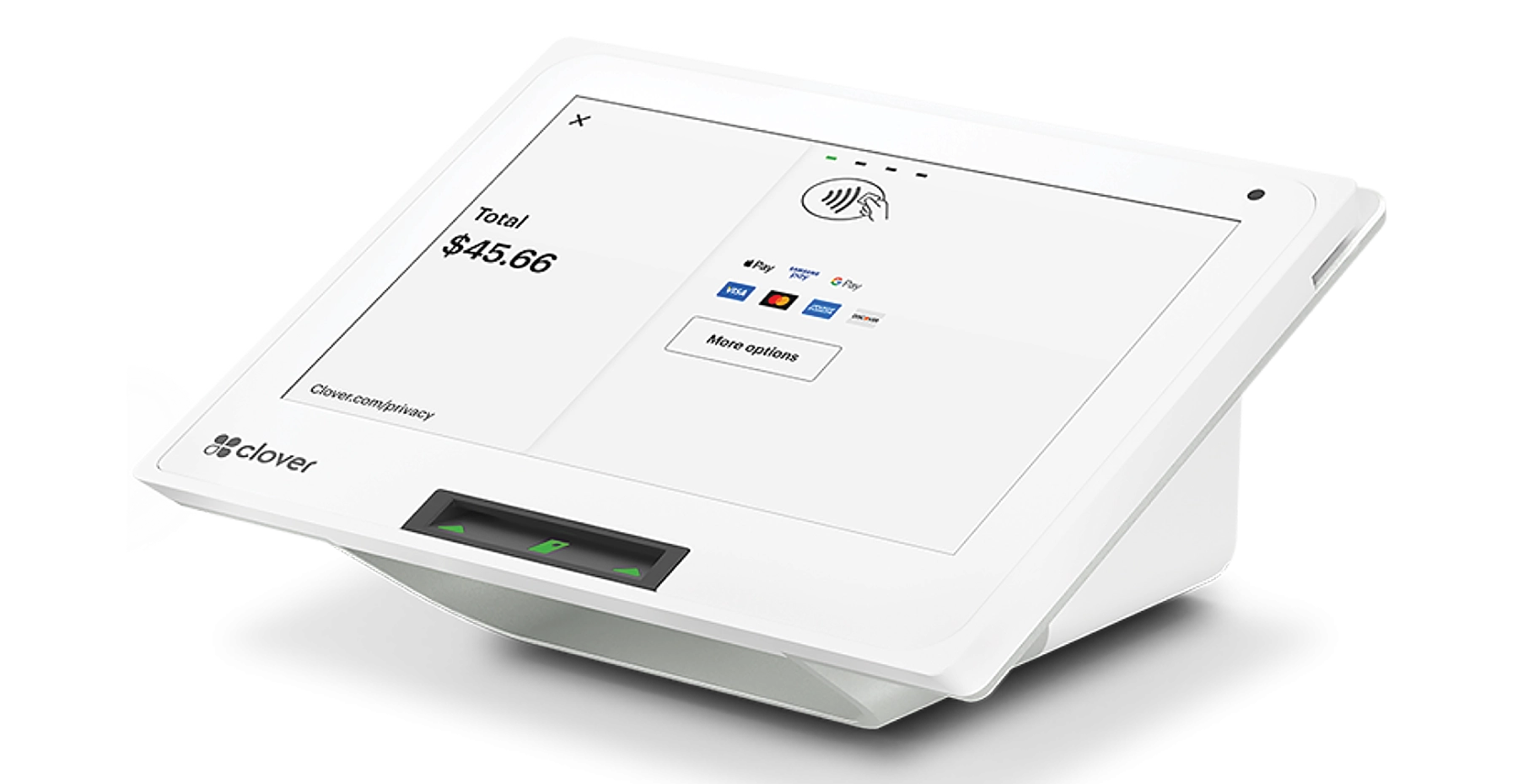
Modern POS systems, like Clover POS, make it easy to accept a wide range of payment methods, including EMV chip cards, contactless payments, and mobile wallets. This flexibility ensures that your customers can pay using the method that’s most convenient for them, which leads to faster transactions and improved satisfaction.
For example, if you’re hosting a special event or providing a mobile service, being able to accept payments via mobile devices or even through a virtual terminal will allow customers to pay quickly and securely without the need for a physical card or cash.
You can also attract new customers by promoting your wide array of payment options. A simple blurb about the types of payments you accept on your website, in your marketing materials, and on social media can help potential customers know that you offer convenience and flexibility.
2. Improving the Aesthetics of Your Payment System
The way your POS system looks might seem like a minor detail, but it actually plays a significant role in customer perception. Imagine this: You walk into a café, and the cashier is using an old, clunky POS system that looks like it’s from the 1990s, instead of a modern coffee shop POS system built for speed and accuracy. While the service might be excellent, that outdated system could make your experience feel less professional and efficient.
On the other hand, if you visit a business with a sleek, modern POS system that integrates seamlessly with the décor and operation of the business, such as a dual-screen Clover Duo checkout setup, it can enhance your perception of the company as being innovative and capable.
The Clover POS system excels in this area, offering a clean, modern design that can complement any type of business, and options like a self-service Clover Kiosk POS can further streamline checkout and reduce wait times. With its intuitive touchscreen interface and customizable layout, the system provides an experience that looks and feels professional. For businesses that want to keep their POS system out of sight when not in use, products like the Clover Mini offer portability and a minimalist design, ensuring your business looks sharp at all times.
While you may not think that a POS system’s appearance matters much, the visual appeal of the system can actually influence how customers perceive your business’s level of professionalism. A modern, user-friendly POS system signals to customers that you care about providing them with a top-notch experience.
3. Increasing Payment Portability
In many industries, especially those that operate on-site or outside a traditional brick-and-mortar store, the ability to accept payments anywhere is essential, and choosing from the best POS devices for small businesses helps ensure you’re equipped for those scenarios. If your business requires you to go to your customer’s location—whether you’re a contractor, consultant, or food delivery service—having a mobile, portable POS system is crucial.
The Clover Mini is one of the best options for this, but many businesses also benefit from a handheld Clover Flex POS device. It’s compact, easy to carry, and accepts a wide range of payment types, including EMV chip, contactless, and mobile wallet payments. With Clover’s mobile POS systems, including the latest Clover devices for 2026, you no longer have to rely on manual invoicing or making trips to the bank to deposit checks. Instead, you can accept payments instantly on-site, improving your cash flow and reducing the number of returned payments, or even use a Clover Go mobile card reader connected to your smartphone or tablet for quick, secure transactions.
Whether you’re providing services at a customer’s home, at a trade show, or on a busy city street, a portable POS system allows you to complete transactions instantly and efficiently. Your customers will appreciate the convenience of being able to pay immediately, and you’ll love the boost to your efficiency and cash flow.
4. Create a Welcoming Atmosphere
The environment and customer service at your physical or digital storefront directly impact the experience customers have. A welcoming atmosphere encourages customers to feel valued and comfortable, which is crucial for building loyalty. Creating a space where customers feel at home helps keep customers coming back for repeat visits and purchases. Fostering this kind of environment also strengthens brand loyalty by building an emotional connection and ongoing engagement with your brand. Whether it’s friendly staff, a clean, organized space, or an easy-to-navigate website, every detail matters. By cultivating a positive experience from the moment customers interact with your business, you increase the chances of a repeat visit and create long-term brand ambassadors.
5. Offer Multiple Ways to Engage
Today’s customers expect flexibility and options—whether it’s in how they shop, how they communicate, or how they pay. Offering variety in every aspect of your business (including payment, communication channels, and customer service) helps you meet the diverse needs of your customer base. Think about how you can offer multiple touchpoints for customers: in-store, online, over the phone, or even through social media. Providing these choices shows customers that you’re committed to convenience, helping foster stronger relationships with your brand and increasing customer engagement.
For example, building an online community or a strong customer community through forums, social media groups, or live events can facilitate ongoing interaction, participation, and loyalty among your customers.
6. Prioritize Communication and Feedback
Effective communication is the foundation of great customer service. Managing customer interactions effectively and personalizing customer interactions are essential for building loyalty and improving customer retention. Regularly checking in with customers, listening to their feedback, and acting on it helps to create a connection that keeps them engaged with your brand. Providing an accessible way for customers to share their opinions—whether through online reviews, surveys, or in-person chats—shows that you value their input. Effective customer support is a key part of communication, ensuring quick and helpful responses across all channels. By leveraging feedback and customer data, you can identify at risk customers and proactively re-engage them before they churn. Responsive customer service paired with active listening ensures that you’re not only meeting expectations but consistently exceeding them.
7. Integrating Loyalty and Rewards Programs
Another way to enhance your customers’ experience is by integrating loyalty and rewards programs into your payment process. Many POS systems, including Clover, allow you to seamlessly integrate these programs into the checkout process, which can make the entire experience smoother for both you and your customers.
Loyalty and rewards programs are specifically designed to reward customers and especially reward repeat customers by offering incentives such as points, discounts, or exclusive benefits. Offering discounts, rewards, or points for future purchases is a great way to show your customers that you value their business. Furthermore, integrating these programs into your POS system ensures that every transaction counts towards the rewards without the need for additional steps or tracking. When customers are rewarded for their loyalty, they’re more likely to return and recommend your business to others.
Additionally, implementing referral programs can incentivize customer advocacy and further improve customer retention by rewarding customers who refer friends or family with discounts, credits, or exclusive offers.
Measuring Success: Tracking Your Customer Retention Efforts
To truly maximize business growth and build a loyal customer base, it’s not enough to simply implement customer retention strategies—you also need to measure their effectiveness. Tracking your customer retention efforts allows you to understand what’s working, identify areas for improvement, and ensure your business is meeting customer expectations at every stage of the customer journey.
Key Metrics for Customer Retention
Monitoring the right metrics is essential for evaluating your customer retention plan. Here are some of the most important key metrics to track:
-
Customer Retention Rate: This measures the percentage of existing customers who remain loyal to your brand over a specific period. A high customer retention rate is a strong indicator that your retention strategies are effective and that you’re keeping customers engaged.
-
Customer Lifetime Value (CLV): CLV represents the total revenue a customer is expected to generate throughout their relationship with your business. Increasing customer lifetime value means you’re encouraging repeat purchases and maximizing the value of each customer.
-
Customer Satisfaction: Regularly measuring customer satisfaction through surveys or feedback tools helps you gauge how well you’re meeting customer expectations and delivering a seamless customer experience.
-
Net Promoter Score (NPS): NPS is a widely used metric that measures customer loyalty and the likelihood of customers recommending your business to others.
-
Customer Churn Rate: This metric tracks the percentage of customers who stop doing business with you over a given period. Reducing customer churn is crucial for sustainable growth.
-
Purchase Frequency Rate: Understanding how often your customers make repeat purchases can help you identify your most loyal customers and tailor your retention strategy accordingly.
Leveraging Customer Feedback for Continuous Improvement
Collecting and analyzing customer feedback is a powerful way to gain insights into what your customers value most and where you can improve. Use surveys, social media, and direct communication to gather feedback, then act on it to refine your customer retention strategies. Satisfied customers who feel heard are more likely to remain loyal and become repeat customers.
Personalized Experiences and Proactive Engagement
Personalization is key to increasing customer retention. Use customer data to segment your audience and deliver tailored experiences, offers, and communications. Identifying at-risk customers—those whose engagement is declining—and reaching out with personalized support or exclusive access to new products can help reduce customer churn and strengthen relationships.
Best Practices for Effective Customer Retention Strategies
Conclusion: Streamlining Payments Boosts Customer Retention and Happiness
Customer satisfaction is a key driver of business success, and optimizing your payment process is one of the most effective ways to improve that experience. By offering multiple payment options, improving the aesthetics of your POS system, increasing portability, and integrating loyalty programs, you can create a seamless, positive experience that leaves customers feeling satisfied and eager to return.
Investing in a modern POS system like Clover not only makes your business more efficient but also enhances the customer experience, which ultimately boosts retention and fosters long-term loyalty. So, take the time to evaluate your current payment systems and make improvements where necessary. With the right tools, you can make payment processing an easy, stress-free part of your customers’ journey—and ensure that your business stays ahead of the competition.