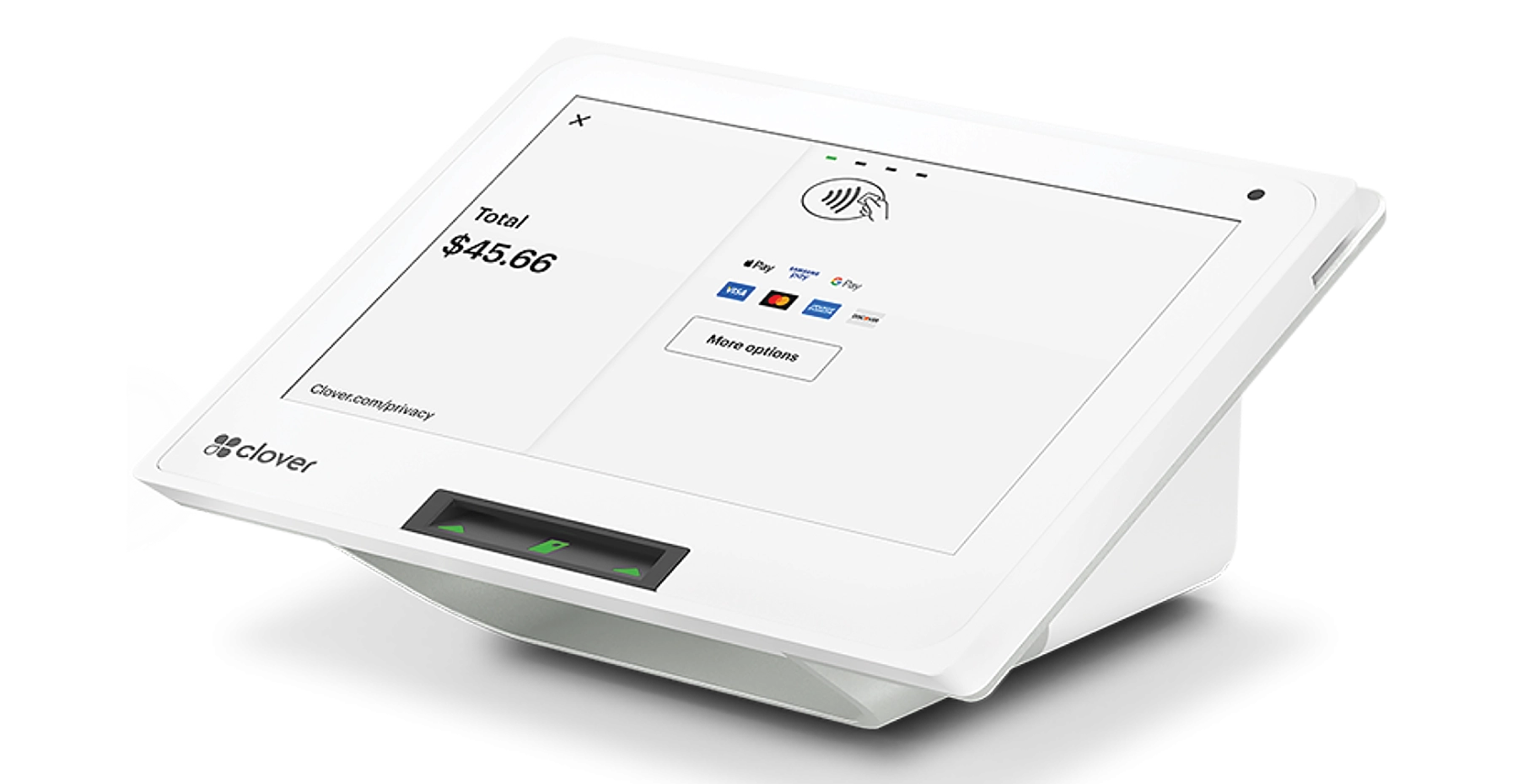


While there are credit card processing cancellation fees, there are ways to avoid them. Fees may be assessed at account opening or when the annual fee posts, depending on the contract terms. If you’re a merchant and you need to cancel a contract early, the early termination fee (or ETF) is a way for the credit card processing company to help recoup the costs they faced in setting your account up: obtaining the account number, credit checks, collecting documentation, programming and shipping equipment, installing equipment, training and maintaining tax records for the processing account. Merchants can request a waiver or refund of the cancellation fee, especially if they act soon after the annual fee posts.
Fair and Ethical Business Practices Should Be Considered by your Credit Card Processing Company
Chances are, you might not have taken note of this fee when you first signed the contract because you were looking at the projected savings, but most every contract has them, and, if you choose to cancel, it can be charged to your business. However, a good credit card processing company will be more than willing to work with you in the case of an emergency and, in some cases, merchants can formally request a waiver of the cancellation fee from their credit card processing company. Some issuers may have more flexible policies regarding fee waivers, especially if you are a long-time customer or someone they would consider doing business with again in the future.
Why Is there a Cancellation Fee?
But, before you attempt to avoid the cancellation fee altogether, it’s important you understand that there is a real reason why the processing company is attempting to charge you. Credit card processing companies make their money off of the volume of accounts they have, not the transaction fees they charge. It’s a very low profit margin business. While it may sound somewhat trite, early termination fees exist because they have an actual purpose: to help the processing company cover their losses. It does cost them time, labor, and money to get a contract setup, and if the contract is not able to run the intended length of time, they run the risk of losing money. The cancellation fee is there to help protect them from that risk. The decision to waive or enforce the fee depends on several factors, such as the length of your contract and the quality of your customer relationship with the company. After all, imagine what would happen if every client were allowed to just freely cancel their contracts early without penalty. The credit card processing company would quickly go under. Therefore, the first real use of an early credit card processing cancellation fee is to encourage clients to finish out their contract period if it fits within their budget. Otherwise, it is there to protect the processing company from potentially losing money on the contract.
If you’re nearing the end of your contract, a processing company will be more likely to work with you on the early termination fee than if you’re just a few days, weeks, or months in. Merchants can request a waiver or reduction of the fee, and there is an advantage to maintaining a good relationship with your processing company, as this may help in future negotiations. That’s because they have already profited enough from your contract to cover the setup fees and they could likely justify waiving the fee for you, depending on your relationship with the company. Additionally, closing a credit card processing account at the end of your contract can have implications for your future business relationships with payment processors.
In fact, if you are trying to see if your cancellation fee can be waived, here are some considerations the credit card processing company will make:
-
How long have you been working with them?
-
How long has your contract been running, and when is it set to expire?
-
Why is the contract being terminated early?
If you sit down and speak with a representative at the credit card processing company and let them know that the situation you’re in is less than ideal, making a formal request for a waiver of the credit card cancellation fee is an important step in the process. They will be more likely to give you leeway if you clearly request a waiver or reduction of the fee. If they don’t completely waive the fee, it is still worth sitting down and speaking with them in most cases just to maintain a good business relationship. Velocity Merchant Services (VMS), for example, prides itself as being a fair and just company. One other topic that makes VMS standout is their personalized customer service.
Credit Score Considerations
When you’re thinking about whether to cancel a credit card, it’s crucial to consider how this decision could affect your credit score and overall financial health. One of the most significant factors is your credit utilization ratio—the percentage of your available credit that you’re currently using. Canceling a credit card reduces your total available credit, which can increase your credit utilization ratio if you carry balances on other accounts. A higher credit utilization ratio may negatively impact your credit score, so it’s important to keep this in mind before closing any credit card account.
Another key consideration is your credit history. The average age of your credit accounts plays a role in your credit score, and closing an older account can shorten your credit history. Lenders generally prefer to see a longer credit history, as it demonstrates responsible credit management over time. If the card you’re considering canceling is your oldest account, you might want to think twice, as this could have a more pronounced effect on your credit report and score.
Your credit mix—the variety of credit accounts you have, such as credit cards, loans, and mortgages—also factors into your credit score. Canceling a credit card can reduce the diversity of your credit mix, which may have a slight negative impact, especially if you have few other types of credit.
If you’re considering canceling a card with a high annual fee, weigh the benefits you receive, such as rewards, free checked bags, airport lounge access, or streaming services credits, against the cost of keeping the card open. Sometimes, the perks and rewards you earn can easily offset the annual fee, making it worthwhile to keep the card open. However, if you find that the annual fee outweighs the card’s perks, or if you’re not using the benefits, it may make sense to cancel or downgrade to a no-annual-fee card.
Before you cancel a credit card, check your credit report to understand how the closure might affect your credit score. It’s also a good idea to contact your card issuer to see if they can offer retention offers, such as statement credits, a lower interest rate, or even a fee refunded for the first year, to encourage you to keep your account open. Sometimes, simply asking can help you avoid paying high annual fees or get additional value from your card.
If you do decide to cancel, make sure to pay off any outstanding balance and redeem any unredeemed rewards or membership rewards points before closing the account. This ensures you don’t lose out on rewards you’ve already earned and helps you avoid any negative impact from an unpaid balance. After canceling, monitor your credit report to see how the account closure affects your credit score and overall financial health.
In certain situations, canceling a credit card is the right move—whether you want to avoid paying high annual fees, simplify your finances, or reduce the temptation to accumulate credit card debt. Just be sure to take the proper steps and consider all the factors involved. By making an informed decision and prioritizing your financial goals, you can manage your credit wisely and maintain a strong credit profile, whether you’re looking for the best credit card, aiming to earn rewards, or simply keeping your finances in check.
While there are credit card processing cancellation fees, there are ways to avoid them. Fees may be assessed at account opening or when the annual fee posts, depending on the contract terms. If you’re a merchant and you need to cancel a contract early, the early termination fee (or ETF) is a way for the credit card processing company to help recoup the costs they faced in setting your account up: obtaining the account number, credit checks, collecting documentation, programming and shipping equipment, installing equipment, training and maintaining tax records for the processing account. Merchants can request a waiver or refund of the cancellation fee, especially if they act soon after the annual fee posts.
Fair and Ethical Business Practices Should Be Considered by your Credit Card Processing Company
Chances are, you might not have taken note of this fee when you first signed the contract because you were looking at the projected savings, but most every contract has them, and, if you choose to cancel, it can be charged to your business. However, a good credit card processing company will be more than willing to work with you in the case of an emergency and, in some cases, merchants can formally request a waiver of the cancellation fee from their credit card processing company. Some issuers may have more flexible policies regarding fee waivers, especially if you are a long-time customer or someone they would consider doing business with again in the future.
Why Is there a Cancellation Fee?
But, before you attempt to avoid the cancellation fee altogether, it’s important you understand that there is a real reason why the processing company is attempting to charge you. Credit card processing companies make their money off of the volume of accounts they have, not the transaction fees they charge. It’s a very low profit margin business. While it may sound somewhat trite, early termination fees exist because they have an actual purpose: to help the processing company cover their losses. It does cost them time, labor, and money to get a contract setup, and if the contract is not able to run the intended length of time, they run the risk of losing money. The cancellation fee is there to help protect them from that risk. The decision to waive or enforce the fee depends on several factors, such as the length of your contract and the quality of your customer relationship with the company. After all, imagine what would happen if every client were allowed to just freely cancel their contracts early without penalty. The credit card processing company would quickly go under. Therefore, the first real use of an early credit card processing cancellation fee is to encourage clients to finish out their contract period if it fits within their budget. Otherwise, it is there to protect the processing company from potentially losing money on the contract.
If you’re nearing the end of your contract, a processing company will be more likely to work with you on the early termination fee than if you’re just a few days, weeks, or months in. Merchants can request a waiver or reduction of the fee, and there is an advantage to maintaining a good relationship with your processing company, as this may help in future negotiations. That’s because they have already profited enough from your contract to cover the setup fees and they could likely justify waiving the fee for you, depending on your relationship with the company. Additionally, closing a credit card processing account at the end of your contract can have implications for your future business relationships with payment processors.
In fact, if you are trying to see if your cancellation fee can be waived, here are some considerations the credit card processing company will make:
-
How long have you been working with them?
-
How long has your contract been running, and when is it set to expire?
-
Why is the contract being terminated early?
If you sit down and speak with a representative at the credit card processing company and let them know that the situation you’re in is less than ideal, making a formal request for a waiver of the credit card cancellation fee is an important step in the process. They will be more likely to give you leeway if you clearly request a waiver or reduction of the fee. If they don’t completely waive the fee, it is still worth sitting down and speaking with them in most cases just to maintain a good business relationship. Velocity Merchant Services (VMS), for example, prides itself as being a fair and just company. One other topic that makes VMS standout is their personalized customer service.
Tired of unpredictable processing fees?
VMS offers cash discount and dual pricing programs that can bring your effective rate close to zero, plus a free statement review.
Or call our team: 888-902-6227
Credit Score Considerations
When you’re thinking about whether to cancel a credit card, it’s crucial to consider how this decision could affect your credit score and overall financial health. One of the most significant factors is your credit utilization ratio—the percentage of your available credit that you’re currently using. Canceling a credit card reduces your total available credit, which can increase your credit utilization ratio if you carry balances on other accounts. A higher credit utilization ratio may negatively impact your credit score, so it’s important to keep this in mind before closing any credit card account.
Another key consideration is your credit history. The average age of your credit accounts plays a role in your credit score, and closing an older account can shorten your credit history. Lenders generally prefer to see a longer credit history, as it demonstrates responsible credit management over time. If the card you’re considering canceling is your oldest account, you might want to think twice, as this could have a more pronounced effect on your credit report and score.
Your credit mix—the variety of credit accounts you have, such as credit cards, loans, and mortgages—also factors into your credit score. Canceling a credit card can reduce the diversity of your credit mix, which may have a slight negative impact, especially if you have few other types of credit.
If you’re considering canceling a card with a high annual fee, weigh the benefits you receive, such as rewards, free checked bags, airport lounge access, or streaming services credits, against the cost of keeping the card open. Sometimes, the perks and rewards you earn can easily offset the annual fee, making it worthwhile to keep the card open. However, if you find that the annual fee outweighs the card’s perks, or if you’re not using the benefits, it may make sense to cancel or downgrade to a no-annual-fee card.
Before you cancel a credit card, check your credit report to understand how the closure might affect your credit score. It’s also a good idea to contact your card issuer to see if they can offer retention offers, such as statement credits, a lower interest rate, or even a fee refunded for the first year, to encourage you to keep your account open. Sometimes, simply asking can help you avoid paying high annual fees or get additional value from your card.
If you do decide to cancel, make sure to pay off any outstanding balance and redeem any unredeemed rewards or membership rewards points before closing the account. This ensures you don’t lose out on rewards you’ve already earned and helps you avoid any negative impact from an unpaid balance. After canceling, monitor your credit report to see how the account closure affects your credit score and overall financial health.
In certain situations, canceling a credit card is the right move—whether you want to avoid paying high annual fees, simplify your finances, or reduce the temptation to accumulate credit card debt. Just be sure to take the proper steps and consider all the factors involved. By making an informed decision and prioritizing your financial goals, you can manage your credit wisely and maintain a strong credit profile, whether you’re looking for the best credit card, aiming to earn rewards, or simply keeping your finances in check.
Have questions about processing fees?
Fill out the form below and a VMS payment specialist will contact you shortly.