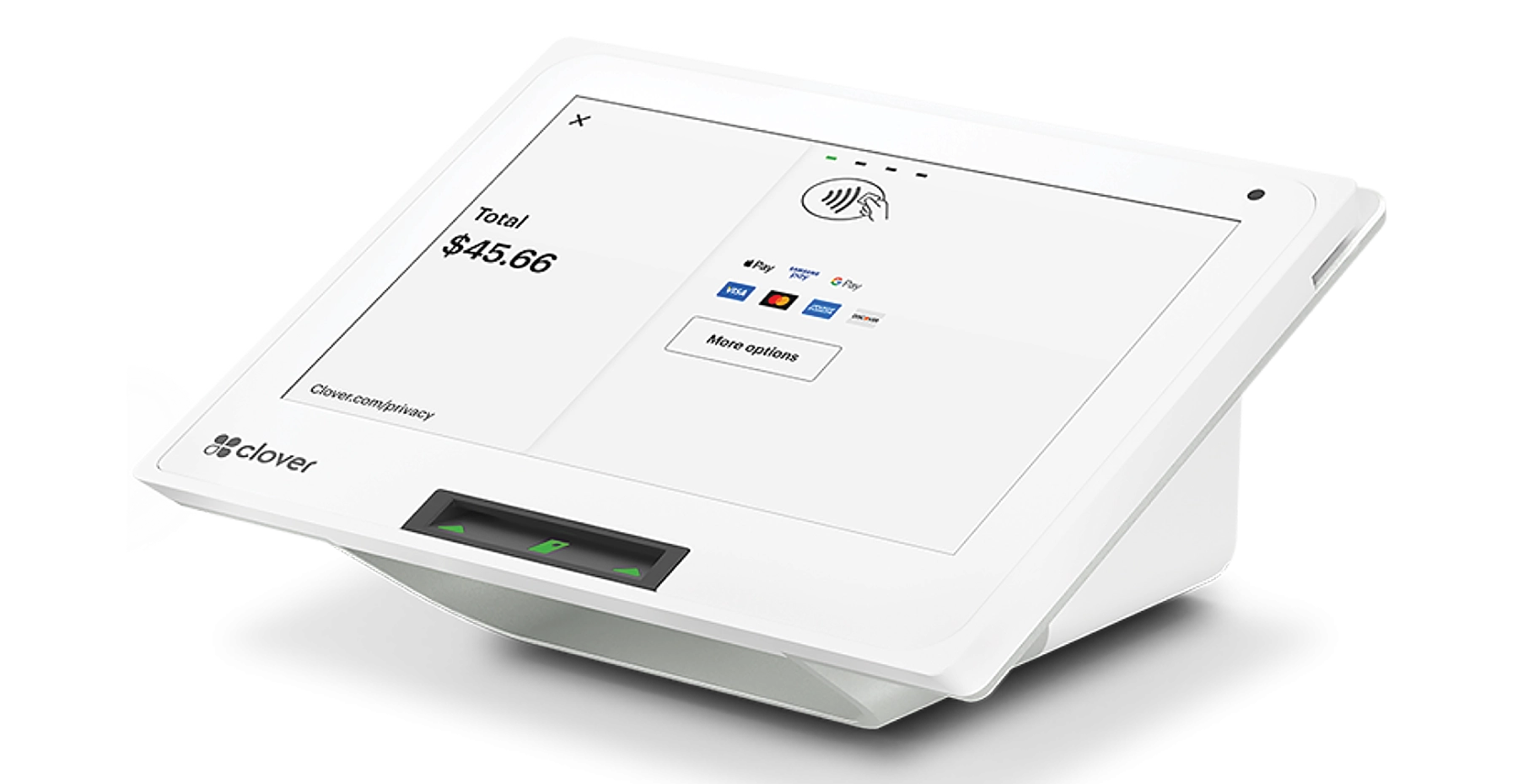

The future is here. Contactless point-of-sale has revolutionized the way we make purchases. We thought paying with the chip was easy and convenient. Now all we have to do is tap our card on the machine and boom. The transaction is complete. No inserting, no swiping, no change. What’s even easier is paying with your phone. You don’t even need to pull out your card. Just open your mobile wallet and wave your phone over the machine. Businesses can now accept payments anywhere using mobile POS solutions, including smartphones and tablets. Not to mention, with the rise in crypto-currency usage, we may soon see a complete contactless payment take over in the future.
Contactless point-of-sale is one of the more popular ways to pay, and for good reason. The most popular contactless payment options include Apple Pay (by Apple Inc.), Google Pay (by Google LLC), and Samsung Pay (by Samsung Electronics), as well as major cards like Visa. Contactless POS systems accept not only contactless credit and debit cards, but also mobile wallets and wearables like smartwatches. Key hardware for contactless POS includes an NFC-enabled payment terminal featuring the contactless symbol, a trademark owned by EMVCo, which indicates compatibility with contactless payments. I’ve explored all the different benefits of contactless payment, and am here to give you a run down on why its becoming the preferred way to pay.
Introduction to Contactless Payments
Contactless payments have quickly become a must-have for modern businesses, offering customers a fast and effortless way to pay. To accept contactless payments, businesses can leverage mobile point of sale systems that allow them to process payments wherever their customers are—whether in-store, at a pop-up event, or on the go. These systems support a wide range of payment types, including credit cards, Google Pay, and Apple Pay, making it easy for customers to pay with their preferred method. By starting to accept payments through contactless methods, merchants can streamline the checkout process, boost sales, and create a more enjoyable shopping experience. Setting up to accept payments is straightforward: businesses need a merchant account and can choose from various payments platforms to manage their transactions securely. As digital payments continue to rise in popularity, having a secure payments system in place—complete with a mobile card reader and a supported payment app—ensures your business is ready to meet customer expectations and stay ahead in a competitive market.
How Contactless Payments Work
Contactless payment is a secure method for customers to purchase products or services using a debit or credit card, or cell phone. All customers need to do is tap their card or phone near a point-of-sale device that is equipped with the right technology. These methods of payment use radio frequency identification (RFID) technology, with near-field communication (NFC) being a subset of RFID.
Contactless payments can be accepted using mobile devices such as smartphones and tablets. Every transaction processed through mobile POS systems is encrypted and tokenized to protect card data. Once a transaction is authorized by the bank, it can be completed in as little as 0.5 to 2 seconds, significantly faster than cash or chip-and-PIN transactions, reducing wait times for each person in line and improving operational efficiency. Settlement of funds to a linked bank account typically occurs within a few business days.
Near-Field Communication
NFC is the main technology used for contactless payments. The wireless communication technique enables data sharing between two devices when they are within a few centimeters of one another. It is a form of contactless communication that utilizes a 13.56 MHz operating frequency and has a maximum data transmission rate of 424 kbit/s. Applications for NFC technology include contactless payment systems, access control systems, ticketing for public transit, and data transfer between devices. This is how Apple Pay and Google Pay work. The NFC connects the mobile device to the POS system and allows the two devices to communicate via an encrypted signal. NFC technology is considered to be more secure than traditional payment methods because it uses encryption to protect the data being transmitted. The payment processes almost instantly so long lines are few and far between.
Radio-Frequency Identification
Along with NFC technology, RFID technology forms one of the core components of contactless payment systems. Both NFC chips and RFID tags can wirelessly communicate with a reader or POS terminal through radio waves. In contactless payment systems, a credit or debit card has an embedded RFID tag or NFC chip. This is how the contactless payments are enabled on your credit or debit card. A consumer only needs to place their card or other payment device close to a contactless payment terminal to complete a transaction. The terminal then initiates the payment transaction by contacting the tag or chip using RFID technology.
Mobile Point of Sale Systems
Mobile point of sale systems are transforming the way small businesses accept payments. With just a smartphone or tablet, you can turn any location into a checkout counter. These systems are designed to accept payments of all types, including contactless payments, making them perfect for businesses that operate at live events, markets, or pop-up shops. Getting started is simple: download a payment app from the Apple App Store or Google Play, connect a mobile card reader, and you’re ready to process payments. The latest version of mobile point of sale software offers advanced features that help future-proof your business, ensuring you can keep up with evolving payment trends. Whether you’re selling products in-store or on the move, mobile point of sale systems provide the flexibility and convenience you need to accept payments anywhere, anytime.
Hardware Options
When it comes to accepting contactless payments, businesses have a variety of hardware options to choose from. Mobile card readers, such as those from Square or Stripe, easily connect to your smartphone or tablet via USB-C, enabling you to accept payments from Apple Pay, Google Pay, Samsung Pay, and contactless cards. For businesses seeking a more robust solution, point of sale systems with integrated card readers offer additional features like inventory management and sales analytics. These sale systems can be tailored to fit your business needs and often integrate seamlessly with your existing pos software. When selecting hardware, consider the extra cost and ensure compatibility with your current devices and software. With the right hardware options, your business can accept contactless payments efficiently and securely, whether you’re using a simple card reader or a full-featured point of sale system.
Why Contactless Point-of-Sale is Preferred
Contactless payment methods are increasingly demanded by consumers for their speed and convenience.
People enjoy contactless payments for a number of reasons:
-
They are fast and easy, allowing customers to simply tap their card or device and go.
-
Reducing cash handling lowers expenses related to cash management and diminishes human errors in counting change.
-
Contactless payment systems can integrate with loyalty programs to apply discounts and earn rewards automatically during the tap.
-
Merchants can streamline operations by processing all payments through a single service.
-
Implementing a payments platform that supports various payment methods can enhance business performance.
-
They are more hygienic, as there is no need to physically hand over cash or cards.
-
They are secure, using encryption and tokenization to protect sensitive information.
Security:
Because contactless payments use encryption technology to protect against fraud and ensure the protection of personal data, they are frequently more secure than traditional payment methods. In order to further increase security, certain contactless payment systems also demand verification, like a fingerprint or facial recognition. Mobile payments and contactless cards do not transmit your name, card number or 3 digit security code.
Convenience and speed:
Contactless payments are quick and simple, enabling users to complete the transaction right away without having to insert a card or enter a PIN. This is especially helpful when time is of the essence, like in crowded retail settings or on public transportation.
Hygiene:
Due to the lack of physical touch required between the customer and the payment terminal, contactless payments are also more hygienic than conventional payment methods. This is crucial right now. Even though the concerns about Covid have diminished, people are still more focused on preventing the spread of pathogens.
Flexibility:
A number of devices, including credit and debit cards, smartphones, and smartwatches, can be used to make contactless payments. Customers now have more options on how to make payments and can select the method that suits them best.
Spending Limits:
Compared to conventional payment methods, contactless payment solutions frequently feature greater spending limits. However, these solutions may still have limited transaction or transfer limits imposed by banks or payment processors. Additionally, hardware used for contactless POS may come with a limited warranty period. This is because banks and other financial institutions are more willing to accept the risk associated with higher spending limitations and because the technology is thought to be more secure. This higher spending cap is especially beneficial for high-value purchases like renting a new car or making travel arrangements.
Real-Time Payment Notifications:
Consumers can keep better track of their spending by using contactless payment systems, which offer real-time payment notifications. Customers have the option of receiving notifications via email or mobile devices, giving them a clear and current view of their account activities. This can aid in preventing fraud and mistakes by quickly recognizing dubious transactions, which is beneficial to both merchants and customers.
Environmental advantages:
Contactless payments are less harmful to the environment than conventional payment methods. They lessen the requirement for paper receipts and can decrease the amount of plastic trash produced by credit and debit cards. This can support a more sustainable future by lowering the carbon footprint connected to payment transactions.
Customer Experience
Delivering an exceptional customer experience is crucial for any business, and accepting contactless payments can make a significant difference. By offering contactless payments, you provide your customers with a faster, more convenient way to pay—reducing wait times and making the checkout process smoother. Mobile payments and mobile point of sale systems allow you to accept payments anywhere, whether at the counter or on the sales floor, giving your customers flexibility and control. Accepting a variety of payment types, including contactless cards and digital wallets, ensures you can cater to every customer’s preference. This seamless payment experience not only increases customer satisfaction but can also lead to greater loyalty and repeat business. By embracing contactless payments, your business stands out as modern, efficient, and customer-focused.
Getting a Contactless Point-of-Sale System at your Business
In general, contactless payments are popular because they are quick, practical, hygienic, secure, and adaptable. Contactless payment solutions are growing in acceptance by both customers and merchants. If you’re a business owner and have yet to adapt to the new wave of contactless payments you should look into upgrading your system.
Mobile POS systems allow businesses to customize their setup with software, hardware, and pricing options that best suit their needs. These systems also provide features for managing product inventory and customer databases, and often include 24/7 customer support to assist users. Square, for example, offers a range of accessories to enhance the functionality of its mobile POS systems. Some promotional offers may be apply based, meaning eligibility depends on how or where an application is submitted. Additionally, tap download features can enable contactless payment functionalities and app updates on supported devices.
VMS offers a variety of devices that work as contactless point-of-sale systems. If you’re interested in learning more about our devices, head to getvms.com or fill out the form below!
Troubleshooting
Even with the best systems in place, occasional issues with contactless payments can arise. To keep your business running smoothly, it’s important to have a troubleshooting plan. Start by ensuring your mobile card reader is properly connected to your mobile device and that you’re using the latest version of your payment app. If you encounter persistent problems, reach out to your payments platform provider for assistance. Be aware of any device-specific limitations, such as those related to iPhone or Android operating systems, and check for restrictions on tap to pay transactions. Regularly updating your pos software and confirming that all devices are compatible with the latest operating systems can help prevent many common issues. By staying proactive and prepared, you can minimize downtime, continue to accept payments without interruption, and maintain a positive experience for your customers.