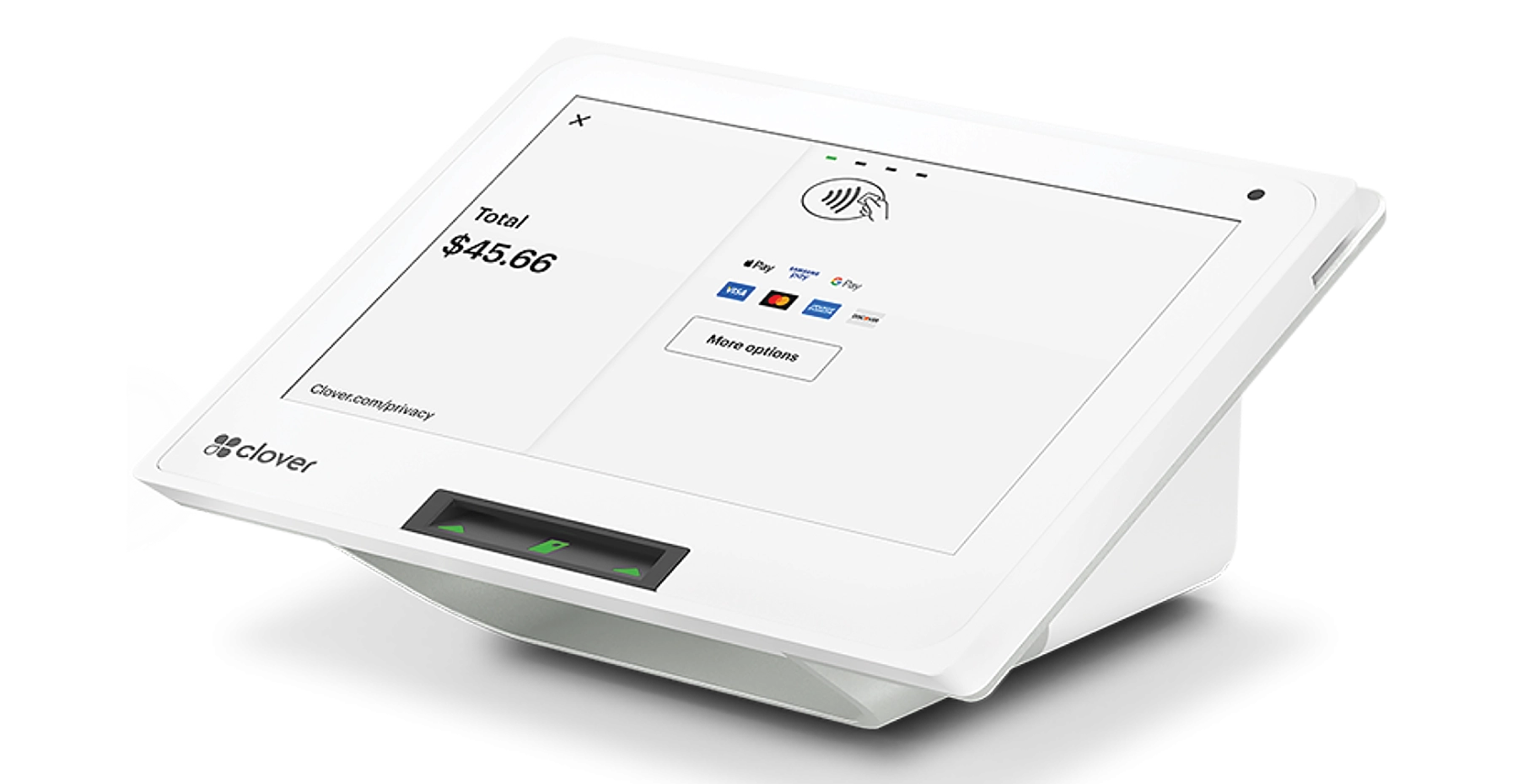


its core, a Point of Sale (POS) system is the place where your customer makes a payment for goods or services. It’s the point in time when money changes hands—physically or digitally. In the old days, this might have been a cash drawer and a receipt book. The first mechanical cash register, invented by James Ritty in 1879, marked the beginning of retail transaction hardware and served as the precursor to today’s sophisticated systems. Now, the digital cash register has evolved far beyond its mechanical origins, integrating payment processing, inventory management, and customer engagement into a comprehensive digital solution.
But here’s the truth: the modern POS system is not just a way to accept payments. It’s a business command center—a full POS system and sale system that manages sales transactions, inventory, and all business operations. It helps you ring up sales, manage inventory, schedule staff, track performance, accept multiple payment types, reward loyal customers, and even sync your in-store and online sales—all in one system. Modern full POS systems are accessible even to small businesses and sole traders, with solutions available for everyone from large retailers to street food vendors using just a smartphone.
So when we talk about “what is a POS system,” we’re really talking about the beating heart of your entire business operation—a sale system that serves as your business’s command center.
The global POS software market was valued at approximately $29.09 billion in 2024 and is projected to grow significantly through 2030. Cloud-based POS systems now dominate the market, representing about 65% of deployments as of 2024.
Why Businesses Need a POS System
Running a business today is more complex than ever. You’re managing inventory, trying to keep employees on track, handling sales, balancing cash flow, and competing with online giants who never sleep.
A POS system simplifies all of that. It automates time-consuming tasks, reduces human error, and gives you a real-time view of your business. Automation in POS systems can save managers 8 to 12 hours per week in administrative work. It frees up your time so you can focus on growth, not grunt work.
Yet, according to a report from Software Advice, over half of small retail businesses still don’t use a POS system. That means they’re still relying on manual methods, from hand-written sales logs to Excel spreadsheets, or basic accounting software that’s not designed for real-time business management. However, implementing a POS system can come with challenges, such as the need for staff training and potential resistance to change.
If that sounds like your setup, you’re not alone—but you’re also missing out on serious efficiency, accuracy, and insights that could be helping you grow. A well-designed POS system provides real-time data analytics that help businesses make informed decisions. It also enhances customer satisfaction by speeding up the checkout process and improving inventory accuracy, ensuring customers find what they need and have a smooth shopping experience. When choosing a POS system, it’s important to consider scalability so it can grow with your business, and ensure it integrates easily with existing software like accounting and CRM systems to streamline operations. Additionally, the ability to export data from your POS system is essential to avoid vendor lock-in and maintain data portability.
What Makes Up a POS System?
A POS system consists of two main parts: the hardware (the physical equipment you use) and the software (the programs that manage your data and operations). When upgrading or switching POS systems, it’s important to check compatibility with your existing hardware by confirming supported models with your vendor. Local hardware plays a crucial role in supporting secure and seamless transactions, especially in brick-and-mortar locations, by reducing dependency on cloud connectivity and enhancing data security. Let’s break it down.
When it comes to software, legacy POS systems often rely on local servers for data storage and security, providing reliability in environments with unreliable internet connectivity. However, modern POS software has shifted toward cloud POS solutions and cloud POS systems, which offer real-time data synchronization, enhanced security features like PCI compliance, encryption, tokenization, and automatic updates. These cloud-based POS systems now dominate the market, rapidly replacing legacy on-premise systems.
When evaluating a POS system, always test its offline functionality to ensure sales processing continues smoothly during internet outages.
POS Hardware: The Tools at the Counter
The hardware includes everything you see in your checkout area. It may vary depending on your business size or type, but typically includes:
-
Tablet or terminal: The main screen where you and your employees interact with the system.
-
Card reader: For swiping, inserting, or tapping credit/debit cards and mobile payments. Modern POS setups often use payment terminals and POS terminals, which accept various payment methods—including chip cards, NFC taps, and mobile wallets like Apple Pay, Google Pay, or Samsung Pay—ensuring secure and efficient transactions.
-
Cash drawer: For businesses that still handle cash transactions. The traditional cash register has evolved from a simple mechanical device to an integrated part of today’s POS hardware, now serving as a multifunctional command center that connects sales, inventory, and customer data.
-
Receipt printer: For printing receipts, although many customers now prefer digital ones.
-
Barcode scanner: To quickly ring up products and track inventory efficiently.
Depending on your industry, you might also have accessories like a kitchen display screen, customer-facing display, or a label printer.
When choosing POS hardware, evaluate key features such as payment processing, inventory management, reporting, CRM integration, and offline functionality.
POS Software: The Brain of the Operation
Now here’s where the real magic happens.
The POS software is the piece that transforms your business from reactive to proactive. It’s what makes a modern POS system more than just a glorified calculator. Today, cloud based systems and cloud POS solutions offer accessibility from anywhere, enhanced security with features like PCI compliance and encryption, and real-time data capabilities for instant business insights.
A good POS software platform gives you one central dashboard to run everything. This includes managing sales, tracking inventory in real time, scheduling employees, generating tax reports, integrating with accounting software, viewing performance metrics, and even integrating your marketing tools and loyalty programs for customer engagement and streamlined campaigns.
Modern POS software enables you to complete sales transactions from initiation to finalization, including payment verification, transaction approval, and record-keeping. The ability to export, analyze, and leverage sales data is critical for business intelligence and decision-making.
It’s important to note that POS systems can incur additional costs for add-ons like loyalty programs, online ordering tools, or restaurant table management features. AI features such as demand forecasting and personalized marketing are also becoming standard, and unified commerce platforms are emerging to integrate in-store and online sales into a single system.
Let’s take a closer look at what POS software can do for a business owner.
Sales & Checkout Management
Of course, POS software processes sales transactions—but it does much more than swipe and total. POS systems work by automating and integrating sales, inventory management, and customer data, acting as the central hub for your business operations. At checkout, POS software helps complete sales transactions by verifying payments, approving the transaction, and ensuring funds are securely deposited into your business’s bank account. It lets you customize your checkout experience, apply discounts or loyalty rewards, manage returns, and accept everything from cash and chip cards to Apple Pay, Google Pay, and even EBT, depending on your industry. POS software also handles sales tax calculations automatically, applying the correct tax rates based on your location and product category.
You can also track which products sell best, at what times, and with which payment methods. All sales transactions are recorded and integrated with inventory, accounting, and customer management features. POS systems are increasingly integrating with other business tools, such as accounting and CRM software, to streamline operations. And that data? It’s gold for planning promotions, staffing, and inventory purchases.
Inventory Control in Real Time
Inventory is the lifeblood of your business. POS software helps you track what you have in stock down to the unit or SKU—automatically. Inventory tracking is a core feature of POS software, enabling real-time visibility and order management across your business.
Every time you sell an item, your inventory updates instantly, ensuring inventory accuracy and helping prevent stockouts or overselling. This accuracy improves operational efficiency and customer satisfaction. You can set reorder alerts, manage stock across multiple locations, and even automate restocking. No more “Oops, we’re out of that” moments. And no more hours spent counting and updating spreadsheets.
Modern POS software does far more than ring up a sale; it tracks inventory in real time, manages staff shifts, generates tax reports, and feeds data into accounting software, integrating seamlessly with other business functions.
For restaurants, this might mean managing ingredients. For retail, it’s about tracking product sizes and variations. For service businesses, it could include supplies or parts. Either way, your POS software should have your back.
Employee Management
Managing your team gets a whole lot easier with the right POS software.
You can create employee logins with different permissions, so your manager can issue refunds but your cashier can’t. You can track who made each sale, log hours, view schedules, and even calculate tips.
Some platforms offer built-in scheduling tools that let employees clock in and out, and others integrate with payroll software. That means fewer HR headaches and better visibility into your team’s performance.
Customer Relationship Management (CRM)
Repeat customers are more valuable than one-time buyers—and your POS software can help you keep them coming back.
By capturing customer data at checkout (email, phone number, purchase history), you can build profiles for personalized service, loyalty rewards, and targeted marketing. Many POS systems now integrate loyalty programs directly into the software, making it easy to reward repeat business and encourage larger purchases as part of your customer relationship strategy.
Want to send a promo to everyone who bought a certain product? Done. With integrated marketing tools, POS software enables you to run targeted campaigns and enhance customer engagement seamlessly. Want to notify customers when their favorite item is back in stock? Easy. The better you know your customers, the better your service—and sales—will be.
Reporting & Business Insights
This is the part that makes business owners feel like superheroes.
POS software gives you real-time access to sales reports, profit margins, top-performing products, busiest hours, employee productivity, and more. Real-time data ensures you always have up-to-date sales, inventory, and customer information, enabling you to make informed decisions and optimize operations across multiple locations. These reports aren’t just numbers—they tell you what’s working and what’s not, so you can pivot fast and grow faster.
Leveraging sales data for business intelligence is critical, as it allows you to analyze trends, manage inventory, and improve overall performance. Some platforms even offer AI-driven insights or predictive analytics, with features such as demand forecasting and personalized marketing now becoming standard in modern POS systems. With that kind of data at your fingertips, you’re no longer guessing—you’re strategizing.
Omnichannel & Online Integration
Today’s customers don’t just shop in-store. They browse online, order from their phones, and expect options like delivery, curbside pickup, or buying online and picking up in person.
Modern POS software can sync your in-store and online inventory, so you never oversell. It can integrate with e-commerce platforms like Shopify or WooCommerce, or offer built-in online ordering—like Clover’s system for restaurants and retailers. Unified commerce platforms are emerging, integrating all sales channels—both in-store and online—into a single system for streamlined management.
That means one platform, one source of truth, and a seamless experience for your customers across every channel.
Types of POS Systems
When it comes to choosing a POS system, one size definitely doesn’t fit all. The right POS system for your business depends on your industry, size, and how you interact with your customers. Here’s a quick guide to the most common types of POS systems available today:
Cloud-based POS systems have become the go-to choice for many modern retailers and service-based businesses. These systems store your data securely in the cloud, giving you real-time access to sales, inventory, and customer information from anywhere—whether you’re in the store, at home, or on the go. Their scalability and flexibility make them ideal for growing businesses or those with multiple locations.
Mobile POS systems are perfect for businesses that need to process transactions away from a traditional checkout counter. Think food trucks, pop-up shops, market stalls, or service professionals who visit clients. With a mobile POS, you can accept payments, manage inventory, and issue receipts right from a smartphone or tablet, enhancing the customer experience wherever you do business.
Legacy POS systems are the traditional, on-premise solutions that store data locally on your own servers. While they require more upfront investment and IT support, they’re still favored by some larger enterprises with complex security needs or those operating in areas with unreliable internet connectivity.
Omnichannel POS systems are designed for businesses that sell both online and in-store. These systems integrate all your sales channels, so inventory, customer data, and sales reports are always in sync. This seamless approach ensures a consistent customer experience, whether shoppers are browsing your website or visiting your brick-and-mortar location.
Restaurant POS systems are tailored specifically for the food service industry. They offer features like table management, kitchen display systems, menu customization, and online ordering integration—making it easy to process transactions and keep service running smoothly.
When selecting a POS system, consider your current needs and future growth plans. The right POS system will not only help you process transactions efficiently but also support your business as it evolves, ensuring you deliver the best possible customer experience across all your sales channels.
Payment Processing
Payment processing is at the heart of every POS system, enabling your business to accept a wide range of payment methods and deliver a smooth checkout experience. Today’s customers expect flexibility, whether they’re paying with credit cards, debit cards, mobile wallets like Apple Pay and Google Pay, or using contactless payments for added convenience and speed.
A good POS system should make payment processing seamless and secure. Reputable cloud POS providers use advanced encryption and comply with industry standards like PCI-DSS to protect sensitive customer data during every transaction. This not only safeguards your business but also builds trust with your customers.
Transaction fees are an important consideration, as they can vary depending on the payment processor and the types of payments you accept. Some POS providers offer transparent, competitive pricing, so you know exactly what you’re paying for each transaction. It’s wise to compare options and choose a solution that balances cost with the ability to accept all the payment types your customers prefer—including mobile payments and contactless options.
Real-time transaction data is another key benefit of modern payment processing. With instant access to sales and payment information, you can make informed decisions about staffing, inventory, and promotions. Ultimately, the right POS system will help you process payments quickly, securely, and efficiently—keeping your customers happy and your business running smoothly.
POS System Costs and Fees
Understanding the costs associated with a POS system is crucial for making a smart investment in your business. The total cost of ownership can vary widely depending on the type of system you choose, the hardware and software required, and the features you need.
Typically, POS system costs include an initial investment in hardware—such as terminals, card readers, cash drawers, and receipt printers—as well as the purchase or subscription of POS software. Cloud-based POS systems often offer flexible pricing models, with monthly or annual subscription fees that can scale as your business grows or changes. This makes it easier to manage expenses and avoid large upfront costs.
In addition to hardware and software, you’ll need to factor in ongoing transaction fees and processing fees, which are charged each time you accept a payment. These fees can add up, so it’s important to compare rates from different providers and look for transparent pricing.
Don’t forget to consider the value of features like inventory management and customer relationship management. These tools can help you streamline operations, reduce manual data entry, and drive sales—delivering a strong return on your investment over time.
When evaluating POS systems, look beyond the sticker price. Consider support costs, software updates, and any additional services you may need. The right POS system will not only fit your budget but also provide the tools you need to grow your business efficiently and effectively.
Security and Compliance
Security and compliance are non-negotiable when it comes to choosing a POS system. Every transaction involves sensitive customer data, and it’s your responsibility to keep that information safe.
Reputable cloud POS providers take security seriously, using advanced encryption, tokenization, and secure data storage to protect against breaches and unauthorized access. PCI-DSS compliance is a must for any business that accepts credit card payments, and leading POS vendors are required to meet these industry standards to ensure your payment processing is secure.
Beyond payment security, your POS system should help you comply with data protection regulations like GDPR and CCPA, especially if you handle customer data from different regions. Regular software updates and security audits are essential for preventing vulnerabilities and minimizing the risk of inventory errors or data loss.
By prioritizing security and compliance, you not only protect your business from costly breaches and fines but also build trust with your customers. Choose a POS provider that demonstrates a strong commitment to data protection, and you’ll have peace of mind knowing your business and your customers are in safe hands.
So, What Is a POS System?
At this point, you can see that a POS system is far more than just a tool to process payments.
It’s your business’s central nervous system—handling sales, inventory, customer data, employee schedules, and so much more. As a comprehensive sale system, it integrates hardware, software, and payment processing tools, serving as the command center for your sales and operational management. It’s what ties your daily tasks into one easy-to-manage platform, giving you the control, flexibility, and insights needed to grow in today’s competitive landscape.
By 2025–2026, POS systems will evolve into centralized business hubs, utilizing mobile tablets for flexibility and AI-driven reporting for deeper business insights. Whether you’re upgrading from spreadsheets or looking to replace outdated tech, now is the time to invest in a modern POS system that does more than ring up sales—it helps you run your business smarter.
Still running an outdated register?
VMS sets up a modern Clover POS matched to how your business actually runs — installed, configured, and supported by a team that answers the phone.
Or call our team: 888-902-6227
Need Help Finding the Right POS System?
At Velocity Merchant Services (VMS), we help businesses like yours set up with powerful, easy-to-use POS systems that are tailored to your needs. Whether you’re running a retail shop, restaurant, food truck, or service business, we’ve got the tools to help you streamline operations, accept more payments, and grow your customer base.
Want to learn more about how a POS system can transform your business? Contact us today or visit www.getvms.com to get started!
Have questions about POS systems?
Fill out the form below and a VMS payment specialist will contact you shortly.