

Are you working on starting a restaurant business, or considering ways to branch out and find new customers for the restaurant you currently run? One of the most common bits of advice is, “Get a food truck!” But a food truck or food cart—both key players in the mobile food service industry—offer more than just loading a car with pre-packaged food. Carts, like trucks and trailers, are adaptable, mobile units that can serve at events, brand activations, and retail locations, making them an essential part of the street food scene. The benefits to cooking on the go are bigger than you might expect. So let’s talk about the real advantages to starting a food cart or food truck project for new restaurants, and what you need to start benefiting.
Investments and Costs
A common warning from restaurant professionals that have jumped into the food truck world is that it can be more challenging than new owners may expect. Particularly in urban areas where food trucks are popular, the competition can be intense for both spaces/reservations and prices, which cuts close to profit margins. Price setting becomes very important. Fortunately, a food truck can be an efficient way to reduce costs, especially if you reduce or avoid other restaurant costs while the food truck is in operation. While initial costs for the truck include permits, long-term assets and an expensive vehicle (prices can easily rise toward $100,000 for a well-equipped truck), other costs remain low. Importantly, food trucks require an on-board kitchen, which impacts both the initial investment and the need to meet regulatory requirements for food preparation and safety. Maintenance and advertising costs are less of a concern, operational and overhead expensive are low, and if you don’t have to manage property, you don’t need to worry about property taxes or related charges. This makes a food truck an ideal way to ease into the restaurant business with the funding you have, giving you time to explore competition and demand without sacrificing too much in terms of investment.
Experimenting with Sites
Another reason to consider a food truck – particularly before investing in a permanent site – is to see just how profitable an area is during typical workdays. While lease prices can give you some idea of traffic and demand in the immediate area, it can be difficult to judge specific demand for your restaurant until you set up shop and start selling food next to competitors. With a food truck or cart, you can experiment with a number of different locations to see which appears to benefit you the most. Sometimes certain stops can have unexpected advantages or be in proximity to a customer base that you hadn’t noticed before. Food trucks can use interactive map tools and AI-driven route and location optimization to find the best locations, track their availability by day, and adjust their schedule to maximize customer reach. The research done when trying out different sites can prove invaluable when making long-term decisions.
Event Profitability
It’s a natural assumption that food trucks can be used for local events – but owners may be surprised at just how many events are well suited for a truck. In addition to festivals and sporting events, there is also the opportunity for many different catering-like positions for weddings, company gatherings, and even birthdays. Customers can easily book food trucks for a party or event, and bringing the best food trucks together can enhance the overall experience for everyone involved. With competitive pricing and a willingness to go anywhere (within limits), events like these become a mainstay of food truck profitability. Food trucks are often covered to protect customers and staff during events, regardless of weather, ensuring a comfortable and safe environment. Don’t discount reach, either – the more new events you frequent, the more customers can experience your brand and remember you for later.
Getting the Menu Right
A food truck is an excellent incubator for new ingredients and dishes. Are you trying to plan a specific new recipe or menu section? See how it holds up on your food truck menu! Trucks are a surprisingly good spot for experimentation. Not only do you get to see how your new menu items fair under the more difficult food truck conditions, but you can also gauge interest and response to new items. Pizza is a popular menu item for food trucks, and experimenting with customer favorites can help you identify your top sellers. Food trucks allow owners to prepare and test new dishes before launching them in a permanent location, making it easier to refine your offerings. Ultimately, a food truck test phase can prove useful for a number of reasons, so don’t ignore the benefits of a little experimentation.
Upgrading to Brick-and-Mortar
A food truck also provides a key role in inventory and space training. Working with a truck for a year or two before opening a new permanent location will help you know exactly how much room you need, your refrigeration requirements, and your ideal equipment specifications before you even set foot inside a property. Because a food truck can be challenging when it comes to storage and space, they teach you and your employees how do make do with a little – and know exactly how to scale up when the time comes: A growing trend here is to lease only the space needed for a few extra amenities (seating, bar, restrooms, etc.) and continue operating out of the food truck, parked on the property, to save on costs. Operating a food truck helps owners meet regulatory requirements and protect their business interests before expanding. The path from food truck to restaurant can take months or even years, and being located in the right spot is crucial for long-term success.
The Mobile (Device) World Waits
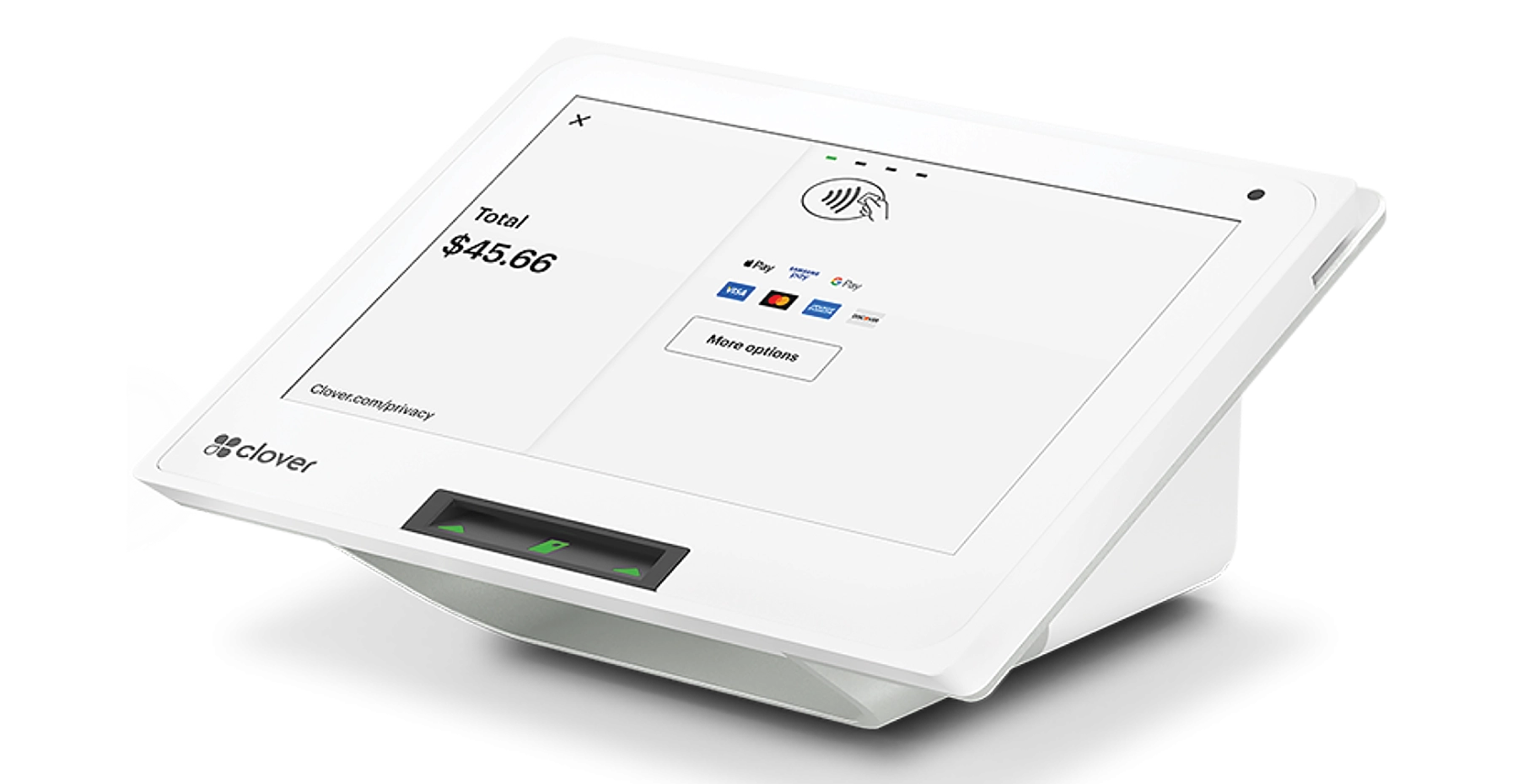
Today’s food trucks are heavily dependent on modern mobile payment processing solutions – and that’s a good thing! Woe to the food truck that only accepts cash these days, because modern POS systems like Clover Flex vastly increase the number of potential clients, while making it much more convenient to order and to track orders. Clover’s Food on a Truck app is agood example: It allows for location scheduling, automatic social media connects, in-depth sales tracking, and options for both digital and printed receipts. And it can be used on a Clover Duo, Clover Mini or Clover Mobile. Not only does this make running a full-time food truck much easier, but it also provides an affordable option when upgrading to a brick and mortar business. Food truck vendors can use their website to let customers find, book, and join events, and sharing with friends is easy. Such cloud-based POS solutions can be used for in-house business as well, saving even more money. Food trucks have become hip and have literally transformed the street food scene, with new food truck trends defining who wins in 2026, making it easy for customers to grab a quick bite, relax, and enjoy the finish of a catered event. The industry has evolved over months and years, with food trucks and carts carving a unique path in foodservice, turning ideas into successful businesses. Food trucks must prepare to meet local regulations, and associations help protect vendors’ rights, ensuring a thriving and innovative street food culture.
Introduction to the Concept
The food truck industry has seen remarkable growth over the past few years, transforming the way people experience food in cities across the country. For many entrepreneurs, starting a food truck business is an exciting way to bring their culinary vision to life and connect with the community. Food trucks offer a flexible platform to serve a wide variety of dishes, from classic burgers and sandwiches to bold flavors like tacos and even specialty items such as lobster rolls. Whether you’re craving a quick bite on your lunch break or looking to explore new tastes at a local event, it’s easier than ever to find food trucks that cater to every palate. In places like Florida, food trucks have become a beloved part of the local food scene, offering customers a chance to try something new and support small businesses. With so many options, powerful Clover POS restaurant apps, and the ability to start small, it’s no wonder the food truck industry continues to attract passionate food lovers and entrepreneurs alike.
Benefits for Restaurant Owners
For restaurant owners, launching a food truck business opens up a world of opportunity beyond the walls of a single location. Food trucks allow you to take your brand on the road, reaching customers at events, festivals, and popular city spots where foot traffic is high. With lower overhead costs compared to traditional restaurants, food trucks make it possible to experiment with new menu items and concepts without a major financial commitment. They also provide a valuable way to cater private events and parties, and mobile-friendly tools like the Clover Flex handheld POS system add a new revenue stream to your business. Thanks to food truck finder platforms and online maps, customers can easily find and visit your truck, whether you’re parked in one location or moving around the city. By embracing the mobility and flexibility of food trucks, restaurant owners can grow their customer base, increase brand visibility, and create memorable dining experiences wherever they go.
Finding Success as a Food Truck Owner
Achieving success as a food truck owner starts with careful planning and a clear vision. It’s important to research your local market, understand what customers are looking for, and develop a unique concept that sets your truck apart from the rest. Whether you’re serving up juicy burgers, crispy chicken, fresh coffee, or homemade pies, focusing on quality and consistency is key. Food truck owners must be ready to handle the fast-paced nature of the business, from cooking and serving to managing inventory and engaging with the community. Building strong relationships with customers and becoming a familiar face at local events can help create a loyal following. Ultimately, the most successful food trucks are those that deliver great food, friendly service, and a sense of community—making every visit a memorable experience that keeps people coming back for more.
Marketing and Branding Strategies
Standing out in the food truck industry requires more than just delicious food—it’s all about building a brand that customers remember and recommend, and tools like a Clover self-service kiosk can reinforce that experience. Food truck owners can boost their visibility by creating a strong social media presence, sharing mouthwatering photos, and keeping followers updated on upcoming events and daily locations. Eye-catching truck designs, logos, and menus help attract attention and make a lasting impression. Partnering with local businesses, offering catering for special events, and participating in festivals are great ways to connect with the community and expand your reach. Online platforms and review sites make it easy for customers to find and support their favorite food trucks, while positive reviews and word-of-mouth recommendations can drive new business. By investing in marketing and building a reputation for quality and service, food truck owners can thrive in a competitive market and become a beloved part of the local food scene.
Need a POS built for your type of business?
VMS configures your system around how your industry actually operates — menus, inventory, appointments, whatever you run on.
Or call our team: 888-902-6227
Operational Efficiency and Management
Running a successful food truck business means staying organized and efficient every step of the way. Food truck owners need to manage inventory carefully, schedule staff effectively, and keep equipment in top shape to ensure smooth operations. Staying compliant with local health and safety regulations is essential, and using technology like point-of-sale systems and inventory management software can help streamline daily tasks. By focusing on operational efficiency, food truck owners can reduce labor costs, improve profitability, and deliver a better experience for their customers. Whether you’re operating a single truck, serving farmers markets with a portable POS system for vendors, or managing a growing fleet, creating systems that handle the unique demands of the food truck industry is key to long-term success. With the right approach, you can build a business that’s ready to serve, adapt, and grow—no matter where the road takes you.
Have questions about a POS for your business?
Fill out the form below and a VMS payment specialist will contact you shortly.