

by Jackie Navarrete
In a world where people order their groceries in their pajamas and buy birthday gifts from their phones in between TikTok scrolls, one thing is crystal clear: if your small business isn’t online yet, you’re leaving serious money on the table.
In 2025, e-commerce is no longer a “nice to have”—it’s a “need it yesterday” situation.
Let’s break down why it matters, what it can do for you, and how to get it rolling without tech headaches or budget meltdowns.

Why You Should Have an E-Commerce Setup
1. Your Customers Are Already Online
Whether it’s a Gen Zer browsing on their phone or a Boomer shopping from their laptop, customers expect to be able to check out your business online—and not just read about it. They want to buy from you, right now, without having to call, visit, or email.
-
In 2025, global e-commerce sales are expected to hit $6.86 trillion.
-
Over 59% of all e-commerce transactions happen on mobile.
-
53% of U.S. consumers shop directly on social media every week.
If you’re not there, they’re going to your competitor who is.
2. 24/7 Sales (Even While You Sleep)
Your website doesn’t need lunch breaks. It doesn’t take holidays off. Once your e-commerce store is live, it can sell while you’re working, relaxing, or dreaming about becoming the next big thing.
3. More Reach, Less Rent
Brick-and-mortar is great—but e-commerce doesn’t care about your zip code. Whether you’re in a tiny town or a big city, the internet gives you access to buyers across the country (or globe). That’s growth potential without paying for more square footage.
4. Valuable Customer Data
Online selling gives you insight into:
-
Who your customers are
-
What they’re buying
-
How often they come back
This is gold when you want to fine-tune your offers, run promotions, or improve customer retention.
5. Compete Like a Big Brand Without a Big Budget
Thanks to user-friendly platforms, automation tools, and affordable marketing options (hello, TikTok!), small businesses can now look and sell like big brands—without needing an Amazon-sized budget.
How to Set Up an E-Commerce Store (Even If You’re Not Techy)
Step 1: Pick a Platform That Makes Your Life Easy
Some popular platforms for small businesses:
-
Shopify – Easiest to launch, all-in-one, great for physical products.
-
Wix eCommerce – Easy to use, customizable designs.
-
Squarespace – Sleek, modern, and perfect for product-driven brands.
-
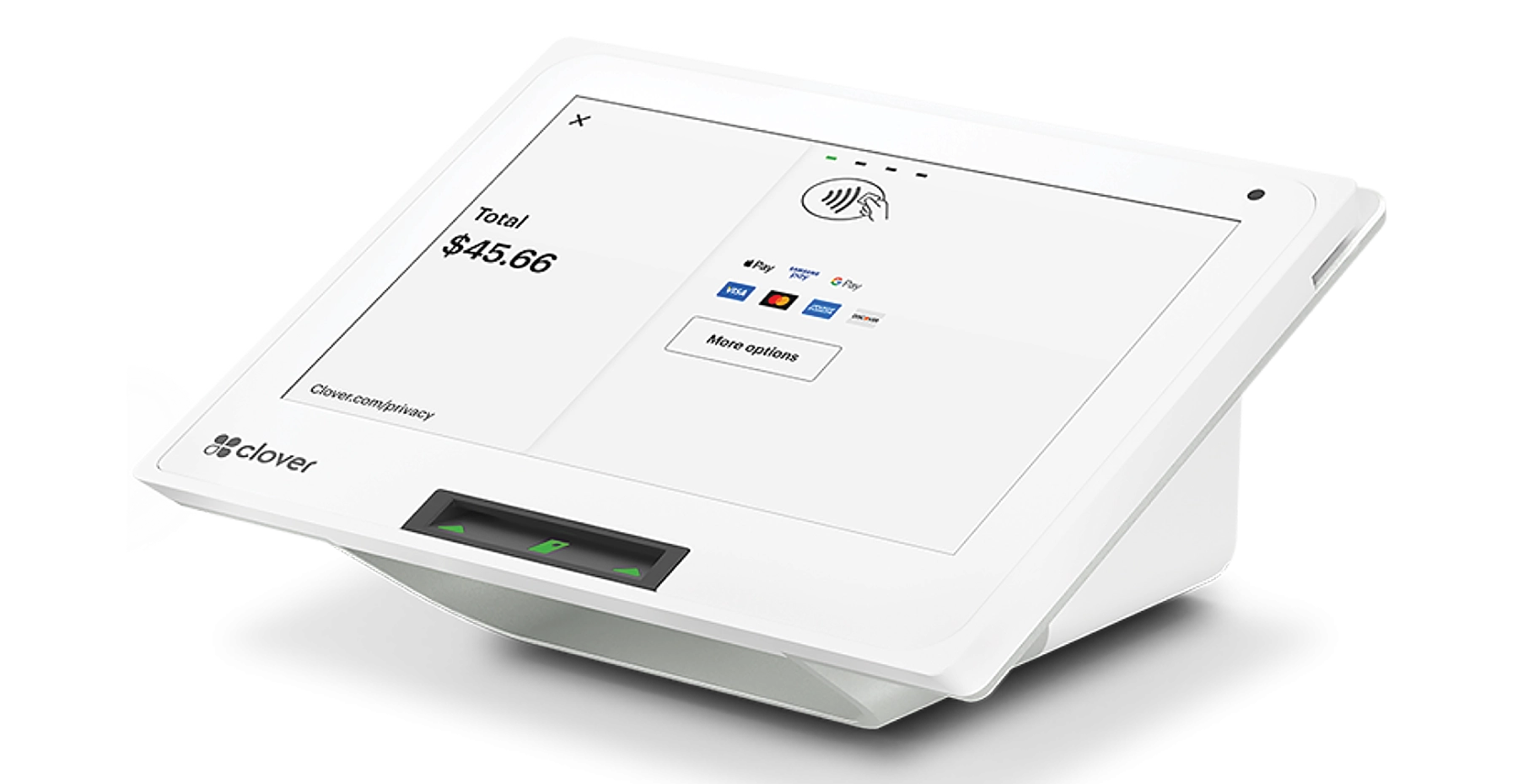
Clover POS + Online Store – Already processing in-store? Clover lets you sync inventory across your physical and digital shop in one place.
Tip: Start with what integrates with your payment processor and POS—less chaos, more cash flow.
Step 2: List Your Products (or Services) Like a Pro
No need for Shakespearean copy. Just make it:
-
Clear
-
Accurate
-
Optimized for keywords (think: “custom leather wallet” not just “wallet”)
Pro tip: Use tools like Shopify Magic or ChatGPT (hey ) to generate your product descriptions in seconds.
Step 3: Add Payment Options Your Customers Love
In 2025, it’s all about convenience. You should offer:
-
Credit/debit cards
-
Digital wallets (Apple Pay, Google Pay)
-
Buy Now Pay Later (like Klarna or Affirm)
-
EBT (if you’re selling eligible food items)
Bonus: Cash Discount programs can help you save on processing fees too.
Step 4: Make It Mobile-Friendly
Most online shopping is done on phones. Your site has to look good and function smoothly on mobile. If it doesn’t, 60% of visitors will bounce faster than a bad check.
Step 5: Promote Like You Mean It
Post your products everywhere your customers hang out:
-
Instagram Shops
-
Facebook Marketplace
-
TikTok Shopping
-
Google Shopping
Run a small ad budget. Use hashtags. Post customer reviews. Engage. If you build it and market it, they will come.
Bonus: Tips for Staying Safe and Smart
-
Use SSL certificates to protect customer data.
-
Update your site regularly.
-
Avoid sketchy plug-ins or cheap themes that can be hacked.
-
Collect emails with pop-ups (but don’t be annoying about it).
-
Always, always, always back up your site.
Real Talk: Is It Worth the Work?
Let’s be honest—yes, there’s a learning curve. But once your e-commerce setup is live, it can become the most efficient employee you’ve ever hired.
Need more incentive? Here’s what’s happening this year:
-
AI is doing the heavy lifting for product descriptions, customer service, and marketing.
-
Subscription sales are booming—hello recurring revenue.
-
Digital wallets are the norm, not a novelty.
-
Voice search and AR are becoming mainstream (so shoppers can say “buy dog food” and see how your couch looks in their living room).
This Is Your Year
The days of needing a big office or a fancy storefront are over. In 2025, a successful business can run from a laptop and a dream.
Getting your e-commerce setup running isn’t just a smart move—it’s a survival strategy. And with tools getting easier, cheaper, and smarter, there’s never been a better time to get online.
So, what are you waiting for? Your future customers are already shopping. They’re just waiting to click “Add to Cart” on you.