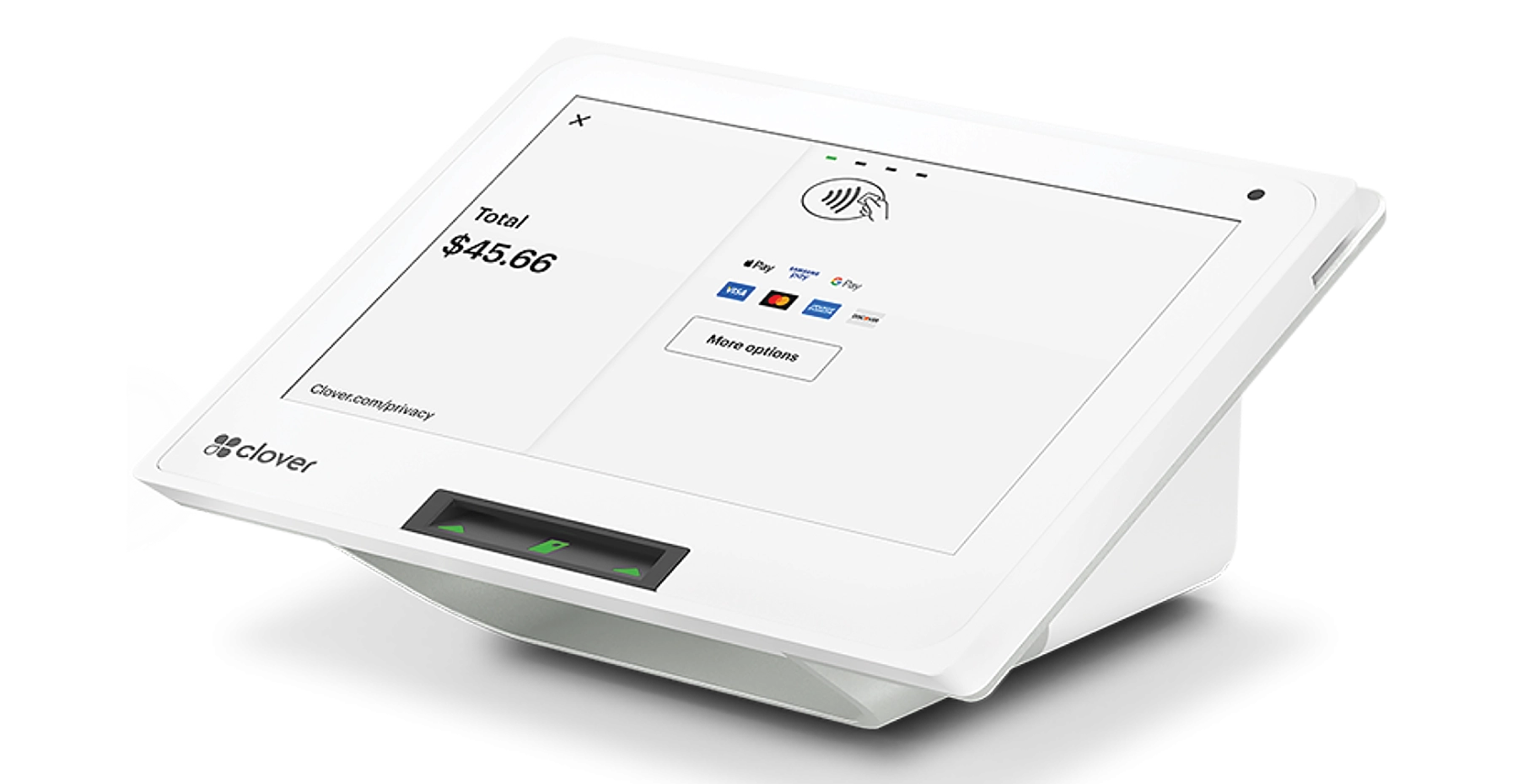


Running a tattoo studio in 2026 means managing more than just ink and needles. Between consent forms, booking calendars, payment processing, and client records, the administrative load can eat into the hours you’d rather spend on actual tattooing. The good news? Clover’s App Market now offers specialized tools that handle these tasks directly from the same device you use to ring up sales.
This guide focuses on real tattoo software available in the Clover ecosystem—not generic design apps—and shows you how to build an efficient workflow around platforms like Waiver Master and other Clover-integrated solutions.
Key Takeaways
-
Clover App Market apps like Waiver Master handle consent forms, payments, scheduling, and client records from a single POS system
-
Digital waivers and consent management are now legally critical in regulated states, and cloud-based storage simplifies compliance
-
Comprehensive tattoo studio management solutions can reduce manual administrative workload by up to 41.2%
-
Studios that combine 2-4 Clover apps (waivers, booking, CRM, inventory) create workflows that handle walk-ins, repeat clients, aftercare sales, and deposits efficiently
-
Integrated systems provide unified data on which artists, styles, and days drive the most revenue
What Is “Tattoo Software” in 2026?
Tattoo software isn’t just about drawing apps anymore. For modern studios, it encompasses the full stack of booking, waiver, POS, CRM, and marketing tools used at the front desk daily. While digital tools have become a standard part of the tattoo design process—enhancing creativity and efficiency for artists—this article focuses on operational software that keeps your business running smoothly.
For design work, platforms like Procreate remain popular iPad apps for tattoo design, featuring simple interfaces, customizable brushes, and advanced layering systems ideal for creating professional tattoos. Adobe Photoshop serves artists working in realism styles with extensive features for detailed customization and photo manipulation. Apps like Magic Poser offer augmented reality for creating 3D human figures as design references, while MediBang Paint Pro provides free sketching with various brush options and tattoo fonts. InkHunter uses augmented reality to let clients preview how tattoos will look before inking.
But here’s the distinction: tattoo software includes two main categories—design software for creating artwork and studio management software for administrative planning. Many US and Canadian shops now build their workflow around Clover POS hardware (Station, Mini, Flex) and add Clover App Market apps for tattoo-specific needs like digital consent forms, appointment management, deposits, inventory tracking, and client profiles with photos.
Why Clover-Based Apps Make Sense for Tattoo Studios
Since around 2022, Clover has grown substantially in tattoo and piercing shops. The appeal is straightforward: an app marketplace lets owners customize their setup without switching entire systems.
Here’s what makes this approach work:
-
Unified devices: Booking, waivers, payments, and reporting live on the same hardware artists already use for transactions
-
No juggling systems: You avoid separate tablets for consent forms, standalone card terminals, and disconnected calendars
-
Integrated data: Sales, visits, deposits, and add-on services flow into reports showing which artists, styles, and days drive revenue
-
Scalable: Add apps as your needs grow rather than replacing everything
Tattoo studio management software helps automate and improve processes for booking, scheduling, customer communication, staff management, marketing, inventory management, and payments. Consider a single-location studio that switched from paper forms and a standalone payment terminal to Clover plus apps in 2025—they eliminated the filing cabinet, reduced check-in time, and gained visibility into which flash sheets actually sell.
Core Tattoo Software Categories in the Clover App Market
Before diving into specific tools, here’s a quick map of the categories you’ll encounter:
|
Category |
What It Handles |
Example Tasks |
|---|---|---|
|
Digital Waivers/Consent |
Liability forms, health questionnaires |
ID verification, allergy documentation |
|
Booking & Scheduling |
Appointments, consultations, deposits |
Online booking, artist calendars, reminders |
|
POS & Payments |
Transactions, tips, deposits applied |
Card payments, cash, aftercare sales |
|
CRM & Marketing |
Client history, follow-ups, campaigns |
Touch-up reminders, birthday promos |
|
Inventory & Aftercare |
Supplies, retail products |
Low-stock alerts, reordering |
|
Most tattoo shops end up combining 2-4 apps from these categories for a complete workflow rather than relying on a single monolithic platform. These platforms automate the administrative side of the business—appointment scheduling, deposit collection, and digital consent forms all happen without manual paperwork. |
|
|
For tattoo artists, software needs generally fall into two categories: design and stencil creation for the artwork itself, and studio management for handling clients, bookings, and payments. The Clover ecosystem addresses the second category directly.
Digital Waivers & Consent: Waiver Master on Clover
Signed consent and health questionnaires are legally critical in tattooing, especially in regulated states like California, Texas, and New York. Paper waivers get lost, signatures fade, and pulling records for a health department inspection becomes a nightmare.
Waiver Master (often listed as “WaiverMaster – Digital Waivers” in the Clover App Market) is a dedicated digital waiver platform that integrates directly with Clover POS. Digital consent forms replace paper waivers with secure, searchable digital records.
Key capabilities for tattoo shops include:
-
Customizable tattoo and piercing consent forms
-
Health questionnaires with allergy and medical history sections
-
Minors and parental consent templates
-
ID upload and verification
-
Time stamp, location, and signature data stored securely
The workflow is simple: clients sign on a Clover device at check-in or on their own phone via a secure link sent beforehand. Waiver Master links these records to Clover customer profiles, so staff can see past forms, IDs, and notes before every new session or touch-up.
Digital waivers simplify compliance. Forms are never “lost,” date ranges are searchable, and studios can export records quickly if regulators ask. For busy flash days, allowing clients to pre-sign from home reduces lobby congestion and keeps the line moving.
Booking, Calendars, and Deposits on Clover
Most tattoo shops juggle advance appointments, consultations, and same-day walk-ins. A solid booking system keeps this chaos organized.
Clover App Market offers multiple appointment and scheduling apps that sit alongside Waiver Master. Many tattoo studio management systems offer features like automated reminders, online booking, and integrated payment solutions to enhance client experience and reduce no-shows.
Common needs these apps address:
-
Taking non-refundable deposits through Clover during booking
-
Assigning bookings to individual artists or booths
-
Blocking time for big projects like sleeves or back pieces
-
Sending automated confirmations and SMS reminders
-
Handling last minute cancellations with clear policies
Here’s a typical scenario: A client discovers your studio on Instagram, taps a “Book Now” link, lands on an app-powered booking page tied to Clover, pays a deposit, and receives automated email confirmation. On arrival, they sign a Waiver Master form on the Clover device. No double bookings, no miscommunication about start times, no prep confusion.
The calendar syncs with artist schedules, showing availability for new clients while blocking personal time. Some apps include hosted booking pages that work as simple websites or embed into your existing site.
POS, Payments, and Aftercare Sales with Clover
By 2026, clients expect tap-to-pay, Apple Pay, Google Pay, and flexible payment options—even in small tattoo shops. Clover’s native POS features let studios ring up tattoos, jewelry, aftercare products, and merch in one itemized ticket.
Here’s how payment workflows typically function:
-
Deposits collected during booking apply to the final invoice automatically
-
Taxes calculate correctly across different service and product categories
-
Tips split between artists where configured
-
Cash and card transactions record in the same system
Inventory tracking monitors supplies like needles, inks, and aftercare products, often providing low-stock alerts. You’ll know when you’re running low on specific ink colors or popular aftercare kits before you’re completely out.
Detailed transaction data by item, artist, and time period reveals which flash designs actually sell, which jewelry lines move, and which aftercare products sit on shelves. This visibility helps owners make smarter purchasing decisions and identify what clients coming in actually want to buy.
Client Management, Photos, and Marketing Automation
Clover App Market includes CRM-style tools that store client history, preferences, and communication logs. Combining Waiver Master records with Clover customer profiles creates a consolidated view: previous designs, healed photo check-ins, allergies, and aftercare purchases all in one place.
Powerful tools for client management include:
-
Storing reference images and design approvals in client profiles
-
Tracking which artists work with specific clients
-
Recording notes about preferences, skin reactions, or style interests
-
Viewing complete purchase history
Some Clover apps send automated follow-ups:
-
Aftercare instructions and reminders 24-48 hours after a session
-
Touch-up reminders at 4-6 weeks
-
Birthday or anniversary promotions
Email and SMS campaigns triggered from Clover data (total spend, last visit, preferred artist) help fill slower days without spamming your entire client base. For example, a shop might send a targeted campaign about a spring flash event only to healed clients from the past 18 months—people who are actually ready for new ink.
Evaluating Tattoo Software in the Clover App Market
The App Market is crowded. Tattoo owners should choose apps that update regularly and have reviews from similar businesses.
Evaluation criteria to consider:
|
Factor |
What to Check |
|---|---|
|
Privacy/Security |
HIPAA awareness, data encryption, access controls |
|
Data Export |
Can you export records if you switch systems? |
|
Support |
Response times, availability during your hours |
|
Integration Depth |
How well does it sync with Clover data? |
|
Training |
How long to onboard new artists? |
|
Pricing |
Per-device, subscription, or volume-based? |
|
Test how apps handle high-volume events like Friday the 13th flash days or guest-artist weeks. A system that works on slow weekdays might choke when 50 people want to book simultaneously. |
|
For digital waiver apps, look for platforms like Waiver Master that allow unlimited signatures and support multi-location setups. A free app with hidden fees per signature can get expensive fast.
Setting Up a Clover-Centered Workflow for Your Tattoo Shop
Here’s a practical checklist for implementation:
-
Choose Clover hardware: Flex for mobile consultations, Mini or Station at the front desk
-
Install Waiver Master: Set up digital waivers before anything else—compliance first
-
Design tattoo-specific forms: Include local health department questions and studio-specific aftercare acknowledgments
-
Add booking app: Connect online booking to your Instagram and Google Business Profile
-
Configure CRM: Import existing client data, set up automated reminders
-
Set up inventory tracking: Add needle cartridges, inks, ointments, and retail items
-
Run a mock day: Test the full flow from online booking to deposit to in-shop waiver signing to payment to aftercare follow-up
-
Train your team: Schedule a 1-2 hour session for experienced artists on checking waivers, notes, and bookings directly on Clover devices
Keep printed quick-start guides near the front desk for the first few weeks. Even experienced tattoo artists need time to adapt to new features.
Compliance, Record Keeping, and Data Security
Tattoo regulations in 2026 increasingly expect clean digital records that can be produced on request. Apps like Waiver Master and other Clover App Market tools help with retention policies, searchable consent histories, and secure storage with encryption and access controls.
Best practices for your studio:
-
Set rules on who can view old waivers, medical declarations, and ID scans
-
Ensure every Clover user has their own login with appropriate permissions
-
Schedule regular backups and exports where supported
-
Verify how data is stored, for how long, and how to handle deletion requests from clients
Using digital design tools allows tattoo artists to experiment with different elements, such as color and shading, more easily than traditional methods—but the same principle applies to records. Digital tools can significantly reduce the time spent on administrative tasks, allowing artists to focus more on creativity and less on manual processes like filing and searching paper records.
Studios shouldn’t be solely dependent on one vendor if ownership or systems change. Data export options matter.
Future Trends: Where Tattoo Software on Clover Is Heading
By late 2026-2027, expect Clover apps to add AI powered tools for smarter upsell suggestions and better mobile experiences for walk-in traffic. Tattoo design apps already feature predictive stroke technology to produce smoother, more professional lines; similar AI helpers will likely appear in studio management.
Likely improvements include:
-
Automatic tagging of waiver notes (e.g., allergy to lidocaine)
-
Predictive booking suggestions for multi-session pieces
-
Richer photo galleries in client profiles showing healed work
-
Tighter integrations between Waiver Master, booking apps, and CRM tools
Key benefits of tattoo design software already include rapid revisions, enhanced accuracy, specialized brushes for different styles from fine line to neo traditional, and the ability to test placement and size before inking. Tattoo software enables artists to create, edit, and visualize custom designs on digital body models, improving precision and client satisfaction. Studio management software will follow suit with similar efficiency gains.
Studios that adopt integrated Clover-based systems earlier in the decade will find it easier to layer on new features as they appear in the App Market. Digital tools can automatically convert a drawing into a clean line-art stencil, ensuring precise proportions and saving hours of hand-tracing—operational software will continue evolving to save time on the business side too.
Need a POS built for your type of business?
VMS configures your system around how your industry actually operates — menus, inventory, appointments, whatever you run on.
Or call our team: 888-902-6227
FAQ
Is Waiver Master only for big studios, or does it work for solo tattoo artists too?
Waiver Master works for single-artist setups and multi-booth studios alike. Pricing and usage are based on digital forms rather than location size. Even a one-person shop benefits from searchable digital waivers, saved signatures, and quick access to client history directly from the Clover device. You don’t need a new studio with multiple locations to justify the investment.
Can clients sign tattoo waivers on their own phones, or do they have to use our Clover device?
Most modern waiver apps on Clover, including Waiver Master, support both in-store signing on the Clover screen and remote signing via secure links on a client’s phone. Allowing pre-signing from home speeds up check-in and is especially useful for busy weekend sessions or flash events. First timers can complete forms at their own pace without holding up the line.
What happens to my tattoo waivers and data if I switch Clover devices or open a second location?
Digital waivers and client records are stored in the waiver provider’s cloud account, so they remain accessible when hardware changes as long as the account stays active. Multi-location studios can usually view forms per location while keeping a unified view of a client’s tattoo history across all branches. Your piercing business records stay intact too.
Do Clover apps replace the need for a separate tattoo booking website?
Many Clover scheduling apps include hosted booking pages that work as simple websites or link directly from Instagram, Facebook, and Google Business Profiles. Some studios still prefer a custom website for branding and showcasing tattoo ideas, tattoo designs, and artist portfolios—similar to how salon POS software designed for hairdressers supports service-based businesses—but they embed Clover-powered booking and waiver flows to avoid managing separate systems. This keeps everyone on the same page.
Can Clover-based tattoo software handle piercings as well?
Most tattoo workflows on Clover, including Waiver Master and booking apps, can be configured for both tattoos and piercings with separate consent forms and service lists. Create distinct intake questions, aftercare instructions, and pricing categories for piercing services inside the same software stack. This is a game changer for combination shops that don’t want to maintain parallel systems.
Have questions about a POS for your business?
Fill out the form below and a VMS payment specialist will contact you shortly.