

by Ivan Carmona
TL;DR
As a new business owner, before you open your new business, you need more than just passion – you need preparation. This checklist covers ten essentials every new business owner should complete: research your market, write a solid business plan, secure funding, register legally, set up accounting, choose a location, build your team, get insurance, plan your marketing, and implement technology like POS systems. With the right foundation in place, you’ll avoid costly missteps and start strong.
The Excitement (and Reality) of Opening a Business
There’s nothing like the thrill of seeing your vision come to life—your logo on the window, your shelves stocked, your website live. But before customers walk through the door, the groundwork you lay can make or break your success. Too many entrepreneurs rush to open without a clear plan, and while enthusiasm is powerful, it isn’t enough on its own.
That’s where a new business owner checklist comes in. Think of it as your playbook—a series of essential steps that help you reduce risk, stay compliant, and prepare for growth.
1. Research Your Market
Every strong business starts with knowing your audience. Ask yourself:
- Who is my target customer?
- What problem am I solving for them?
- How are competitors currently meeting that need?
Use surveys, social media listening, and competitor analysis to gather insights. For example, if you’re opening a coffee shop, research how many coffee spots already exist nearby, what their average prices are, and what customers complain about in online reviews.
Market research is the difference between assuming people want your product and knowing they will pay for it.

2. Write a Solid Business Plan
Your business plan is more than a document – it’s your roadmap. At a minimum, it should include:
- Executive Summary – Who you are and what your business does.
- Market Analysis – Data from your research.
- Operations Plan – How the business will run day-to-day.
- Marketing Strategy – How you’ll reach customers.
- Financial Projections – Forecasts for expenses, revenue, and profits.
Investors, banks, and even potential partners will want to see this before they work with you. More importantly, it helps you stay focused when the chaos of opening week hits.
3. Secure Funding
Even lean startups need capital. Common funding options include:
- Personal savings – Bootstrapping gives you full control.
- Small business loans – Banks and credit unions often have starter programs.
- Investors – Angel investors or venture capital, depending on your growth goals.
- Grants – Certain industries (like agriculture or tech) qualify for grants.
Don’t forget to budget beyond the obvious expenses. Rent and supplies are just the start—you’ll also face permit fees, marketing costs, and payroll.
4. Register Your Business Legally
Before you sell a single product, make sure your business is compliant. Key steps:
- Choose your business structure (LLC, sole proprietorship, corporation).
- Register your business name.
- Apply for an Employer Identification Number (EIN).
- Get the licenses and permits your city or state requires.
Skipping this step can lead to hefty fines—or worse, being forced to shut down temporarily.
5. Set Up Accounting & Banking
Financial organization isn’t glamorous, but it’s essential. Open a separate business bank account to keep personal and professional expenses apart for new business owners. Then, decide on an accounting system:
- DIY software like Quickbooks or Freshbooks
- Hiring an accountant for more complex businesses
This also makes tax season much smoother and helps you track cash flow accurately.
6. Choose the Right Location
“Location, location, location” isn’t just a cliché—it’s a survival strategy. Whether you’re opening a retail shop, restaurant, or office, your space should balance:
- Visibility (foot traffic or online presence).
- Affordability (rent shouldn’t eat all your profits).
- Accessibility (parking, public transport, delivery options).
Don’t just sign the first lease that feels exciting. Negotiate terms and understand the full cost of utilities, maintenance, and insurance before committing.

7. Build Your Team
Hiring the right people early makes a massive difference. Even if you’re starting small, think ahead about:
- Customer service staff.
- Marketing or sales help.
- Bookkeeping or administrative support.
Your team doesn’t have to be large, but they should share your vision and values. A motivated staff not only helps operations run smoothly but also builds a brand reputation customers trust.
8. Get Business Insurance
Many new business owners overlook insurance until it’s too late. Depending on your industry, consider:
- General liability insurance.
- Property insurance.
- Workers’ compensation.
- Professional liability (if offering services).
Insurance may feel like a “nice to have,” but it protects you from accidents, lawsuits, and disasters that could otherwise wipe out your investment. It’s an essential for new business owners.
9. Plan Your Marketing
If you build it, they won’t necessarily come. Customers need to know you exist—and why they should choose you.
- Branding – Create a consistent logo, colors, and message.
- Website – Even local shops benefit from an online presence.
- Social Media – Pick the platforms your audience uses.
- Email Marketing – Build a list before you open so you can announce launch day.
Start generating buzz at least 30–60 days before you open. Tease your progress on Instagram, run a countdown, or host a soft opening to get word of mouth going.

10. Set Up the Right Technology
Today’s businesses run on more than passion—they run on systems. Point-of-sale (POS) technology, online ordering, and inventory management aren’t optional. They keep your business running efficiently, ensure smooth customer experiences, and give you data to make smarter decisions.
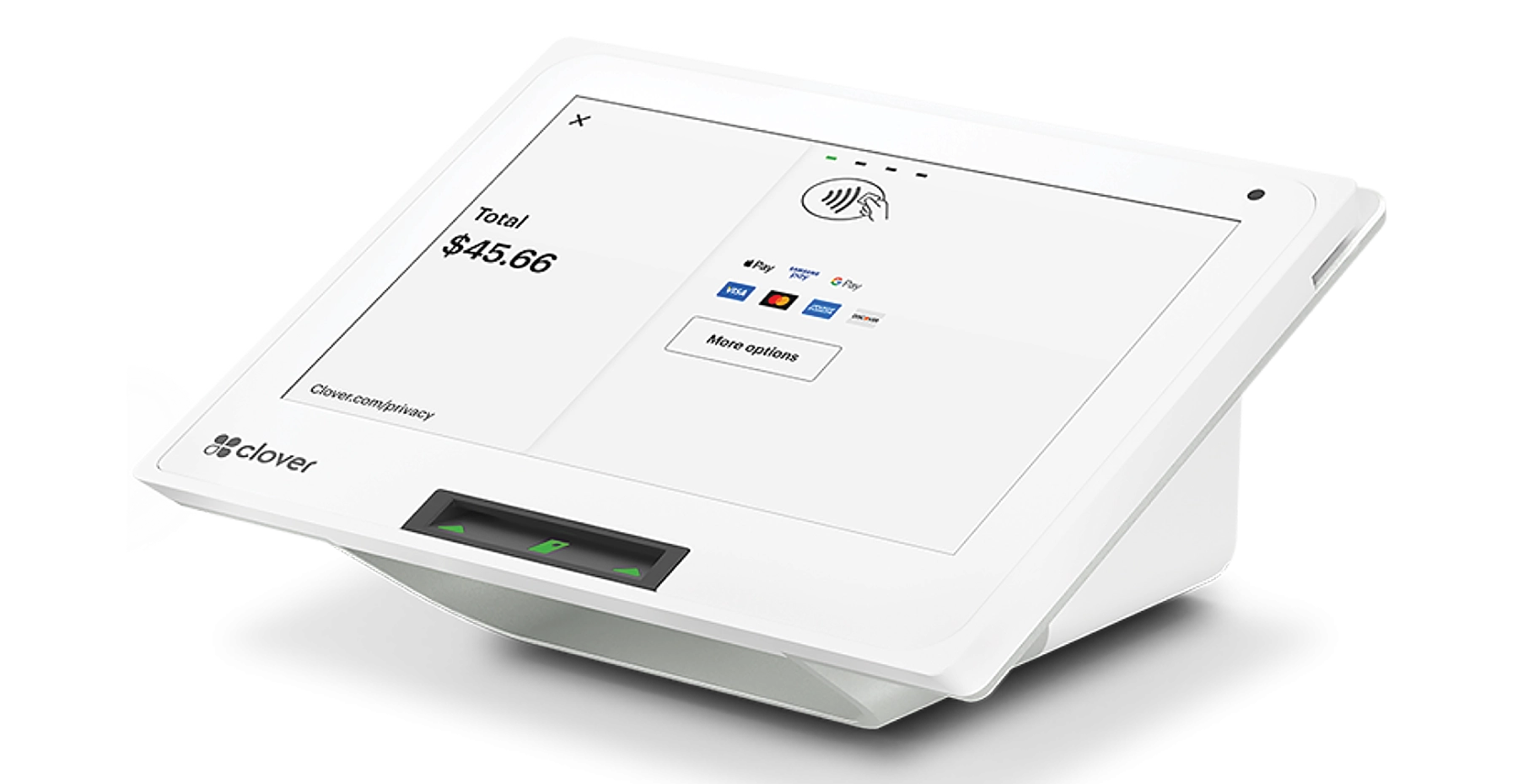
Solutions like Clover POS can help new business owners:
- Accept credit cards, debit, EBT, and contactless payments.
- Track inventory in real time.
- Run loyalty programs and gift card promotions.
- Offer online ordering integration for restaurants and retail.
Partnering with a trusted provider like Velocity Merchant Services (VMS) ensures your tech is tailored to your business type, whether that’s a retail shop, gas station, salon, or restaurant.
New Business Owners Essentials Checklist

Conclusion: Start Strong, Stay Strong
Opening your doors is just the beginning—but the preparation you do before launch sets the stage for success. By following this new business checklist, new business owners can avoid costly oversights, establish credibility with customers, and build a foundation that supports long-term growth.
At Velocity Merchant Services, we’ve been helping small businesses thrive for over 26 years. From Clover POS systems, cash discount programs, and EBT payment acceptance to loyalty solutions and online ordering tools, we provide the support and technology that make launching easier for new business owners.

Want a payments partner that picks up the phone?
VMS works with independent business owners nationwide — real support, transparent pricing, and no long-term contracts.
Or call our team: 888-902-6227
Let Us Set Your Business Up
At Velocity Merchant Services, we believe in small business — and we believe you shouldn’t get blindsided by fees, tech costs, or confusing payment setups. Whether you’re opening your first shop or expanding to your third, we’ll help you budget smarter and set up a POS system that pays for itself.
Ready to get started? Talk to us today.
Your entrepreneurial dream deserves the best chance to succeed. With preparation, smart tools, and the right partner, your grand opening won’t just be exciting—it will be profitable.
For more insights like this, keep up with the VMS blog—where small business meets big tech without the fluff.
Have questions about payments for your business?
Fill out the form below and a VMS payment specialist will contact you shortly.