

by Jackie Navarrete
Chargeback fraud is spiraling out of control—and small businesses are staring down the barrel. According to a new warning from Mastercard, merchants across the U.S. are projected to lose $15 billion to chargeback fraud in 2025 alone.
And if you think that’s just a big business problem—think again. Nearly half of that number is expected to come from “friendly fraud,” the most deceptive and hardest-to-fight kind. For small businesses already dealing with tight margins, labor shortages, and rising costs, this trend could spell disaster.
It’s a storm brewing in plain sight—and most small businesses aren’t ready.

What Exactly Is Chargeback Fraud?
Chargebacks are supposed to be a safety feature. If a customer’s credit card is stolen or they never receive a product they ordered, they can file a chargeback with their bank and get their money back. But here’s the twist: fraudsters—and sometimes regular customers—have found ways to game the system.
This leads to what the industry now calls “friendly fraud.”
The Friendly Fraud Problem
Friendly fraud sounds innocent, but it’s anything but. It happens when customers intentionally dispute a real purchase, claiming the product didn’t arrive, wasn’t authorized, or wasn’t as described—when in reality, everything was fine.
Mastercard’s research shows friendly fraud is growing faster than any other type of chargeback, and online purchases are the main target. Why? Because proving someone got what they ordered when they’re not standing in front of you is much harder than you’d think.
Why Small Businesses Are Taking the Hit
Small business owners are often caught off guard. Many aren’t aware they can fight chargebacks—or don’t have the time, tools, or documentation to win a dispute. Unlike major retailers, who have departments dedicated to fraud prevention, small business owners are left to fend for themselves.
And the damage isn’t just about lost revenue. Each chargeback comes with:
-
Non-refundable transaction fees
-
Lost merchandise or services
-
Chargeback penalties from processors
-
Account risk (too many chargebacks can lead to account freezes or bans)
A single chargeback might cost a business $100 or more, even if the original transaction was only $20.
If your business gets too many of these? You could lose your ability to accept credit cards at all.
Mastercard Sounds the Alarm
In its 2025 fraud forecast, Mastercard emphasized the urgency of cracking down on chargebacks—especially as e-commerce continues to boom and mobile payments become standard. While major enterprises are boosting their defenses with AI tools and anti-fraud platforms, small and mid-sized businesses remain painfully vulnerable.
Friendly fraud is expected to cost businesses over $7 billion in 2025 alone. That’s just one slice of the $15 billion pie.
“We’re seeing a perfect storm,” a Mastercard spokesperson noted. “A rise in digital transactions, delayed merchant responses, and an increase in first-party fraud are all contributing to the spike.”
The Root Causes of the Spike
1. Increased Online Shopping
Post-pandemic shopping habits aren’t slowing down. More people are ordering online, using mobile wallets, and expecting near-instant delivery. That opens the door for more disputes—some legit, some not.
2. Confusing Billing Descriptions
Ever see a charge on your bank statement and think, “What the heck is this?” If a customer doesn’t recognize your business name on their statement, they might file a chargeback—even if the purchase was 100% legit.
3. Lack of Awareness
Many small businesses don’t know they can fight back, or don’t know how. They assume the bank will side with them, but the truth is, banks almost always side with the customer unless you’ve got proof.
So, What Can Small Businesses Do?
You can’t stop chargeback fraud entirely—but you can get smarter about how you handle it. Here’s how to reduce your risk and protect your hard-earned revenue:
Use Clear Billing Descriptors
Make sure the name that shows up on your customer’s bank statement matches your store or brand name. If you’re “Joe’s Pizza” but the charge says “JP Holdings LLC,” you’re asking for a dispute.
Provide Detailed Receipts
Always send email or SMS confirmations that include what was ordered, the cost, the delivery date, and any refund policy. This gives you evidence if a customer tries to claim they didn’t authorize a purchase.
Track Everything
Shipping with a tracking number isn’t just smart—it’s essential. Require signatures for high-value items. If you can prove an item was delivered, you’ve got a stronger case.
Respond Quickly
Once a chargeback hits, the clock starts ticking. Most processors give you only 7–14 days to respond. Have a process in place so you can act fast and submit documentation on time.
Use a Smart POS System
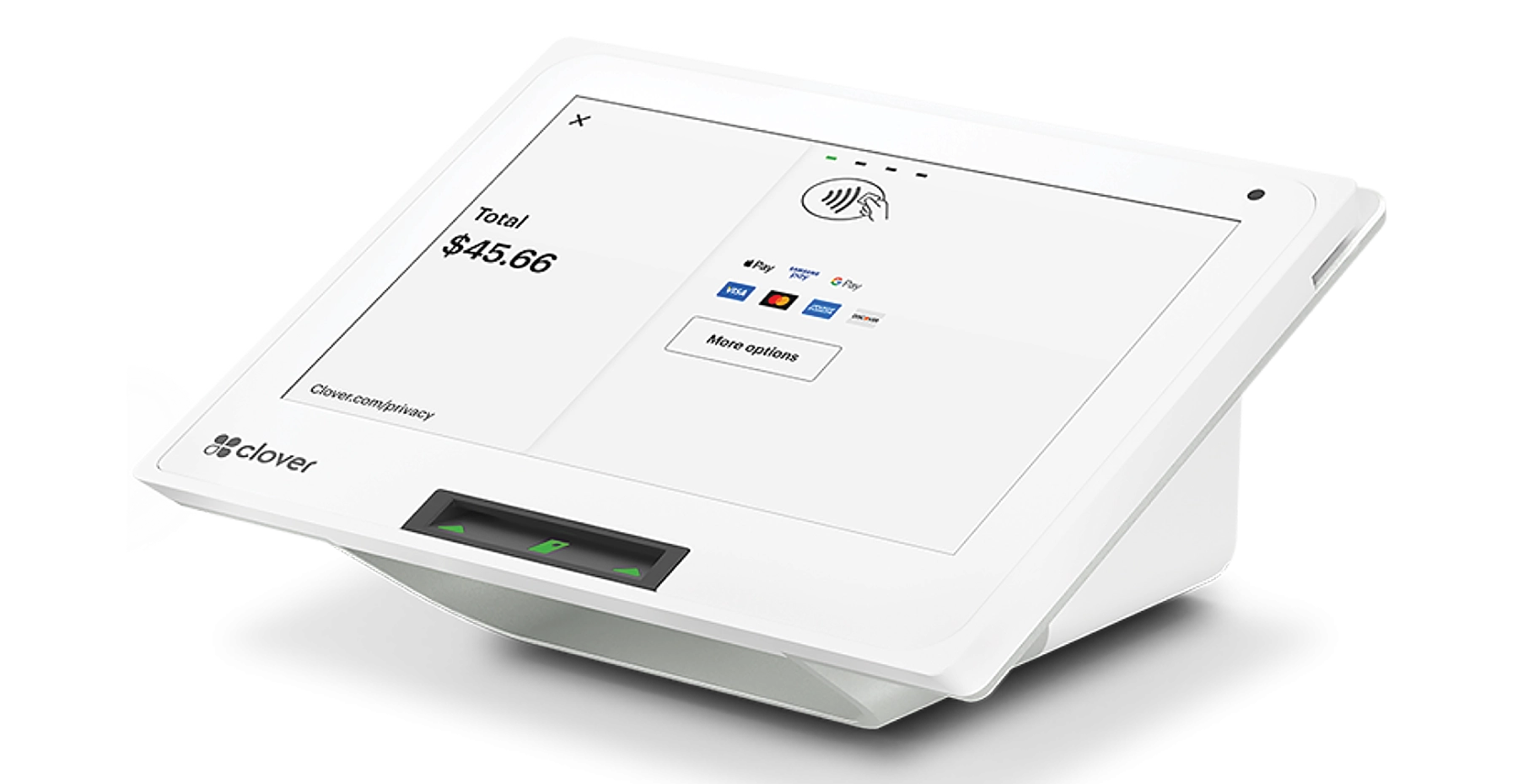
Platforms like Clover let you store customer records, digital receipts, timestamps, and even capture signatures. All of this can be used to fight back against false disputes.
Train Your Team
Make sure your employees know how to handle disputes, document transactions, and follow refund protocols. One small mistake could cost you big.
Consider Fraud Prevention Tools
Many payment processors offer chargeback protection tools for a small monthly fee. If you process a lot of payments, this can be well worth the investment.
Not sure how these changes affect your business?
VMS keeps merchants ahead of card network rules, fee changes, and compliance deadlines — with a specialist who explains what actually matters for your store.
Or call our team: 888-902-6227
The Bottom Line
Chargeback fraud is no longer just a headache—it’s a full-on epidemic. With $15 billion on the line in 2025 and small businesses shouldering much of the burden, it’s clear that friendly fraud is no longer “friendly” at all.
But with a few smart adjustments—better recordkeeping, improved payment tools, and a strong response plan—you don’t have to be another victim.
The threat is real. But so is your power to fight it.
Have questions about these changes?
Fill out the form below and a VMS payment specialist will contact you shortly.