

The U.S. Government recently revealed to us that Aliens are in fact real. We’ve finally reached the War of the Worlds part of the Sci-Fi movie timeline. Just kidding… I think. Things that everyone thought would never happen in our lifetime are actually happening now. This brings the question of what the future holds for other aspects of daily life. More specifically, what does the world of payments and payment processing look like for us? What will change and what can society expect to happen with the way we pay and receive money? The future of payment processing presents significant opportunities for advancement within the payments industry.
Developing Trends in the Payments Landscape
The future of payment processing is likely to be characterized by several trends and advancements that are already shaping the landscape today. The evolving payments landscape is being transformed by key trends and payments innovation, which are redefining the payments ecosystem through technological advances and new business models. Here are some potential developments to expect:
Digital Wallets and Mobile Payments Dominance
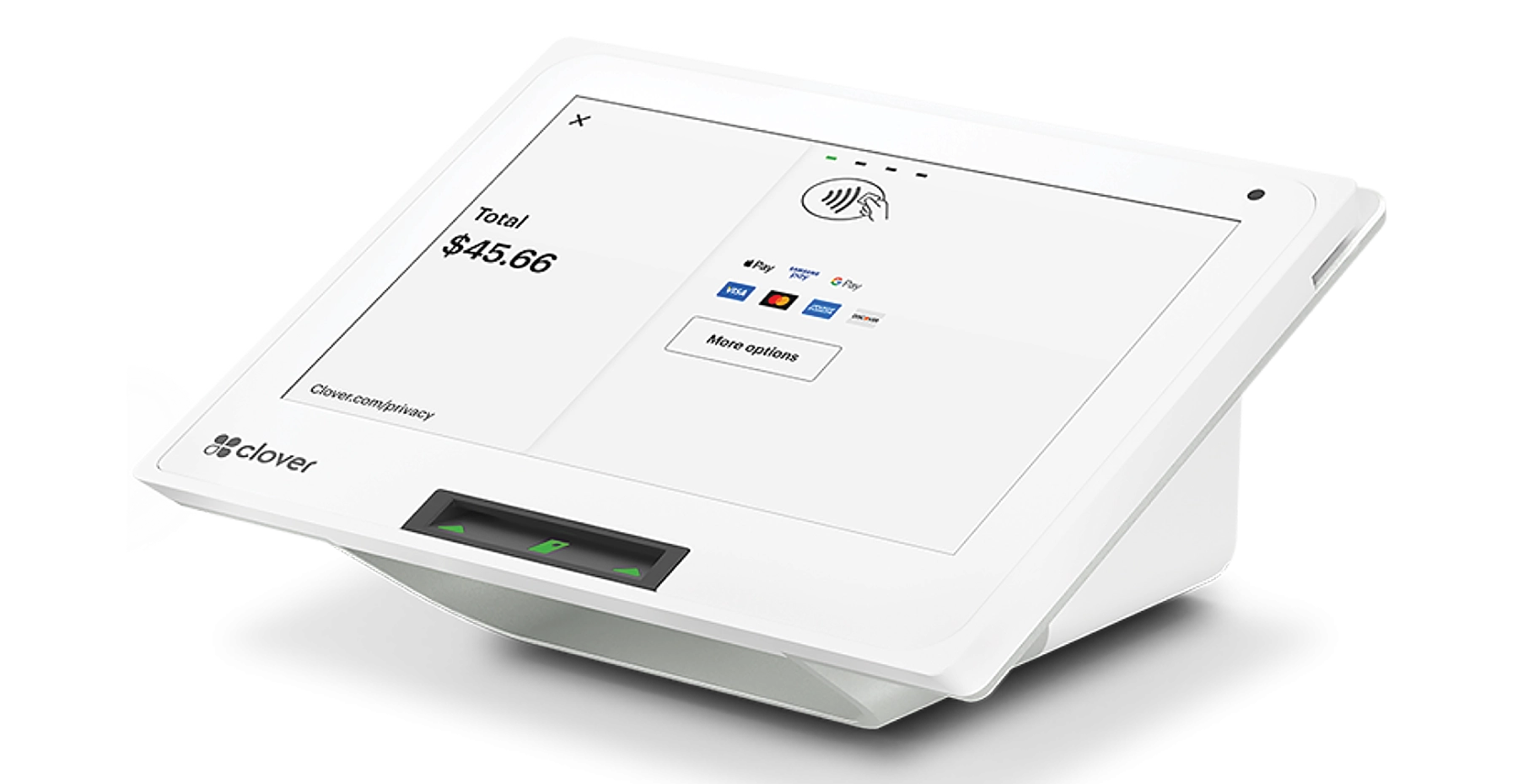
The shift towards digital and mobile payments will continue, with traditional cash and even physical credit cards becoming less common as digital payment and cashless payments gain traction. Mobile wallets, payment apps, and contactless payment methods—including the rise of tap and go payments—will likely dominate the market, offering convenience and security. Digital wallets already make up 52% of global e-commerce transactions. Adding onto that, almost 70% of consumers use mobile banking. This trend signifies more than just a change in payment methods—it represents a fundamental transformation in how we manage our finances and is the fastest-moving trend when looking at the future of payment processing. The increasing adoption of contactless payments and tap and go payments further accelerates the shift towards a cashless society.
The growth of mobile payments is driven by several factors that align with consumer preference and the needs of today’s tech-savvy consumers. The ubiquity of smartphones and the increasing availability of affordable data plans have paved the way for seamless mobile payment experiences. Digital platforms play a crucial role as enablers of these payment methods, supporting mobile wallets and payment apps. With just a few taps, consumers can initiate payments, check account balances, and manage their finances on the go. This level of accessibility is particularly appealing to the younger generation, who are accustomed to instant gratification and digital convenience.
Ultimately, these advancements in digital payment technologies and platforms contribute to a seamless experience for consumers across all channels.
Cryptocurrencies and Digital Assets:
Cryptocurrencies like Bitcoin, Ethereum, and other forms of digital currency could play a significant role in the future of payments. As they become more widely accepted and integrated into payment systems, they might offer faster and more efficient cross border payments and global payment solutions, with reduced fees and increased financial inclusion.
One of the standout features of cryptocurrencies is their decentralized nature. Unlike traditional currencies that are controlled by central banks and governments, cryptocurrencies operate on decentralized blockchain technology. This feature not only enhances security but also fosters financial autonomy, enabling individuals who lack access to traditional banking services to participate in the global economy. In regions where banking infrastructure is limited, cryptocurrencies could act as a bridge to financial services for them. Financial institutions are also adapting to the rise of digital currencies, exploring new ways to support and integrate these assets into their offerings.
Additionally, the underlying technology behind cryptocurrencies, known as blockchain, offers unparalleled transparency and durability. Every transaction conducted using cryptocurrencies is recorded on a public ledger that is resistant to tampering. This attribute has the potential to revolutionize the transparency and accountability of financial transactions, reducing fraud and ensuring a higher level of trust in payment systems. Open banking initiatives and integration with traditional bank accounts can further facilitate the adoption of digital currencies, allowing consumers to manage both fiat and digital assets seamlessly through unified platforms.
Blockchain Technology:
Blockchain’s transparent and secure nature could revolutionize the payment system by enhancing security, reducing fraud, and streamlining processes, particularly for international transactions and supply chain payments. By modernizing payments infrastructure and enabling new payment rails, blockchain technology supports the development of real time payments and instant payments, making transactions faster and more efficient. This potential transformation isn’t just theoretical; it’s already showing promising signs of reshaping industries in profound ways. One example is Australia, which has implemented blockchain-enabled instant payment frameworks as part of its broader payments modernization efforts.
At the heart of blockchain’s revolutionary impact is its decentralized and immutable ledger system. Every transaction recorded on a blockchain is permanently etched in a series of interconnected blocks. This structure ensures that once a transaction is added, it cannot be altered or tampered with without the consensus of the entire network. This tamper-proof quality directly addresses the vulnerability that traditional centralized payment systems face—a single point of failure that hackers often target. In addition to transparency and security, data privacy is a key consideration for blockchain-based payment systems, supporting regulatory compliance and consumer trust. This is a major improvement and will cause a major shift in the future of payment processing.
Biometric and Identity Verification:
Biometric authentication methods such as fingerprint, facial recognition, and even retinal scans are likely to become more prevalent in payment systems. Enhancing security and reducing the reliance on passwords or PINs. Biometric authentication is often used as a key component of multi factor authentication, combining something you are (biometrics) with something you know (like a password) or something you have (such as a device), to further enhance payment security. In a world where cyber threats and identity theft are constant concerns, biometric authentication offers a multi-layered solution to protecting sensitive financial information. Unlike passwords or PINs, which can be forgotten, stolen, or hacked, biometric data is uniquely tied to each individual. This uniqueness makes it considerably more difficult for unauthorized individuals to gain access to accounts or use your funds.
As the technology behind biometric authentication continues to advance, concerns about privacy and data protection naturally arise. But, it’s important to know that many biometric systems use special coding methods to keep data safe when it’s stored and sent. Also, a lot of times, the special information your biometrics creates is kept right on your device. This makes it harder for hackers to break into one central place to steal your info.
Beyond the realm of individual users, businesses also stand to gain from the integration of biometric authentication into payment processing systems. For instance, brick-and-mortar businesses can enhance in-store security by implementing biometric payment terminals, minimizing instances of card-present fraud. In online shopping, where card-not-present transactions are the norm, biometric authentication adds an extra layer of confidence for both buyers and sellers.
AI and Machine Learning:
Artificial intelligence will keep being important in stopping fraud and figuring out risks, with fraud detection as a key application of AI in payment processing. It also helps payment processors find strange transactions right away using advanced data analytics, providing real-time insights and deep visibility into payment ecosystems. AI-powered chatbots and virtual helpers might also make it easier for customers to talk while they’re paying, enhancing the overall customer experience. This putting together of AI and payments could change how we deal with safety, help customers, and how we experience paying for things by enabling innovative solutions that transform traditional payment processes.
While trying to identify and stop fraud, AI is super helpful. It’s really good at looking at a lot of information quickly to find strange things or patterns that might mean someone is trying to do something bad. AI’s capacity to instantly analyze vast amounts of data through data analytics makes it the perfect tool for identifying anomalies and patterns related to fraudulent activity. AI learns from what has happened in the past and gets better at telling apart real transactions from ones that could be dangerous. This quick checking helps stop fraud from happening fast and keeps both businesses and people safe.
Furthermore, AI’s capabilities aren’t confined to security measures alone. AI-driven chatbots and virtual assistants are revolutionizing customer support, especially within payment processes, leading to a significantly improved customer experience. Picture this: A customer encounters an issue while trying to buy something online. Instead of navigating a maze of menus or waiting endlessly on hold, they engage with an AI-powered chatbot. This chatbot will quickly understand the issue, provide step-by-step assistance, and even anticipate follow-up questions. The result? A faster, more efficient, and personalized customer support experience.
AI-powered payment solutions also help business clients gain a strategic advantage and competitive advantage in the market by enabling them to optimize operations, enhance customer experience, and differentiate themselves through rapid adoption of innovative solutions, which ultimately supports higher customer retention through better payment experiences.
IoT Purchases:
The Internet of Things (IoT) could enable seamless and automatic payments through connected devices, becoming an integral part of the entire payments ecosystem. “Hey Alexa, buy more cereal.” Sound familiar? The act of using technology in such a way where you literally talk to technology and it does what you want to do is pretty wild to think about. For instance, your refrigerator could order groceries and make payments on your behalf when supplies run low. As IoT devices become more embedded in the payments environment, businesses must manage and optimize their payments environment to support these new forms of transactions. This potential trend of IoT applications could mean a big change in the way we interact with objects and make transactions, and organizations will need to allocate resources effectively to support IoT payment integration. IoT is driving innovation in payment processing, pushing companies to adapt and stay ahead in the evolving payments landscape.
Imagine waking up in the morning to find your refrigerator has not only sensed that you’re running low on milk and eggs but has already placed an order for these items with your preferred grocery store. It has completed the payment transaction seamlessly, without you needing to manually enter your payment details. This scenario shows how much potential this kind of advancement has in terms of convenience, automation, and financial management.
Paying too much to accept cards?
VMS reviews your current statement free and shows you exactly what you are being charged — most merchants are surprised by what they find.
Or call our team: 888-902-6227
Gearing up for the Future
Businesses are entering a new era of payment processing, where adapting to new business models and avoiding unreliable credit card processors is essential for staying competitive in the rapidly evolving payments industry. Embracing innovative business models and leveraging third party processors and payment providers can help achieve lower cost operations and foster greater collaboration across the ecosystem.
To support business growth, it’s crucial to offer modern payment services and innovative services, such as those found in super apps, which integrate multiple financial tools for enhanced customer experience. Digital banks and e commerce platforms are driving the development of digital economies, contributing to the exponential growth of the fintech sector, which is projected to expand at a significant compound annual growth rate.
Business owners must also stay informed about regulatory changes and the risks of financial crime, with corporate treasurers playing a key role in managing these challenges. The real value of adapting to these changes lies in building long-term business success and resilience.
Make sure your business is staying up with the times. The easiest way to make sure you’re future-proofing your business is with a modern-day POS system. That’s how you get paid! If you’re in need of a state-of-the-art POS system, visit getvms.com or fill out the form below.
Have questions about payment processing?
Fill out the form below and a VMS payment specialist will contact you shortly.