
In the world of retail and e-commerce, agility wins. While tariffs usually cause concern for businesses and consumers alike, some brands are spinning them into clever marketing campaigns—and it’s working. Recent tariffs have prompted marketing teams to develop creative strategies that address both cost pressures and customer expectations. Over the weekend, Fashion Nova sent a promotional text that read: “No tariffs here! Free shipping if you order today.
With that single sentence, they turned a macroeconomic pressure point into a smart branding moment. And they’re not alone. Businesses across the U.S. are beginning to reference tariffs in email marketing, website banners, social media posts, and SMS campaigns—not to complain, but to connect. These efforts are designed to mitigate tariffs’ impact on both the business and the customer, ensuring that price adjustments or offers are positioned positively.
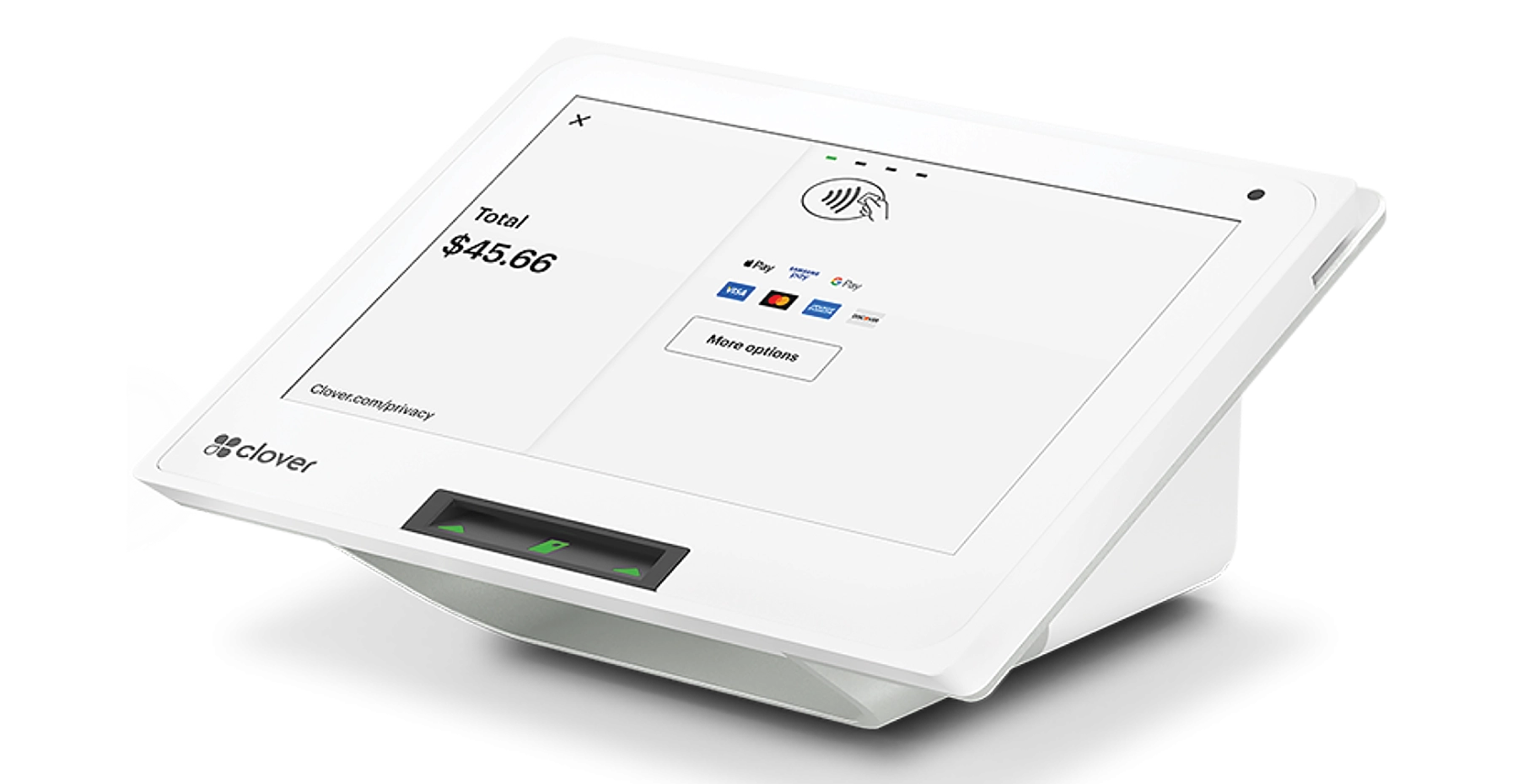
Let’s unpack how tariffs are being used in marketing, why it works, and how your small business can ride this trend to build customer loyalty and boost sales—with a little help from the Clover POS system. When communicating tariff-related changes, transparent messaging is crucial to avoid alienating customers and to maintain trust and loyalty.
First, What Are Tariffs—and Why Are They in the News?
A tariff is a tax imposed on imported goods. When the U.S. government places tariffs on products coming from other countries (like China), the goal is usually to protect American manufacturing and support domestic industries by making imported goods more expensive, which can also impact foreign exporters. Government policy shapes the use of tariffs as trade barriers, influencing how and when tariffs are applied to regulate international trade and affect market dynamics.
But there’s a catch: companies that rely on international suppliers often end up paying more for their products due to cost increases from tariffs—and they may increase prices to offset these costs, resulting in higher prices for consumers.
In April 2024, the Biden administration expanded tariffs on Chinese-made goods in sectors like electric vehicles, solar cells, and tech equipment. Targeted tariffs, unlike broad tariffs, are applied to specific products or sectors to address particular trade issues, such as preventing dumping, and can have a focused impact on certain industries.
For fashion and consumer goods companies, even the rumor of a tariff increase can trigger cost-cutting or price-hiking decisions.
But instead of quietly adjusting prices, some brands are getting ahead of the conversation—and turning it into a promotional opportunity.
Fashion Nova’s Tariff-Free Campaign: A Case Study
Fashion Nova has long been a frontrunner in fast fashion and SMS marketing. In a recent campaign, they leaned into the tariff conversation by sending a text blast to customers that said:
“No tariffs here! Free shipping if you order today.”
This message achieved several goals at once:
-
It made Fashion Nova feel relevant: referencing a hot-button issue that was trending in the news.
-
It positioned the brand as customer-friendly: subtly implying they’re absorbing the cost of tariffs so you don’t have to.
-
It created urgency: by tying free shipping to a 24-hour window.
This kind of campaign builds trust and drives conversions—all while giving customers the sense that the company is looking out for them.
The Psychology Behind Tariff Marketing
Why does this approach work so well?
-
Current Events Create Connection
Referencing current economic events shows customers that your business is informed and engaged. It makes your brand feel real, not robotic. -
Tariffs = “We’re on Your Side”
When businesses say they’re “not passing on tariff costs” or offering “tariff-free days,” they position themselves as allies to the consumer. -
Scarcity & Urgency Sell
Promotions tied to limited-time offers—especially those linked to news stories—are proven to boost sales. People want to act before prices go up. The anticipation that businesses may need to raise prices due to tariffs can prompt consumers to accelerate their purchases, directly impacting consumer spending patterns.
Other Brands Using Tariffs Creatively
Fashion Nova isn’t the only one getting clever:
-
Dame Products, a women’s wellness company, introduced a “$5 tariff surcharge” on checkout pages to show exactly how tariffs impact pricing. This wasn’t a gimmick—it was a transparent way to explain rising costs and build credibility.
-
Labucq, a luxury footwear brand, sent emails informing customers that prices would rise soon due to tariff hikes, encouraging them to buy now before new rates kicked in.
-
Some brands may also choose to cut costs or adjust their operations to protect margins and maintain their market share in a tariff-impacted environment, whether by absorbing some of the tariff costs, modifying products, or refining their pricing strategies.
-
B2B Businesses like furniture wholesalers and even industrial parts suppliers have started using “beat the tariff” or “before-the-hike” promotions in trade publications and LinkedIn ads.
How Can Small Businesses Use This Marketing Strategy?
Whether you run a boutique, café, or retail store, you don’t need a 10-person marketing team to take advantage of this trend. These strategies can help businesses navigate the current tariff environment by guiding you through tariff challenges and optimizing your supply chain. Here’s how you can use tariffs to your advantage:
1. Tariff-Themed Promotions
Use language like:
-
“Tariff-Free Tuesday—10% Off All Items!”
-
“We Beat the Tariff—Our Prices Stay the Same.”
-
“Order Now, Before Tariff Prices Kick In!”
2. Transparency in Pricing
Use your website, receipts, or signage to explain rising prices in a way that doesn’t scare customers—just informs them. A simple “due to increased import tariffs…” can work wonders for customer understanding and trust.
3. Push Limited-Time Offers via Clover
Using Clover POS, you can:
-
Set up instant promos at the register.
-
Offer “Tariff-Free” discounts using built-in customer engagement tools.
-
Email or text your customer base from the Clover dashboard to share limited-time deals.
4. Lean on Local
If your business sells products made in the USA, now is the time to highlight it! “Made in America—No Tariff Markup” is a compelling slogan that ties into both patriotism and practicality.
Digital Marketing and Tariff Mitigation
Digital marketing has become an essential tool for businesses looking to navigate the challenges of tariffs and international trade. With rising costs and the threat of retaliatory tariffs, companies must find innovative ways to maintain customer engagement and drive sales. By leveraging digital channels—such as social media, email campaigns, and content marketing—businesses can keep their brand top-of-mind even as tariff scenarios evolve.
A smart digital marketing strategy allows companies to reach customers searching for tariff-affected products, offering valuable insights and positioning themselves as industry leaders. For example, a business might publish blog posts or videos explaining how tariffs impact certain product lines, helping customers make informed decisions. This transparency not only builds trust but also encourages repeat purchases.
Additionally, digital marketing provides real-time access to sales data and customer behavior, enabling businesses to quickly adapt their pricing strategies and promotional messaging. If a particular product line is facing increased costs due to tariffs, companies can shift focus to alternatives or highlight domestic production options. By staying agile and data-driven, businesses can mitigate the impact of tariffs and maintain a competitive edge in a rapidly changing market.
Ad Spend Optimization in a Tariff-Driven Market
In a market shaped by tariffs and rising production costs, every advertising dollar counts. Optimizing ad spend is crucial for businesses aiming to protect profit margins and encourage consumers to keep shopping, even as price increases become more common. By harnessing data analytics and machine learning, companies can pinpoint which digital channels and messages deliver the best return on investment.
For instance, targeted social media ads can reach customers most affected by tariffs, offering them exclusive promotions or discounts to offset increased costs. Email marketing is another powerful tool—keeping customers informed about upcoming price hikes, changes in production costs, or new product alternatives. This proactive communication not only helps justify costs but also encourages repeat purchases and builds customer loyalty.
By continuously monitoring ad performance and adjusting campaigns based on real-time results, businesses can ensure their ad spend is driving sales and maintaining a competitive edge. In a tariff-driven environment, smart ad spend optimization isn’t just about cutting costs—it’s about making every marketing dollar work harder to support your bottom line.
Product Lines and Tariffs: What to Promote, What to Pause
Tariffs can have a dramatic impact on which products make sense to promote—and which might need to take a back seat. Businesses should analyze their product lines to identify which items are less affected by import taxes or broad tariffs, such as those sourced from domestic production or countries with favorable trade agreements. These products can be highlighted in marketing campaigns as cost-stable or tariff-free options, giving customers a compelling reason to buy.
On the flip side, products heavily reliant on imported goods or subject to frequent tariff hikes may require a pause in promotion or a shift in pricing strategies. By closely monitoring sales data and customer preferences, companies can quickly spot which items are becoming less competitive due to increased costs. Offering discounts, bundling with domestic alternatives, or temporarily focusing on other product lines can help mitigate the impact of tariffs and maintain a competitive advantage.
Ultimately, being strategic about what to promote and what to pause allows businesses to adapt to changing tariff environments, protect profit margins, and keep customers engaged—even as the landscape of international trade continues to shift.
Marketing Amid Economic Uncertainty
Economic uncertainty—driven by tariff hikes, shifting trade policies, and fluctuating production costs—demands a flexible and responsive marketing strategy. Businesses must be ready to pivot quickly, using digital marketing channels to communicate with customers and adjust messaging as needed.
Social media platforms offer a direct line to customers, allowing businesses to address concerns about price increases or supply chain disruptions in real time. Email marketing can be used to keep customers informed about changes in product availability, new pricing strategies, or special offers designed to offset rising costs. By staying transparent and proactive, companies can reassure customers and maintain trust, even when the market is unpredictable.
The key to thriving amid economic uncertainty is agility. By monitoring market trends, tracking the impact of tariffs, and being willing to experiment with new marketing tactics, businesses can maintain a competitive edge and continue to grow—even when the future feels uncertain.
Building Brand Loyalty Through Tariff Transparency
In a tariff-driven market, transparency isn’t just good ethics—it’s a powerful marketing tool. Customers appreciate honesty, especially when it comes to explaining how tariffs impact production costs and pricing strategies. By openly communicating about the challenges posed by tariffs, businesses can build brand loyalty and set themselves apart from competitors.
Digital marketing channels make it easy to share updates on tariff-related issues, whether through blog posts, social media, or email newsletters. Explaining why prices have increased or how certain product lines are affected helps customers understand the bigger picture and fosters trust. Offering alternative solutions—such as highlighting domestic products or providing special promotions—shows that your business is committed to helping customers navigate higher costs.
This level of openness encourages repeat purchases and strengthens your brand’s reputation. By making tariff transparency a core part of your marketing strategy, you not only protect your competitive advantage but also create lasting relationships with your customers, ensuring your business remains resilient in the face of ongoing trade challenges.
VMS + Clover = Ready to Ride the Trend
At Velocity Merchant Services, we specialize in helping small businesses stay competitive, even when the economy throws curveballs. Our solutions are designed to help businesses across numerous industries manage tariff exposure and quickly adapt to changes in global markets. With Clover POS and our full suite of merchant services, you can:
-
Launch quick-response campaigns like “No Tariffs Here”
-
Easily change pricing or discounts on the fly
-
Use sales data to see what promos are working
Plus, if you’re using our Cash Discount Program, you can keep profit margins healthy even when tariffs increase wholesale prices.
Final Thoughts: Use the News to Your Advantage
Tariffs might be frustrating from an operations standpoint, but in marketing? They’re a goldmine of relevance. Tariffs can significantly impact affected industries such as agriculture and manufacturing, often leading to shrinking export markets and job losses when trading partners impose retaliatory measures. Adapting marketing strategies in response to these changes is crucial for supporting economic growth and maintaining a competitive edge. Businesses that turn these big-picture events into relatable customer messaging stand out in the market—and build deeper loyalty.
So take a cue from Fashion Nova: Don’t run from the news. Use it.
With the right message, the right tool (hello, Clover), and the right mindset, your business can not only survive economic turbulence—it can thrive in it.
Need help implementing promotional strategies or upgrading your POS system?Contact Velocity Merchant Services today and we’ll help you get started—tariff-free.
For more insights like this, keep up with the VMS blog—where small business meets big tech without the fluff.