

by Jackie Navarrete
Earlier this year, the Federal Trade Commission (FTC) announced it would be sending out more than $2.6 million in refunds to small business owners. Why? Because a major payment processor—First American Payment Systems—was caught engaging in deceptive and downright shady business practices. Thousands of small business owners got locked into expensive contracts, charged hidden fees, and continued getting billed even after they canceled.
According to the FTC, First American used long-term contracts filled with confusing fine print, made it difficult to cancel service, and hit business owners with charges they never expected. Over 5,500 businesses are already receiving refund checks, and another 16,000 may still qualify. If your business canceled its service with them between June 2017 and April 2020, you have until May 7, 2025, to file a claim.
Even if your business wasn’t affected by this specific case, this story is a red flag for every small business owner. It’s a reminder that the payment processor you choose can either support your business—or silently bleed it dry. Let’s dig into why this story matters and how you can protect yourself from getting into a bad payment processing relationship in the future.

Why Payment Processing Matters More Than You Think
For most small business owners, setting up credit card processing is just one more thing to check off the list. You pick a provider, sign the paperwork, plug in the machine, and hope everything just works. But this “set it and forget it” mindset can come back to bite you.
If your payment processor locks you into a long-term contract or charges more than you expected, it affects your bottom line every single day. It means higher costs, less flexibility, and more headaches when something goes wrong. And the worst part? Many merchants don’t even realize how bad their setup is until they try to cancel—and then find out it’s going to cost them hundreds or even thousands of dollars just to walk away.
What Goes Wrong With Bad Processors
Bad payment processors have a few predictable tricks. First, they hook you with a low advertised rate—something like 1.5% per swipe. But in reality, that rate only applies to certain types of transactions, like basic debit cards. Most of your customer payments will be charged at a much higher “non-qualified” rate, often over 3%. Add in hidden fees for PCI compliance, monthly minimums, equipment leases, and batch fees, and suddenly your processing costs are way out of control.
Another common tactic is burying you in contracts that are hard to get out of. Some processors use 3- or 4-year agreements that auto-renew if you don’t cancel in a very specific window. If you try to leave early, you get hit with a steep early termination fee. To make matters worse, some even continue billing you after you’ve canceled, just like First American did.
On top of all this, many of these companies offer poor customer support. When something breaks or you have a question, there’s no one around to help. You’re left sending emails into a void or sitting on hold for an hour while your customers wait at the counter.
The Real Cost to Your Business
Let’s put this into real numbers. If you process $25,000 a month in sales and your effective processing rate ends up being 3.2% instead of the 2% you were promised, that’s a difference of $300 every single month. Over the course of a year, you’re paying an extra $3,600—money that could’ve gone toward payroll, inventory, or marketing.
When you consider that many small businesses run on razor-thin margins, these fees can be the difference between thriving and barely surviving. A bad processor doesn’t just cost you money—it costs you peace of mind.
What Makes a Good Payment Processor?
Not all processors are out to trap you. There are companies out there that want to build a long-term relationship with your business, not lock you into one. The key is knowing how to spot them.
Transparent Pricing
A good processor will explain all of your fees clearly and give you a full cost breakdown before you sign anything. There shouldn’t be any surprises when you get your first statement. And if you ask for the “effective rate”—which includes all fees—they should be able to tell you exactly what you’re paying.
Month-to-Month Agreements
Long-term contracts benefit the processor, not the merchant. Look for providers who offer month-to-month service so you can leave if you’re not satisfied. If a company needs to lock you in to keep your business, that’s a red flag.
Modern Equipment and Support
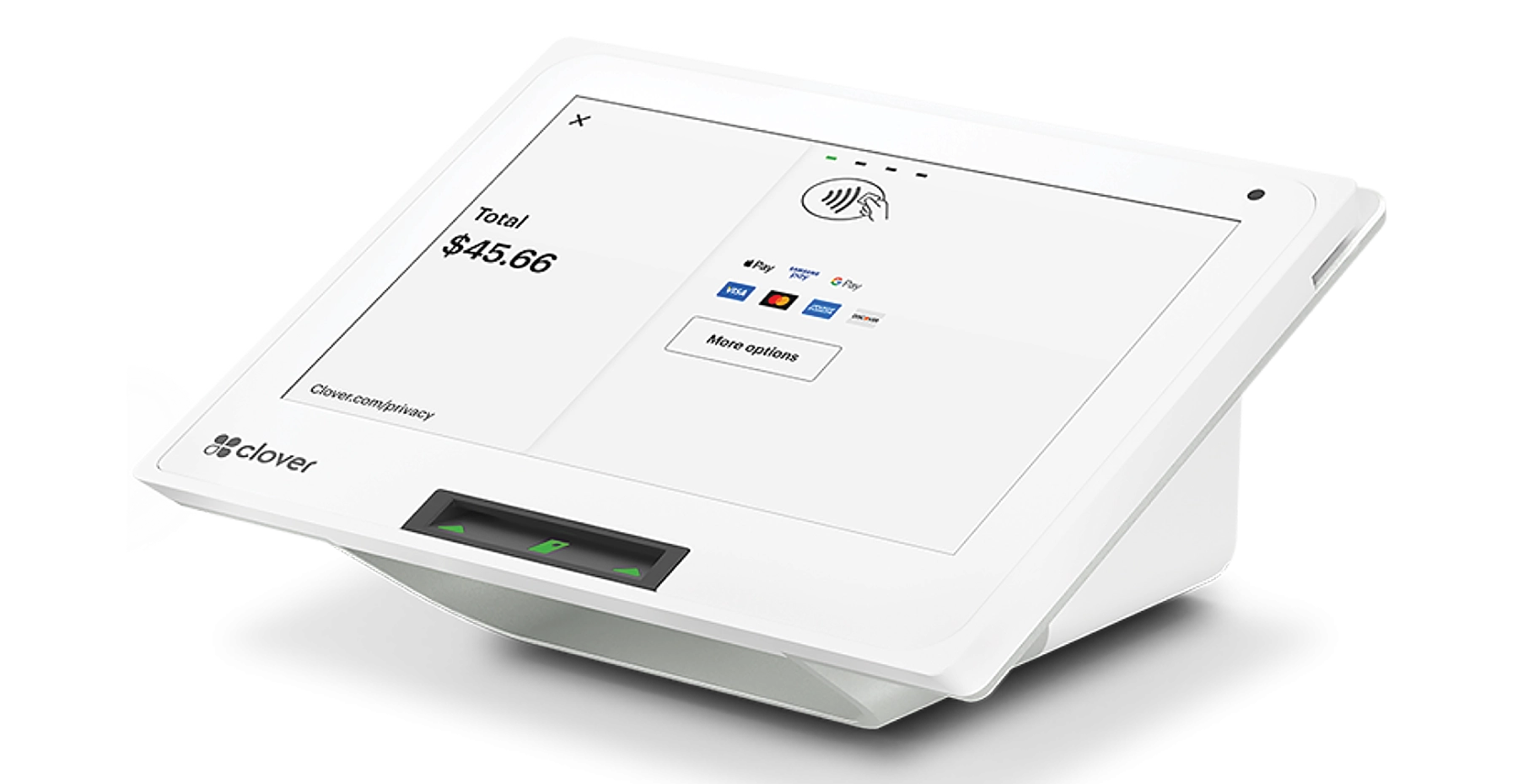
Technology matters. Your processor should offer reliable terminals, POS systems like Clover, mobile card readers, and even options to accept contactless or EBT payments. They should also help with setup, training, and troubleshooting—not leave you hanging when something breaks.
Responsive, Real Human Support
When you call for help, you should be able to speak with someone who knows what they’re doing. Look for companies that offer live, U.S.-based customer service instead of outsourced support or long hold times.
Programs That Help You Save
Great processors offer more than just transaction handling. They help you reduce costs through programs like cash discounting, where customers who pay with cash avoid a service fee, or surcharging, which legally passes the cost of credit card processing to the customer on credit transactions. These options can eliminate 90 to 100% of your processing fees when done properly.
How to Choose the Right Processor for Your Business
Choosing the right payment partner starts with understanding your business. Think about how you take payments—are most of your customers in-store, online, or on the go? Do you need a full point-of-sale setup or just a mobile reader? Your equipment and features should match how your business operates.
Once you know what you need, start asking questions. Get a full pricing breakdown in writing, including all fees and conditions. Ask what happens if you cancel. Look for reviews online—not just star ratings, but real feedback from other business owners. Pay special attention to complaints about hidden fees, cancellation issues, or poor service.
Don’t be afraid to walk away from a deal that feels off. If a rep pressures you to sign quickly or won’t answer your questions directly, that’s a clear sign to move on. You should feel confident, not confused, when choosing your processor.
Final Thoughts
The FTC refund case should be a wake-up call for small business owners everywhere. Choosing the wrong processor can cost you thousands, and undoing a bad contract isn’t always easy. But with the right partner, your processing setup can actually help your business grow—by saving you money, improving efficiency, and giving your customers more ways to pay.
If you haven’t reviewed your processing agreement in a while, now is the time. And if you’re not sure where to start, we’re here to help. We’ll review your current setup, explain exactly what you’re paying, and show you how much you could save.
Choosing the right payment processor isn’t just a financial decision—it’s a smart business move. Let us help you make the right one.