
In a move that could send ripple effects throughout the global financial ecosystem, Mastercard has announced a strategic partnership with crypto infrastructure firm MoonPay to bring stablecoin-linked cards into the mainstream. The goal? To simplify cryptocurrency payments, make cross-border transactions seamless, connect the crypto economy with the traditional financial world, and unlock the global reach of stablecoin payments by enabling fast, transparent international transactions.
But beyond the fintech headlines and blockchain buzzwords, there’s a real-world impact bubbling just beneath the surface—especially for small business owners. If you run a restaurant, manage an online store, or sell handmade jewelry at pop-up events, this partnership may shape how you accept payments (and get paid) in the not-so-distant future by streamlining merchant payments and enhancing the efficiency of digital payment solutions for businesses.
Let’s break down what this collaboration means, how it works, and why small businesses should care by looking at what cryptocurrency means for small businesses.
What Is the Mastercard + MoonPay Partnership?
Mastercard is integrating stablecoin infrastructure into its vast payments network via MoonPay—a platform that powers crypto transactions for over 500 partners and serves more than 100 million crypto users. At the core of this partnership is a new Mastercard-branded card that allows users to spend stablecoins like USDC anywhere Mastercard is accepted.
This is all made possible through Iron, a payments startup recently acquired by MoonPay. Iron acts as the bridge between stablecoins and traditional fiat currencies. When a customer pays using their stablecoin balance through a crypto wallet, Iron instantly converts the funds to fiat in the background, so merchants receive dollars—not crypto. This process offers optional fiat settlement, allowing merchants to choose whether to receive payments in fiat or stablecoins.
The best part? Merchants don’t need to touch or hold any cryptocurrency to accept payments from customers who do.
MoonPay also provides clear docs for developers, making it easy to integrate stablecoin payment solutions seamlessly.
Why Stablecoins, and Why Now?
Stablecoins like USDC and USDT are pegged to traditional currencies (usually USD), offering the benefits of blockchain—fast settlement, low fees, global access—without the wild price swings of Bitcoin or Ethereum.
And they’re gaining traction:
-
120 million people hold stablecoin balances globally
-
20 million wallets use stablecoins for monthly transactions
-
Stablecoin transaction volume continues to grow rapidly, reflecting increasing stablecoin adoption worldwide
-
Cross-border payments, remittances, and e-commerce are key drivers
Stablecoin transfers enable low-cost, instant, and borderless transactions, making them an efficient alternative to traditional cross-border payments.
By enabling these coins to be spent like regular money, Mastercard and MoonPay are opening the door to broader adoption—not just for crypto enthusiasts, but for everyday businesses. Stablecoins also expand access to digital payment solutions for both merchants and consumers, underscoring their role in the future of payment processing.
How Stablecoin Payment Flows Work
Stablecoin payment flows are transforming the way businesses and customers move money, making transactions faster, more secure, and cost effective, much like other instant payment solutions for small business owners. Here’s how the process typically unfolds:
-
Initialization: The customer starts a payment by submitting a request through a stablecoin payment platform—whether online, in-store, or via a mobile app.
-
Verification: The platform quickly verifies the customer’s identity and checks that their stablecoin wallet has enough funds to cover the purchase.
-
Tokenization: The customer’s funds are converted into stablecoins, pegged to a fiat currency like the US dollar, ensuring price stability throughout the transaction.
-
Blockchain Transaction: The stablecoins are transferred directly to the recipient’s wallet using blockchain technology, bypassing multiple intermediaries and traditional payment rails.
-
Settlement: Settlement happens instantly, regardless of banking hours or weekends, so businesses receive funds in real time—no more waiting days for wire transfers or cross-border payments to clear.
-
Conversion: If needed, the recipient can easily convert stablecoins back into their local currency, expanding access to new markets and global remittances.
This streamlined payment flow means lower transaction fees, faster settlement times, and the ability to accept payments from anywhere in the world. For businesses, it’s a chance to tap into new markets, offer more flexible payment methods, and provide customers with a seamless, borderless payments experience—all while keeping costs down and funds secure, which is critical as small businesses face rising costs and slowing demand.
Security and Compliance: What Businesses Need to Know
Adopting stablecoin payments brings exciting opportunities, but it also requires a strong focus on security and compliance to protect your business and your customers. Here’s what you need to know:
-
Multi-Signature Wallets: Using wallets that require multiple approvals for each transaction adds an extra layer of protection, making unauthorized access far more difficult.
-
Cold Storage: Storing private keys offline (in “cold storage”) helps safeguard your funds from online threats and hacking attempts.
-
Regular Audits: Conducting frequent audits ensures your payment systems and smart contracts are functioning as intended and remain compliant with evolving regulations.
-
KYC/AML Compliance: Implementing robust know-your-customer (KYC) and anti-money laundering (AML) protocols is essential for preventing fraud and illicit activity, and for maintaining trust within the stablecoin ecosystem.
-
Smart Contract Audits: Regularly reviewing and testing smart contracts helps ensure that your payment flows are secure, transparent, and reliable.
By prioritizing these security and compliance measures, businesses can confidently accept stablecoin payments, safeguard customer funds, and build a reputation for reliability in the growing world of digital assets and stablecoin transactions.
So, What Does This Mean for Small Business Owners?
1. Get Ready for New Spending Power
Customers who hold crypto, especially stablecoin holders, now have an easier path to spend their digital assets with merchants. Instead of cashing out to a bank (which can take days), they can use their stablecoin Mastercard instantly.
For you, that could mean:
-
More sales from digitally-savvy customers
-
Better conversion rates from international shoppers
-
A new wave of purchasing power from the growing crypto demographic
2. No Crypto Hassles—You Still Get Paid in USD
This isn’t like accepting Bitcoin directly. With Iron’s infrastructure, merchants can accept stablecoins from customers while still receiving fiat payouts. Stablecoin payments are automatically converted to fiat before they hit your merchant account. You get dollars. No wallet. No volatility. No need for a Coinbase login.
Translation: your small business can be crypto-friendly without being crypto-complicated
3. Easier Cross Border Payments, International Sales & Payouts
Running a Shopify store or taking payments from overseas clients? This partnership could be a game-changer.
Stablecoins are ideal for cross-border payments. In traditional banking systems, cross-border transactions often involve correspondent banks, which can cause delays and additional fees due to multiple processing steps across different institutions and time zones. Stablecoins streamline cross border settlement, reducing costs and increasing speed for international business. Additionally, stablecoins are being adopted for interbank settlement, enabling faster and more efficient transactions between financial institutions and modernizing traditional payment systems.
MoonPay’s CEO put it best: “We’re bringing convenient, trusted stablecoin-enabled cards to users around the world.” That means if your suppliers, freelancers, or customers are overseas, paying and getting paid could become a lot smoother.
4. The Beginning of the End for Outdated Payment Tech
This move also signals a broader trend: legacy payment systems and the traditional banking system are being disrupted and reshaped by digital assets. Mastercard isn’t replacing debit cards just yet—but they’re making it clear that the future of money includes digital assets. Large financial institutions are actively experimenting with and adopting blockchain-based payment solutions, while financial institutions more broadly are preparing for the integration of stablecoins and digital assets into their operations.
As a business owner, the writing is on the wall: adapting to digital-first payments isn’t optional. It’s inevitable. This partnership just made it easier (and less scary) to start dipping your toes into the blockchain-powered future.
A Real-World Example: Meet Lisa, the Coffee Shop Owner
Lisa runs a bustling café in Chicago. Tourists, digital nomads, and remote workers flood her shop daily. Many of them ask, “Do you accept crypto?”
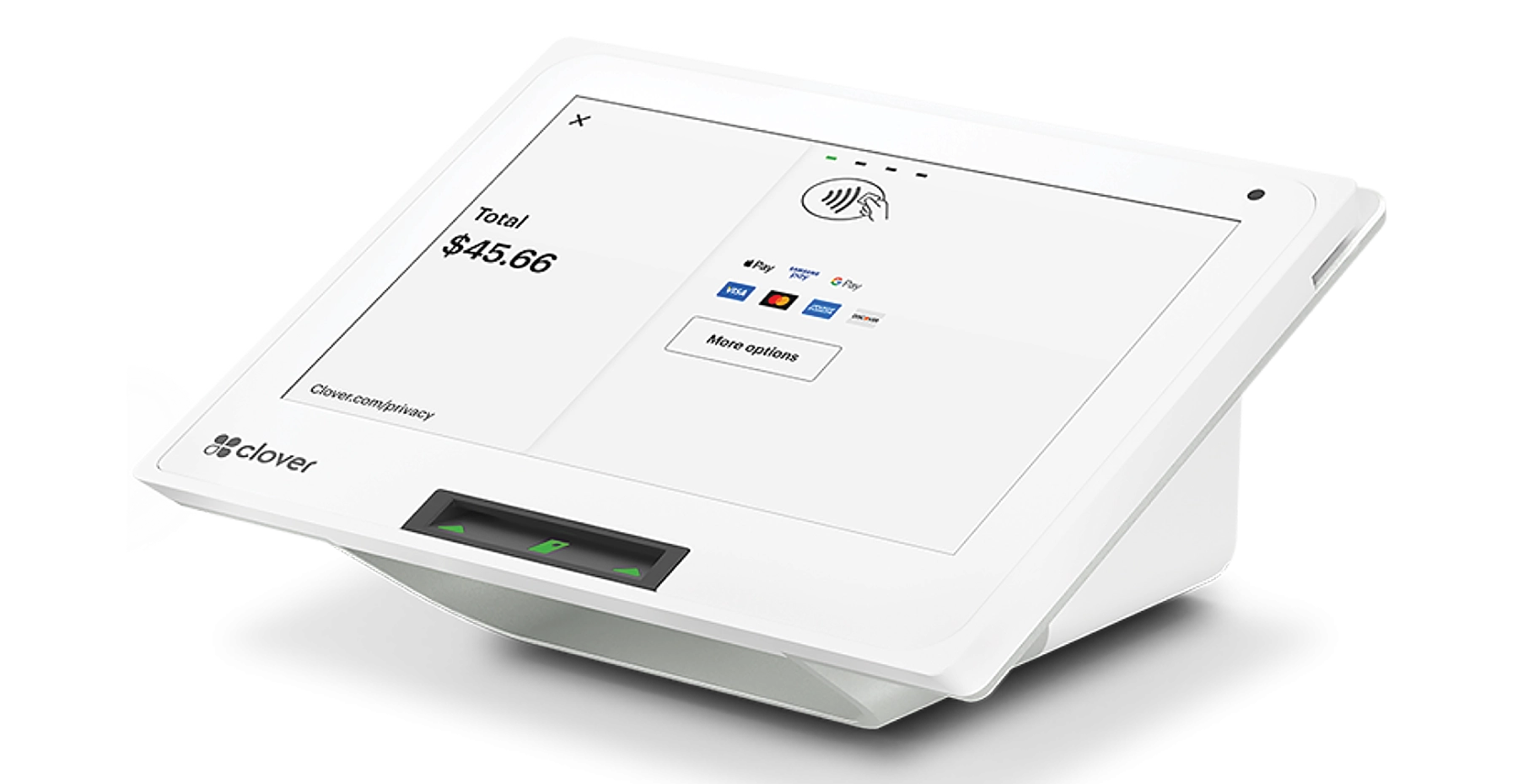
Thanks to the MoonPay x Mastercard partnership, Lisa doesn’t need to overhaul her point-of-sale system. With a Clover point-of-sale credit card processing setup, she can accept cards—including the new stablecoin-linked ones—without skipping a beat.
She still gets paid in USD, her accountant stays happy, and she attracts a whole new group of crypto-powered customers.
Choosing a Reliable Provider for Stablecoin Payments
Selecting the right stablecoin payment provider is crucial for a smooth, secure, and scalable experience. Here’s what to look for when evaluating your options:
-
Regulatory Compliance: Make sure your provider adheres to all relevant regulations, such as the GENIUS Act, and operates within established regulatory frameworks in major jurisdictions.
-
Security Measures: Look for enterprise-grade security features like multi-signature wallets, cold storage, and regular third-party audits to protect your digital assets and funds.
-
Transaction Fees: Compare transaction fees across providers to ensure you’re getting a cost-effective solution that won’t eat into your margins.
-
Supported Currencies: Choose a provider that supports both fiat currency and a wide range of digital assets, giving you flexibility as the stablecoin ecosystem evolves.
-
Customer Support: Responsive, knowledgeable customer support is essential—especially when integrating new payments infrastructure or troubleshooting issues.
-
Reputation: Research the provider’s track record, read reviews, and seek testimonials from other businesses to ensure you’re partnering with a trusted name in stablecoin payments.
-
Scalability: Your provider should be able to handle high transaction volume and grow with your business, whether you’re processing a handful of payments or thousands each day.
-
Integration: Seamless integration with your existing payments infrastructure, secure online payment gateways, and point-of-sale systems will make the transition to stablecoin payments smooth and hassle-free.
By carefully considering these factors, you’ll be well-positioned to choose a stablecoin payment provider that supports your business goals, ensures compliance, and helps you thrive in the rapidly expanding world of digital assets and global payments.
Key Takeaways for Small Business Owners
-
No extra tech needed – You don’t have to “accept crypto” to benefit.
-
Stablecoins are finally practical – They’re being used like digital dollars, not speculative assets.
-
Get ahead of the curve – Your customers are evolving. Are you?
-
Integrate stablecoins to stay competitive – Businesses should consider integrating stablecoins into their payment systems as adoption grows and regulatory clarity improves.
-
Cross-border payments just got easier – This could lower costs and reduce delays if you work with global clients or suppliers.
-
You remain in control – You still receive traditional currency; your customer’s crypto is their business.
What You Should Do Now
-
Talk to your payment processor about stablecoin readiness and future-proofing your POS system. Also, verify that your payment processor has strong compliance infrastructure to support secure and regulatory-compliant stablecoin payments.
-
Keep an eye on your customer base. Are you seeing more crypto-curious customers? Ask them what payment types they’d like to see.
-
Educate your staff. Even though the back-end is seamless, it helps to be able to answer questions about this new payment option confidently.
And most importantly:
-
Don’t wait. Prepare. Payment tech is evolving faster than ever. Today it’s stablecoin cards. Tomorrow it might be tokenized loyalty wallets or AI-led checkout bots. Staying informed = staying competitive.
Final Thoughts: Stablecoin Synergy = Small Biz Opportunity
This Mastercard-MoonPay partnership isn’t just for crypto bros or tech insiders. It’s a practical, powerful development that gives small businesses the ability to tap into a rapidly growing digital economy without the risk or complexity.
It’s fast. It’s smart. And it’s coming to a card reader near you.
Are you ready to accept the future?
For more insights like this, keep up with the VMS blog—where small business meets big tech without the fluff.