

by Jackie Navarrete
In May 2025, the U.S. House of Representatives narrowly passed a sweeping piece of legislation known as the One Big Beautiful Bill Act (OBBBA). Branded by President Donald Trump as the crown jewel of his economic revival plan, this massive legislative package seeks to tackle taxes, healthcare, regulation, border security, education, and more—all in one go. While the bill still awaits Senate approval, its potential impact is already sending ripples through the small business community.
So what does this “Big Beautiful Bill” mean for your small business? And how does it tie into how you accept payments, manage employees, and grow your bottom line? Let’s break it all down.

The Tax Side: Bigger Cuts, Bigger Questions
The bill revives and expands several provisions of the 2017 Tax Cuts and Jobs Act, making them permanent for individuals and small business owners structured as pass-through entities.
Key Highlights for Small Businesses:
- Permanent 20% Pass-Through Deduction: This allows S corps, LLCs, and sole proprietorships to deduct 20% of qualified income—a major boost for small business profitability.
- Bonus Depreciation: Businesses can continue deducting 100% of the cost of equipment, software, and certain capital improvements in the first year.
- Expanded Child Tax Credit: While not directly tied to your business, a higher credit ($2,500 per child) may increase discretionary spending, helping retail and service businesses.
But here’s the catch: The bill would add over $3.8 trillion to the national debt over the next decade, according to the Congressional Budget Office (CBO). If interest rates rise or inflation creeps up again, small businesses could face higher borrowing costs in the long run.
Tipping the Scales: No Taxes on Tips
This one is a game changer for restaurants, salons, cafes, and anyone who relies on tipped employees. The bill eliminates federal income taxes on tips, giving service workers a noticeable boost in take-home pay.
For business owners, this creates new opportunities to recruit talent, improve morale, and potentially reduce wage pressure. However, it may also require POS systems to report tip data more transparently to ensure compliance at the employer level.
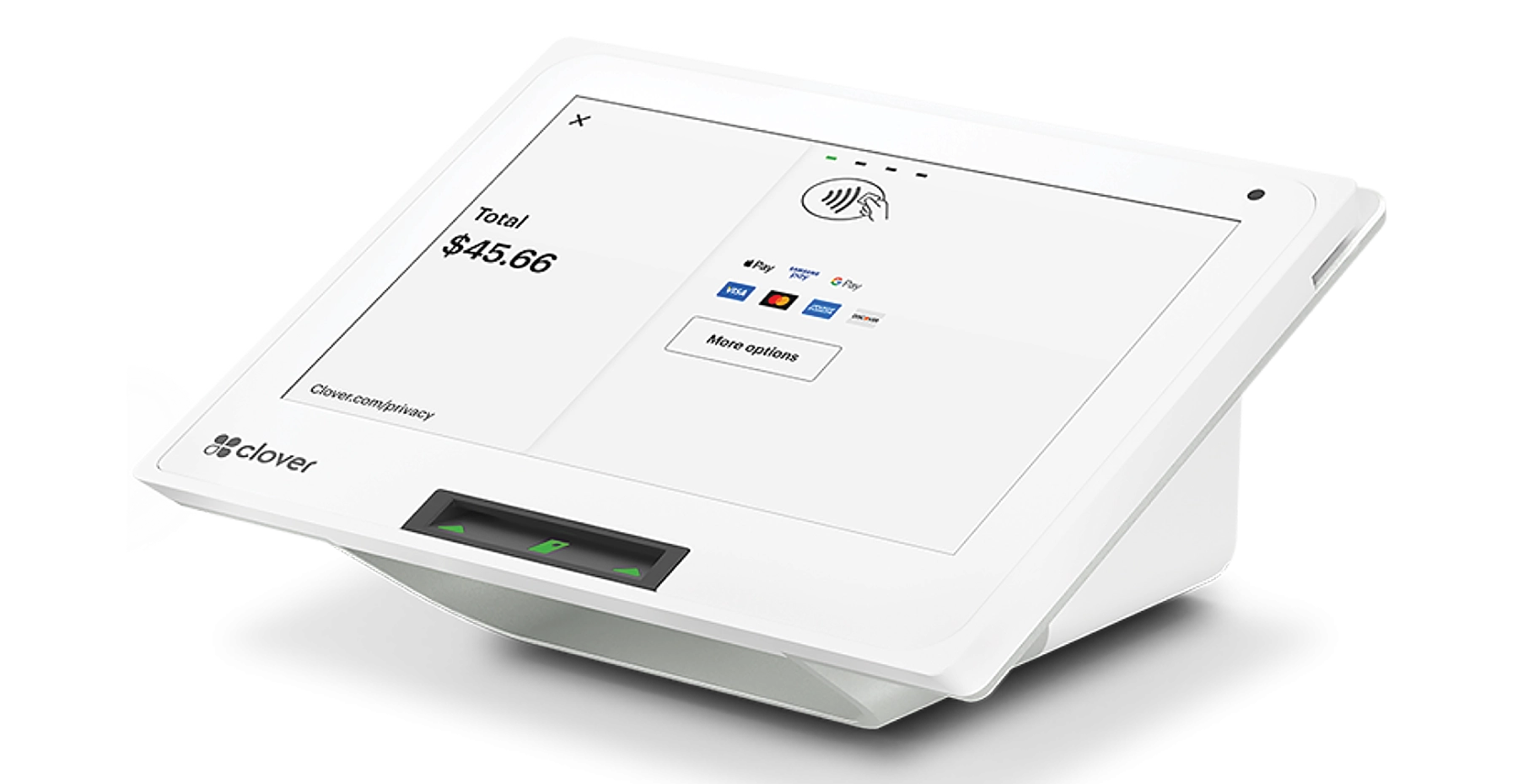
VMS Takeaway: If you’re a restaurant or salon owner using a Clover POS system, now’s the time to update your settings and prep for a shift in tip reporting behavior.
Carve-Outs and Deductions: More Sweet Spots
For those in transportation, logistics, and trades, the bill introduces new tax deductions:
- Car Loan Interest Deductions for U.S.-Made Vehicles: A big win for delivery drivers and mobile service professionals.
- SALT Deduction Cap Raised to $40K: This benefits business owners in high-tax states like New York, California, and Illinois.
These deductions could improve cash flow for owner-operators and self-employed contractors, who often operate on razor-thin margins.
MAGA Accounts and Workforce Development
The bill introduces MAGA Savings Accounts (“Money Accounts for Growth and Advancement”), allowing families to set aside up to $1,000 annually per child tax-free for education or skill development.
While this sounds like a family benefit, there’s a long-term play here. If you run a small business in trades, hospitality, or tech, this initiative may eventually create a more skilled labor pool. Combined with new “Workforce Pell Grants” for trade students, small businesses could gain easier access to trained workers without shouldering full training costs.
Healthcare Reforms: Relief or Red Tape?
OBBBA introduces strict Medicaid work requirements and redefines how often enrollees must verify their eligibility. It also bars federal funds from being used for certain gender-affirming care and abortion-related services.
While the cultural and ethical implications are hotly debated, here’s what small business owners need to focus on:
- Reduced Medicaid rolls could shift more low-income workers toward seeking employer-sponsored coverage.
- Potential savings on employer-provided insurance could be offset by higher compliance burdens if you offer healthcare benefits.
If you’re not offering employee health plans now, expect more questions from staff in the near future. And if you are, you’ll want to work closely with your benefits provider to navigate any new regulations.
Defense, Borders, and Domestic Spending
The bill includes:
- $70 billion for border enhancements (including $46.5 billion for wall expansion)
- $150 billion in new defense spending
- $25 billion earmarked for the new “Golden Dome” missile defense system
While these national initiatives might seem detached from small business life, they can ripple into local economies. For example:
- Border states may see labor force changes or increased costs for certain supplies and services.
- Contractors and subcontractors in defense-related industries may find new opportunities in manufacturing and R&D.
AI, Regulation, and the Courts
In a nod to Silicon Valley and Main Street tech entrepreneurs alike, the bill proposes a 10-year moratorium on state-level AI legislation. It also limits federal courts’ power to enforce national injunctions.
This could mean:
- More consistency across states in how AI tools can be used in hiring, customer service, or sales.
- Fewer legal minefields for businesses using automation and AI-enhanced tools.
For businesses exploring ChatGPT, AI sales agents, or virtual assistants, this is a big green light to move forward without fear of conflicting state laws.
The Controversies: What’s Not Being Talked About Enough
While the bill is dense with financial goodies, critics argue that it lacks meaningful funding for:
- Small business grants or emergency relief programs
- Affordable housing development
- Rural broadband expansion
It also rolls back environmental regulations, which could result in lower utility costs but raise ethical concerns among eco-conscious consumers.
Bottom line? You may save more money in the short term but face higher scrutiny from socially-minded customers if your business doesn’t align with their values.
So, What Does This Mean for Small Businesses Like Yours?
If you’re a small business owner, the One Big Beautiful Bill offers both real opportunities and some new complications. Here’s a recap:
Pros:
- More take-home income for tipped workers
- Permanent tax deductions for pass-through entities
- Bonus depreciation = better incentives to invest in new tech or equipment
- MAGA and Pell funding could boost labor quality
- AI-friendly regulatory climate
Cons:
- National debt increase could mean higher interest rates later
- Healthcare changes might add compliance work
- Lack of direct funding for micro-businesses or startups
Why This Matters to Velocity Merchant Services Customers
At VMS, we believe in empowering small businesses to thrive no matter who’s in office or what the economy looks like. This bill, if passed, could:
- Make our Cash Discount Program even more attractive as labor and tax costs evolve
- Highlight the value of upgraded POS systems that help with tip tracking, tax deductions, and AI-driven insights
- Create a stronger case for smart capital investments, which we help finance through working capital solutions
So whether you’re running a food truck in Chicago, a nail salon in Dallas, or a boutique in Brooklyn, the Big Beautiful Bill could be a turning point. And we’re here to help you make the most of it.
Believe in Small Business. Believe in Yourself.