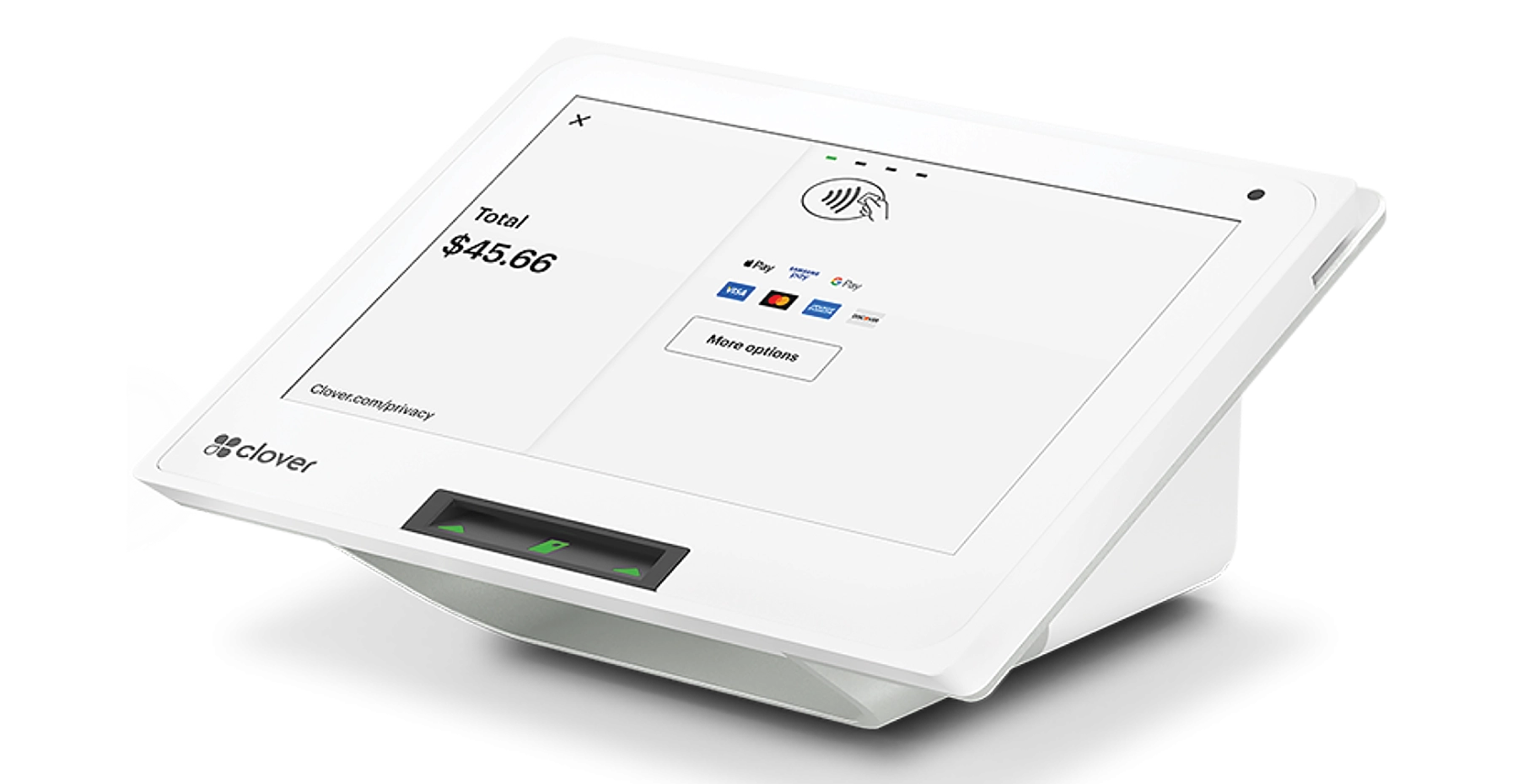


TL;DR
-
Payments in 2026 move faster and feel more “invisible,” which changes cash flow and risk.
-
Tap-to-Phone becomes a practical option for starting fast and accepting payments anywhere.
-
AI shopping pushes checkout into chat, links, and embedded experiences—not just websites.
-
Fraud shifts toward social engineering, so layered controls and better dispute proof matter.
-
Privacy and compliance expectations expand again, and “we’ll deal with it later” gets expensive.
-
Fees and regulation remain messy—clear guidance becomes a competitive advantage.
Payments in 2026: The Big Shifts (and What They Mean for Small Businesses)
Payments is one of those industries where everything looks the same—until you blink and the checkout experience changes. And payments in 2026 are shaping up to be a “blink” year.
Customers want faster, simpler, more invisible ways to pay. The industry is responding with new rails, new form factors, and buying journeys that don’t always look like shopping. Meanwhile, fraudsters are doing what they always do: adapting faster than your average policy update.
This blog breaks down the biggest trends shaping payments in 2026, what they mean for small and mid-sized businesses, and how to turn these shifts into practical moves—not buzzwords.
1) Real-time rails turn speed into an expectation
For years, “faster payments” sounded like a future feature. But payments in 2026 are pushing speed into daily operations.
What that means in real life:
-
Merchants want faster access to funds
-
Customers expect faster refunds
-
B2B payments (contractors, suppliers, service providers) need better options
-
The old “2–3 days” norm is starting to feel outdated
The flip side is risk. Faster money movement means less time to catch mistakes and scams—so payments in 2026 force businesses to think about controls as much as convenience.
What smart businesses do
-
Treat payout speed like a feature (cash flow timing matters)
-
Pair faster movement with better verification and monitoring
If funding timing and closeouts are already confusing, this internal guide is a strong foundation:
2) Tap-to-Phone becomes the “starter terminal” for many businesses
In payments in 2026, more merchants are asking:
“Can I just take payments on my phone?”
Tap-to-Phone (SoftPOS) makes that possible for the right businesses. It’s especially useful for:
-
home services and contractors
-
food trucks and markets
-
events and pop-ups
-
line-busting during rushes
-
backup acceptance when a main register is tied up
Where it can bite you:
-
very high-volume lanes (ergonomics + speed matter)
-
high-ticket environments (fraud controls must be tighter)
-
weak connectivity (offline limitations matter)
Bottom line: Tap-to-Phone won’t replace terminals everywhere, but it will become a default option in more SMB packages as payments in 2026 keep prioritizing speed and flexibility.
3) AI shopping changes where checkout happens
This is the trend that sneaks up on people because it doesn’t look like “payments.” But payments in 2026 are absolutely influenced by where shopping starts.
The checkout “moment” is spreading across:
-
chat experiences
-
payment links
-
embedded checkout
-
invoices
-
marketplaces and partner ecosystems
In plain English: in payments in 2026, customers may buy without ever visiting your website the traditional way.
What wins
-
simple, mobile-friendly payment experiences
-
clean payment links + invoicing
-
clear proof-of-intent (because disputes will get weird if “my AI did it” becomes an excuse)
If you need a clean foundation for selling online, this internal guide helps:
4) Fraud evolves: less “stolen card,” more “tricked human”
Fraud never sleeps—it just changes outfits. And payments in 2026 are seeing more fraud that targets people, not plastic.
Expect more:
-
social engineering scams
-
fake invoices and vendor fraud
-
refund scams
-
“friendly fraud” disputes (“I don’t recognize this”)
-
more believable deception powered by AI tools
That’s why fraud prevention in payments in 2026 is less about one magic setting and more about layers:
-
customer verification
-
velocity limits
-
clearer refund/return policies
-
stronger documentation
-
better dispute evidence
If a business treats fraud like “random bad luck,” payments in 2026 will teach them the hard way.
5) Stablecoins become a settlement story, not a checkout fad
Most customers are not walking into Main Street businesses demanding stablecoin checkout. But behind the scenes, stablecoins are increasingly explored as settlement infrastructure—part of the plumbing that could shape payments in 2026 and beyond.
The short version:
-
You probably won’t “accept stablecoins” at the counter
-
But settlement innovations could influence cross-border flows and always-on money movement over time
Think of it like fiber under the street: not glamorous, but powerful if it improves speed and cost without creating compliance chaos.
6) Privacy becomes operational (not optional)
If you handle customer data (you do), privacy expectations keep rising. Payments in 2026 make privacy a real business process—not just a policy page.
Why it matters:
-
more consumer data requests
-
more vendor questionnaires
-
more scrutiny on how long you keep data and why
What strong operators do
-
map data flows
-
tighten retention
-
test deletion/access processes
-
make sure vendors can support obligations
If you want a legit general reference point for privacy expectations:
7) Fees and regulation stay messy—clarity wins
Interchange, routing, and network rules remain complicated. Merchants will keep asking:
-
“Why did my effective rate change?”
-
“Can I surcharge? Should I?”
-
“Cash discount vs surcharging—what’s the difference?”
The reality is payments in 2026 reward transparency. Providers who explain clearly win. Those who hide behind jargon lose.
A simple checklist for payments in 2026
If a small business asked, “What should I do this year?” here’s the no-fluff list:
-
Make checkout easier on mobile
-
Add modern acceptance options (contactless + Tap-to-Phone where it fits)
-
Tighten fraud basics: verification, policies, evidence, monitoring
-
Know your data: what you store, why, where, and how to delete it
-
Don’t chase hype—chase outcomes: speed, approvals, fewer disputes, better customer experience
Final thoughts
Payments in 2026 reward businesses (and payment partners) who do three things well:
-
Move money faster
-
Make buying simpler
-
Build trust on purpose (security + privacy + transparency)
If you want help translating payments in 2026 into a real plan for your business—hardware, online checkout, fraud tools, pricing, reporting, or payout speed—Velocity Merchant Services can help you map the cleanest path forward.