

by Jackie Navarrete
Imagine this: You’re on a beach in Cabo, sipping something fruity, and while you’re enjoying the view, your AI assistant just booked your return flight, restocked your fridge, and scheduled a haircut for next week. You didn’t lift a finger. That’s not science fiction anymore—it’s the future Visa, OpenAI, and Microsoft are building right now.
In 2025, shopping is evolving beyond clicks and carts. The future? Conversational agents that buy things for you. Visa is piloting a program that enables AI-powered assistants to make real purchases on your behalf—securely, smartly, and with shocking efficiency. And if you’re a small business owner? You’d better believe this is something you want to pay attention to.

The Partnership Making Headlines: Visa, OpenAI & Microsoft
In a move that’s shaking the digital payment world to its core, Visa has teamed up with OpenAI and Microsoft to let artificial intelligence agents complete transactions independently. These agents don’t just give you product suggestions or answer questions. They act on your behalf.
Using natural language processing and secure transaction protocols, these AI agents can browse inventory, compare prices, understand preferences, and make real-time decisions about where and how to spend your money—within the guardrails you define.
According to AP News, Visa envisions a world where digital assistants powered by tools like ChatGPT and Microsoft’s Azure AI framework can handle full transactions, from cart to checkout. They’re calling it a massive leap forward in autonomous commerce.
Wait… So the AI Just Buys Stuff for Me?
Yep. And it’s smarter than you think.
Let’s break it down:
How It Works for Consumers
You give your AI assistant a task, like:
-
“Buy paper towels and restock the fridge.”
-
“Book me a flight to Denver next Friday, return Sunday.”
-
“Find a birthday gift for my mom. Budget $75.”
From there, the AI:
-
Searches across multiple retailers or vendors
-
Evaluates reviews, prices, delivery time
-
Confirms product compatibility or user preferences
-
Makes the purchase within your parameters
-
Uses a digital payment credential—likely managed by Visa—to securely complete the transaction
And if you’re wondering whether it’s like giving your credit card to a robot—don’t worry. Visa’s building tokenized, fraud-proof systems with visibility and approval structures. You’re still in control; you just don’t have to click all the buttons anymore.
Why Visa Is All-In on AI Shopping Assistants
This isn’t just about convenience—it’s about staying competitive in an increasingly frictionless marketplace.
Visa processes over 250 billion transactions annually. Their job is to make payments seamless, secure, and everywhere. The rise of AI assistants introduces a new player to that equation: the AI consumer.
If AI agents become the go-to “shoppers” for everyday purchases, Visa wants to ensure it’s their rails those transactions run on. This isn’t a gimmick—it’s a major strategic pivot.
What’s In It for Small Business Owners?
If you’re a small business owner, you might be wondering: “Cool, but how does this help me?”
Here’s how:
1. AI Agents Could Bring You More Customers Automatically
AI assistants don’t care about brand loyalty—they care about speed, price, quality, and availability. If your product is listed and your checkout is AI-friendly, boom—you’re in the running.
The key is making sure:
-
You’re listed on marketplaces or your own site is integrated with AI-ready tools
-
You offer competitive pricing and delivery timelines
-
Your business accepts modern payment methods, including tokenized and contactless payments
2. Repeat Purchases Become Effortless
Imagine an AI agent that remembers your customer’s dog food preferences, reorder dates, and brand loyalty—and reorders for them monthly. No ads. No friction. Just revenue.
That means more predictable income and lower marketing costs for your business.
3. You’ll Need to Optimize for Voice and AI Search
Gone are the days of stuffing your site with keywords just for Google. Now, you’ll want to optimize for AI agents that are reading your site and evaluating your offer on behalf of consumers.
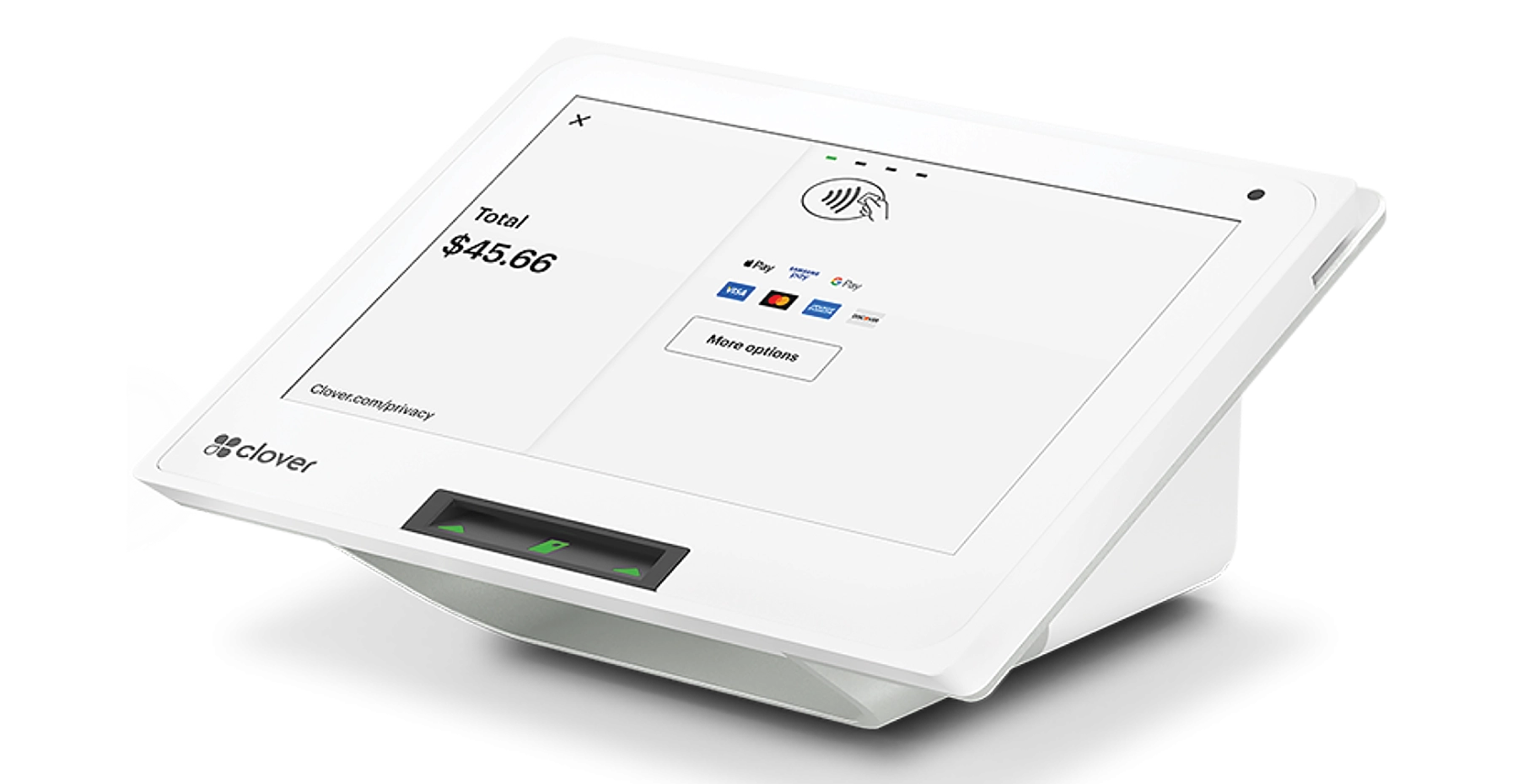
Think of your Clover POS synced with your inventory in real time, integrated into platforms that talk to these AI agents. That’s where VMS helps—you don’t just get a POS; you get a future-ready system.
Use Case: Grocery Shopping in 2026
Let’s walk through a real-world example.
Customer: Emily, busy mom of 3
AI Agent: “Kai,” powered by OpenAI
Task: “Order groceries for the week, stay under $125.”
Kai:
-
Reviews Emily’s past orders and dietary restrictions.
-
Scans local stores and online grocers (like her neighborhood market using a VMS-integrated Clover POS).
-
Compares prices, identifies what’s on sale.
-
Places the order with delivery scheduled after school pickup.
-
Emails Emily a receipt and alerts her if substitutions were made.
Emily didn’t open a single app. The market that received her order? They just made another sale without lifting a finger.
What About Security and Fraud?
This is where Visa shines. They’re not new to protecting transactions.
Visa is building this system with multiple layers of protection, including:
-
Tokenization: Your actual card number is never shared.
-
Spending caps: You set limits so the AI doesn’t go rogue.
-
Biometric and passcode approvals for certain transactions.
-
Behavioral monitoring to detect anomalies.
Visa’s existing fraud prevention tools—now supercharged with AI models that analyze billions of data points—are being layered into this system to ensure peace of mind.
Potential Risks and Ethical Questions
Anytime AI makes decisions for humans, questions come up.
Can the AI be manipulated?
If merchants game SEO or offer kickbacks for preferred placement, AI agents might favor those businesses unfairly. Visa, Microsoft, and OpenAI will need to build ethical guardrails.
Who’s accountable for a bad purchase?
If your AI buys the wrong thing—or worse, a scam product—who pays? These are the legal frameworks currently being debated.
Will this replace traditional e-commerce jobs?
Possibly. But it also creates new opportunities in AI prompt optimization, AI commerce design, and trust-based selling.
How to Prepare Your Business Right Now
Small business owners can’t afford to wait until AI shopping agents are mainstream. You need to get AI-ready now:
Accept modern payment methods (tokenization, contactless, and secure gateways)
List your products on online marketplaces where AI agents shop
Optimize your inventory visibility using tools like Clover POS
Work with payment processors like Velocity Merchant Services who help integrate your business with future-proof tech
Start testing AI tools to automate your marketing, customer service, and operations
VMS Can Help You Keep Up With the Future
At Velocity Merchant Services (VMS), we believe in empowering small businesses to thrive in every new wave of technology. Whether it’s helping you set up a cloud-based POS, implement a cash discount program, or future-proof your operations with AI-compatible tools, we’ve got your back.
The future isn’t coming—it’s here. And it’s being delivered by Visa, OpenAI, and Microsoft on a silver (digital) platter.
So ask yourself:
Is your business ready for AI shoppers?
Because they’re already browsing. And they’re ready to buy.
Not sure how these changes affect your business?
VMS keeps merchants ahead of card network rules, fee changes, and compliance deadlines — with a specialist who explains what actually matters for your store.
Or call our team: 888-902-6227
Final Thoughts
The partnership between Visa, Microsoft, and OpenAI is a bold step into the era of autonomous commerce. AI agents that make purchases on your behalf may seem futuristic now, but they’ll soon be as common as using Alexa to play music or Siri to set reminders.
If you’re a small business, this is your cue to get ahead—not catch up. Get listed, get optimized, and get partnered with the right tech and payment providers.
And if you’re looking for a starting point?
Start with VMS. We’re already thinking 10 steps ahead—so you don’t have to.
Have questions about these changes?
Fill out the form below and a VMS payment specialist will contact you shortly.