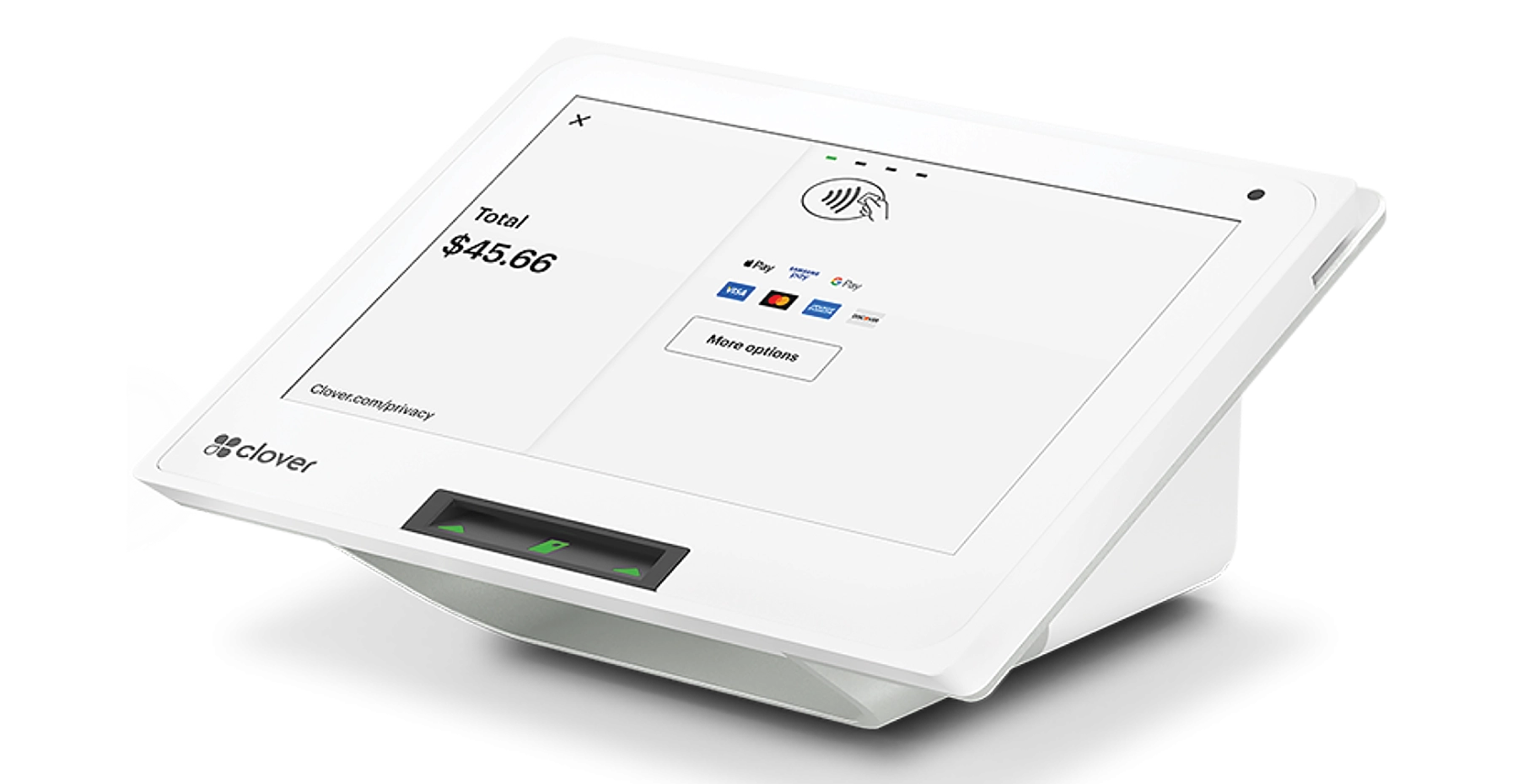


Most small business owners focus on marketing, staffing, pricing, and inventory. But there’s one place where profits quietly leak every single day — the checkout.
Checkout mistakes don’t always look dramatic. There’s no alarm when a customer walks away. No notification when a card declines unnecessarily. No report that shows how many people didn’t come back because checkout felt slow, awkward, or confusing.
But those mistakes add up. And in 2025, businesses that ignore checkout inefficiencies will fall behind businesses that fix them.
Let’s break down the most common checkout mistakes small businesses make, why they’re so expensive, and how modern payment systems fix them.
Why Checkout Mistakes Matter More Than Ever
Consumers have changed — fast.
Today’s customers expect:
-
Speed
-
Clarity
-
Flexibility
-
Familiar payment options
According to Visa, friction at checkout is one of the top reasons transactions fail or are abandoned. Meanwhile, research from Baymard Institute shows that unnecessary checkout friction can cause abandonment rates of over 20%.
For small businesses, checkout mistakes don’t just hurt one sale — they hurt:
-
Repeat business
-
Online reviews
-
Staff efficiency
-
Cash flow
Fixing checkout is often the fastest way to increase revenue without spending more on marketing.
Checkout Mistake #1: Slow or Outdated Payment Hardware
If your terminal feels slow, your customers feel it too.
Outdated equipment causes:
-
Longer lines
-
Frustrated customers
-
Staff rushing and making errors
-
Abandoned purchases
Even a few extra seconds per transaction compounds during busy hours.
This issue is closely tied to what we covered in our internal guide on Why POS Systems Run Slow — aging hardware, outdated software, and poor connectivity are silent revenue killers.
Fix:
Modern cloud-based POS systems process transactions faster, handle updates automatically, and support newer payment methods without lag.
Checkout Mistake #2: Not Offering Tap-to-Pay and Mobile Wallets
In 2025, not offering tap-to-pay isn’t “old school.” It’s inconvenient.
According to Apple Pay usage data and Federal Reserve payments research, mobile wallets continue to grow year over year — especially among Millennials and Gen Z.
Customers increasingly expect:
-
Tap-to-pay
-
Apple Pay
-
Google Pay
When those options aren’t available, customers either:
-
Switch payment methods reluctantly
-
Ask staff questions (slowing checkout)
-
Or abandon the purchase entirely
This ties directly into another internal post, The 5-Second Rule for Checkout, which explains why every extra step costs sales.
Fix:
Enable NFC-ready terminals that support all major wallets by default.
Checkout Mistake #3: Confusing Pricing, Fees, or Signage
Few checkout mistakes cause more emotional friction than surprise pricing.
Common examples:
-
Fees appearing only at checkout
-
Poorly explained cash discount or dual pricing
-
Receipts that don’t clearly show totals
Customers don’t mind transparency — they mind surprises.
This problem is deeply connected to how businesses implement pricing programs. We break this down further in Should You Pass Your Processing Fees to Customers?.
Fix:
Use POS systems that:
-
Clearly display pricing before payment
-
Print or email itemized receipts
-
Support compliant dual pricing and cash discount signage
Clarity at checkout reduces disputes, chargebacks, and negative reviews.
Checkout Mistake #4: Declined Cards That Shouldn’t Decline
False declines are one of the most expensive checkout mistakes — and one of the least visible.
Customers don’t always try again. Many simply leave.
According to Federal Reserve payments data, false declines cost U.S. businesses billions annually in lost revenue.
Common causes include:
-
Old terminals
-
Poor network routing
-
Limited fraud logic
-
Lack of fallback options
Fix:
Modern payment systems use smarter authorization routing, better fraud filtering, and backup connectivity to reduce unnecessary declines.
Checkout Mistake #5: No Card-on-File for Repeat Customers
If customers pay you regularly and still have to re-enter payment details every time, you’re creating friction where none needs to exist.
Industries where this hurts the most:
-
Auto repair
-
Salons and spas
-
Gyms
-
Professional services
-
Contractors
This checkout mistake leads to:
-
Missed payments
-
Awkward follow-ups
-
Slower cash flow
It also increases chargeback risk when customers forget what they authorized.
Fix:
Secure card-on-file solutions with tokenization reduce friction and speed up checkout for repeat business.
Checkout Mistake #6: No Text-to-Pay or Remote Payment Options
Not all checkout happens at the counter anymore.
Customers increasingly expect to:
-
Pay by text
-
Approve invoices remotely
-
Complete payment without calling
When businesses rely only on in-person checkout, they slow down cash flow and increase unpaid invoices.
This ties directly into modern invoicing trends and what we’ve discussed in Text-to-Pay FTW.
Fix:
Offer secure payment links via text or email that integrate directly with your POS and accounting tools.
Checkout Mistake #7: Poor Returns and Refund Handling
Returns are part of business — but messy returns are optional.
Common checkout mistakes include:
-
Manual refunds
-
Inconsistent policies
-
Long wait times
-
Confusing receipt requirements
This creates frustration long after the original sale.
According to consumer experience research from PwC, poor post-purchase experiences significantly reduce repeat visits.
Fix:
POS systems should handle:
-
Fast refunds
-
Original payment method returns
-
Clear return receipts
-
Inventory adjustments automatically
Smooth returns actually increase customer trust.
Checkout Mistake #8: No Data on Checkout Performance
If you can’t measure checkout performance, you can’t improve it.
Many small businesses don’t track:
-
Average transaction time
-
Decline rates
-
Peak checkout bottlenecks
-
Payment method usage
That makes checkout problems invisible.
Modern POS reporting — something we’ve highlighted in The Hidden Clover Features — turns checkout into a measurable, improvable system.
Fix:
Use reporting tools that show where checkout slows down and where revenue leaks occur.
Checkout Mistake #9: Treating POS as “Just a Register”
In 2025, checkout isn’t a standalone moment — it’s part of your entire operation.
Businesses that treat POS systems as simple registers miss:
-
Inventory insights
-
Loyalty opportunities
-
Staff performance data
-
Upsell moments
This mistake limits growth.
Fix:
Use POS platforms that act as an operating system — not just a payment endpoint.
How Fixing Checkout Mistakes Impacts Revenue Immediately
Fixing checkout mistakes doesn’t require:
-
New locations
-
New staff
-
New marketing budgets
It improves:
-
Conversion rates
-
Speed of service
-
Customer satisfaction
-
Cash flow
That’s why checkout optimization is one of the highest ROI improvements a small business can make going into 2025.
Final Thoughts: Checkout Is Where Trust Is Won or Lost
Customers may discover your business through marketing — but they judge it at checkout.
Every delay, decline, or confusion moment chips away at trust. Every smooth, fast, transparent transaction builds it.
Checkout mistakes aren’t just technical issues. They’re customer experience issues. And in 2025, experience is revenue.
If you’re not sure whether your checkout setup is helping or hurting your business, now is the time to evaluate it — before those small leaks become big losses.