

When a customer walks into your business, you want everything to run smoothly—especially when it’s time to pay. Whether you’re running a busy restaurant, a boutique retail store, or a spa with back-to-back appointments, your point-of-sale (POS) system should be helping you move faster, not slowing you down.
Many businesses, including retail stores and small businesses, face common POS issues that can impact operations and lead to costly mistakes.
But when your POS lags, crashes, or freezes mid-transaction, it doesn’t just create frustrated customers—it creates friction between you and your customers. Every second a customer waits is a second where satisfaction drops, long queues form, and productivity takes a hit.
Inefficient POS systems can lead to significant productivity losses, costing businesses thousands of dollars in lost sales.
If you’re asking yourself, “Why is my POS system running slow?”—you’re not alone. Below are the most common reasons POS systems slow down and, more importantly, how to fix them before they start costing you time and sales.
A lengthy checkout process frustrates customers and leads to abandoned carts.
1. Your Hardware is Outdated
One of the top reasons POS systems start slowing down is simple: the equipment is too old. Legacy systems and outdated POS hardware, including POS terminals, can cause significant operational inefficiencies. Like any technology, POS systems have a shelf life. As your business grows and the software powering your system gets updated, older hardware may struggle to keep up. Things like limited memory (RAM), an outdated processor, or incompatible components can bottleneck your performance.
If you’re running a system that’s more than 4–5 years old, it may be time for an upgrade—especially if you notice lag during peak hours or experience frequent crashes. Older POS systems often lag during peak hours, take too long to load screens, and slow down payment processing.
Outdated POS systems can add unnecessary time to transactions, resulting in lost revenue opportunities during peak hours. Additionally, older POS systems become more vulnerable to security breaches as time goes by. Physical components such as card readers and receipt printers can also fail during high-stress periods, further impacting transaction speed and reliability.
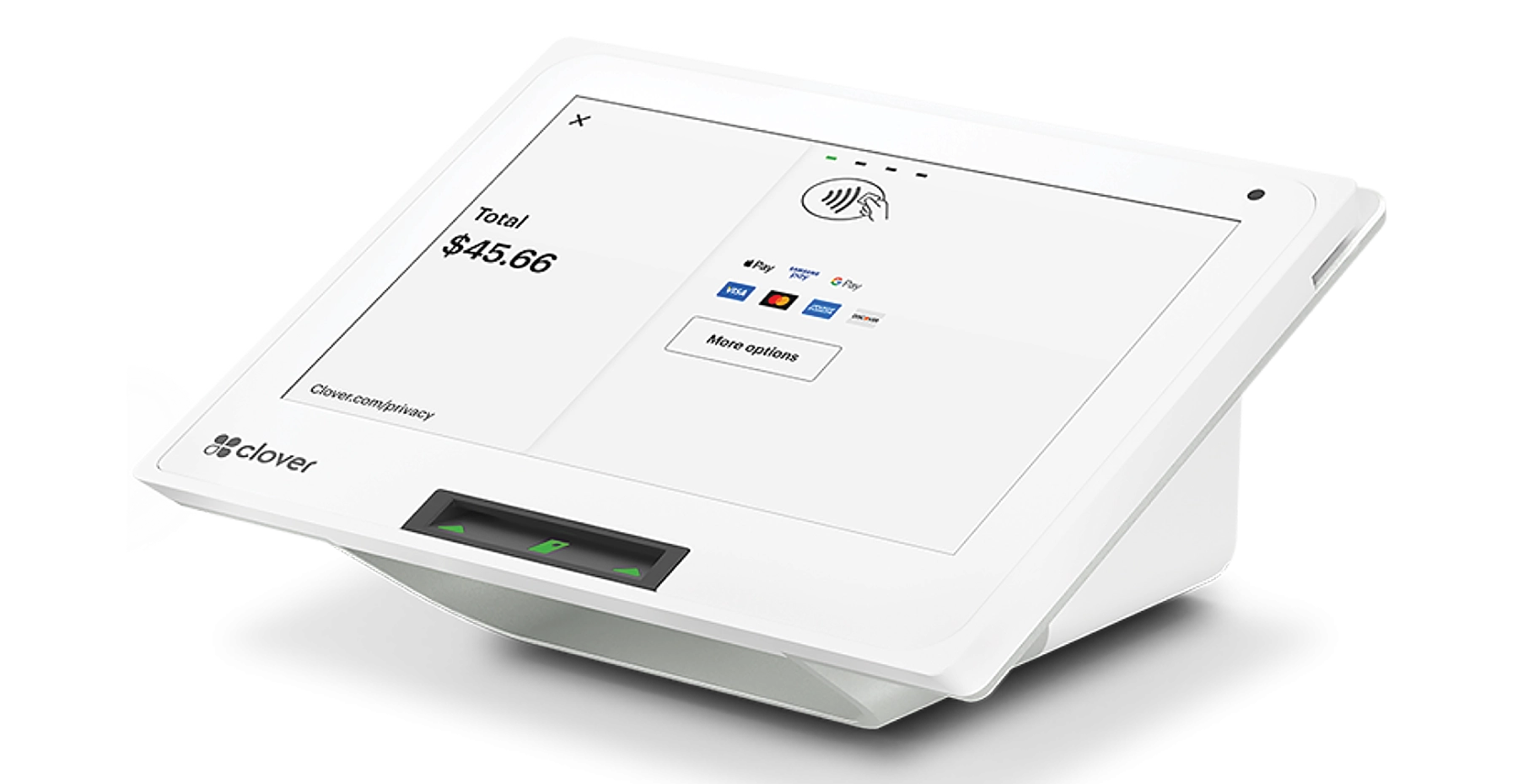
Newer POS systems like Clover® are designed with speed, flexibility, and processing power that matches modern software requirements, making it essential to upgrade your POS to maintain efficiency and security.
2. Cheap Systems = Cheap Performance
It’s tempting to go with the most affordable option when choosing your POS system—but low-cost systems often come with hidden costs in the form of lost time and unhappy customers. Bargain POS systems may have underpowered hardware, unreliable touchscreens, or limited integration options, which can all contribute to a sluggish experience. Choosing the right POS solution can help you avoid surprise charges and ensure reliable performance. Seamless integration with your payment processor is crucial to prevent transaction delays and errors. Integration failures create a productivity tax by forcing staff to manually enter data repeatedly, which increases labor costs and reduces overall efficiency.
Investing in a high-quality POS system from the beginning means faster transaction times, smoother checkouts, and fewer tech headaches down the road. An intuitive interface allows staff to learn the system quickly and reduces errors. Seamless integration with other systems, such as kitchen displays and inventory management, further enhances operational efficiency.
3. Your Internet is Slowing You Down
If your POS system is cloud-based (which most are today), a strong, stable internet connection is non-negotiable. A sluggish network can make it feel like your entire POS is broken when really it’s just the Wi-Fi. Automatic updates in cloud-based POS systems require a stable internet connection to ensure the system remains current and reliable. POS systems generally require an internet speed of at least 25 Mbps for quick service. Modern POS systems, especially cloud-based ones, require a live connection to authorize payments. Using an offline mode for POS can help continue processing transactions when the internet is down. High-volume traffic can slow down data transmission between the terminal and the payment processor.
To figure this out, check how other devices—like your mobile phone or back-office computer—are performing. If everything feels slow, your internet connection could be the issue. A simple upgrade to business-class Wi-Fi or a wired Ethernet connection can dramatically improve POS responsiveness. Also, keep your router in an open, unobstructed space and consider a backup internet connection for high-volume businesses. Wi-Fi is generally less stable than a wired Ethernet connection for POS systems.
4. Your POS is Unprotected
Security isn’t just about preventing fraud—it’s about protecting performance. Malware, unauthorized downloads, and unnecessary programs can slow your POS system to a crawl. If your terminal is being used to browse social media, check personal email, or download files, you’re opening the door to slowdowns and security vulnerabilities.
To protect performance and data, keep your POS system isolated from personal use. Run it on a private, secure network—not open public Wi-Fi. Regular software updates, antivirus programs, and audits from your POS provider or IT support team can go a long way in keeping things smooth and secure.
5. High Usage
If your business is booming, that’s great news—but high transaction volume can overwhelm a system that wasn’t designed for that level of use, especially during busy periods, peak periods, and peak times when customer foot traffic and transactions surge. Maybe your POS worked fine when you first opened, but now you’re handling double the customers and running multiple registers, making it important to choose the best POS devices for small businesses. Delays in point of sale system transactions are primarily caused by network connectivity issues, hardware malfunctions, software glitches, and human error. During these high-traffic times, older POS systems often lag, leading to long queues and unhappy customers. Enabling multiple payment options, such as contactless payments, can speed up transactions and reduce wait times. Contactless payments process quickly, while traditional EMV chip transactions can take 4-5 seconds. A modern POS system can process payments in under 10 seconds consistently, even during peak periods. Modern POS systems also include redundancy features and fail-safes to prevent costly system crashes and POS downtime during peak periods. POS downtime leads to operational disruptions, lost sales, and increased costs. Additionally, modern POS systems provide real-time dashboards and analytics to help businesses understand trends and optimize performance, while a lack of real-time reporting can hide revenue opportunities and hinder decision-making.
This is a sign it’s time to scale. Upgrading your POS or sale system or adding extra terminals can relieve the pressure on your current setup, reduce wait times, and allow your staff to serve more customers at once—without the stress.
What to Do Next
If you’re tired of dealing with slow systems, freezing screens, and lines that just won’t move, it’s time to make a change. Switching to a digital POS system with 24/7 support can transform your business. Staff training is essential—even the most user-friendly POS systems require you to train staff to use them effectively and avoid slow transactions or mistakes. Inadequate training can lead to inefficiencies and errors in using the POS system, but providing comprehensive training for staff on effective POS use can reduce these issues. A clean and intuitive POS interface can also speed up staff training and reduce errors during transactions. Modern systems like Clover are built for speed, reliability, and flexibility, so it’s important to pick the right Clover POS plan for your specific business needs. They grow with you, integrate seamlessly with inventory and payment systems, and ensure that help is always just a phone call or message away. Integrating customer data into your POS system can improve marketing efforts and personalize customer experiences, while real-time product lookup capabilities help staff provide accurate information to customers. Implementing an inventory management system that integrates with your POS can improve stock accuracy and reduce lost sales. Choosing a POS system that supports multi-channel retailing can enhance customer experience and streamline operations. Real-time reporting capabilities in a POS system can help business owners understand trends and optimize performance.
Velocity Merchant Services offers a free consultation where we’ll walk you through the best POS options for your business and your budget. Whether you need faster processing, more terminals, or better reporting tools, we’ll connect you with a Clover® specialist who can get you set up with a system that won’t leave your customers—or your staff—waiting.
**Don’t let a slow POS system slow down your success.**Contact Velocity Merchant Services today and discover how a faster, smarter POS can make your business more efficient, more profitable, and more enjoyable to run.
Still running an outdated register?
VMS sets up a modern Clover POS matched to how your business actually runs — installed, configured, and supported by a team that answers the phone.
Or call our team: 888-902-6227
Have questions about POS systems?
Fill out the form below and a VMS payment specialist will contact you shortly.