

If you operate a gas station or convenience store, accepting EBT in 2025 is no longer just a “nice-to-have.” It’s a revenue engine hiding in plain sight.
Every month, millions of Americans shop at c-stores for everyday essentials—and a large percentage rely on SNAP (Supplemental Nutrition Assistance Program) and EBT Cash benefits to make those purchases. Yet thousands of gas stations and c-stores still don’t accept EBT because they either think they don’t qualify, the process feels overwhelming, or they misunderstand what SNAP benefits can be used for.
This guide will walk you through everything you need to know—eligibility, requirements, equipment, training, compliance, setup, and more—so you can start capturing a high-intent customer base that already shops at gas stations like yours. In 2025, ebt for gas stations is one of the most direct ways to turn fuel traffic into in-store sales.

Why Gas Stations & C-Stores Are a Perfect Fit for EBT
Convenience stores are among the most frequent shopping destinations for SNAP households, which is why ebt for gas stations has become a priority topic for many operators. According to USDA data, the average SNAP household spends over $200 per month at convenience stores alone. That number continues to grow as more consumers rely on c-stores for quick access to food, drinks, and staples.
If you own or operate a gas station, the benefits of offering EBT at your gas station are even greater:
-
Customers already stop for fuel—EBT acceptance increases in-store traffic
-
EBT users tend to make multiple visits per month
-
Added foot traffic increases sales of higher-margin items like beverages, snacks, and lottery
-
Accepting EBT sets you apart from competing stations in lower-income or rural areas
Simply put: if you’re not investing in EBT, especially structured ebt for gas stations, you’re leaving real money on the table.
What Gas Stations Can Accept EBT For (SNAP vs. EBT Cash)
Understanding what your customers can and cannot buy with their benefits is critical. Any long-term plan around ebt for gas stations depends on getting these categories right from day one. This affects your store layout, product mix, staff training, and compliance.
SNAP Benefits (Food Stamps)
SNAP covers food and beverage items intended for home consumption or immediate consumption without preparation by the retailer.
At gas stations and c-stores, this typically includes:
-
Packaged snacks (chips, nuts, crackers, cookies)
-
Beverages (milk, juice, soda, energy drinks, bottled water)
-
Bakery items and pastries
-
Pre-made sandwiches and salads that are cold
-
Single-serve grocery items (cereal, fruit cups, yogurt, cheese, etc.)
-
Frozen meals, microwaveable foods, ice cream
-
Pantry staples (bread, pasta, rice, canned goods)
SNAP does not allow:
-
Hot food prepared by the retailer (like hot dogs, hot pizza slices, hot sandwiches)
-
Alcohol
-
Tobacco
-
Vitamins or supplements
-
Household supplies (soap, cleaning products, paper goods)
-
Pet food
-
Fuel (gas or diesel)
For operators focusing on ebt for gas stations, hot food is the most common violation, so training your staff is essential.
EBT Cash (TANF, State Cash Benefits)
EBT Cash works like a debit card and can be used to buy almost anything in your store. That includes:
-
Fuel (gas, diesel)
-
Alcohol
-
Tobacco
-
Lottery tickets
-
OTC meds
-
Cleaning supplies
-
Toiletries
-
Non-food retail merchandise
-
Any SNAP-eligible food item
Customers can also use Cash Benefits to withdraw money from ATMs. A good EBT program for gas stations makes it easy for your staff to tell the difference between SNAP and Cash uses without slowing the line.
Common Misconceptions to Clear Up
Many gas station operators avoid applying for EBT because they misunderstand the rules, or they assume ebt for gas stations is too complicated or reserved for big chains. Here are the most common myths that hold people back:
-
Myth: Gas stations can’t qualify for SNAP.
-
Reality: Most c-stores and gas stations do qualify if they meet the stocking requirements.
-
-
Myth: You must sell fresh produce to be eligible.
-
Reality: Fresh produce helps, but USDA allows frozen and shelf-stable staples too.
-
-
Myth: You can’t sell hot food if you accept EBT.
-
Reality: You can sell hot food—just not to SNAP customers. You simply ring it up separately.
-
-
Myth: Only big chains can get approved.
-
Reality: Single-location independent operators are approved every day.
-
Why Gas Stations Should Accept EBT in 2026
1. Over 42 Million Americans Use SNAP Benefits
This is one of the most stable, recession-proof customer bases in the country, which is exactly why ebt for gas stations should be treated as a core revenue channel, not an experiment. When income drops, SNAP participation rises—meaning your store gains traffic during economic downturns, not the opposite. Owners who prioritize ebt for gas stations are choosing a customer base that doesn’t disappear when times get tough.
2. C-Stores Already Capture $200+ Monthly from SNAP Households
EBT customers rely on c-stores for:
-
Quick meal options
-
Snacks and beverages
-
Grocery fill-ins
-
Items they can’t get from larger stores immediately
Accepting EBT simply captures the spending that’s already happening in your category. With the right approach to EBT at gas stations, you’re redirecting existing demand to your location instead of sending it to a competitor.
3. Competitive Advantage in Low-Income or Rural Areas
If other nearby stations don’t accept EBT:
-
You become the preferred fueling destination
-
You capture repeat weekly visits
-
You gain loyalty from residents who shop based on necessity
For many shoppers, especially in rural routes or food deserts, ebt for gas stations is the deciding factor in where they stop and where they spend.
4. Higher In-Store Sales (Impulse + Add-Ons)
SNAP users often purchase both:
-
SNAP items (food/drinks), and
-
Non-SNAP items (lottery, cigarettes, hot food, etc.)
That extra foot traffic reliably boosts sales in categories with higher margins. When you think about EBT at your gas station, don’t just think “SNAP dollars”—think total basket size and lifetime customer value.
Requirements for Gas Stations to Accept EBT
To become an EBT retailer, gas stations must follow USDA’s Food and Nutrition Service (FNS) rules. These requirements ensure you stock enough staple foods—not just snacks. Any station evaluating ebt for gas stations will run into two key tests: the application review and the stocking rules.
The FNS Application Process (Step-by-Step)
The process includes:
-
Creating an online FNS retailer account
-
Submitting your c-store or gas station information
-
Providing documentation (owner ID, business license, store photos, product mix)
-
Passing the stocking review
-
Receiving your FNS Authorization Number (FNS#)
Approval usually takes 2–6 weeks, depending on documentation quality. You can review the official details on the USDA SNAP Retailer page at https://www.fns.usda.gov/snap/retailer, and VMS also breaks this down for merchants in its guide on how to become an EBT retailer at https://www.getvms.com/how-to-become-an-ebt-retailer/.
Understanding the “50% Rule” vs. the “Staple Food Category Rule”
You must qualify under at least one:
A. 50% Rule (primary criterion)
If 50%+ of your total sales come from staple foods, you automatically qualify.
This is rare for gas stations—but not impossible if you operate a hybrid store with significant grocery inventory.
B. Stocking Rule (the most common for gas stations)
Your store must stock staple foods in at least 3 out of 4 categories, including:
-
Dairy (milk, cheese, yogurt)
-
Bread/grains (bread, tortillas, rice, cereal)
-
Meat/poultry/fish (frozen meat, canned tuna, deli packs)
-
Fruits/vegetables (fresh, canned, or frozen)
Each category must include at least 3 varieties, and you must stock perishable foods in at least two categories. Frozen and shelf-stable items count toward compliance—which is why many locations exploring EBT acceptance qualify without massive inventory changes.
While rules vary slightly by state, the USDA is the primary governing body. A smart EBT strategy for gas stations always starts with federal rules, then drills down into state specifics.
Equipment Needed
To accept EBT, gas stations typically need:
-
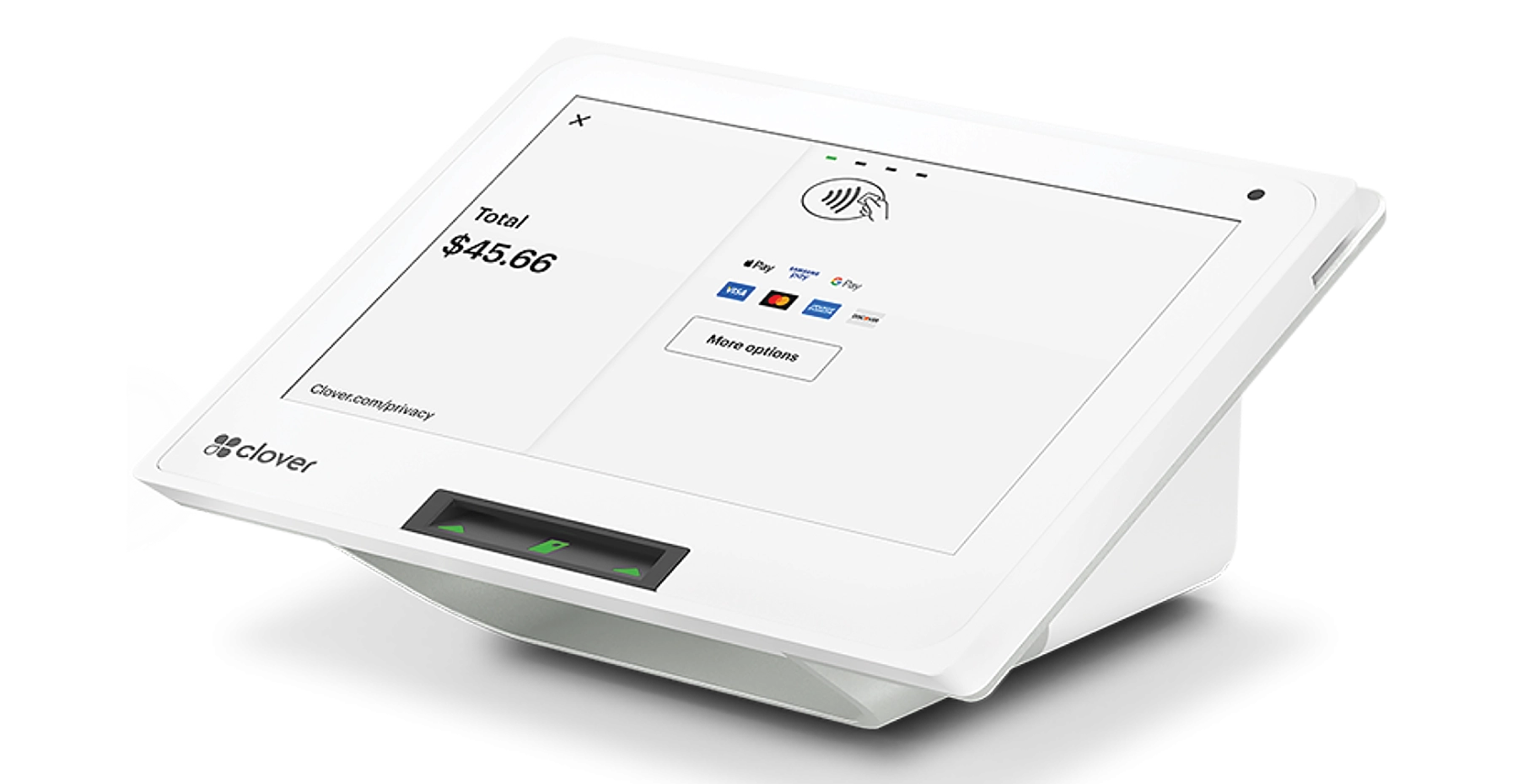
An EBT-certified payment terminal (must support Quest encryption)
-
A POS system capable of SNAP item flagging
-
Optional: pump-side PIN pads or payment readers for fuel transactions (varies by system)
If you use an older terminal, you may need an upgrade to meet current Quest standards. Investing in modern hardware is part of taking EBT seriously at the forecourt and inside, and treating ebt for gas stations as a long-term revenue stream—not a quick patch.
Technical Setup for EBT at Gas Stations
Quest Terminal Certification
Only terminals that support Quest encryption can process EBT. This ensures:
-
Secure PIN entry
-
Fast approval times
-
Compliant transaction routing
Most modern payment terminals can be certified, but older devices may not qualify.
POS Integration for Mixed Transactions
Gas stations often deal with baskets that combine:
-
SNAP items
-
Non-SNAP items
-
Fuel
-
Cash
-
Credit/debit
Your POS must:
-
Identify SNAP-eligible items
-
Separate SNAP-approved items automatically
-
Allow split-tender payments
-
Route fuel purchases to EBT Cash when needed
Modern c-store POS systems handle this automatically. If you are upgrading your POS as part of your ebt for gas stations rollout, choose a platform that has proven SNAP support. You can also review guidance on payment hardware in VMS’s POS hardware overview at https://www.getvms.com/pos-hardware-what-does-your-business-need/.
Pump Integration (Optional but Growing)
Some advanced POS systems allow customers to pay for:
-
Fuel using EBT Cash
-
In-store food using SNAP
-
Add-ons (car wash, vacuums)
However, SNAP cannot be used at the pump—only EBT Cash. Pump integration requires:
-
Certified outdoor PIN pads
-
Network connectivity
-
Processor support
This is optional but becoming more common at high-volume locations working on more sophisticated ebt for gas stations setups.
Operational Considerations for Daily Use
Staff Training Essentials
Your employees must understand:
-
What items are SNAP-eligible
-
How to ring up mixed baskets
-
The difference between SNAP and EBT Cash
-
Hot-food restrictions
-
Proper card handling and PIN entry
Training prevents violations and keeps your authorization safe and is the backbone of any successful ebt for gas stations rollout. VMS has additional education for retailers in resources like “Accepting EBT Payments Can Enhance Your Business” at https://www.getvms.com/accepting-ebt-payments-can-enhance-your-business/.
Handling Split-Tender Transactions
This is one of the most common scenarios. A customer may pay:
-
SNAP for cold food
-
EBT Cash for fuel
-
Cash for hot food
-
Debit for cigarettes
Your POS will prompt your team automatically if set up correctly.
Compliance Monitoring
Violations can lead to:
-
Fines
-
Loss of authorization
-
Permanent disqualification
The most common violations include:
-
Allowing SNAP purchases of hot food
-
Letting customers buy alcohol or tobacco with SNAP
-
Swiping the card as EBT Cash when the customer requests SNAP
-
Staff “helping customers out” by bending the rules
-
Trading cash for benefits (“trafficking”)
An honest, well-trained team using a well-configured system is the core of sustainable EBT-driven growth for gas stations.
Case Study: Independent C-Store Increases Revenue 25% After Adding EBT
A local independent c-store in the Midwest added EBT acceptance in early 2024. In the first six months:
-
In-store transactions increased 33%
-
Revenue grew 25% overall
-
Hot food sales increased 18% due to added foot traffic
-
Fuel purchases rose 12%
-
Customer loyalty grew among SNAP families who stop two to three times per week
The owner summed it up clearly: accepting EBT—and building a real strategy around EBT for their location—was the highest ROI decision they’d made in years.
If you’re still on the fence, consider this: your customers are already spending these benefits somewhere. The question isn’t whether they’ll use their card. The question is whether they’ll use it with you—and whether you’re ready to make ebt for gas stations a serious part of your growth plan.