

Each year, the United States government issues nearly $100 billion to EBT programs like the Supplemental Nutrition Assistance Program (SNAP). Electronic Benefits Transfer (EBT) is an electronic system used in the United States that allows state welfare departments to issue benefits via a magnetically encoded payment card.
EBT replaced paper-based methods of distributing government benefits, such as food stamps, which were vulnerable to fraud and administrative costs. The development of EBT began with pilot programs in the 1980s, leading to nationwide implementation by 2004, and the Electronic Benefit Transfer Interoperability and Portability Act of 2000 established national standards for electronic benefit transactions. EBT cards function like debit cards and are used to purchase eligible food items at participating retailers. All states in the U.S. now issue SNAP benefits exclusively through EBT, and the 2008 Farm Bill codified EBT as the standard method of benefit issuance, replacing paper food stamps with electronic cards. EBT is used to deliver benefits for various government assistance programs, including SNAP and TANF, allowing for the electronic transfer of benefits, which improves efficiency and reduces the stigma associated with receiving assistance.
EBT benefits are of two types: food and cash. The difference is that food benefits are federally authorized and can only be used to purchase food and non-alcoholic beverages, distributed through SNAP and the WIC program, while cash benefits can be used for a wider range of purchases and are distributed through programs like TANF. SNAP benefits arrive on the same day each month, can be used on eligible food items such as milk, eggs, meat, and snacks, and unused balances roll over each month. SNAP recipients can also use their benefits to buy seeds and plants to grow their own food. The average monthly EBT disbursement for SNAP is $211.45 per participant as of 2023, and about 42 million people in the United States participate in SNAP. Many retailers offer discounted memberships to government benefits recipients, and SNAP recipients can enjoy free or reduced admission at over 1,300 museums nationwide through Museums for All.
EBT and related programs support families, including women, infants, children, seniors, and needy families. Programs like WIC specifically target women, infants, and children, including babies, to ensure nutritional support for vulnerable populations.
On average, SNAP beneficiaries receive $126 per month. If your business doesn’t accept EBT, then you’re potentially losing thousands of dollars in revenue every month. Learn how to start taking EBT so you can grow your customer base and increase your profits by following this comprehensive guide to EBT payments for business owners.
Get a USDA Account to Start Taking Electronic Benefits Transfer (EBT) Payments
Before you can accept EBT payments, you need to get a USDA account. You can start by filling out the USDA eAuthentication form online, but it’s easier to have your credit card processor help you through this or use an EBT retailer application service to get approved fast. Once you get a USDA account, you have 30 days to complete and submit an application for SNAP’s Online Store and Farmers Market Application. The application process requires information about your estimated sales, so have those numbers handy before you start.
To apply for SNAP and get an EBT card, you must fill out an application through your state program, similar to how businesses follow a step-by-step guide to start accepting EBT in 2025. After you submit your SNAP application, you’ll learn within 30 days whether or not you qualify for benefits. If your application is approved, you will receive an EBT card within 30 days of submitting your approved SNAP application. Once approved, you’ll receive an EBT card with monthly benefits. You may be able to qualify for expedited benefits and receive an EBT card within seven days if you meet certain criteria. Once you’re approved for SNAP, you’ll need to renew regularly, typically every six months.
Learn About EBT Payments From an Expert
Your store can only accept EBT payments for certain types of products, and you’ll need to understand SNAP EBT stocking requirements for eligible foods. You can use your EBT card at participating retailers to purchase food items authorized by the USDA’s SNAP program, such as groceries including milk, eggs, meat, and snacks. SNAP EBT can only be used to pay for food items; if you’re buying non-food items, you can pay for those with another payment method in addition to your EBT funds. At checkout, the cashier will help process your payment—you’ll need to enter your PIN number and can request a receipt for your sale. It is illegal for anyone to charge sales tax, surcharges, or card processing fees from an EBT SNAP account. Since most people use EBT for their SNAP benefits, you’d think that you could accept payments for any food-related purchases. Like many things involving the government, though, it’s not that simple. Instead of worrying about whether you’re staying within EBT and SNAP guidelines and upcoming SNAP EBT compliance rule changes, choose a merchant service that employs EBT/SNAP experts. The partnership will make sure that you always stay on the right side of the law, so you can avoid fines and keep benefiting from EBT payments while understanding how stores get paid for food stamp purchases.
Get the Processing Equipment You Need for EBT Payments
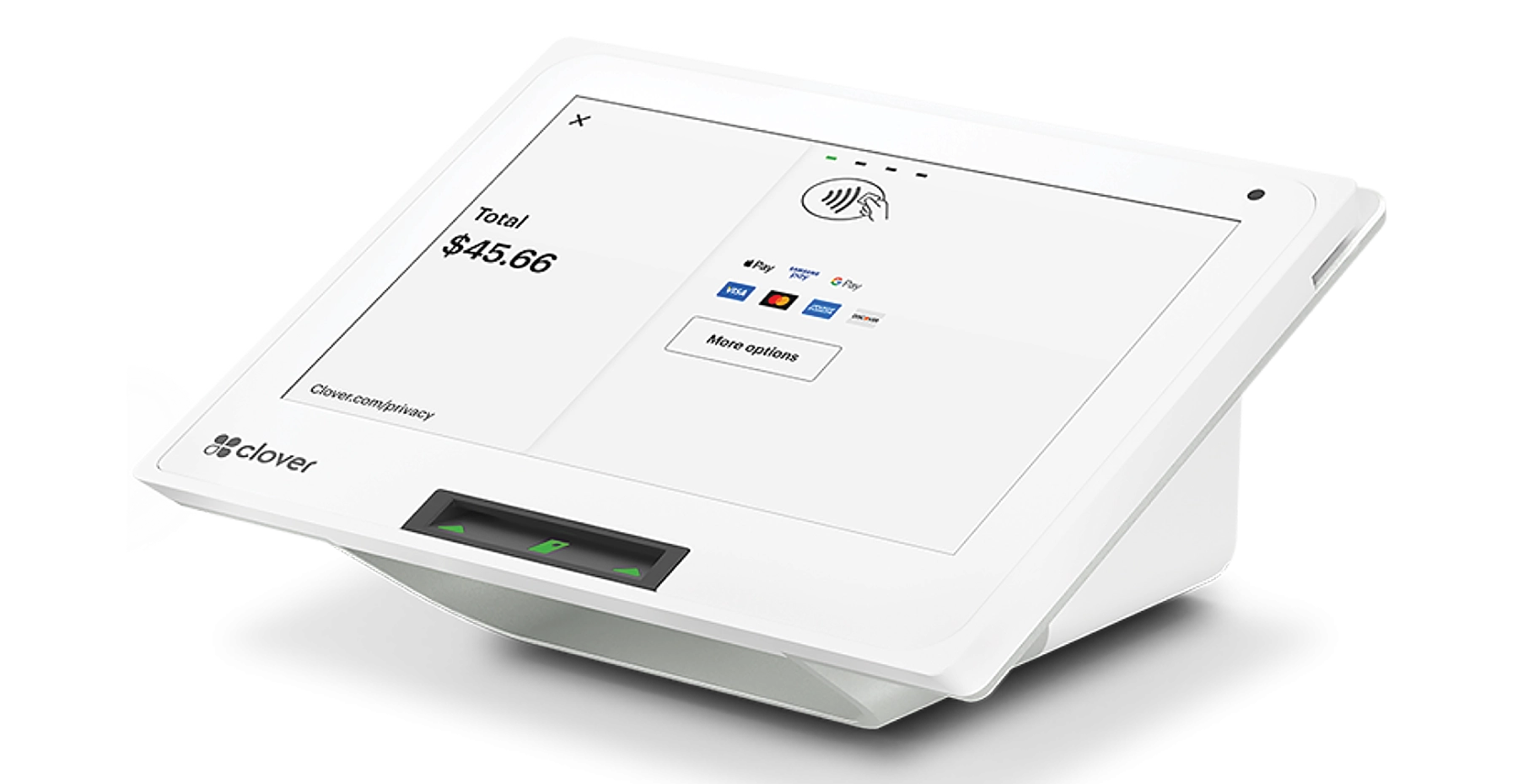
EBT works a lot like credit card payments, which means you need processing equipment and reliable EBT equipment tailored for your business before you can accept money from your EBT customers. You can get a card reader from the government, but it tends to take a long time. Since you want to start taking payments as soon as possible, you should use a third-party processor that can send you the right equipment within 24 hours and understands that EBT retailers need specific POS equipment.
Protecting Against EBT Fraud
Protecting your Electronic Benefits Transfer (EBT) card and account is essential for ensuring uninterrupted access to your Supplemental Nutrition Assistance Program (SNAP) benefits, cash assistance, and other nutrition assistance programs. EBT fraud can take many forms, including unauthorized charges, card skimming at grocery stores or convenience stores, and phishing scams targeting your personal identification number (PIN). To keep your EBT account safe, always keep your PIN confidential and never share it with anyone—not even trusted friends or family members.
Regularly monitoring your EBT balance and transaction history is a simple but effective way to spot suspicious activity. If you notice any unauthorized charges or transactions you don’t recognize, contact your local department of human services or the USDA right away. Quick action can help protect your monthly benefits and prevent further loss.
When shopping at participating retailers, always cover the keypad when entering your PIN to prevent others from seeing it. Treat your EBT card like a prepaid debit card—keep it in a secure place and be cautious of anyone asking for your PIN or EBT card details, especially in exchange for temporary assistance or other programs. Many states have introduced additional security measures, such as requiring SNAP recipients to change their PIN regularly or using advanced technology to detect and prevent EBT fraud.
To further protect your EBT account, make it a habit to check your balance before and after each purchase, and store your card safely in your wallet. If you ever suspect your EBT card has been compromised, report it immediately to your local human services department or the USDA. They can help you resolve the issue, recover lost benefits, and provide guidance on how to avoid future risks.
Beyond protecting your EBT card, take advantage of other programs and services designed to help you make the most of your benefits, and if you’re a retailer, learn about EBT qualifications for businesses to accept benefits. Some states offer discounts on fresh fruits and vegetables, while others provide assistance with utilities, housing, and essential expenses. By staying informed and proactive, you can stretch your SNAP benefits further and support your family’s well-being.
For more information on EBT fraud protection, eligibility requirements, and maximizing your benefits, visit the USDA website or contact your local department of human services, and gas station or c‑store owners can also review an EBT guide for gas stations and convenience stores. By taking these steps, you can ensure your EBT card remains a secure and valuable resource for accessing food, cash, and other essential assistance.
Benefit From EBT Sales
Once you have your EBT reader, you can start accepting payments from more customers. As a result, you can attract more customers, earn more money, and protect yourself from fraud.
Not set up to accept EBT yet?
VMS is USDA-authorized and handles your FNS application and EBT-ready terminal for you — most stores are approved and taking SNAP payments within days.
Or call our team: 888-902-6227
Why Your Business Should Accept EBT
The case for why your business should accept EBT is simple: it reaches a large, loyal customer base you can’t serve any other way. Millions of households pay for groceries and essentials with SNAP and cash benefits every month, and those funds can only be spent at authorized retailers — so not accepting EBT sends that business to the store down the block.
Because benefits reload monthly, EBT customers shop on a reliable cycle, and each trip brings cash- and card-paid add-on purchases too. Setup is inexpensive, funds settle like any card batch, and for neighborhood grocers and convenience stores it’s one of the highest-return, lowest-risk upgrades available.
Have questions about accepting EBT?
Fill out the form below and a VMS payment specialist will contact you shortly.