

In 2025, a significant shift is occurring in the marketplace, and it’s being led by none other than Generation Z. Born between 1997 and 2012, Gen Z has grown up in an entirely digital world. They’re tech-savvy, socially conscious, and unapologetically bold about what they expect from the brands they support. As they come into their prime spending years, businesses of all sizes are starting to notice that the traditional playbook for attracting and retaining customers just doesn’t cut it anymore.
Unlike the average consumer, Gen Z’s shopping habits and spending priorities stand out sharply from those of baby boomers, Gen X, and other older generations. While baby boomers and Gen X often favor traditional payment methods and established brands, Gen Z gravitates toward flexible digital payments, authentic experiences, and brands that align with their values. These generational differences are reshaping the retail landscape, as Gen Z’s expectations and behaviors diverge from those of other generations.
From fashion to finance, Gen Z is rewriting the rules. Gen Z spending is now a driving force in the marketplace, with Gen Z’s spending power shaping new trends and influencing how brands approach marketing and product development. Their unique outlook, shaped by economic uncertainty, climate change, and the ever-evolving internet, has made them into intentional and values-driven consumers. Gen Z shopping habits are driving new trends in both online and offline retail, pushing brands to adapt to their demand for authenticity, sustainability, and digital engagement.
Gen Z’s spending habits are distinct from other generations—they are financially cautious, focusing on stability and value-driven spending due to economic challenges like rising inflation and student debt. They prioritize experiences over material goods, allocating disposable income to travel, dining, and entertainment. Gen Z is more likely than other generations to travel solo when they find a destination they love, and they seek unique, shareable experiences such as food and drink festivals. Digital experiences are also key: Gen Z is 36% more likely to purchase in-game items or features using microtransactions, and 33% more likely than average to buy video games from online stores or digital platforms. Social media trends significantly influence Gen Z’s choices in travel, entertainment, and shopping, making it essential for brands to stay ahead of new trends to capture Gen Z’s attention.
Let’s explore how Gen Z is transforming consumer behavior in 2025—and what your business can do to keep up.
Values Over Everything
For Gen Z, buying a product is about more than just the item itself. It’s about what that purchase represents and how it aligns with their personal values. This generation is highly value-driven, meaning they prefer to buy from companies that align with their beliefs on social justice, sustainability, and equality. Gen Z’s consumer behavior is being actively shaped by digital technology and social media, which influence their expectations for transparency, authenticity, and meaningful engagement—factors that are shaping Gen Z’s approach to brands.
In fact, according to a 2024 McKinsey report, over 70% of Gen Z consumers say they actively research a brand’s ethics before making a purchase. That includes checking for things like:
-
How environmentally sustainable the company is
-
Where and how products are made
-
The company’s stance on social issues
When making purchasing decisions, Gen Z carefully considers the value equation—balancing affordability, quality, and whether a brand’s values align with their own. Nearly 60% of US Gen Z adults prefer to be associated with brands that reflect their personal values, such as diversity and sustainability. Transparency about sustainability claims is crucial, as Gen Z is skeptical of greenwashing and expects brands to be honest and consistent between their stated values and actual business practices.
Brand loyalty among Gen Z is fundamentally different from previous generations. Gen Z’s loyalty is highly conditional and driven by authenticity, transparency, and shared values. They are the least brand-loyal generation, quick to disengage and switch brands if expectations are not met or if a brand fails to connect in genuine, value-driven ways. Brands that engage with Gen Z through authentic storytelling, meaningful engagement, and ethical practices are more likely to earn their loyalty, but this loyalty can be easily lost if brands do not maintain cultural relevance or fail to deliver on their promises.
Businesses that demonstrate transparency and commit to causes Gen Z cares about are the ones winning their loyalty. It’s not enough to talk the talk—this generation expects brands to walk the walk and consistently deliver on the values they promote. Balancing cultural relevance with technology-driven engagement is essential for brands seeking to connect with Gen Z consumers in 2025.
The Rise of the “No-Buy” Movement
Another trend that’s catching fire in 2025 is the “No-Buy” movement. Fueled by economic uncertainty and environmental concerns, younger consumers—especially Gen Z—are becoming more intentional with their spending.
What does that mean? It means many Gen Zers are:
-
Buying secondhand whenever possible
-
Practicing minimalism
-
Delaying or skipping purchases to avoid excess
Gen Z shows a strong preference for sustainable products, with 33% saying they are willing to pay 5–10% more for these options. However, price sensitivity remains a significant factor influencing their shopping habits. They expect sustainability to be accessible, not just a premium option, and brands that treat eco-friendly lines as luxury upsells often miss the mark with budget-conscious younger consumers. Gen Z has also grown skeptical of greenwashing and demands specific, verifiable sustainability claims rather than vague environmental messaging. Notably, Gen Z is 8% more likely than the average consumer to buy secondhand, preferring pre-owned items to save money while acting sustainably.
While this may sound alarming to traditional retailers, it actually presents a unique opportunity. Businesses that offer resale options, sustainable alternatives, or focus on long-term product value can still thrive. Gen Z isn’t against spending—they just want to spend smarter.
Social Media Isn’t Just Social Anymore
TikTok. Instagram. YouTube Shorts. Social platforms are now the primary channels where most Gen Z shoppers are discovering products online, rather than through traditional advertising. Over 60% of Gen Z discovers new brands through social platforms, and 44% have made a purchase on social media in the last month. These gen z shopping habits are centered around digital discovery and social commerce, with the z consumer driving a shift in modern retail strategies toward digital-first engagement.
It’s where trends start, brands are discovered, and buying decisions are made—often in a matter of moments, as the path from product discovery to purchase is compressed by social commerce and in-app purchasing. Gen Z’s behavior is reshaping the retail landscape, and brands must study and adapt to these behaviors for success. Gen Z’s desire for immediacy and seamless, integrated shopping experiences is influencing omnichannel shopping strategies, including options to buy online and pick up in store (BOPIS), and the integration of online and offline retail.
Gen Z prefers discovering and purchasing products online, especially via mobile devices, with over 75% of their digital commerce occurring on smartphones. They expect seamless digital experiences, fast delivery, and cashless transactions. Nearly a quarter of Gen Z has used Apple Pay or similar digital wallets in the last month, highlighting their comfort with mobile payments. Brands must create engaging and shoppable social media presences to capture Gen Z’s attention and drive sales.
Influencer marketing still works—but it’s the micro-influencers and real customers who are making the biggest impact. Gen Z is far more likely to trust a TikTok creator with 10,000 followers who gives an honest review than a celebrity endorsement with millions.
Nostalgia is the New Luxury
While Millennials were all about innovation and newness, Gen Z has a serious soft spot for the past. Retro fashion, Y2K aesthetics, Polaroids, Tamagotchis—you name it. Nostalgia marketing is booming because it taps into a desire for comfort and familiarity in an otherwise chaotic world.
Brands that manage to blend the old with the new are striking gold. Whether it’s a limited-edition re-release of a classic product or a retro-inspired ad campaign, Gen Z responds well to things that make them feel something—even if they weren’t alive when it was popular the first time around.
Mental Health is a Must-Have
Gen Z is the most mental health-conscious generation we’ve ever seen. They’re open about their struggles and demand that the companies they support are too. Gone are the days of glossing over well-being in favor of hustle culture.
Brands that prioritize mental health—whether through workplace policies, customer support, or product messaging—are resonating with this audience. It’s not uncommon to see Gen Z favor a brand just because it actively promotes mental wellness, shares resources, or partners with mental health organizations.
Purpose-Driven Shopping
It’s not just what Gen Z buys, it’s why they buy. They crave connection. They want to support small businesses, minority-owned brands, and companies that are doing good in the world. In fact, a survey by First Insight showed that 73% of Gen Z are willing to pay more for sustainable products.
But beyond sustainability, this generation is increasingly interested in supporting businesses that offer unique experiences and serve real communities. They are more likely to shop from a business that feels personal—a brand that talks like a friend, not a corporation.
Emerging Technologies and Gen Z
Emerging technologies are rapidly reshaping how Gen Z shops, making the shopping journey more interactive, immersive, and personalized than ever before. As true digital natives, Gen Z shoppers are at the forefront of adopting innovations like augmented reality (AR), virtual reality (VR), and artificial intelligence (AI) to enhance their online shopping experiences. In fact, more than half of Gen Z consumers believe that AR and VR will fundamentally change the way they shop online, and nearly half are already using social media platforms to discover new products and brands.
Clothing retailers and beauty brands are leading the charge, using AR to let shoppers virtually try on outfits or experiment with makeup before buying. These immersive experiences not only make shopping online more engaging but also help Gen Zers make confident purchasing decisions. Social commerce is gaining traction among Gen Z, with platforms like Instagram and TikTok serving as both inspiration boards and digital storefronts. In the past week alone, many Gen Z users have shopped directly from their mobile devices, influenced by influencer content, user-generated reviews, and real-time trends.
Despite their love for digital platforms, offline shopping still holds value for Gen Z. Many in this age group appreciate the chance to touch and feel products in physical stores before making a final decision. This omnichannel approach—seamlessly blending online and in-store experiences—sets Gen Z apart from previous generations and gives brands a competitive advantage if they can deliver on both fronts.
Sustainability and social responsibility are also at the heart of Gen Z’s shopping habits. Gen Z consumers expect brands to offer eco-friendly choices, use sustainable products, and have a positive impact on the environment. From eco-conscious packaging to recycling initiatives, brands that prioritize these values are more likely to earn Gen Z’s loyalty. Financial security is another key concern for this generation, with student debt and saving money influencing their consumer spending. As a result, Gen Z shoppers are drawn to value-driven products and services that help them stretch their budgets without compromising on quality or ethics.
To stay ahead in this fast-evolving landscape, brands must dig deeper into consumer insights by leveraging targeted surveys, social media listening, and real-time analysis of consumer sentiment. The holiday season is a prime opportunity to connect with Gen Z, but authenticity is crucial—this generation can spot insincerity a mile away. Influencer marketing, user-generated content, and loyalty programs are powerful tools for building trust and driving engagement among Gen Z shoppers.
Ultimately, the brands that succeed will be those that innovate, adapt, and create products and experiences that resonate with Gen Z’s expectations. By embracing emerging technologies, prioritizing sustainability, and listening closely to what Gen Z wants, businesses can build lasting loyalty and shape the future of consumer behavior among this influential age group.
What This Means for Small Businesses and the Payment Industry
So what does all of this mean for us at Velocity Merchant Services and the merchants we serve?
It means opportunity.
At VMS, we’ve always believed in small business. We know that Gen Z does too. They’re not just interested in faceless mega-corporations. They want to support local bakeries, independent salons, up-and-coming designers, and family-owned restaurants.
This is where we shine. We help small businesses offer modern, seamless, and mobile-friendly payment solutions that Gen Z expects—like contactless payments, digital wallets, and QR code ordering. Nearly a quarter of Gen Z has used Apple Pay or similar digital wallets in the last month, showing their comfort with these technologies. Gen Z also has a strong preference for Buy Now, Pay Later (BNPL) services, with at least 10% using it weekly in the US, and they expect seamless, cashless transactions that fit into their fast-moving world. In contrast, older generations, such as baby boomers, tend to rely more on traditional payment methods and are less engaged with these new technologies.
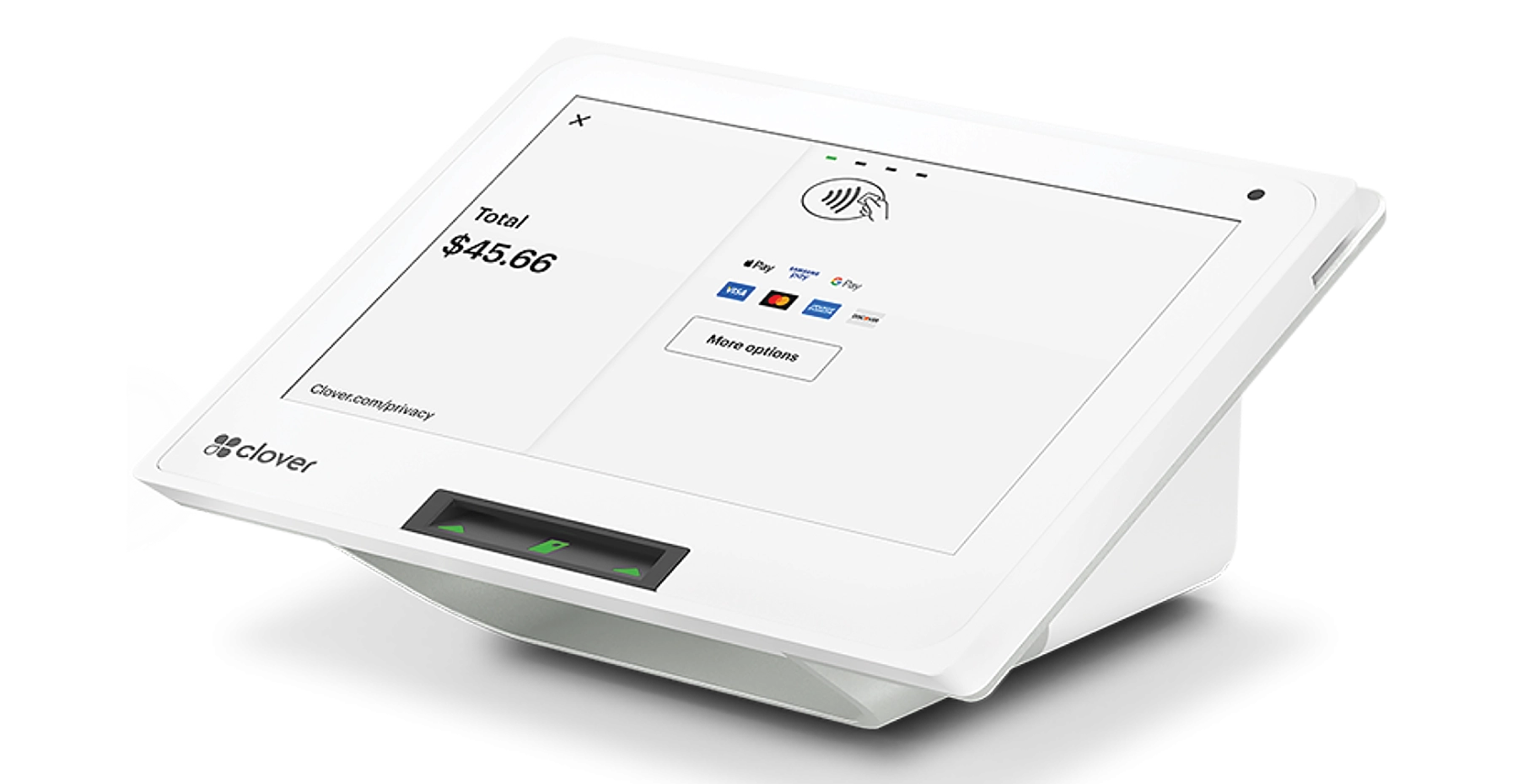
We also provide point-of-sale systems like Clover that allow for loyalty programs, social integrations, and customer engagement tools—all essential for capturing Gen Z’s attention. Our omnichannel solutions support features like BOPIS (buy online, pick up in store) and buy online options enhanced by QR code ordering, ensuring a seamless experience across both digital and physical retail.
And we’re not stopping there. By offering cash discount programs, EBT acceptance, and custom website design, we empower business owners to stay competitive in this ever-changing landscape. Gen Z may be changing the rules, but with the right tools and support, small businesses can not only keep up—they can lead.
Want a payments partner that picks up the phone?
VMS works with independent business owners nationwide — real support, transparent pricing, and no long-term contracts.
Or call our team: 888-902-6227
Final Thoughts
Gen Z is not just another generation to market to—they’re redefining what it means to be a consumer. They’re thoughtful, digital-first, and driven by purpose. And while their expectations may be high, so is their loyalty once it’s earned.
For more insights like this, keep up with the VMS blog—where small business meets big tech without the fluff.
At Velocity Merchant Services, we believe the businesses that succeed in 2025 and beyond will be the ones that listen, adapt, and lead with values. Gen Z has spoken. Are you ready to answer?
Believe in Small Business. Believe in the Future. Believe in Gen Z.
Have questions about payments for your business?
Fill out the form below and a VMS payment specialist will contact you shortly.