

What is Inventory Management?
Inventory management is the process of tracking and managing your stock levels—knowing how much inventory you have, where it’s stored, when to restock, and how much it costs. Inventory management starts as a simple process of counting and tracking stock, but it grows more complex as your business expands and operations scale. It’s a core part of supply chain management and helps ensure the right products are available at the right time. For businesses like nail salons, barbershops, restaurants, grocery stores, retail stores, online stores, and manufacturers that manage raw materials, inventory management is key to staying competitive and profitable. Small businesses often face challenges like limited space, making it crucial to optimize storage space and avoid carrying excess inventory, which can increase costs and reduce efficiency. Businesses hold inventory as a buffer against supply chain disruptions and demand fluctuations, ensuring smooth operations even during unexpected events.
Today’s inventory control doesn’t require a clipboard and pen. Manual inventory methods, such as using notebooks and spreadsheets, can be time-consuming and prone to errors compared to digital inventory systems. Thanks to modern point-of-sale systems like Clover, small businesses can now manage their inventory digitally—often straight from their POS terminal. Inventory systems and POS software are valuable tools for small businesses, helping automate the process of managing inventory, tracking your entire inventory for accuracy, and making informed decisions about how much inventory to keep on hand. The right inventory management system for small business not only saves time but also helps reduce costly errors.
Importance of Good Inventory Management
Good inventory management is the backbone of a successful small business. By keeping a close eye on your inventory in real time, you can maintain the right stock levels, meet customer demand, and avoid the pitfalls of excess inventory or lost sales. An effective inventory management system helps you streamline your supply chain, reduce inventory shrinkage, and make smarter business decisions that boost operational efficiency.
For small businesses, good inventory management means more than just knowing what’s on the shelf—it’s about maintaining profitability and ensuring customer satisfaction. By tracking inventory accurately and forecasting demand, you can reduce costs, improve cash flow, and seize sales opportunities as they arise. Ultimately, investing in effective inventory management empowers your business to operate smoothly, adapt quickly to market changes, and grow sustainably.
Benefits of Inventory Management
The advantages of good inventory management go far beyond simply keeping your shelves stocked. By avoiding excess inventory, you free up valuable cash flow and reduce unnecessary inventory costs. Tracking inventory levels and analyzing sales trends allows you to identify high-demand items, plan ahead, and ensure you always have the right products available for your customers.
Effective inventory management also minimizes paperwork errors and supports quality control, helping you maintain accurate inventory records and deliver consistent service, and the benefits of an inventory management system extend into every part of day-to-day operations. Building strong supplier relationships becomes easier when you can forecast needs and negotiate better prices, further optimizing your supply chain. With a solid inventory management process in place, your business can respond quickly to changes in customer demand, reduce waste, and operate more efficiently.
What Should Good Inventory Management Software Do?
If you’re searching for an inventory solution, here’s what to look for in a great system:
-
Track inventory in real-time using inventory tracking software to automate and ensure accuracy, so you always know what’s in stock
-
Forecast demand with demand forecasting tools based on trends and past performance
-
Avoid shortages and overstock by providing intelligent alerts
-
Allow for easy inventory analysis on any device, anywhere
-
Integrate with your POS system—most cloud-based POS systems offer built-in inventory management features to streamline checkouts and stock updates
-
Optimize warehouse and stockroom organization by enabling inventory managers to use software to streamline processes
-
Support barcode scanning to make inventory intake a breeze
-
Handle multilocation management so you can track products across several stores or warehouses
-
Improve cash flow and profitability by helping you buy only what you need
The bottom line: A good inventory management system for small business gives you better control over your products, reduces waste, and frees up your time so you can focus on growing your business. Maintaining accurate stock levels helps you avoid stockouts and overstocking, ensuring customer satisfaction and efficient operations. The best inventory software for small businesses can also integrate with other systems and optimize your operations.
Inventory Control and Accounting
Inventory control and accounting are essential elements of a well-run inventory management system. By using inventory software, you can automate the tracking of inventory items, update inventory records in real time, and reconcile inventory counts with ease. This automation streamlines the process of generating purchase orders and receiving inventory, reducing the risk of manual errors.
Accurate inventory control helps you quickly spot and address discrepancies, such as inventory shrinkage, ensuring your records match your actual stock. Integrating your inventory management system with accounting software like QuickBooks Online allows for seamless financial reporting and simplifies your accounting processes. With up-to-date inventory data at your fingertips, you can make informed decisions, maintain compliance, and keep your business finances on track.
Forecasting and Demand Planning
Forecasting and demand planning are key to effective inventory management. By analyzing past sales data and tracking sales trends, you can forecast demand more accurately and adjust your inventory levels to match. This proactive approach helps you avoid both overstocking and understocking, reducing inventory costs and improving cash flow.
Inventory management software makes it easy to generate forecasts, monitor sales figures, and receive low stock alerts, so you’re always prepared to meet customer demand. By understanding patterns in customer behavior and anticipating future needs, you can optimize your inventory, reduce waste, and ensure your business is ready for every sales opportunity.
FIFO: First In, First Out
One crucial practice in inventory control is the FIFO method—First In, First Out. This strategy is especially important for businesses that sell perishable goods such as food, cosmetics, flowers, or medication. FIFO ensures that older stock is sold first, minimizing waste and spoilage. By prioritizing the sale of older inventory, FIFO helps reduce spoilage costs, as less stock becomes unsellable or expires.
Whether you’re selling bottles of shampoo at a salon or cupcakes at a bakery, FIFO keeps your inventory fresh, your customers happy, and your profits intact.
Dropshipping: The Stock-Free Inventory Strategy
Don’t have the space—or desire—to manage your own stock? Dropshipping might be the solution. With this model, you sell the product, but the order is fulfilled and shipped by a third-party supplier or warehouse. It eliminates the need to store inventory on-site and frees up physical space and capital. Dropshipping also removes the need for dedicated warehouse space and reduces the complexity of stock transfers between multiple locations, making it easier to manage inventory as your business grows.
While it’s not ideal for every business (you give up some control over packaging and delivery), dropshipping can reduce overhead and simplify operations. And yes, even dropshipping can be managed effectively with a well-integrated inventory management system for small business.
Best Practices for Inventory Management
To get the most out of your inventory management, it’s important to follow industry best practices. Start by implementing a robust inventory management system that allows you to track inventory in real time and conduct regular inventory audits. Use barcode scanning and radio frequency identification (RFID) technology to streamline inventory tracking and minimize errors.
Building strong supplier relationships and negotiating favorable terms can help you optimize your supply chain and reduce costs. As your business grows, regularly evaluate and adjust your inventory management strategies to stay efficient and responsive. By focusing on effective inventory management, small businesses can improve customer satisfaction, reduce operational costs, and set the stage for long-term success.
The Role of POS Systems Like Clover
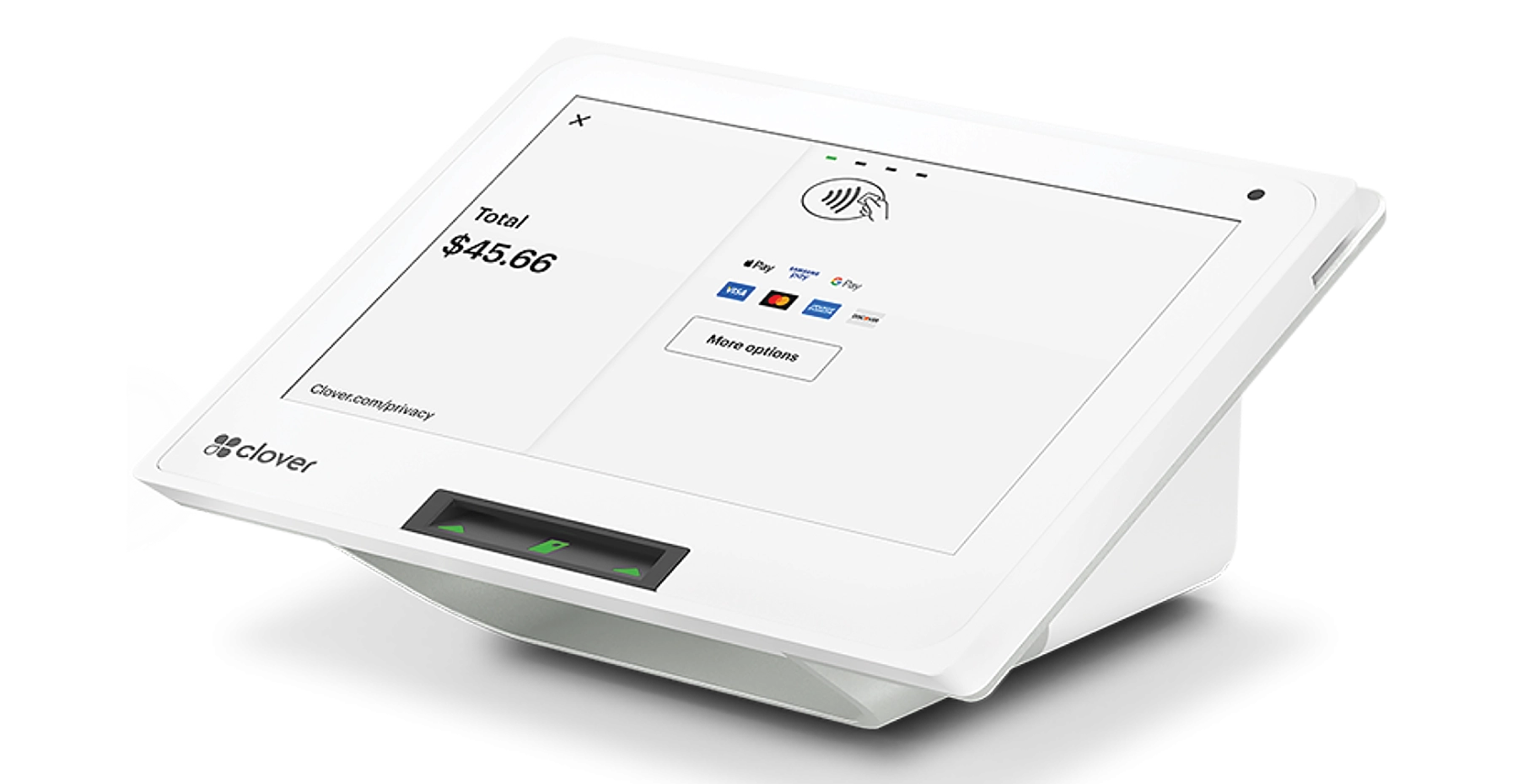
If you’re a business owner ready to upgrade from a manual spreadsheet to something more powerful, it might be time for a smart all-in-one Clover POS system. Devices like the Clover Duo, Clover Compact, and Clover Flex Pocket are more than just tools to swipe cards—they’re smart registers equipped with built-in inventory tracking and are among the best POS devices for small businesses. POS software streamlines inventory management by making it easier to count, organize, and verify inventory data, going beyond just the hardware.
From managing stock levels and pricing to sending low-inventory alerts, Clover Flex and other Clover devices let you stay on top of your business. Their systems scale with your business needs—whether you’re a small retailer with a few products or a high-volume restaurant managing hundreds of ingredients.
The Clover Inventory app is a powerful tool that brings customized control to every type of business:
-
Retailers: Track merchandise, manage restocks, and monitor top-selling products, including those in specialized environments like furniture stores using Clover POS
-
Restaurants: Organize your menu, automate kitchen ordering, and manage ingredients with tools similar to a coffee shop POS system with inventory features
-
Service Providers: Manage appointment-based services, packages, and materials, much like bookstores using a specialized POS upgrade manage titles and customer preferences
Want help managing your stock? Clover’s system works with the Employees app, allowing you to assign staff roles and responsibilities related to inventory.
One standout option for enhanced inventory tracking is Stock by Seven Spaces, a powerful Clover app designed for advanced inventory needs. With Stock, businesses can automate stock level updates, set restock thresholds, track usage patterns, and manage product variations more intuitively. Whether you’re managing multiple locations or want detailed inventory analytics, Stock gives you the visibility and control you need—right from your Clover device, especially when paired with the newest Clover devices for 2026. It’s especially helpful for businesses with complex inventory like cafes, salons, or multi-department retailers.
Stock by Seven Spaces integrates seamlessly with Clover POS, ensuring that your sales, inventory, and reporting systems are all working in sync. It’s one more way Clover supports a scalable inventory management system for small business that grows with you. You can track who updated what and when, making accountability a breeze.
Starting Your Inventory Journey
Getting started with an inventory management system for small business doesn’t have to be overwhelming. You don’t need a giant warehouse or complicated software to benefit. Many small businesses begin with manual inventory methods, such as using spreadsheets, physical notebooks, or conducting physical counts, before upgrading to digital solutions. Whether your inventory lives in a storage closet, garage, or multiple storefronts, there’s a solution tailored for your size and style.
Start simple:
-
Set up categories and item descriptions.
-
Use barcode scanners or your POS to log inventory in and out.
-
Monitor what sells, what sits, and adjust your orders accordingly.
And when you outgrow spreadsheets? Clover’s smart POS system will be there to take over and grow with you.
Still running an outdated register?
VMS sets up a modern Clover POS matched to how your business actually runs — installed, configured, and supported by a team that answers the phone.
Or call our team: 888-902-6227
VMS Can Help You Take Control
At Velocity Merchant Services, we specialize in helping small businesses thrive with modern tools like Clover POS. We’ll help you choose the right inventory management tools, set up your Clover device, and train your team so you’re set up for success from day one.
If you’re ready to streamline your inventory process, improve accuracy, and reduce waste, it’s time to consider an inventory management system for small business. Call us today at (888) 902-6227 to speak with one of our Clover Specialists and discover how VMS can help you run a smarter, more efficient operation.
Your products deserve better tracking, and your team deserves better tools. Let’s get you started!
Have questions about POS systems?
Fill out the form below and a VMS payment specialist will contact you shortly.