

If you’ve been in business long enough, you’ve probably had this moment:
The sales looked fine… the shelves look a little light… and somehow the numbers still don’t line up.
That gap is inventory shrink—and it’s one of the most common reasons solid brick-and-mortar businesses feel like they’re working harder for the same money.
The frustrating part? Inventory shrink isn’t always theft. A lot of it is simple, preventable “leaks”: receiving mistakes, ringing errors, damaged product that never gets logged, returns handled loosely, or too many people having the ability to override prices and void transactions.
The good news: you don’t need a fancy loss-prevention department to get control. You need a few simple systems that make shrink harder to happen—and easier to spot.
What inventory shrink is (plain English)
Inventory shrink is the difference between what your system says you should have and what you actually have on hand.
If your POS says you have 40 units and you count 33, that’s shrink. The goal isn’t to become perfect overnight. The goal is to stop the bleeding and catch issues fast.
Why inventory shrink matters more than most owners realize
A lot of owners focus on sales first (understandably). But inventory shrink hits profits directly—especially when margins are tight.
The National Retail Federation reported shrink at 1.6% of sales for FY 2022 and estimated total industry losses at over $112 billion.
Even if your business is much smaller than “the retail industry,” the math works the same way: small percentages become big money over time.
Where inventory shrink usually comes from
Here’s the part that surprises most people: inventory shrink is often self-inflicted. Not intentionally—but through loose process.
1) Receiving errors
-
deliveries get checked too quickly
-
counts don’t match invoices
-
damaged cases get accepted without notes
-
items get put away before being entered correctly
2) Ringing and pricing mistakes
-
“open item” gets used too often
-
wrong size/variant gets selected
-
discounts get applied casually
-
employees override prices when it’s busy
3) Refunds and returns with weak rules
-
returns without receipts
-
refunds instead of store credit when you don’t have to
-
employees processing refunds without manager approval
4) Theft (external and internal)
Yes, theft exists. But most businesses do better when they fix process first—because sloppy process makes theft easier to hide.
5) Spoilage, waste, and damage that never gets logged
If you don’t track it, it becomes “mystery shrink.”
The simple controls that reduce inventory shrink
These are boring on purpose. Boring is good. Boring makes money.
Control #1: Limit who can “change the truth”
The fastest way to reduce inventory shrink is to tighten permissions:
-
restrict voids, refunds, and discounts to managers
-
require a reason note for refunds/discounts
-
eliminate price overrides unless approved
When everyone can edit transactions, shrink becomes impossible to diagnose.
Control #2: Stop using “open item” like a shortcut
If “misc” and “open item” are getting used daily, that’s not convenience—it’s a leak.
Fix it by creating proper buttons/items in the POS so staff can ring accurately in seconds. Cleaner ringing = cleaner inventory = less inventory shrink.
Control #3: Make receiving a two-step process
Receiving is where a lot of shrink starts.
A simple receiving routine:
-
Count what arrives against the invoice (before it hits the shelf)
-
Log exceptions immediately (shortages, damage, substitutions)
If you don’t have time to do that every day, do it for your top 20 highest-cost or highest-theft items first. That alone cuts inventory shrink in many businesses.
Control #4: Do cycle counts, not “once-a-year panic counts”
Most owners wait until inventory is a disaster, then try to fix it with one big count.
Instead:
-
pick 10–20 key items
-
count them weekly (or twice a week if they’re fast-moving)
-
compare counts and watch trends
If the same category is always off, that’s where your real inventory shrink problem lives.
Control #5: Use exceptions to find the problem, not guesses
You don’t fix inventory shrink by “watching people harder.” You fix it by spotting patterns:
-
who is doing the most refunds
-
when voids spike (end of shift is a classic)
-
which items have the highest discrepancy
-
which vendors are frequently short
That’s where a good POS setup helps—because you can actually see what’s happening, not just feel it.
Control #6: Put your inventory on a system built to track it properly
If your POS isn’t tracking inventory cleanly, shrink becomes a guessing game.
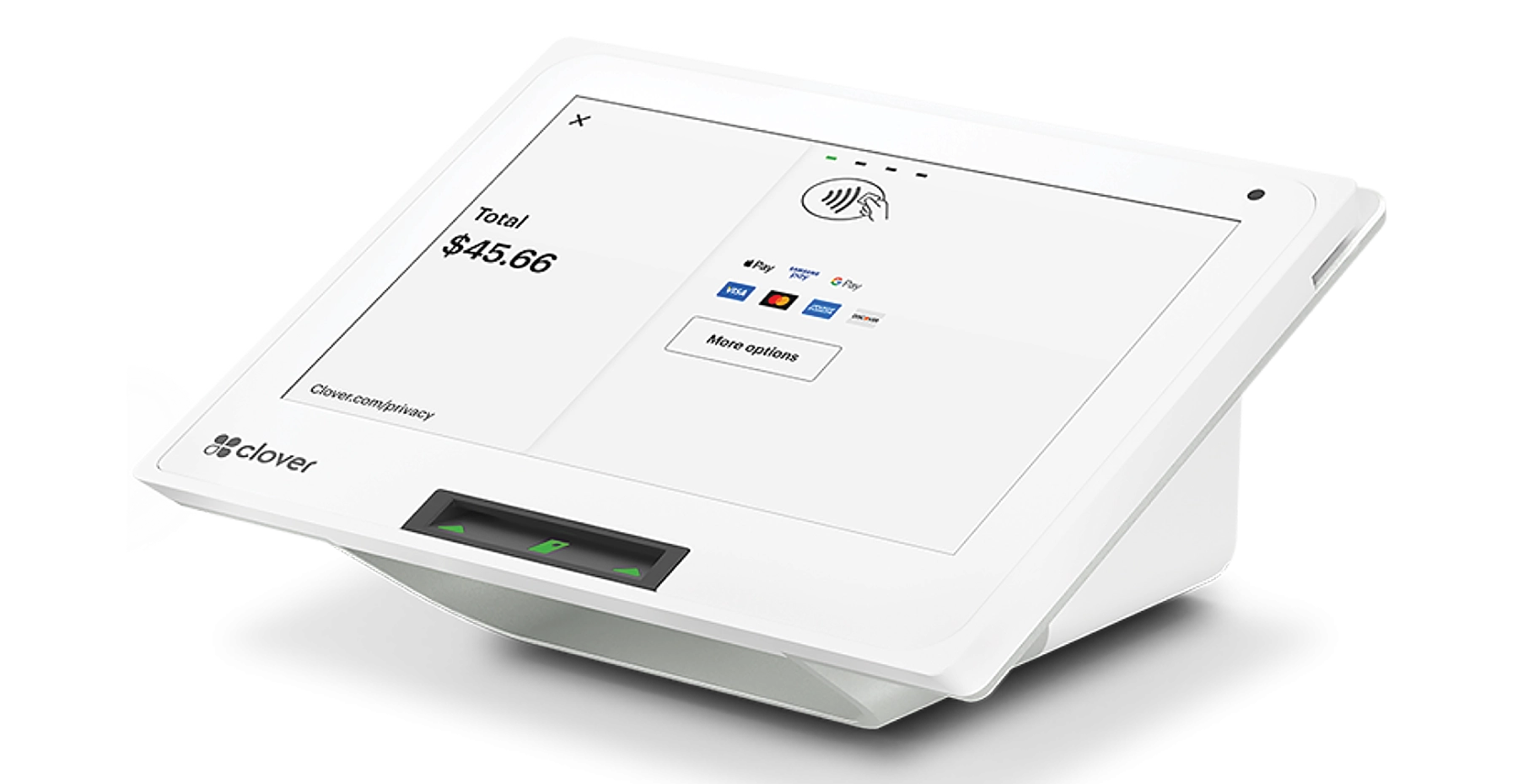
Cloud-based POS systems (like Clover) are built to help businesses track inventory, manage staff access, and run reporting without everything living in someone’s head.
When items, variants, modifiers, and permissions are structured correctly, it gets much harder for inventory shrink to hide.
A quick “owner weekly check” that takes 15 minutes
If you want a practical habit that makes a real difference:
-
Pull last week’s refunds/voids/discounts
-
Look at top 10 items sold
-
Count 10 high-risk items (high dollar / high movement)
-
Write down 3 issues to fix (example: “too many open items,” “refunds missing notes,” “vendor shorted again”)
That’s it. Consistency beats intensity.
Want a payments partner that picks up the phone?
VMS works with independent business owners nationwide — real support, transparent pricing, and no long-term contracts.
Or call our team: 888-902-6227
How VMS helps you reduce inventory shrink with Clover
At Velocity Merchant Services, we don’t just set businesses up to accept payments—we help set up the system so it runs clean day-to-day.
If you’re using Clover (or considering it), we can help you:
-
organize inventory buttons so staff rings correctly
-
reduce “open item” usage
-
lock down refunds/discounts with permissions
-
set up reporting so inventory shrink shows up fast
Have questions about payments for your business?
Fill out the form below and a VMS payment specialist will contact you shortly.