

Walk into most laundromats and you’ll still hear the same soundtrack — the clink of quarters, the hum of a bill changer, and the occasional groan from a customer who’s a dollar short. It’s a familiar scene, and a surprisingly expensive one. Smart laundromat payment processing is quietly retiring that coin-fed model, swapping it for taps, chip cards, and phone payments — and the owners who make the switch are watching their machines run fuller and their margins run wider.
If your store still lives and dies by quarters, you’re not just behind the curve. You’re losing loads of laundry every week to customers who walked out because they didn’t have exact change.
Here’s the uncomfortable math. Cash now accounts for only about 14% of U.S. consumer payments, according to the Federal Reserve’s 2025 Diary of Consumer Payment Choice, while cards and digital wallets handle the lion’s share of everything else. Your customers tap to pay everywhere — the coffee shop, the gas pump, the grocery checkout — and then they reach your door and get asked to dig for coins. Every one of those little friction points is revenue slipping down the drain. The good news: fixing it is easier, cheaper, and faster than most owners expect.

What Laundromat Payment Processing Really Means Today
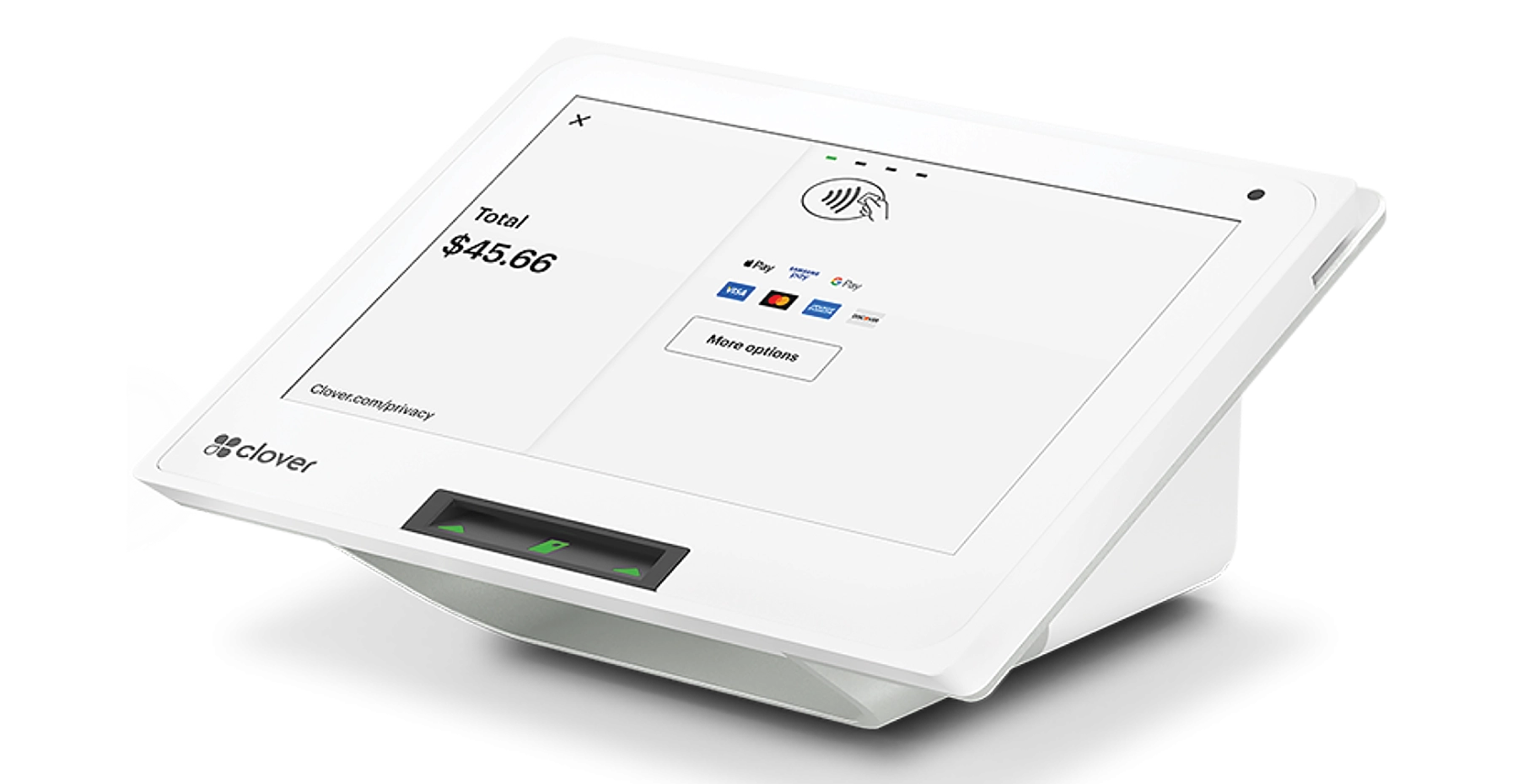
For decades, “getting paid” at a laundromat meant one thing: a coin mechanism bolted to every machine. Today, laundromat payment processing is a whole ecosystem — a merchant account, card and contactless acceptance, mobile-wallet support, and often an app or loyalty layer sitting on top. Instead of herding customers through a changer, you let them start a washer with a tap of a card or phone, reload a stored-value balance, or settle a wash-and-fold ticket at the counter with whatever’s already in their wallet.
Under the hood, all of that runs on a merchant services account — the same infrastructure behind your favorite retailer’s checkout. That account is what authorizes the card, moves the money, and drops it into your bank. It sounds technical, but it comes down to one thing: choosing the right processing partner is the single biggest lever you have over how much you actually keep from every cycle. A slick reader on the wall means nothing if the account behind it is quietly skimming your margins.
Three places money actually comes in
It helps to think about your revenue in three streams, because each one needs a slightly different payment setup.
Self-service machines. The washers and dryers customers run themselves. These pair with card and contactless readers, or a kiosk that loads a laundry card or app balance. This is where most of your volume lives, and where coin-only setups leak the most.
The wash-and-fold and drop-off counter. Attended service where you weigh, tag, and ring up orders. This is classic point-of-sale territory — a countertop terminal or tablet that takes cards, prints or texts receipts, and keeps every order straight.
Retail and add-ons. Detergent, single-use soap, vending snacks and drinks, folding services, even attended pickup lockers. It’s found money, and it deserves a real checkout instead of an honor-system jar on the counter.
A good set of POS devices for your store ties all three together, so at the end of the night you see one clean picture of the day instead of three separate piles of cash, coin, and guesswork.
Why Going Cashless Pays for Itself
Switching from coins to cards feels like a big leap, but the payback shows up fast — and in more places than you’d guess.
Bigger tickets and no exact-change problem. When a customer has to match quarters to a vend price, that price gets stuck at whatever’s convenient for the coin slot. Card and contactless payments free you to price by the cycle, the load, or the minute — and customers who never carry cash can finally run a second load without a pilgrimage to the change machine. More completed loads per visit is the whole game.
Payments people actually expect. Consumers made an average of 11 mobile-phone payments a month in 2024, up from just four in 2018. Tap-to-pay and mobile wallets stopped being a novelty years ago; they’re the baseline experience now, and a laundromat that only takes coins feels broken by comparison. Meeting customers where their thumbs already are isn’t trendy — it’s table stakes.
Fewer breakdowns and fewer service calls. Coin mechanisms jam. Bill changers run dry at 9 p.m. on a Sunday. Every one of those is a machine sitting idle and a phone call headed straight to you. Card readers have far fewer moving parts and generate far fewer “it ate my dollar” complaints, which means more uptime and fewer interruptions to your evening.
Less cash to babysit. Coins are heavy, slow to count, easy to walk off with, and a genuine pain to deposit. Move most of your volume to cards and you slash the counting time, the theft risk, and the bank runs — while your funds land in your account faster than a coin box drop ever could. For a business where cash flow is oxygen, that speed is worth real money.
The numbers behind the switch
Picture a modest 30-machine store. Say a dozen customers a day give up on a second load because the change machine is empty or they’re out of quarters — a conservative number for a busy weekend. At an eight-dollar wash-and-dry cycle, that’s roughly $96 a day, or about $2,880 a month, walking straight out the door.
Even if you recover half of those loads by accepting tap and mobile pay, you’ve added well over a thousand dollars in monthly revenue from customers who were already standing in your store. Now layer on the retail add-ons they’ll grab when detergent and snacks take a card, and the “cost” of modern payment acceptance starts looking less like an expense and more like the best-performing machine on your floor.
Ready to modernize your laundromat’s payments?
VMS sets up card, tap, and mobile acceptance with fast funding and honest pricing, usually in days, not weeks.
Or call our team: 888-902-6227
Protecting Thin Margins: Fees, Funding, and Zero Fee Processing
Laundromats live on thin margins. Water, gas, electricity, and rent eat the top line before a single sock is dry, which makes every processing fee feel personal. This is exactly where the right laundromat payment processing partner earns its keep — or quietly costs you.
Start with the fees themselves. Card processing takes a percentage of every swipe, and on a business running thousands of small-ticket transactions a month, that percentage adds up in a hurry. One of the cleanest fixes is Zero Fee Processing, which offsets the cost of card acceptance so more of every wash stays in your pocket — no mystery line items waiting for you at the bottom of the statement.
Then there’s timing. Cash flow is the difference between calm and chaos at a laundromat, especially if you’re still paying down equipment. A processor that offers fast, next-day funding means the money from a jam-packed weekend is in your account Monday morning, not the following Thursday. When you’re covering a utility bill or an emergency repair, those extra days genuinely matter.
And when it’s time to grow — more machines, a bigger footprint, a wash-and-fold expansion — you shouldn’t have to drain your savings to do it. VMS can pair your account with working capital to upgrade your machines or open a second location, funded from the card volume you’re already running. It’s a smarter, less stressful way to modernize than maxing out a credit card and hoping for the best.

Choosing the Right Laundromat Payment Setup
There’s no single “best” system — the right laundromat payment processing setup depends on how attended your store is and where you want to take it. A few guideposts.
For the attended counter. If you run wash-and-fold, drop-off, or a staffed front desk, a compact countertop system like the Clover Mini handles cards, contactless, receipts, and order tracking without hogging your counter. It’s the workhorse for ringing up folded orders and retail add-ons in a single tap.
For mobile and delivery. Doing pickup and delivery, route stops, or curbside handoffs? A handheld like the Clover Flex takes tap-to-pay anywhere — the truck, the curb, the customer’s doorstep — and syncs right back to the same set of books.
For retail and vending. Detergent shelves, snack machines, and drink coolers deserve a real checkout, not a coffee can of quarters. The same account that runs your counter can power your retail payment processing, so those easy add-on sales stop leaking away.
Whatever hardware you land on, the account behind it should be rock-solid on security — PCI compliance, encryption, tokenization — reliable when your store is slammed, and backed by humans who actually pick up the phone. A rock-bottom rate means nothing if the reader is down on a Saturday afternoon and no one answers your call.
A quick buyer’s checklist
Before you sign anything, run the offer through this quick filter:
- Transparent pricing. Ask for the effective rate and every monthly fee in writing. If the rep dodges, keep shopping.
- Contactless and mobile ready. Tap-to-pay and mobile wallets should be standard, never an upsell.
- Fast funding. Confirm next-day funding is available and ask about the cutoff time.
- Fee-offset options. Ask whether Zero Fee Processing fits your ticket sizes and volume.
- Real support. Local, US-based human help beats a chatbot when a machine is eating cards.
- Room to grow. Make sure one partner can add locations, retail, and funding as you scale.
If a provider checks those boxes, you’re not just accepting cards — you’re building a laundromat that runs leaner and grows faster.
Common Worries About Going Cashless, Answered
Every owner hesitates before pulling the coin box, and the worries are almost always the same three. They’re worth addressing head-on.
“Won’t fees eat me alive on small tickets?” They can if you let them — which is precisely why fee-offset programs and honest, transparent pricing exist. Pair the right pricing model with the higher ticket sizes and extra loads that card acceptance unlocks, and the net almost always lands in your favor. The goal isn’t to avoid cards; it’s to accept them intelligently.
“My customers are older and only use cash.” Some do, and you don’t have to force anyone. The smartest move is to go card-friendly, not card-only — keep a coin or cash option while making tap, chip, and mobile pay effortless for the growing majority who never carry quarters. You’re adding lanes, not closing them, and the data on cash’s steady decline says which lane keeps getting busier.
“Isn’t the upfront cost brutal?” Modern readers and smart terminals cost a fraction of what a full re-tooling used to, and the revenue you recover from captured loads and retail add-ons typically pays for the hardware fast. If a bigger upgrade is on your wish list, that’s what working capital is for — you grow on the card volume you’re already generating instead of your savings account.
The Bottom Line
The coin box had a good run, but the math has moved on. With cash down to roughly one in seven consumer payments and tap-to-pay now the default nearly everywhere else, modern laundromat payment processing isn’t a luxury — it’s how you capture the loads you’re quietly losing today. Accept the cards and phones your customers already reach for, protect your thin margins with fee-offset options and fast funding, and lean on hardware that fits the way your store actually runs.
That’s exactly what VMS has done for small businesses since 1998 — straightforward payment processing, honest pricing, real human support, and the tools to grow when you’re ready. If you’d rather trade quarters for a smarter spin, let’s talk about your laundromat. Your machines — and your margins — will thank you.
Have questions about laundromat payment processing?
Fill out the form below and a VMS payment specialist will contact you shortly.