

Toast was the darling of the restaurant industry for years. Sleek hardware, a well-designed app ecosystem, and genuinely smart features made it easy to recommend. But something has shifted — and leaving Toast POS is now one of the most common conversations happening in restaurant owner communities across the country.
Walk into any restaurant owner Facebook group and you’ll find thread after thread of operators venting about rising fees, hardware headaches, and support that goes cold the moment the contract is signed. Some have already made the move. Others are mid-switch. A few are still on the fence but have stopped defending Toast the way they once did.
If you’re one of them — or quietly wondering whether Toast is still worth what you’re paying — this post breaks down exactly what’s driving the exodus, and what you actually get when you switch to a POS system built to grow with your restaurant, not extract from it.
Why Restaurants Are Leaving Toast POS in Record Numbers
The restaurant industry runs on thin margins. The National Restaurant Association puts average pre-tax profit for a full-service restaurant in the single digits — often 3–9%. That leaves almost no room for a POS platform that nickel-and-dimes you on processing fees, locks you into expensive hardware, and buries you in mandatory upgrades.
Yet that’s exactly what many owners find themselves dealing with after year one or two with Toast. The onboarding is smooth, the demos are polished, and the initial pricing can look competitive. It’s what happens after you’re locked in that tends to surprise people.
Leaving Toast POS isn’t a decision restaurants make lightly. These are owners who spent real money on Toast terminals, trained staff on the software, and built workflows around its interface. The fact that so many are choosing to switch anyway tells you something important about how the cost-benefit equation has changed.
The 7 Hidden Costs That Push Restaurants to Leave Toast POS
1. Processing Fees That Don’t Scale With Your Volume
Toast’s payment processing runs on a flat-rate model — convenient at first, frustrating once you understand what it’s costing you. As your sales volume grows, you’re still paying the same percentage per transaction, even though higher-volume restaurants typically qualify for meaningfully better rates.
With a processor like VMS, rates are negotiated based on your actual transaction mix and monthly volume. Restaurants doing $30,000, $50,000, or $100,000 or more per month in card sales have real leverage — if their processor is willing to use it. Many Toast users discover they’ve been leaving significant money on the table every single month.
VMS also offers Zero Fee Processing, a program that lets qualifying restaurants offset processing costs entirely. It’s completely transparent to customers and legal in all 50 states. Toast does not offer a comparable option.
2. Hardware Lock-In: You Don’t Actually Own That Equipment
This one catches owners off guard more than almost anything else. Toast hardware — those sleek terminals, handhelds, and kitchen display screens — is proprietary. The devices only work with Toast’s software. If you leave, the hardware has no resale value and can’t be repurposed.
It’s not just a sunk-cost problem. Toast has also required hardware upgrades when software updates change compatibility requirements, meaning some owners found themselves buying new terminals less than two years after their initial purchase.
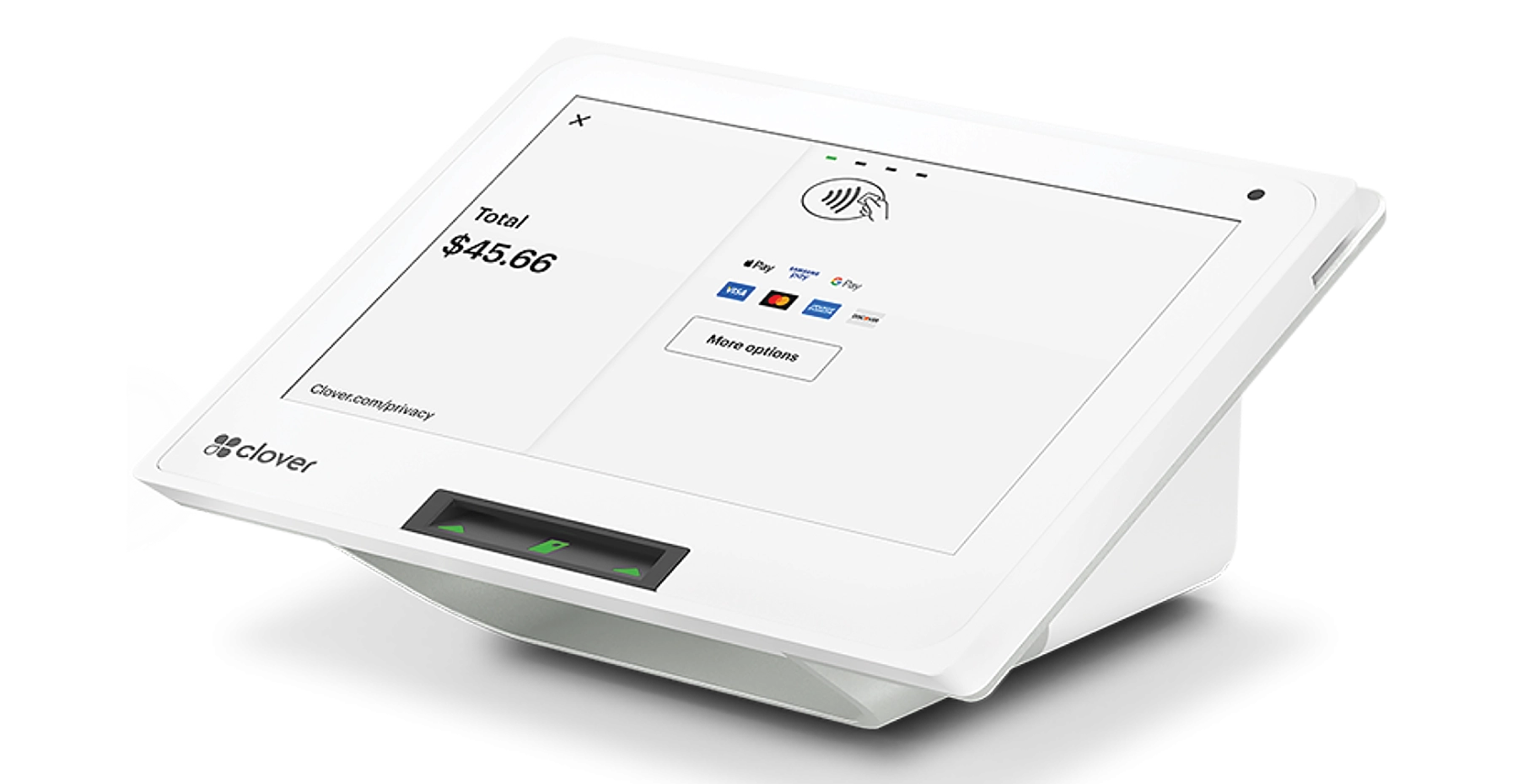
Compare that to Clover hardware from VMS. The Clover Flex and Clover Mini run on an open ecosystem with a massive app marketplace. When you work with VMS, you own the equipment outright — no lease-to-own traps, no hardware held hostage by a proprietary software agreement.
3. Software Subscription Sticker Shock
Toast’s subscription pricing varies by plan, but the starter tier is deliberately limited. Want integrated online ordering? That’s an add-on. Loyalty programs? Another add-on. Payroll? Yet another module.
Restaurants that came in on a modest monthly fee often find themselves paying two or three times that amount within 12–18 months as they enable features they actually need. This isn’t buried in fine print — it’s the intended model. But it’s easy to underestimate when you’re in the demo phase and everything looks included.
VMS structures software differently. The goal is to give restaurants a complete full-service restaurant payment solution without the upsell pressure that makes annual budgeting feel like a moving target.
4. Forced Upgrades and Feature Changes Mid-Contract
As Toast grows and shifts its product priorities, features available to existing plan subscribers can change. Some features that were included get moved to higher tiers. Others get deprecated or modified — sometimes with limited notice.
Restaurant owners on older Toast contracts have reported discovering mid-service that a tool they relied on had been altered or removed. When you’re running a Friday dinner rush and your table management interface suddenly behaves differently, that’s not a minor inconvenience — it’s a real operational risk.
Leaving Toast POS often starts with exactly this kind of moment: not a gradual dissatisfaction, but a specific incident where the platform failed during a critical shift.
5. Limited Fit for Unique Restaurant Concepts
Toast was designed with a specific type of restaurant in mind. It handles traditional full-service and quick-service well. But operators with more complex models — food trucks, multi-concept spaces, catering hybrids, counter-service with table ordering — regularly run into limitations.
The Clover ecosystem, by contrast, supports a wider range of operational models. Clover’s app marketplace includes hundreds of integrations built for niche use cases, and the hardware lineup (including the full POS device range available through VMS) can be configured to match almost any floor plan or service style.
6. Customer Support That Disappears After the Sale
This is perhaps the most consistent complaint from owners who are leaving Toast POS: the support quality simply doesn’t match the promises made during the sales process.
Toast is a large, VC-backed company that has gone through multiple rounds of restructuring. That tends to affect the support experience. Owners report long hold times, open tickets that drag on for weeks, and support reps who are clearly working off a script rather than understanding the actual problem.
For a restaurant where a broken POS during a dinner service can cost hundreds or thousands of dollars in a single shift, this isn’t an acceptable risk. VMS operates as a local, relationship-first merchant services company. The support model is built around knowing your business, not routing you through an offshore call center.
7. Contracts That Make Leaving Expensive
Toast’s contract structure is designed knowing that switching costs are real. Early termination fees, hardware depreciation schedules, and software lock-in combine to make the decision to leave feel financially painful — even when the long-term math clearly favors switching.
This is partly why restaurants stay longer than they should. The cost of switching right now feels higher than the cost of staying — at least in the near term. But over a 12–24 month horizon, the processing savings alone often more than recover transition costs.
If you’re considering leaving Toast POS, timing matters. VMS helps new clients identify the right window — typically at natural contract renewal — to eliminate or dramatically reduce early termination exposure.
What Restaurants Find When They Compare Toast vs. Clover + VMS
VMS has put together a detailed, side-by-side breakdown at VMS vs. Toast covering processing rates, hardware ownership, contract terms, and support model. It’s worth reading before you make any decisions.
The short version: Clover hardware with VMS processing typically delivers lower total cost of ownership over a 3-year horizon for restaurants doing more than $20,000 per month in card volume. Processing savings alone often more than offset any transition costs within the first year.
The Clover ecosystem also gives you genuine operational flexibility. You can configure the right combination of hardware for your floor plan, ticket flow, and staff size — rather than being forced into whatever bundle Toast is currently promoting.
How to Switch POS Systems Without Disrupting Your Restaurant
The fear of downtime is the biggest thing that keeps restaurants from leaving Toast POS even when they want to. Here’s how a real switch actually unfolds:
Step 1: Audit your current contract. Know exactly when your Toast agreement renews and what the early termination terms look like. This determines your switch window.
Step 2: Get a processing rate analysis. VMS will review your last three months of processing statements and give you a real, apples-to-apples comparison — not a vague “we’ll probably be cheaper” estimate.
Step 3: Plan your go-live for a slow shift. Most restaurant clients switch during a Tuesday or Wednesday lunch service — low volume, lighter traffic, time to adjust if anything needs attention. Saturday nights are not the time to go live on new hardware.
Step 4: Train your staff before you go live. Clover’s interface is intuitive, but giving your team 20–30 minutes with the hardware before a live shift builds confidence and prevents slow-down during service.
Step 5: Have a fallback ready for day one. Keep a backup payment method on hand just in case. This almost never gets used, but it eliminates the anxiety for everyone on the floor.
The full switch — hardware delivery, setup, and first live transaction — typically takes 5–10 business days from the time you sign.
Is Leaving Toast POS the Right Call for Your Restaurant?
Not every restaurant will benefit equally from switching right now. Here’s a framework to think it through:
Switching makes the most sense if:
- You’re paying more than 2.5% on card transactions
- You’ve been surprised by unexpected fees or subscription increases in the past 12 months
- You’ve had a support issue go unresolved for more than 48 hours
- Your concept doesn’t fit the standard full-service or QSR model Toast was built for
- You’re approaching a natural contract renewal window
Staying might make more sense if:
- You recently invested in Toast hardware and transition costs outweigh 12-month savings
- Your team is deeply trained on Toast and a switch would create real operational disruption right now
- You’re in a high-growth phase where any operational downtime carries outsized risk
The honest answer is: run the numbers first. VMS will do that analysis with you at no cost and no obligation. If the math doesn’t favor switching, they’ll tell you that too.
Still running an outdated register?
VMS sets up a modern Clover POS matched to how your business actually runs — installed, configured, and supported by a team that answers the phone.
Or call our team: 888-902-6227
Your Next Step
Restaurants leaving Toast POS aren’t making an emotional decision. They’re responding to a consistent pattern — higher costs than expected, hardware limitations, feature instability, and support that doesn’t hold up under the demands of a live kitchen environment.
Clover hardware with VMS processing gives you a POS ecosystem built on open standards, competitive negotiated rates, and a support model that treats your restaurant like a long-term relationship, not a ticket number. Start with the full VMS vs. Toast comparison to see how the numbers stack up. Or if you’re ready to talk specifics, contact VMS directly — the conversation costs you nothing, and the analysis could save you thousands per year.
Have questions about POS systems?
Fill out the form below and a VMS payment specialist will contact you shortly.