

by Grace Barone
In today’s digital world, where one online review or viral post can either launch your small business into stardom or sink it faster than a leaky ship, managing your online reputation is not optional — it’s survival.
Think of yourself as the conductor of a symphony. Every note — every post, review, and share — needs to harmonize perfectly to create a beautiful brand experience for your audience. Whether you’re a budding startup or a beloved local business, your future success depends on how well you proactively shape public perception and turn your online presence into a standing ovation-worthy performance.
Let’s dive into how to master the art of online reputation management in 2025 — where every click, comment, and mention counts.

Understanding the Different Types of Media
Managing your online reputation is about much more than simply chasing a five-star Google rating or posting motivational quotes on Instagram. The first step is understanding the different types of media your brand is involved in — because each one requires its own strategy.
Owned Media
Owned media is the content you fully control: your website, blogs, email newsletters, and even your profiles on third-party platforms. Because you manage the narrative here, owned media is your brand’s loudest and clearest voice online.
To get the most out of owned media, you need a strong SEO strategy. The goal is to dominate the first page of Google with your own content — not someone else’s. Keep publishing quality, optimized content consistently, and make sure your pages load fast, are mobile-friendly, and provide real value.
Earned Media
Earned media is the free exposure your business receives from external sources. Think press coverage, customer reviews, forums, and mentions on sites you don’t control like Yelp or Google Reviews.
Earned media is pure gold. When outsiders — not just you — speak positively about your brand, it builds trust with both consumers and search engines. Google’s algorithm favors brands that are buzzed about positively across the web, rewarding you with higher rankings and more organic traffic.
Shared Media
Shared media is all about your social media accounts — but it’s a two-way street. While you control what you post, the public can react, comment, and share however they want. One viral moment can skyrocket your brand’s visibility, while one bad comment storm can wreck your reputation if you’re not careful.
The power of shared media is that it can exponentially amplify your reach. Engaging content can travel fast, introducing your business to thousands of new people who weren’t originally looking for you.
Paid Media
Paid media includes all digital advertising you pay for: social media ads, Google ads, sponsored posts, and more. Paid media can extend your reach quickly and help reinforce your preferred brand image, but it’s generally less trusted than earned or owned media. People trust real customer experiences more than a flashy ad.
That said, strategic paid campaigns still play an important supporting role in a balanced reputation strategy.
Why Online Reviews Matter More Than Ever
If you think online reviews are just “nice to have,” think again. In 2025:
-
98% of consumers read online reviews for local businesses.
-
53% of buyers start with a Google search before making a purchasing decision.
-
Businesses with 4-star and higher ratings get 300% more clicks than those with lower ratings.
A couple of bad reviews here and there won’t destroy you — they actually make you look more authentic. But if negative reviews pile up unchecked, your business could take a serious hit.
Here’s where people are looking first:
-
Google: The king of online reviews for all industries.
-
TripAdvisor: Essential for hotels, bed & breakfasts, and travel-based businesses.
-
Yelp: Especially important for restaurants, bars, and salons.
-
BBB (Better Business Bureau): Key for service-based industries like contractors and real estate professionals.
And don’t sleep on social media. A single viral post — good or bad — can drastically impact your brand. Just ask United Airlines, who lost over $1 billion in market value in 2017 after a damaging viral video.
The lesson? Monitor your brand everywhere, not just on review sites.
How to Build a Strong Online Reputation in 2026
Managing your reputation isn’t a “one-and-done” task — it’s a continuous strategy. Here are some key pillars to focus on:
Build a Strong Online Presence with SEO
Start by making your website and owned media your strongest assets. Use tools like SEMrush to find relevant, high-traffic keywords. Incorporate those keywords naturally into your pages, blog posts, and metadata.
Make sure your website is mobile-optimized, loads quickly, and provides a stellar user experience. Building backlinks from reputable websites also boosts your domain authority, helping your brand appear more trustworthy in Google’s eyes.
Prioritize Exceptional Customer Service
The easiest way to get positive reviews? Earn them through incredible customer service. Make sure every interaction leaves customers feeling valued, heard, and respected.
Mistakes will happen — but if you resolve issues quickly and fairly, customers are less likely to leave a scathing review. Better yet, they might become your biggest defenders online.
Respond to All Comments and Reviews
Silence can be deadly in reputation management. Responding to customer comments — positive or negative — shows you care.
When you respond to feedback, 78% of customers feel like the brand values them. A simple thank-you for a positive review or a polite response to a negative comment can go a long way toward protecting and improving your image.
And don’t just stop at review sites — stay active on social media. Reply to comments and DMs, acknowledge mentions, and show your audience there are real people behind your brand.
Personalize the Customer Experience
Personalization in 2025 is no longer a bonus — it’s expected.
Get to know your customers through surveys, loyalty programs, and CRM tools. Track their preferences and habits, then tailor your communications and offers accordingly.
True personalization is more than just slapping a customer’s first name on an email. It’s about sending relevant content, promotions, and offers based on their actual interests and behavior. When customers feel truly seen and understood, they’re much more likely to stick around — and tell others.
Making Sure Your Business Shines Online
A strong online reputation is one of the most valuable assets your business can have. And at Velocity Merchant Services (VMS), we have the tools to help you protect it.
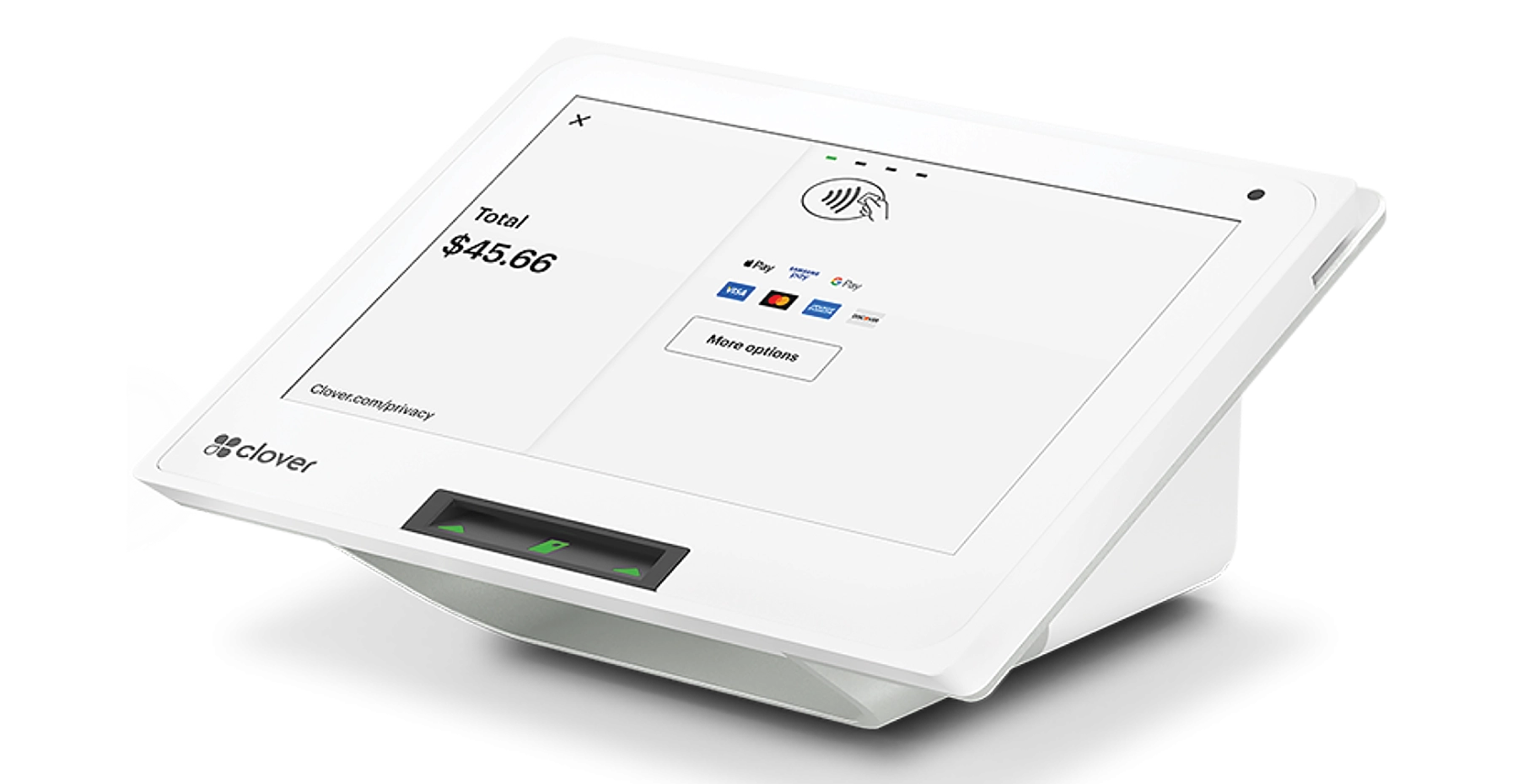
Our powerful POS systems allow you to track customer data effortlessly, making personalization easier than ever. We can help you launch customer loyalty programs, set up cash discount programs to boost profits, and even build a professional website that showcases your business in the best possible light.