

Introduction to the Retail Reset
The retail industry is facing a pivotal moment as a significant wave of store closures sweeps across the US in 2026. Over 1,200 stores are expected to shutter their doors, marking what many analysts are calling a “retail apocalypse.” This trend is not limited to one sector—department stores, convenience stores, and even fast-food chains are all feeling the pressure. According to Business Insider, the surge in store closures is being driven by shifting consumer habits, rising costs, and the urgent need for retailers to streamline operations. As major retailers adapt to these changes, the retail industry is bracing for continued disruption and a growing number of closures in the years ahead.
Causes of the Retail Reset
At the heart of the retail reset are rapidly changing consumer habits, with more shoppers turning to online retail and moving away from traditional brick and mortar locations. This shift has left many retailers grappling with underperforming stores and mounting operational costs. Rising expenses for rent, labor, and inventory are forcing companies to make tough decisions about which stores to keep open. Saks Global, the parent company of Saks Off 5th and Saks Fifth Avenue, recently filed for Chapter 11 bankruptcy protection, citing the need to close underperforming stores and become more competitive. Other major retailers, including Macy’s and Kohl’s, are also closing locations and focusing on their best-performing stores and digital strategies to stay ahead in a challenging market.
The 15,000 store closures of 2026 affected a lot of businesses. How can it affect the retail industry?
In 2025, the American retail landscape is undergoing a seismic shift. An estimated 15,000 brick-and-mortar stores are projected to close their doors, more than doubling the 7,325 closures recorded in 2024. This surge in stores closing highlights the widespread nature of the shutdowns across the industry. This wave of closures affects a broad spectrum of retailers, from legacy department stores to specialty shops, with many locations closing and most locations affected being stores in the US. The closures are not limited to a single sector, as both retail and restaurant chains are shutting down physical locations nationwide. Experts predict that the trend of retail closures will continue into 2026 due to ongoing economic pressures.
Several factors contribute to this unprecedented rate of retail shutdowns:
-
E-commerce Dominance: The convenience and variety offered by online shopping platforms continue to lure consumers away from physical stores.
-
Economic Pressures: Persistent inflation and shifting consumer spending habits have strained retailers’ profitability.
-
Overexpansion and Debt: Some retailers expanded rapidly without sustainable strategies, leading to financial vulnerabilities.
-
Private Equity Dynamics: A retreat of private equity investments in retail has left some companies without crucial financial support.
Notable Retailers Closing Underperforming Stores in 2026
The list of retailers announcing closures is extensive, including:
-
Joann Fabrics: After filing for bankruptcy, Joann is closing all 800 stores across 49 states as part of a structured path to address financial challenges and liquidate assets.
-
Macy’s: Under its “Bold New Chapter” strategy, Macy’s company confirmed the announced closures of 150 store locations through 2026, focusing on its best-performing locations and enhancing its online experience. The retailer is closing stores that are not producing sales growth to remain focused on customer needs and market trends, while many physical locations will remain open.
-
Walgreens and CVS: Both pharmacy giants are reducing their footprints, with Walgreens set to close 1,200 stores over three years and CVS continuing its store reduction strategy initiated in 2021. These announced closures are part of efforts to produce sales growth and adapt to evolving customer needs.
-
Party City: Facing financial challenges, Party City announced the closure of many stores, with all 700 locations closing by February 28, 2025. The company is conducting liquidation sales at closing stores, offering significant discounts as they clear out inventory.
-
Kohl’s: The retailer is closing 27 store locations in 2025 as part of a broader consolidation effort, with announced closures focused on underperforming stores that are not producing sales growth.
-
Forever 21: After filing for bankruptcy, Forever 21 is closing 215 underperforming locations, with most stores to close by April. Liquidation sales are expected at many of these closing stores.
-
Bargain Hunt: The discount retailer filed for Chapter 11 bankruptcy and announced the closure of all 91 stores, with liquidation sales to clear inventory.
-
Francesca’s: The company confirmed it is closing all of its approximately 400 store locations throughout the US after filing for Chapter 11 bankruptcy protection. Francesca’s is conducting going-out-of-business sales at all stores, operating responsibly and remaining focused on supporting stakeholders during the bankruptcy process.
-
Wendy’s: The fast food chain, under the leadership of interim CEO Ken Cook, announced closures of around 300 underperforming locations in the US, representing 5% to 6% of its roughly 6,000 store locations. These closing stores are not producing sales growth, and liquidation sales may occur as part of the process.
-
Pizza Hut: The company confirmed it is set to close 250 underperforming stores in the US during the first half of 2026 as part of a long-term effort to strengthen the brand and focus on best-performing locations. Liquidation sales may be held at closing stores.
-
Carter’s: Carter’s announced closures of 150 stores across North America over the next three years, with about 100 store locations expected to close by the end of 2026 as leases expire. The company is focusing on producing sales growth and responding to customer needs.
-
Kroger: Kroger announced it would close 60 unprofitable stores across the US over the next 18 months, with the process already begun as of September 2025. These announced closures are part of a strategy to focus on best-performing locations and improve profitability.
-
Saks Off 5th: Saks Off 5th plans to close 57 store locations in early 2026, including five last call locations, as part of a broader restructuring effort after Saks Global filed for Chapter 11 bankruptcy protection. Liquidation sales are expected at these closing stores. The Saks Off 5th website operates as a separate legal entity from Saks Global.
-
Yankee Candle: Yankee Candle will close 20 stores in the US and Canada beginning in January 2026 as part of a productivity plan to enhance efficiency, with closures in Canada beginning early 2026.
-
REI: The co-op confirmed plans to close three stores in 2026, starting with a New Jersey location in the first quarter, and including Boston stores and a location in York City’s SoHo neighborhood. These announced closures are intended to position the co-op for long-term success, adapt to market changes, and focus on customer needs. The strategy is to close underperforming stores that are not producing sales growth while many stores will remain open.
-
Amazon: Amazon is transitioning from its convenience stores and Amazon Fresh grocery outlets to focus on expanding Whole Foods Market stores and other foods market stores, aiming to better meet customer needs and produce sales growth.
Many retailers are conducting liquidation sales at closing stores, often offering significant discounts on remaining inventory. Customers are encouraged to take advantage of these sales before stores officially close their doors.
Retail experts are raising concerns that numerous additional companies may be vulnerable to closures in the current retail crisis, as brands focus on producing sales growth, adapting to customer needs, and restructuring to remain competitive.
Store Closure Trends
Store closures in 2026 are not happening evenly across the country, and the pace is accelerating. According to Coresight Research, more than 15,000 store closures are expected this year, with the majority taking place in the first half. Major retailers like Wendy’s, Pizza Hut, and Saks Off 5th have begun closing locations, often citing the need to close underperforming restaurants and stores to focus on online growth. Getty Images reports that these closures are having a profound impact on the retail industry, putting thousands of jobs at risk and forcing retailers to rethink their strategies for long-term success.
Regional Variations
The impact of store closures varies widely by region, with some areas experiencing more significant losses than others. In New York City’s SoHo neighborhood, several high-profile closures are expected, including three REI stores. Boston is also seeing a shakeup, with a Saks Fifth Avenue location and other stores set to close. Meanwhile, in New Jersey, a number of stores—including a Wendy’s location—are scheduled to close in the first quarter of 2026. Business Insider notes that these closures are likely to have a ripple effect on local economies, leading to job losses and changes in the retail landscape for communities across the US.
Impact on Department Stores
Department stores are among the hardest hit by the retail reset, with many announcing plans to close underperforming stores and shift their focus to online retail. Macy’s, for example, has confirmed plans to close 150 stores as part of a broader effort to streamline operations and concentrate on their most profitable locations. Saks Fifth Avenue is also closing several stores, including a prominent Boston location, while Neiman Marcus and Bergdorf Goodman are expected to follow suit. According to a recent press release, these closures are designed to help retailers adapt to changing consumer habits and rising costs, ensuring they remain competitive in a rapidly evolving retail industry. Dick’s Sporting Goods has also stated that it will close underperforming stores and invest in its online presence, underscoring the industry-wide shift toward digital transformation and operational efficiency.
Implications for Small and Mid-Sized Businesses
While large retailers face significant challenges, small and mid-sized businesses can find opportunities amidst the upheaval:
-
Market Entry Opportunities: Vacated retail spaces may offer more affordable leasing options for emerging businesses. The closure of many stores often leads to liquidation sales, allowing new businesses to acquire inventory or fixtures at a discount.
-
Customer Acquisition: Displaced customers from closed stores, especially those holding liquidation sales, may seek alternatives, providing an opportunity to capture new clientele.
-
Community Engagement: Local businesses can strengthen community ties by emphasizing personalized service and local sourcing.
Leveraging Technology for Resilience
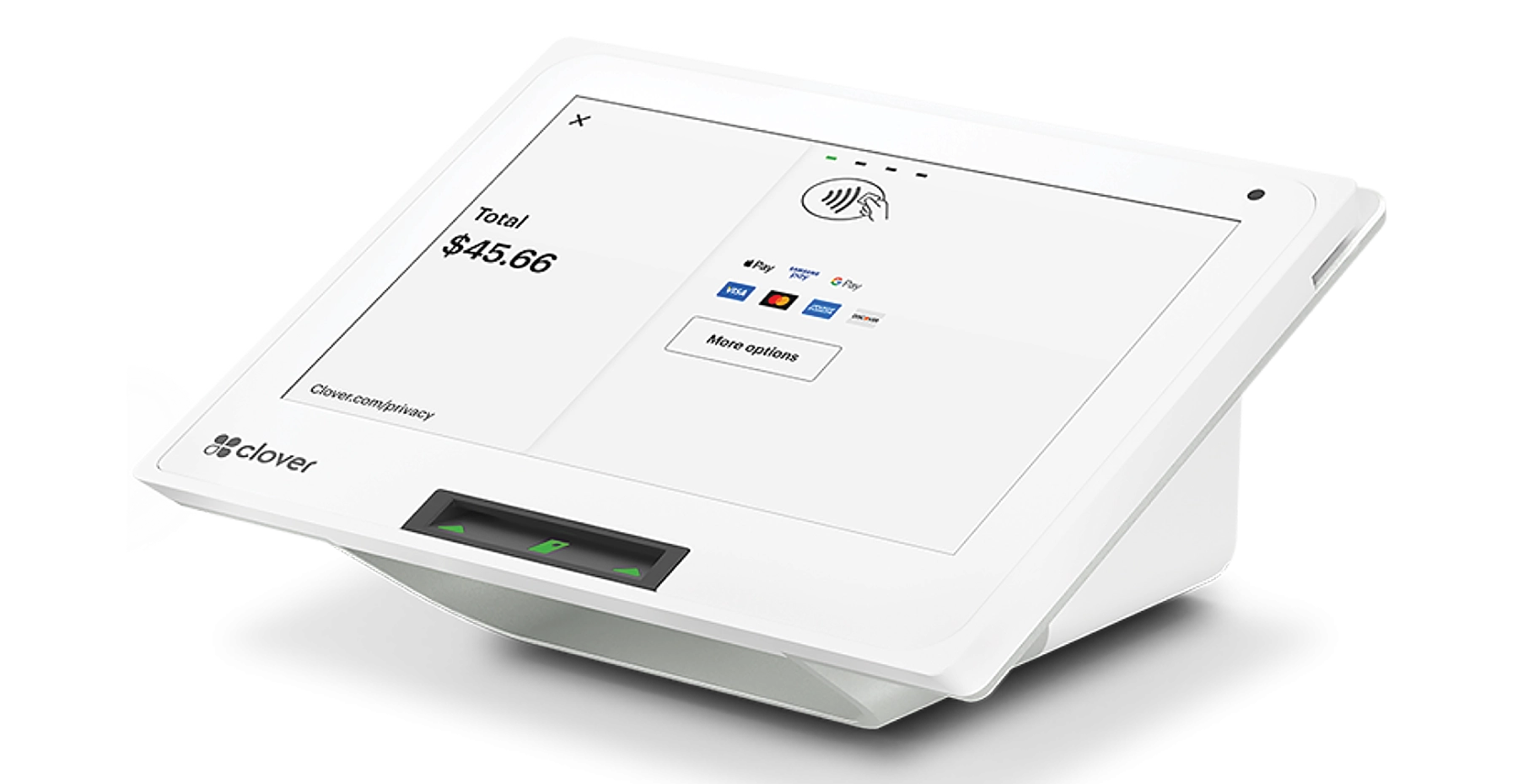
Adopting advanced point-of-sale (POS) systems, such as Clover POS, can enhance operational efficiency:
-
Inventory Management: Real-time tracking helps maintain optimal stock levels and reduces waste.
-
Sales Analytics: Detailed reports provide insights into customer behavior and sales trends.
-
Integrated Payments: Support for various payment methods, including contactless and mobile payments, caters to diverse customer preferences.
-
Customer Engagement: Loyalty programs and targeted promotions can be managed directly through the POS system.
Want a payments partner that picks up the phone?
VMS works with independent business owners nationwide — real support, transparent pricing, and no long-term contracts.
Or call our team: 888-902-6227
Conclusion
The retail sector in 2025 is at a crossroads, with significant closures reshaping the market. However, for agile and tech-savvy small businesses, this period offers a chance to adapt and thrive. By embracing innovative solutions like Clover POS, businesses can enhance customer experiences, streamline operations, and position themselves for long-term success.
For more insights like this, keep up with the VMS blog—where small business meets big tech without the fluff.
Have questions about payments for your business?
Fill out the form below and a VMS payment specialist will contact you shortly.