

If your business runs on appointments, a no show isn’t a minor inconvenience. It’s revenue you can’t make back, staff time you already paid for, and a schedule that suddenly has holes right when you need momentum.
The frustrating part is this: most no show appointment problems aren’t caused by “bad customers.” They’re caused by weak systems. No reminders. No commitment. No clear rules. And no consequences.
The good news: you can cut no show rates without being rude or rigid. You just need a simple process that sets expectations and makes it easy for customers to do the right thing.
Start by defining what “no show” means in your business
If you don’t define it, your numbers lie to you.
Many appointment-based businesses treat late cancellations as a no show because the time can’t realistically be filled. That’s a fair approach, and it’s also the easiest to track consistently. A quick explanation and calculation method is outlined in this overview on calculating a no-show rate.
Pick a definition and stick to it, for example:
-
no show: didn’t arrive and didn’t notify
-
late cancel: cancelled within 24 hours
-
no show rate: (no shows + late cancels) ÷ total appointments
Once you track it the same way every week, you’ll know if changes are actually working.
Why no show keeps happening
Customers don’t wake up thinking, “How can I ruin someone’s day?”
Most no show behavior comes from:
-
they forgot
-
something came up
-
they booked “just in case”
-
they didn’t understand your policy
-
rescheduling felt like a hassle, so they ghosted
So the solution is simple: make the appointment feel real, and make cancellation/rescheduling easy enough that they don’t disappear.
Step 1: Put a clear no show policy in writing
A policy doesn’t work if it’s hidden, complicated, or only mentioned after someone misses.
A strong policy answers four things:
-
how much notice is required (24–48 hours is common)
-
what happens for a late cancel or no show (fee, deposit forfeiture, or limited booking access)
-
what counts as “late” (be specific)
-
how to cancel (phone, text, online link)
Keep it short. Here’s wording that works without sounding angry:
“Please provide 24 hours notice to cancel or reschedule. Late cancellations and no show appointments may be subject to a fee.”
Put it where people will actually see it:
-
booking page
-
confirmation text/email
-
front desk sign
-
receipts (if you want to reinforce it)
Step 2: Require commitment for prime times
If it costs nothing to book, people book casually. That’s where no show problems multiply.
Two options that work in the real world:
-
deposit for high-demand times and longer appointments
-
card on file with a no show fee for late cancels
Even a small deposit changes behavior because customers now have a reason to protect the appointment.
If you’re thinking “I don’t want to scare people off,” don’t worry. Good customers aren’t offended by professional policies. They expect them.
Step 3: Use reminders that actually reduce no show
One reminder the day before is better than nothing, but if no show is a real issue, use a simple sequence:
-
Immediately after booking: confirmation message
-
48–24 hours before: reminder that asks for a response
-
Day of (morning): short reminder with directions/parking note if relevant
The most important upgrade: make them confirm.
-
“Reply YES to confirm”
-
“Reply C to cancel”
-
“Reply R to reschedule”
That one step turns a no show risk into an active commitment instead of a passive calendar entry.
Step 4: Make rescheduling easier than ghosting
A lot of no show customers didn’t mean to vanish. They just didn’t want to call, explain, or sit on hold.
Make rescheduling painless:
-
allow reschedule by text
-
include a reschedule link in reminders
-
give two quick options: “Reply 1 for next week, reply 2 for the following week”
When rescheduling is easy, fewer people disappear.
Step 5: Build a waitlist that fills cancellations fast
A waitlist doesn’t just reduce the pain of no show incidents, it also pressures customers to cancel properly because they know someone else wants the slot.
Simple waitlist rules:
-
ask customers if they want to be on the cancellation list
-
when a slot opens, offer it with a short time window:
-
“We have a 2:30 opening today. Reply YES within 15 minutes to claim it.”
-
This keeps your day moving even when cancellations happen.
Step 6: Train staff to enforce the policy calmly
Most policies fail because staff feels awkward enforcing them. Fix that with one sentence.
Examples:
-
“Just a heads up, we do have a 24-hour cancellation policy. Late cancellations and no show appointments may be charged a fee.”
-
“We hold the card to reserve the time. There’s no charge unless it’s a late cancel or no show.”
No speeches. No debates. Calm and consistent.
Step 7: Create a “three strikes” rule for repeat no show customers
You don’t need to be harsh, but you do need boundaries.
A practical structure:
-
first no show: reminder + policy explanation
-
second no show: fee enforced
-
third no show: deposits required for all future bookings (or limited booking privileges)
This protects your schedule and your reliable customers who actually show up.
How Clover can help reduce no show problems
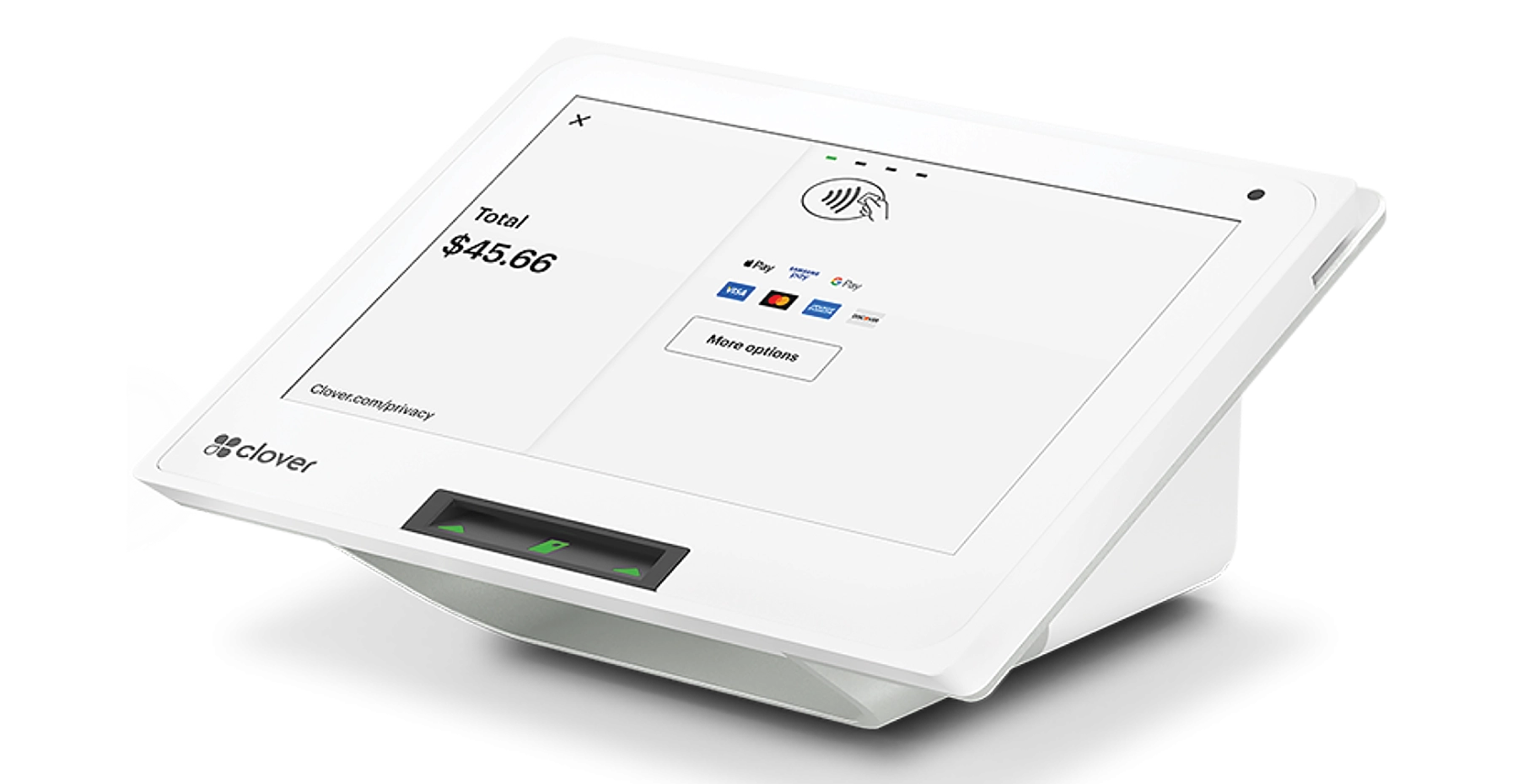
If you’re using Clover (or considering it), the goal is to connect scheduling and payments so your policy isn’t “just a sign on the wall.”
A clean POS + payments setup helps you:
-
take deposits for high-demand appointments
-
store a card on file for enforcement
-
keep consistent records across staff
-
reduce checkout delays that back up your schedule
If you want to see how Clover fits into a smoother appointment flow, here’s the overview for Clover POS through VMS.
A quick “this week” checklist to reduce no show fast
-
Define what counts as a no show (and track it weekly)
-
Publish your 24–48 hour cancellation policy everywhere customers book
-
Add confirmation + reminders with “reply YES”
-
Require deposits or card on file for prime times/long appointments
-
Start a cancellation waitlist with a short claim window
-
Train staff on one sentence for enforcement
-
Set a repeat no show boundary (three strikes works well)
Want a payments partner that picks up the phone?
VMS works with independent business owners nationwide — real support, transparent pricing, and no long-term contracts.
Or call our team: 888-902-6227
Bottom line
No show problems don’t get fixed with hope. They get fixed with structure.
Clear policy, consistent reminders, customer commitment (deposit/card on file), a waitlist, and calm enforcement will reduce no show appointments and protect your schedule.
Have questions about payments for your business?
Fill out the form below and a VMS payment specialist will contact you shortly.