

If 2026 had a theme song for restaurants, it would be something like: “Do more with less… but don’t let the guest notice.” Costs are still sticky, consumers are more selective, and the margin for error is thin. Yet despite all that, the restaurants paying attention to today’s restaurant trends are finding ways to grow—even in a tougher environment.
Across early 2026 industry outlooks, the same signals keep popping up: softer traffic, higher operating pressure, and an urgent need to run tighter systems without sacrificing the guest experience. The winners won’t be the cheapest or the trendiest. They’ll be the most disciplined.
Restaurant Trend #1: Value Is Winning — But Only When It Feels Intentional
One of the most influential restaurant trends heading into 2026 is the shift in how guests define value. Diners aren’t necessarily looking for the lowest price; they’re looking for reassurance that what they’re buying is worth it. That’s showing up as fewer impulse add-ons, more combo meals, and a noticeable shift toward takeout and off-premise dining.
Consumer research from McKinsey points to cost consciousness and channel switching as defining behaviors shaping restaurant spending going forward. In practice, this means random discounts and deep coupons are losing effectiveness. Guests respond better to predictable pricing, bundled meals, and loyalty-driven value.
Restaurants that are winning here are designing menus that let guests self-select based on budget. A clear “good, better, best” structure gives diners control while protecting margins. Limited-time offers still work—but only when they’re easy on the kitchen and operationally realistic.
Restaurant Trend #2: Cost Control Becomes the Operating System
Cost control isn’t a background concern anymore—it’s one of the defining restaurant trends of 2026. Operators are still dealing with uneven food inflation, rising packaging costs tied to off-premise growth, and ongoing labor challenges. Beef prices, delivery materials, and scheduling inefficiencies are all cutting into profit faster than many restaurants can react.
The operators staying ahead are engineering their menus with intention. That means identifying which items actually drive profit, featuring those more aggressively, and reworking or removing low-margin items that slow down the kitchen. Standardized prep, fewer ingredients, and tighter vendor negotiations are no longer “best practices”—they’re survival tactics. Just as importantly, more restaurants are tracking prime costs weekly, not monthly, because waiting 30 days to react in 2026 is too late.
Restaurant Trend #3: Off-Premise Is No Longer Optional
Off-premise dining has officially graduated from “extra revenue stream” to core infrastructure. One of the most durable restaurant trends right now is the expectation that takeout, delivery, and curbside should work just as smoothly as dine-in.
Guests expect fast ordering, accurate fulfillment, packaging that actually holds up, and a pickup experience that doesn’t feel awkward or confusing. Restaurants that treat off-premise as its own line of business—complete with optimized menus, clear pickup flows, and consistent packaging standards—are seeing better margins and fewer complaints.
Many operators are also pushing harder toward first-party ordering through their own websites, using marketplaces more strategically as customer acquisition tools rather than profit engines. This shift pairs closely with investments in modern POS and payment systems designed specifically for off-premise efficiency, especially in full-service environments.
Restaurant Trend #4: Labor Pressure Drives Quiet Automation
Labor remains one of the most talked-about restaurant trends in 2026, but the solution isn’t flashy robots or futuristic gimmicks. Instead, automation is quietly embedding itself into daily workflows—scheduling, inventory alerts, prep planning, and kitchen routing—so teams can do more without burning out.
Restaurants reducing friction behind the scenes are seeing real gains. Smarter scheduling cuts overtime. Prep lists based on sales patterns reduce waste. Standardized stations shorten training time. Cross-training improves coverage without inflating labor costs. None of this is glamorous, but all of it works.
Restaurant Trend #5: Menus Go Strategic, Not Just Trendy
Food trends still matter, but another key restaurant trend in 2026 is restraint. Winning operators aren’t chasing every viral ingredient—they’re choosing trends that fit their brand, supply chain, and kitchen flow.
Industry forecasts highlight bolder flavors alongside health-conscious shifts, including lighter options and portion flexibility. Restaurants adapting successfully are testing trends as limited-time items, building reusable flavor bases, and offering options that meet changing preferences without exploding menu complexity. Strategy is beating novelty.
Restaurant Trend #6: Payments Become Part of the Experience
Payment might seem like a backend detail, but it’s increasingly part of the guest experience—and a growing restaurant trend in its own right. Diners may not think about tokenization or EMV compliance, but they absolutely notice when checkout is slow, awkward, or outdated.
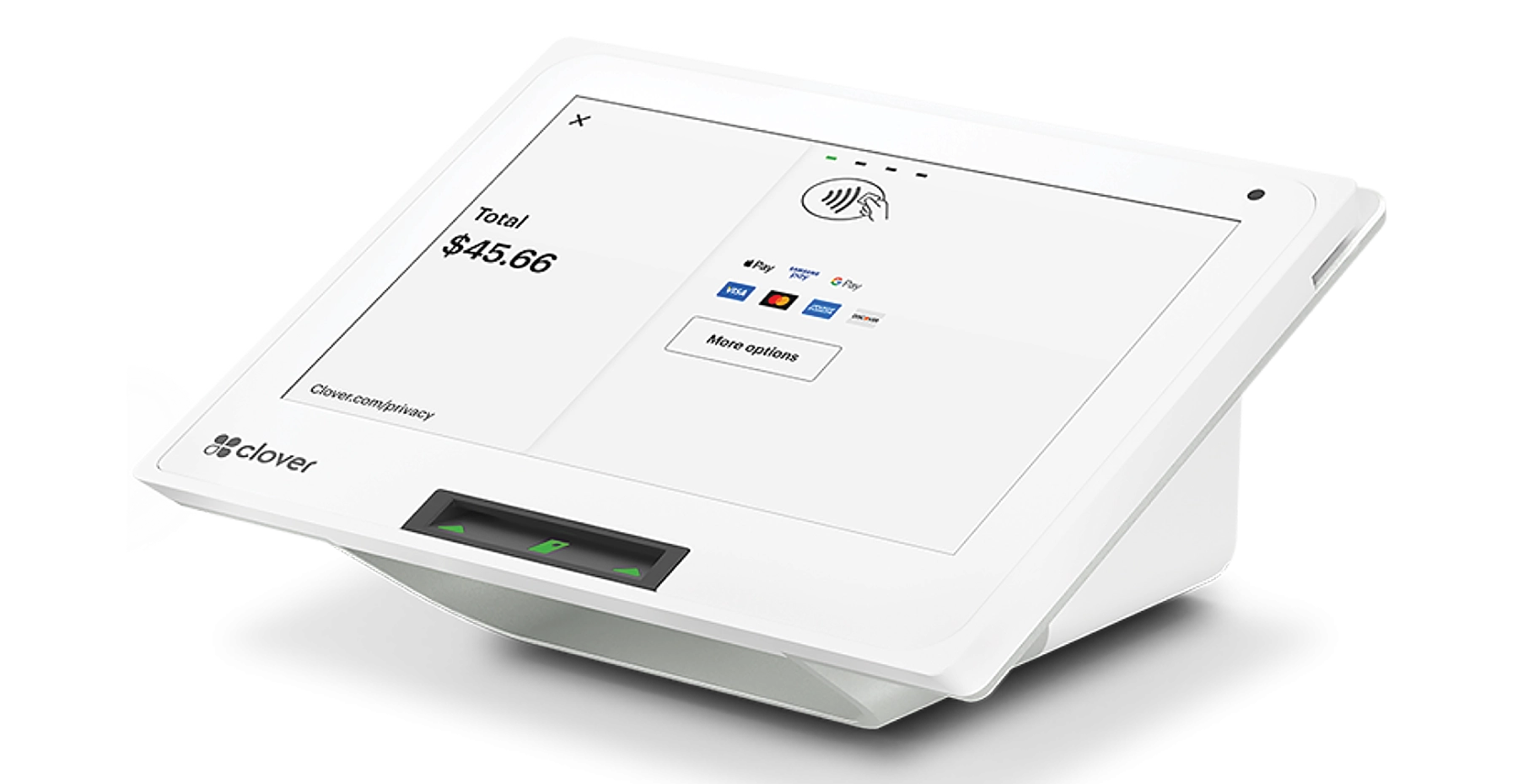
In 2026, guests expect tap-to-pay, mobile wallets, and frictionless bill splitting as baseline functionality. Full-service restaurants are leaning into handheld and pay-at-table solutions to reduce table time and increase turns, while quick-service locations are optimizing checkout speed without making tipping feel uncomfortable. Restaurants upgrading their payment flows are often surprised by how directly it impacts satisfaction and repeat visits (internal link).
The 2026 Outlook: What These Restaurant Trends Add Up To
Taken together, the restaurant trends shaping 2026 point to a clear reality: growth is still possible, but only for operators who run clean systems and adapt quickly. The restaurants that will win are the ones that communicate value without racing to the bottom, simplify menus and operations, invest in off-premise experiences, and remove friction everywhere—from ordering to payments to staffing.
Those that cling to oversized menus, rely too heavily on third-party delivery, delay pricing decisions, or operate on outdated POS and payment flows will feel it—fast and painfully—in their margins.
Need a POS built for your type of business?
VMS configures your system around how your industry actually operates — menus, inventory, appointments, whatever you run on.
Or call our team: 888-902-6227
Bottom Line
In 2026, restaurants don’t win by being the cheapest or the fanciest. They win by being the most reliable. Reliable value. Reliable speed. Reliable quality. And a checkout experience that doesn’t feel like a DMV line on a Friday afternoon.
Have questions about a POS for your business?
Fill out the form below and a VMS payment specialist will contact you shortly.