

Walk into a modern stadium, theme park, or entertainment venue today and you’ll probably see a familiar sign near the entrance:
“This location is cashless.”
For many businesses, going cashless isn’t just a trend anymore—it’s becoming the standard. Digital payments are faster, easier to track, and safer than handling physical currency. But there’s still one major challenge with operating a completely cashless business:
Millions of consumers still rely on cash.
According to the FDIC, roughly 5–6% of U.S. households are unbanked, meaning they don’t have a checking or savings account. Millions more are considered underbanked, relying heavily on cash transactions.
So how do businesses stay cashless without turning away customers who only carry bills?
That’s where reverse ATMs come in.
Reverse ATMs are machines that convert cash into prepaid debit cards, allowing customers with cash to participate in a cashless environment. They’ve quickly become one of the most practical tools for businesses that want the benefits of digital payments while remaining accessible to all customers.
In this article, we’ll explain what reverse ATMs are, how they work, and why they’re becoming essential for cashless businesses.
What Are Reverse ATMs?
A reverse ATM is a machine that allows customers to exchange physical cash for a prepaid debit card.
Unlike traditional ATMs, which dispense cash from a bank account, reverse ATMs do the opposite—they accept cash and convert it into a digital payment method.
Think of it like flipping the ATM process.
Traditional ATM
• Insert card
• Withdraw cash
Reverse ATM
• Insert cash
• Receive prepaid card
The prepaid card can then be used anywhere within the business or venue that accepts card payments. Most reverse ATM cards are issued through major payment networks like Visa or Mastercard, meaning any remaining balance can often be used elsewhere after leaving the location.
For example:
A customer enters a cashless stadium with $50 in cash.
They use the reverse ATM near the entrance.
The machine prints a $50 prepaid debit card.
They can now buy food, drinks, merchandise, or tickets inside the venue just like any other cardholder.
The process typically takes less than 30 seconds, making it a quick solution for customers who only carry cash.
Why Cashless Businesses Are Growing
To understand why reverse ATMs are becoming more common, it helps to understand why businesses are increasingly choosing to go cashless.
Handling cash has always been part of retail and hospitality, but it comes with several operational challenges.
1. Cash Handling Is Expensive
Managing cash requires additional labor and security procedures.
Businesses must:
• Count drawers
• Reconcile registers
• Transport deposits to the bank
• Handle cash shortages or discrepancies
These tasks add time and administrative overhead to daily operations.
2. Cash Creates Security Risks
Cash theft is a real concern for many businesses.
Employees handling cash may accidentally miscount money or be targeted for theft. Cash registers also become attractive targets for robbery.
By eliminating cash from the register entirely, businesses dramatically reduce these risks.
3. Digital Payments Are Faster
Consumers expect speed at checkout.
Tap-to-pay, mobile wallets, and card payments allow transactions to happen almost instantly. Cash payments, on the other hand, require counting bills, making change, and verifying amounts.
For high-volume environments like stadiums or concerts, those extra seconds matter.
Faster checkout means:
• Shorter lines
• More transactions per hour
• Higher revenue
4. Cashless Operations Are Easier to Manage
Digital transactions automatically create records, making accounting far easier.
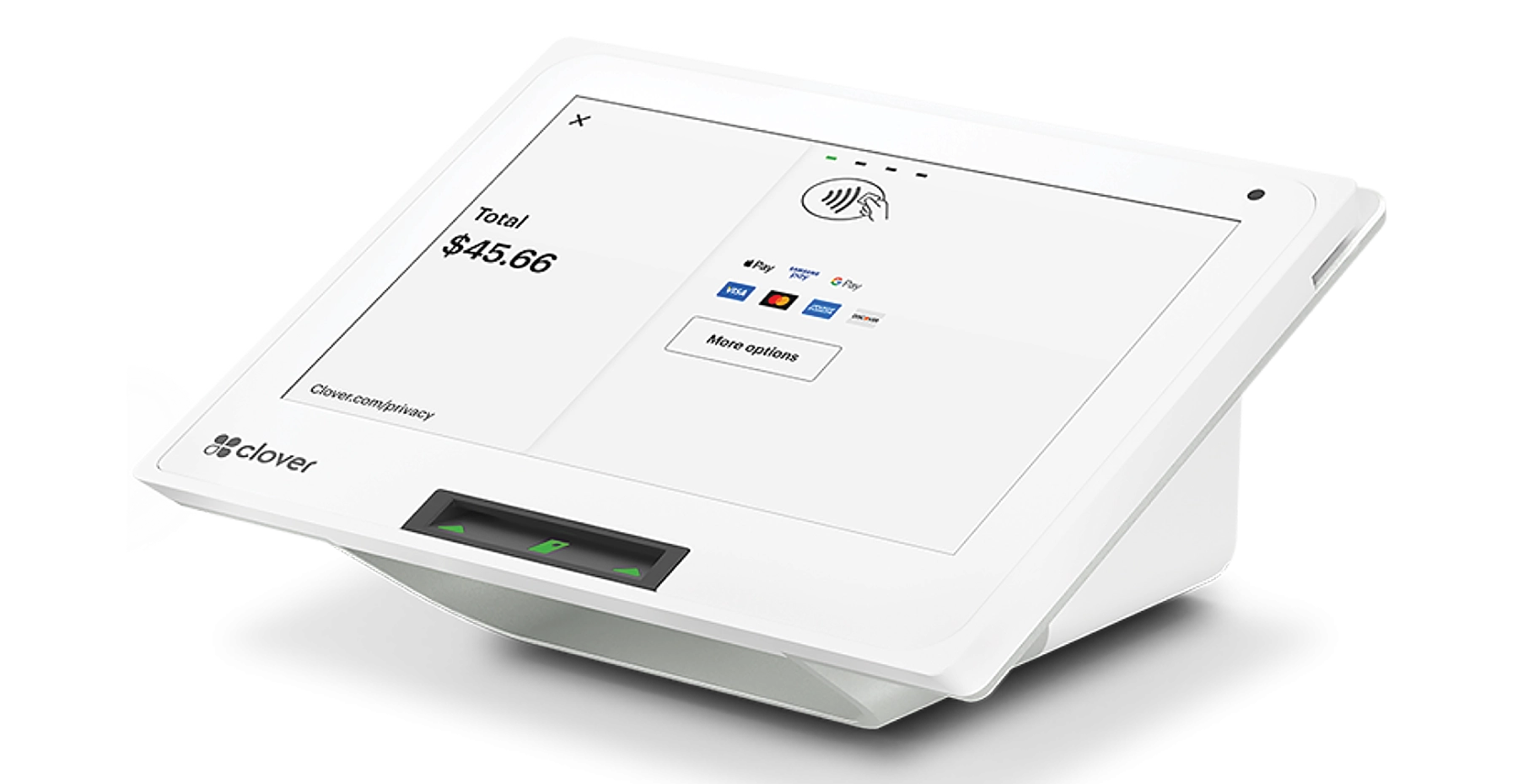
Modern POS systems like Clover POS can instantly track:
• Sales totals
• Inventory
• Taxes
• Employee activity
Cash introduces more opportunities for human error.
By going cashless, businesses gain better financial visibility and operational control.
The Problem: Cash Acceptance Laws
Even though many businesses want to eliminate cash entirely, the reality is more complicated.
Several cities and states have implemented cash acceptance laws, requiring businesses to accept cash payments.
Cities that have passed cash acceptance regulations include:
• New York City
• San Francisco
• Philadelphia
• Washington, D.C.
These laws are designed to protect consumers who rely on cash—especially those who are unbanked or underbanked.
If a business refuses cash entirely, it may face fines or penalties depending on local regulations.
So businesses face a dilemma:
They want to operate cashless for efficiency—but they must still provide a way for customers with cash to make purchases.
This is exactly the problem that reverse ATMs solve.
How Reverse ATMs Bridge the Gap
Reverse ATMs allow businesses to operate cashless while still accommodating customers who only have cash.
Instead of accepting cash at every register, businesses install a single reverse ATM kiosk where customers can convert cash into a prepaid card.
Once the cash is converted, all transactions inside the venue remain digital.
This creates a hybrid system that keeps operations simple while staying compliant with cash acceptance laws.
Customers still have the ability to use cash—but the business never has to handle it directly.
Where Reverse ATMs Are Commonly Used
Reverse ATMs have become especially popular in high-traffic venues where speed and efficiency are critical.
Common locations include:
Stadiums and Sports Arenas
Many professional sports teams now operate fully cashless stadiums.
Reverse ATMs allow fans who bring cash to quickly convert it into a payment card before purchasing food or merchandise.
Concert Venues
Music venues often deal with thousands of customers in a short time window.
Cashless operations reduce line congestion and speed up sales.
Reverse ATMs ensure cash-paying customers aren’t left out.
Theme Parks and Amusement Parks
Theme parks rely on fast-moving lines to maximize guest experience.
Cashless payments help reduce wait times, and reverse ATMs give cash users a simple solution.
Casinos and Gaming Venues
While casinos traditionally rely on cash, many are introducing digital payment solutions.
Reverse ATMs allow casinos to integrate modern payment systems without excluding cash users.
Large Events and Festivals
Temporary events benefit greatly from cashless systems because they simplify logistics.
Reverse ATM kiosks can be installed at entrances to convert cash immediately upon arrival.
Are There Fees for Using Reverse ATMs?
In many cases, reverse ATMs do not charge customers a conversion fee when exchanging cash for a prepaid card.
However, there may be certain conditions depending on the card provider.
Some prepaid cards include:
• Dormancy fees after several months of inactivity
• Replacement card fees if the card is lost
From the merchant’s perspective, transactions processed on prepaid cards typically carry the same interchange fees as standard debit cards, since the card runs through the Visa or Mastercard network.
Even so, many businesses find the operational benefits of cashless systems far outweigh these costs.
Could Reverse ATMs Become Digital Wallet Kiosks?
While most reverse ATMs today issue physical prepaid cards, the technology may evolve.
In the future, reverse ATMs could allow customers to load cash directly into:
• Apple Pay
• Google Wallet
• Digital prepaid accounts
• Mobile payment apps
This would eliminate the need for physical cards entirely.
As digital wallets become more common, reverse ATMs may simply act as cash-to-digital payment converters, bridging the gap between physical currency and modern payment systems.
The Role of POS Systems in Cashless Businesses
A reverse ATM alone doesn’t create a seamless cashless environment.
Businesses also need a reliable point-of-sale system to manage digital payments efficiently.
Modern POS systems—like Clover POS—allow businesses to accept multiple payment methods, including:
• Credit cards
• Debit cards
• Tap-to-pay
• Mobile wallets
• Prepaid cards from reverse ATMs
These systems also provide powerful tools for managing operations, including:
• Inventory tracking
• Employee management
• Customer loyalty programs
• Real-time sales reporting
When paired with a reverse ATM, a POS system becomes the backbone of a fully cashless business model.
Should Your Business Consider Reverse ATMs?
Not every business needs a reverse ATM, but they can be extremely valuable in certain environments.
Reverse ATMs make the most sense for:
• High-traffic venues
• Businesses moving toward cashless operations
• Locations in cities with cash acceptance laws
• Businesses that want faster checkout speeds
If your business handles large crowds or processes hundreds of transactions per hour, reducing cash handling can dramatically improve efficiency.
Reverse ATMs allow you to do that without excluding customers who still rely on cash.
The Future of Cashless Commerce
The payment landscape continues to evolve rapidly.
Contactless payments, mobile wallets, and digital banking are becoming the norm for many consumers. But cash is unlikely to disappear entirely anytime soon.
Reverse ATMs represent a practical middle ground.
They allow businesses to enjoy the operational benefits of cashless systems while ensuring that every customer—regardless of how they pay—can still participate.
As more businesses adopt digital payment strategies, reverse ATMs will likely become a standard feature in large venues and retail environments.
Paying too much to accept cards?
VMS reviews your current statement free and shows you exactly what you are being charged — most merchants are surprised by what they find.
Or call our team: 888-902-6227
Final Thoughts
Reverse ATMs are a simple yet powerful solution for businesses transitioning to cashless operations.
By converting cash into prepaid cards, these machines help bridge the gap between traditional currency and modern digital payment systems.
For businesses, the benefits are clear:
• Faster checkout speeds
• Reduced cash handling risks
• Simplified accounting
• Improved operational efficiency
And for customers, reverse ATMs ensure that cash is still welcome—even in a cashless world.
If your business is considering a move toward digital payments, the right technology can make all the difference.
At Velocity Merchant Services, we help small businesses implement modern POS systems like Clover, enabling faster payments, better reporting, and a smoother checkout experience.
Whether your business accepts cash, cards, or both, having the right payment solution ensures you’re ready for the future of commerce.
Because the easier it is for customers to pay, the easier it is for your business to grow.
Have questions about payment processing?
Fill out the form below and a VMS payment specialist will contact you shortly.