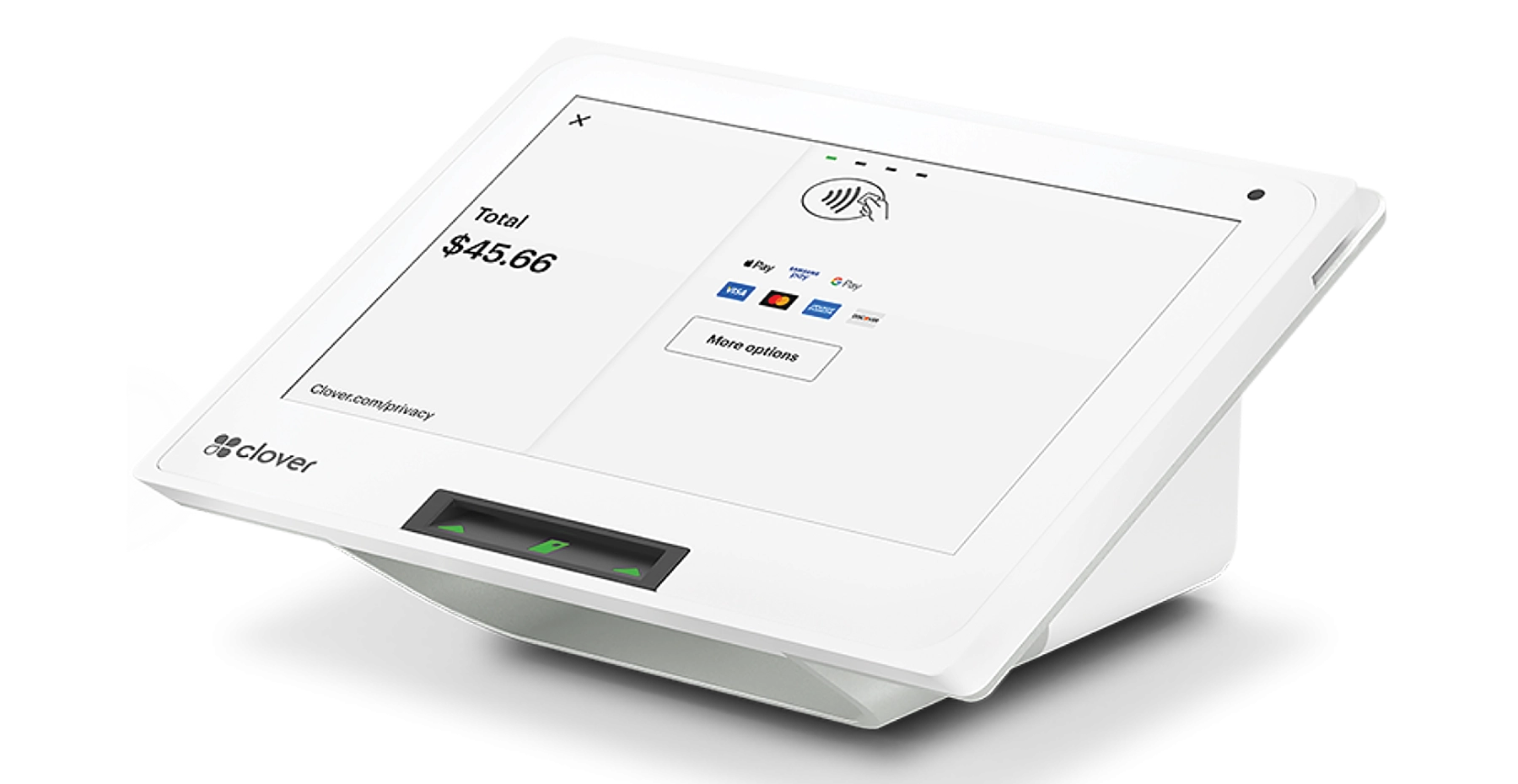


One of the biggest questions facing businesses today is whether or not they should accept cryptocurrency as a valid payment method from customers. While cryptocurrency is innovative and revolutionizing the types of currency available to businesses, it’s a volatile currency that comes with a significant amount of risk. More companies are starting to accept Bitcoin and other cryptocurrencies, attracted by the potential benefits such as increased payment options for customers and cost savings on transaction fees. Many businesses now choose to accept bitcoin payments specifically to expand their customer base and reduce transaction costs. To help you decide whether to accept cryptocurrency, you should have a general understanding of how cryptocurrency works, along with its advantages and disadvantages.
How is Cryptocurrency Changing the Game?
As a digital exchange currency, cryptocurrency uses cryptography to transfer the currency from one party to another over the internet. Unlike regular money that is regulated and managed by whichever government issues it, a computer network that runs open-source code manages cryptocurrency. Cryptocurrencies are considered digital assets, which can be used for both investment and payment purposes. People can only find cryptocurrency digitally, contrasting more traditional currency that has physical bills and coins. Additionally, cryptocurrency differs from the traditional way currency holds value. Instead of relying on public confidence in the government that issues the currency, it mainly holds value through supply and demand. As companies view traditional currency as more stable, it’s accepted by almost all businesses as valid payment, while only select businesses will accept cryptocurrency as appropriate payment. Price volatility and price fluctuations in digital assets are key reasons for business skepticism. Since cryptocurrency differs so much from traditional currency, businesses often look at it with a skeptical eye. However, more and more companies are starting to accept Bitcoin and other popular cryptocurrencies due to the way it holds value and its open-sourced nature. Cryptocurrency could lead to a currency revolution, and many businesses want to be a part of it. Cryptocurrency regulations are constantly evolving, which adds another layer of complexity for businesses considering adoption.
Should Businesses Accept Cryptocurrency?
When cryptocurrency first hit the market, businesses didn’t know what to make of it. Should they accept XRP or Bitcoin? What about Ethereum? How would they even go about accepting it if they did want to use it as a valid currency in their store or office? All of these questions, among many others, made it so that only the boldest companies went forward with accepting cryptocurrency at first. Now, those numbers have increased with many major companies, like Whole Foods, Starbucks and Nordstrom, all accepting cryptocurrency as a valid form of payment. This global trend toward crypto acceptance allows businesses to reach a rapidly expanding customer base. In fact, over 700 million people worldwide now own cryptocurrency, making it an attractive market for businesses looking to expand their payment options.
As cryptocurrency is so innovative and has a steady group of users who are devoted to using it, it’s a type of currency that businesses should consider accepting. However, businesses should only take it after they run a cost-benefit analysis on its application in your company, especially when evaluating what cryptocurrency means for small businesses. One of the key benefits to consider is the potential for lower fees compared to traditional payment methods. It’s crucial to carefully weigh the advantages and disadvantages of cryptocurrency before you make a decision.
Advantages of Cryptocurrency
To help you determine if you should accept Ethereum or other cryptocurrencies at your business, here are some of the benefits of using it:
Crypto payments can offer faster delivery of funds and improved working capital management for businesses, helping you access and use your money more efficiently.
Lower Processing Costs – Cryptocurrencies typically charge lower transaction fees compared to traditional payment methods like credit cards, which can help reduce your overall expenses. Understanding how debit vs. credit transaction fees work in your broader payment mix can further clarify where crypto may provide savings. Additionally, the average transaction value for cryptocurrency payments can be significantly higher than for traditional payment methods, with some reports indicating values 5-10 times higher.
Seamless Cross-Border Transactions – Accepting crypto and stablecoin payments allows your business to reach customers worldwide without the hassle of currency conversions or high international fees. A global payments platform can facilitate seamless crypto and stablecoin payments across international markets, making it easier to accept, send, and settle payments instantly, similar to how industry-specific payment processing solutions for auto shops and dealers streamline complex transactions. Stablecoin payments can also help businesses avoid price volatility and ensure faster settlement times.
Streamlined Group Payments – With crypto payments, businesses can send crypto to manage money and streamline group payments, making it easier to handle payroll, vendor payments, or other group transactions.
Appeal to Younger Generations – Accepting cryptocurrency can make your business more attractive to younger, tech-savvy customers who prefer digital assets. Using a reputable payment processor is important to mitigate risks and ensure compliance when accepting crypto payments.
Lower Processing Cost
When cryptocurrency was first introduced to businesses, its acceptance often came with large processing fees, making it an unattractive option to both customers and the company accepting it. These fees were often due to problems with scaling that led to the overload of peer-to-peer processing networks. Now, these issues have been ironed out, and the technology has improved. With the improved technology, cryptocurrency companies are offering a more diverse set of payment processors, resulting in more competition and lowered processing costs. In fact, the costs associated with processing cryptocurrency payments have gotten so low that they actually can be around 70% less expensive than traditional payment processing. For companies that process a large volume of sales, cryptocurrency’s cheaper payment processing could save them lots of money, much like implementing a strategic cash discount program to reduce card fees.
No Middle-Man for Cross-Border Transactions
Another advantage of accepting cryptocurrency is that it cuts out the need for middlemen across borders. For those who have to regularly change out foreign currency and convert it to their own, cryptocurrency is a breath of fresh air, as there will be no need to convert it. Additionally, instead of having to use lengthy wire transfers or check payments to facilitate a purchase, customers in other countries can quickly make payments in only a few minutes.
Great for Crowd-Sourced Payments
When it comes to products or services funded via a group, cryptocurrency is unmatched. Cryptocurrency makes it easy for people to pool their money for a single purchase. Companies that regularly crowdfund love using it. Companies that offer crowd-sourced payments appreciate that cryptocurrency offers complete transparency. Due to all of the payments going into a smart public ledger, anyone can access them to ensure honesty.
More Attractive to Younger Tech-Savvy Crowds
Beyond the benefits to your transactional processes, cryptocurrency has a broader appeal to younger generations who are more familiar with the currency and are seeking an alternative to the current system. Cryptocurrency offers simple transactions that let the user remain anonymous. With the lack of privacy in many people’s lives these days, an anonymous payment system is incredibly attractive to many.
Disadvantages of Cryptocurrency
Accepting Bitcoin as payment can provide several advantages, but it also has some drawbacks. Some of those disadvantages are:
Cryptocurrency transactions are irreversible, which eliminates chargebacks but can create inefficiencies in business operations. This means that crypto transactions, including bitcoin transactions, cannot be refunded unless the receiving party manually pays back the funds. The finality of these transactions reduces fraud and chargebacks, but also requires careful record-keeping and can complicate refunds.
Volatility and Financial Risks
The value of cryptocurrencies can fluctuate significantly, which can impact your business’s revenue and profits. Holding crypto on your balance sheet exposes your business to price volatility and regulatory risks. Many businesses choose to avoid holding crypto by working with payment partners who collect crypto on their behalf and settle funds in fiat currency, minimizing exposure to digital asset price swings. It is important to choose a payment processor that can handle volatility by converting cryptocurrency to fiat currency, ensuring timely access to working capital and reducing risk.
Tax and Regulatory Challenges
Tax reporting for cryptocurrency can be complex. Businesses must record the fair market value of each cryptocurrency transaction in local currency at the time of payment for tax reporting purposes. Each cryptocurrency transaction must be reported as gross income based on its fiat value when received. Each time a business sells, buys, or uses Bitcoin, they are subject to capital gains tax, and must keep track of the value of each cryptocurrency on the day it was received and the day it was sold. Consulting a tax advisor is essential to ensure compliance with evolving tax regulations and reporting requirements. Regulations governing cryptocurrency use are still changing and can vary widely by region, so staying informed is crucial, and reviewing comprehensive merchant services FAQs can help you understand how your payment processor supports compliance and reporting.
Additionally, businesses should understand the security implications of using external wallets and private keys. Using an external wallet allows you to store and manage your funds outside of the payment platform, but also means you are responsible for safeguarding your private keys. Custodial wallets are managed by third parties, while non-custodial wallets give you full control over your private keys and funds, increasing both security and responsibility. Holding crypto assets directly can increase risk, so many businesses prefer to avoid this by outsourcing crypto payments and settlements.
Volatile Value
A business accepting cryptocurrency does take on the risk of the currency’s fluctuation in value and instability. Cryptocurrency can be quite volatile in part because it’s so new and unproven. Say, for example, you’re a business accepting Bitcoin as payment. A customer comes in and pays for a product, spending the equivalent of $100 in Bitcoin. Before that Bitcoin can be converted into cash and deposited, its value may go up or down. Fast-acting market forces can change its value significantly in a relatively short amount of time. For companies looking for stability, this can be a major disadvantage.
Tax Difficulties
At least in the United States, cryptocurrency has a much more complicated taxation process than regular currency, and pairing it with the wrong credit card processor can further increase costs and compliance headaches. The IRS, for example, views cryptocurrency as property rather than virtual currency, meaning its value is determined at the point it was delivered to a customer or business. If the money gains or loses value, a business must report it as a gain or a loss. Due to these differences in taxation, some companies prefer to keep it simple and stick to traditional currency or explore options like a high risk merchant account if their industry faces elevated compliance and chargeback concerns.
How to Accept Cryptocurrency Payments
As digital currencies continue to gain traction, more customers are seeking businesses that accept cryptocurrency payments. By offering bitcoin payments and other crypto payment options, your business can tap into a growing market of tech-savvy consumers and stand out from competitors. Accepting cryptocurrency is not just about keeping up with trends—it’s about expanding your customer base and providing flexible payment solutions that meet modern expectations.
Getting started with accepting cryptocurrency payments is easier than you might think. The first step is to choose a reliable crypto payment gateway. These platforms act as intermediaries, allowing you to accept cryptocurrency payments from customers and automatically convert them into your preferred currency if desired. Popular crypto payment gateways support a wide range of digital currencies, including bitcoin, making it simple for your business to accept crypto without needing in-depth technical knowledge.
Once you’ve selected a crypto payment gateway, you’ll need to set up a cryptocurrency wallet. This digital wallet securely stores your crypto assets and enables you to manage payments efficiently. Many payment gateways offer integrated wallets, streamlining the process even further. After your wallet is set up, you can integrate cryptocurrency payment options into your online store or point-of-sale system. This often involves adding a payment button or QR code at checkout, making it easy for customers to pay with bitcoin or other cryptocurrencies.
Accepting cryptocurrency payments can also help your business save money on transaction fees compared to traditional payment systems. With lower processing costs and faster settlement times, you can improve your cash flow and offer a seamless payment experience to your customers by pairing crypto options with robust payment processing for small businesses. Plus, by accepting bitcoin payments and other digital currencies, you position your business as forward-thinking and accessible to a global audience.
Incorporating cryptocurrency payments is a smart move for businesses looking to grow and adapt in today’s digital economy. By leveraging a crypto payment gateway and offering flexible payment methods, you can attract new customers, improve customer retention through better payment experiences, streamline your payment process, and stay ahead of the curve.
Paying too much to accept cards?
VMS reviews your current statement free and shows you exactly what you are being charged — most merchants are surprised by what they find.
Or call our team: 888-902-6227
Choose Velocity Merchant Services for Your Payment Process Solutions
Whether you decide to use cryptocurrency or not, you should always be looking for ways to update your payment processing. At Velocity Merchant Services (VMS), we offer cutting-edge merchant services for small businesses and card processing solutions to a variety of businesses. Schedule an appointment today to speak with a small business specialist about how we can help you grow your business.
Have questions about payment processing?
Fill out the form below and a VMS payment specialist will contact you shortly.