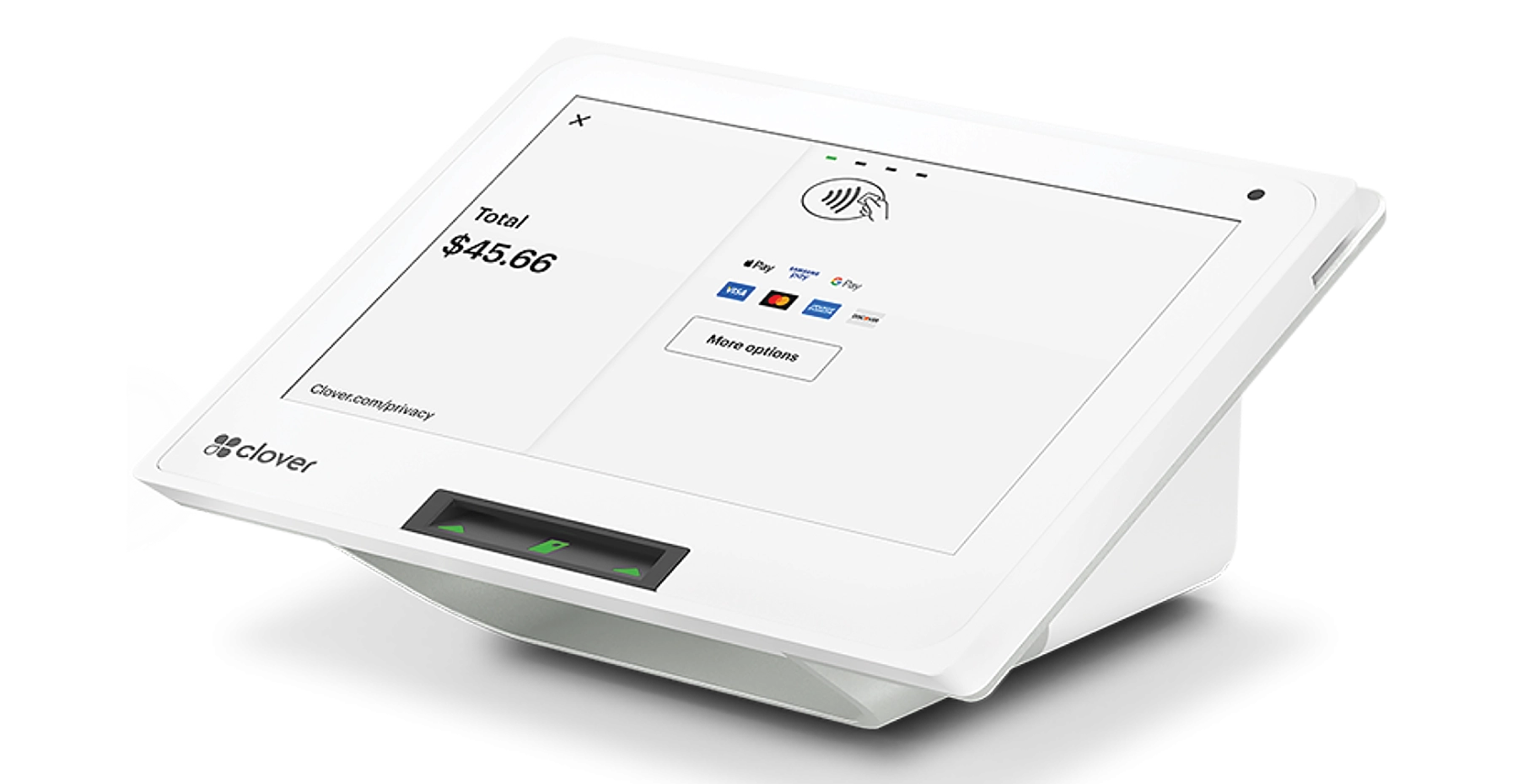


“Credit or debit?” When customers pay with plastic, they are often given a choice to ring the card through as a debit transaction or as a credit transaction. Does it matter which option they choose? Should they decide to run a debit card as a credit transaction or as a debit transaction?
There are key differences between debit and credit card processing fees, including how fees are calculated, processing time, fraud risk, and chargebacks.
Although it might not seem to matter, whether a customer chooses debit or credit at the register can impact your bottom line as a business owner. Debit card transactions usually have lower transaction fees than credit card transactions, and debit card fees tend to be lower than credit card fees. Credit card fees are based on a percentage of the transaction amount, typically ranging from 2% to 4% or more. The merchant fees for debit cards are different from those for credit cards. The choice between debit and credit can also affect the customer. Take a look at the difference between debit and credit card transaction charges and learn more about what a customer’s choice means for them and your business.
Merchant Service Providers vs. Banks
When you start a small business, there’s one process that can be a little confusing — choosing a credit card processing service. Whether you’re a brick-and-mortar establishment or you’re starting up in the world of online retail, selecting a reliable service to process your payments is crucial to the success of your business. To ensure that money from your customers makes it into your bank account, your business needs merchant services. Merchant services is a term that refers to the array of systems and products that allow your business to take credit and debit card payments. A point-of-sale (POS) system — terminal, software and all — fall under the merchant services umbrella. Merchant service providers (MSPs) are also called payment service providers (PSPs) or payment processors. When these services are provided for online stores, the provider is sometimes known as a payment gateway provider.
You have a range of choices when it comes to selecting a credit card processor, and one of the biggest decisions is whether to go with your bank or a merchant services provider. It’s important to understand that processing fees can vary depending on several factors, such as the type of card used, your merchant industry, and your transaction volume. The fees associated with accepting debit and credit card payments are not fixed and may fluctuate based on these variables. The payment processing fee structure can impact the overall cost of processing debit and credit card transactions, especially when comparing interchange plus vs flat rate pricing models. We’re going to break down what the differences are so you can confidently choose the right type of payment processor for your business.
How Payment Processing Works
Before picking a bank or MSP merchant account, it helps to understand how payment processing works. A lot happens in the few seconds it takes for a payment to go through in person or online.
When a customer uses a debit or credit card, the payment processor sends the transaction details to the card network, which then contacts the issuing bank (also known as the card issuing bank). The issuing bank is responsible for authorizing the transaction and managing the funds for debit and credit card purchases. Once approved, the funds are transferred from the customer’s account to the merchant.
Interchange fees are a core part of this process. These fees are paid to the card issuing bank and usually make up the bulk of the processing cost. Interchange rates, which are set by card networks, vary depending on the type of card (debit vs. credit), transaction type, and industry, and they directly impact the overall processing cost for businesses, making it critical to understand interchange-based credit card processing pricing.
In summary, the three main parties involved in credit card processing are the card issuer (issuing bank), the card network, and the payment processor.
What happens after a payment is made?
-
The merchant transmits the details of the transaction to their acquiring bank or that bank’s processor via credit card machine, software or payment gateway. The transaction amount is a key factor at this stage, as it directly influences the calculation of processing fees.
-
The acquiring bank or processor receives the information and sends it to the correct card network, which routes the information to the cardholder’s bank for approval.
-
The credit card issuer gets the details of the transaction from the acquiring bank or processor. The issuer checks the validity of the transaction information and ensures the cardholder holds a sufficient balance.
-
The result of the validation is sent from the card issuer to the acquiring bank, and the transaction is approved or declined.
Credit card processing fees are typically based on a percentage of the transaction amount, usually ranging from 2% to 4% or more, depending on the card type and other factors. On average, U.S. businesses pay between 2.87%-4.35% per transaction for payment processing. Some processors offer flat fee or flat rate pricing models, where merchants pay a fixed fee per transaction or a single predictable rate, regardless of the transaction amount or card type. These models provide simplicity and predictability for businesses compared to percentage-based or interchange-plus pricing, but you still need to know how they appear on your credit card processing statement.
An Emerging AlternativeFor most of history, banks were the primary processors of any and all payments. Through individual merchant accounts, they housed the processing platforms and handled authorizations as well as all the connections to major credit card companies. Most business owners wouldn’t think twice before opening a merchant account with their bank, simply because there were no other options. Unfortunately, banks caught on to the possibilities inherent in being the only game in town and began cranking up processing rates they offered to businesses. However, the rise of eCommerce came with complications banks hadn’t foreseen. It became obvious that it wasn’t sustainable for banks to support all the technology and services required to handle modern business transactions while still turning enough profit. To meet the growing needs of modern business owners, third-party MSPs emerged. Banks still offer merchant accounts for small businesses, and opening a merchant account at your bank still has some perks. However, merchant service providers are designed to make payment processing easier and more affordable than what your bank can offer.
How Banks and MSPs Are Different
Opening a merchant account with your bank can seem like the most obvious choice from a convenience standpoint, but it may be less of a savvy decision than you think. Three huge differences with merchant accounts vs bank accounts might make you see bank-based merchant accounts in a different light.
Transparency:
Banks often have less transparent fee structures, which can make it difficult for merchants to understand the true cost of processing payments. In addition to standard processing fees, merchants may also be subject to additional fees, such as monthly fees or chargeback fees for credit card transactions. Credit card transactions often come with higher fees compared to debit card transactions, due to increased risk and industry charges, and some credit card processors should be avoided altogether because of hidden costs and poor service.
Complexity
Applying for a merchant account at your bank is more complicated than you might imagine. The application process can be time consuming, especially when dealing with interchange-plus processors, as it often requires significant effort and may involve delays or complexity. You need your business license on hand, and the application requires a ton of information. You may find yourself filling out information on your employment history, providing bank statements and pulling credit histories. On top of that, banks are still notorious for being slow. You may end up waiting for several days just to get your account approved. Once you get the merchant account type your bank allows, your bank is likely to pass you off to an acquiring partner to set up payment processing and get the appropriate hardware and software — so you won’t even benefit from any relationship you have with the bank.
Service
Banks are not the place to open a merchant account if you expect good service. Net Promoter Scores (NPS) is a metric commonly used to measure businesses based directly on customer feedback. The scores have a range of -100 to 100, and the banking industry scores a low average of 35. Several of the largest U.S. banks actually have scores reaching into the negatives. Banks started offering merchant accounts and services because it was convenient for them. You won’t be able to call up your bank and ask questions about the hardware you’ve purchased, because they simply don’t have that expertise. The best third-party MSPs, on the other hand, treat customer service as a core offering and take pride in providing the best service and support to business owners.
Transparency
Banks tend to be somewhat opaque when it comes to terms, conditions and fees for merchant accounts, and it’s one of the biggest disadvantages of bank card processing. They pitch their services as a convenience and expect you to pay extra for it. There may be fees attached to your application, or the bank may charge you an additional monthly fee to access your money if your business checking account is with another bank. Annual fees, contract fees, statement fees and unexpected markups are all par for the course when using a bank for payment processing and other merchant services. A good MSP will be up-front and transparent about how they charge for their services, allowing you to make a more informed decision. Some MSPs even offer a same rate for all major credit card brands, which simplifies the fee structure and makes pricing more transparent and convenient for merchants.
Security Measures in Payment Processing
When it comes to processing debit and credit card transactions, security is paramount for both merchants and customers. Payment processors, financial institutions, and card networks all play a vital role in safeguarding sensitive information and minimizing the risk of fraud. One of the most effective security measures in place today is tokenization. This technology replaces actual credit card data with a unique token during a transaction, making it nearly impossible for hackers to access the real card details if a breach occurs.
In addition to tokenization, payment processors use advanced encryption methods to secure the transmission of data between the merchant’s system and the payment gateway. This ensures that credit card and debit card information remains protected from interception during the payment process. Merchants can further enhance security by implementing tools like the Address Verification System (AVS) and Card Verification Value (CVV) checks. These features help verify the cardholder’s identity and reduce the likelihood of unauthorized debit or credit card payments.
To stay ahead of evolving threats, payment processors and financial institutions also leverage machine learning algorithms. These systems analyze transaction patterns in real time, quickly identifying suspicious activities such as unusual transaction amounts or unexpected login attempts. By flagging and stopping potentially fraudulent transactions, these security measures help merchants save money by reducing chargebacks and other costly issues, which is especially important for businesses that may require a high risk merchant account.
Ultimately, robust security in debit and credit card processing not only protects your business and your customers’ money, but also supports long-term financial health. By choosing a payment processor that prioritizes security and implementing strategies to lower your credit card processing fees, you can confidently accept card payments, knowing that every transaction is backed by the latest technology and best practices in fraud prevention.
Tired of unpredictable processing fees?
VMS offers cash discount and dual pricing programs that can bring your effective rate close to zero, plus a free statement review.
Or call our team: 888-902-6227
Gain Momentum With Velocity Merchant Services
MSPs are not created equal, and Velocity Merchant Services knows that. We work hard to provide your small or mid-sized business with the best value in payment processing, through exceptional client care and transparent pricing. In the industry since 1998, Velocity Merchant Services can help you find the payment solutions that make sense for your business. We work with you to customize options, and even provide guidance to help you avoid paying for equipment and features that don’t benefit your business or your bottom line. If you’re ready to work with an MSP with the flexibility and support your business needs to succeed, schedule a free consultation with Velocity Merchant Services. Our small business specialists are standing by to discuss how we can help you go further, faster.
How VMS Can Help?
The more payment options you can offer to your customers, the better. Merchants should accept both credit cards and debit cards to provide customers with a range of payment options. Although some people prefer to use a credit card for payments, others prefer to use debit. Debit cards allow consumers to spend only the money they have in their bank accounts, while credit cards allow consumers to borrow money up to a certain limit. Your customers may like the idea of accountability attached to paying with their debit cards. They don’t receive a monthly bill, there’s no penalty interest rate on their checking account, and they may find it’s easier to live within their means because they’re not borrowing against themselves only to pay off the debt later. For those people, as a merchant, you should always offer the option of PIN-based debit card acceptance so as not to miss out on potential sales. Using a debit card does not affect a consumer’s credit score, while using a credit card can help build credit history if managed responsibly.
-
If you’re interested in offering your customers the option to pay with either debit or credit cards, Velocity Merchant Services can help. We’ll set you up with a merchant account, help you choose the equipment that best meets your needs and will provide personalized customer service and tech support when you need it. We’ll also work with you to help you understand the fees involved with debit and credit transactions and will aim to provide you with the lowest rates possible. To learn more, contact us today.
Have questions about processing fees?
Fill out the form below and a VMS payment specialist will contact you shortly.