
The success of any business comes down to one thing: How well your company can meet the needs of its customers. Repeat business and a growing client base are the result when you understand and deliver what consumers want. This requires communication, and the modern, peerless mechanism for the exchange of ideas is social media.
Most businesses now use social media marketing as a standard practice to connect with their audience and stay competitive. For small businesses, social media is especially valuable because it can help build brand awareness, foster engagement, and drive sales.
Introduction to Social Media Marketing for Small Business Owners
Social media marketing has become a powerful tool for small business owners looking to connect with their customers and grow their businesses. With more than half of consumers discovering new brands and products through social media, having a well-defined social media strategy is no longer optional—it’s essential. By establishing a strong social media presence, small businesses can increase brand awareness, engage with their audience, and drive valuable web traffic to their websites. Staying up to date with the latest social media trends allows small business owners to adapt their approach and remain competitive. Whether your goal is to generate leads, boost sales, or simply build relationships with your community, leveraging social media platforms can help you achieve your business goals and set your company apart in a crowded marketplace.
Setting Up Your Social Media Presence
Building a successful social media presence starts with choosing the right social media platforms for your business. Each platform—whether it’s Facebook, Instagram, Twitter, or LinkedIn—offers unique features and attracts different audiences. It’s important to consider where your target audience spends their time and which platforms align with your business goals. For example, a visually-driven business might thrive on Instagram, while a B2B company could benefit more from LinkedIn. Once you’ve selected your platforms, create professional profiles that reflect your brand’s identity and values. By establishing your business on the right social media channels, you can increase your brand’s visibility and begin building meaningful relationships with potential customers.
Creating a Content Strategy
A successful social media strategy relies on a thoughtful content strategy that speaks directly to your target audience. Start by identifying the types of content that will resonate most—this could include educational content, behind-the-scenes looks, or user generated content that showcases real customer experiences. Planning your content in advance with a content calendar helps ensure consistency and saves time, allowing you to schedule posts across your chosen social media channels. Regularly tracking analytics is key to understanding which posts drive the most engagement and which areas need improvement. By refining your content strategy based on these insights, small business owners can create content that not only attracts attention but also encourages ongoing interaction and loyalty.
Finding the Right Platforms
With so many social media platforms available, it’s important for small business owners to focus their efforts where they’ll have the greatest impact. Consider your target audience’s age, interests, and online habits when selecting platforms. For instance, if your ideal customers are younger, platforms like TikTok or Instagram may be the best fit. If your audience is more professional or older, Facebook or LinkedIn might be more effective. By understanding the unique demographics and features of each platform, you can develop a targeted social media strategy that aligns with your business goals and maximizes your reach. Concentrating on one or two platforms initially can help you build a strong foundation before expanding your social media efforts.
Social Media Strategy as Advertising
Business advertising has evolved beyond print ads and television spots to become a two-way dialogue between the buyer and the seller. We have social media to thank for this open, real-time exchange of information and feedback. As of 2018, over 3 billion people actively use social media. Social media management tools play a crucial role in helping businesses plan, schedule, and analyze their campaigns, making it easier to optimize their strategies. It’s easy to draw an arrow from this overwhelming online consumer presence to the reason why nine out of ten retail companies invest time in at least two social media channels. Most businesses either hire a social media manager or use agencies to optimize their social media marketing and ensure consistent, professional management. Every 15 seconds, a new social media user opens an account, highlighting the importance of efficiently managing multiple social media accounts for better workflow. If you’re not online, you’re missing out.
When it comes to advertising, managing ad spend and using targeted ads are essential for reaching specific audiences and maximizing ROI. Advanced social media management features can also help save time by streamlining content planning and monitoring, reducing manual effort and increasing efficiency.
Lead Generation and Conversion
Turning social media engagement into real business results requires a focus on lead generation and conversion. By creating targeted social media ads and compelling promotional content, small business owners can drive traffic to their websites and encourage potential customers to take action. Offering incentives like discounts or free trials can help move prospects through the customer journey. Tools such as Meta Business Suite make it easier to manage social media advertising and reach a broader audience with targeted campaigns. Regularly tracking analytics allows you to see what’s working and refine your approach for even better results. By leveraging social media advertising and optimizing your content, you can generate leads, boost sales, and achieve your business goals more efficiently.
Social Media and POS Services Integration
Customers use social media to share information about what they do, what they think and even where they are. Creating engaging social media content is essential for capturing your audience’s attention and driving audience engagement, making content creation a central part of your social media strategy. As a business owner, not only do you have a plethora of readily available data from which to learn, you also have a platform for consumer engagement. Cloud-based POS integration allows you to interact with customers without the need for moving between devices. As social media users check in to your location and then post and tweet about their experience, you can respond with expressions of goodwill and promotional information. Incorporating visual content and short form video in your responses can help capture the audience’s attention and encourage discussions, further boosting engagement.
Answer questions and ask for feedback as you demonstrate the value your company places on consumer opinion while placing your business front and center in their thoughts. Having a clear content plan, paired with flexible cloud POS plans, and maintaining consistent posting frequency across your social channels is key to follower growth and increasing engagement. Analyzing your social media posts with tools like Google Analytics allows you to refine your strategy and drive sales. Building brand presence through brand building activities and leveraging your social accounts across multiple social channels strengthens your overall marketing efforts. Your marketing team should coordinate content creation and manage social media posts to ensure alignment with business goals. Creating buyer personas helps tailor your content to attract new customers and meet their needs. For some businesses, increasing Instagram engagement is a specific and measurable goal that can further enhance your social media success.
How Clover Can Help Small Business Owners
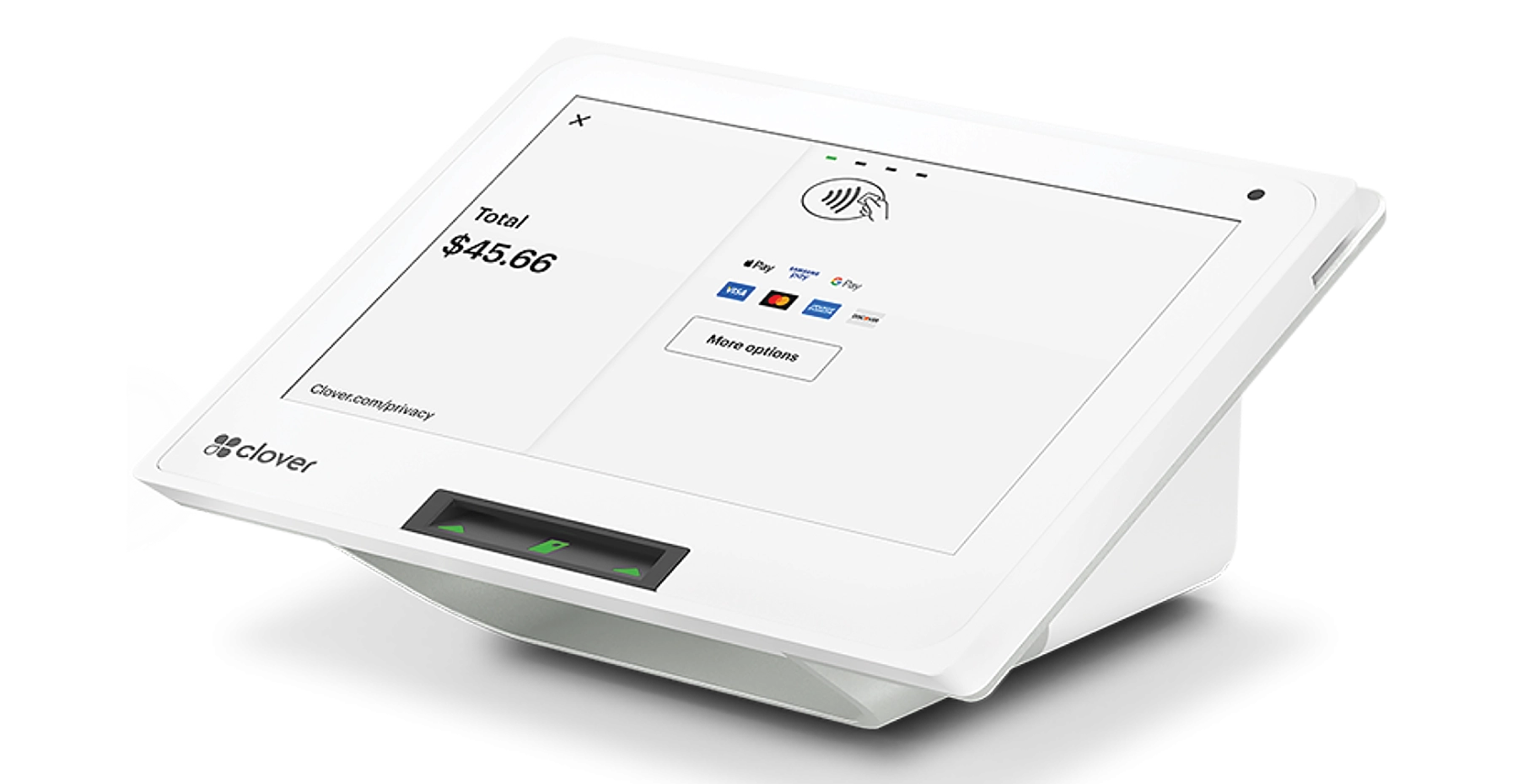
Clover’s Smart POS, the Station, Mini, Mobile and Flex, is part of Clover’s latest POS device lineup and is a cloud software-based solution that helps you manage your business. In addition to the standard POS features such as credit card processing and tracking inventory, it also has the functionality to receive client feedback, email receipts and facilitate customer engagement marketing with the right Clover plan. The app market, including top Clover App Market picks, adds more usability and further increases the magnitude of how this system can ease the day to day operations of your company. Social media is here to stay. Integrating this modern communication zeitgeist with the day to day workings of your business ensures that you keep pace with your competitors while enjoying growth and success. While POS systems manage business operational elements and social media promotes customer engagement, adding self-service Clover kiosk solutions and a collaborative pairing of both takes your business to the next level.