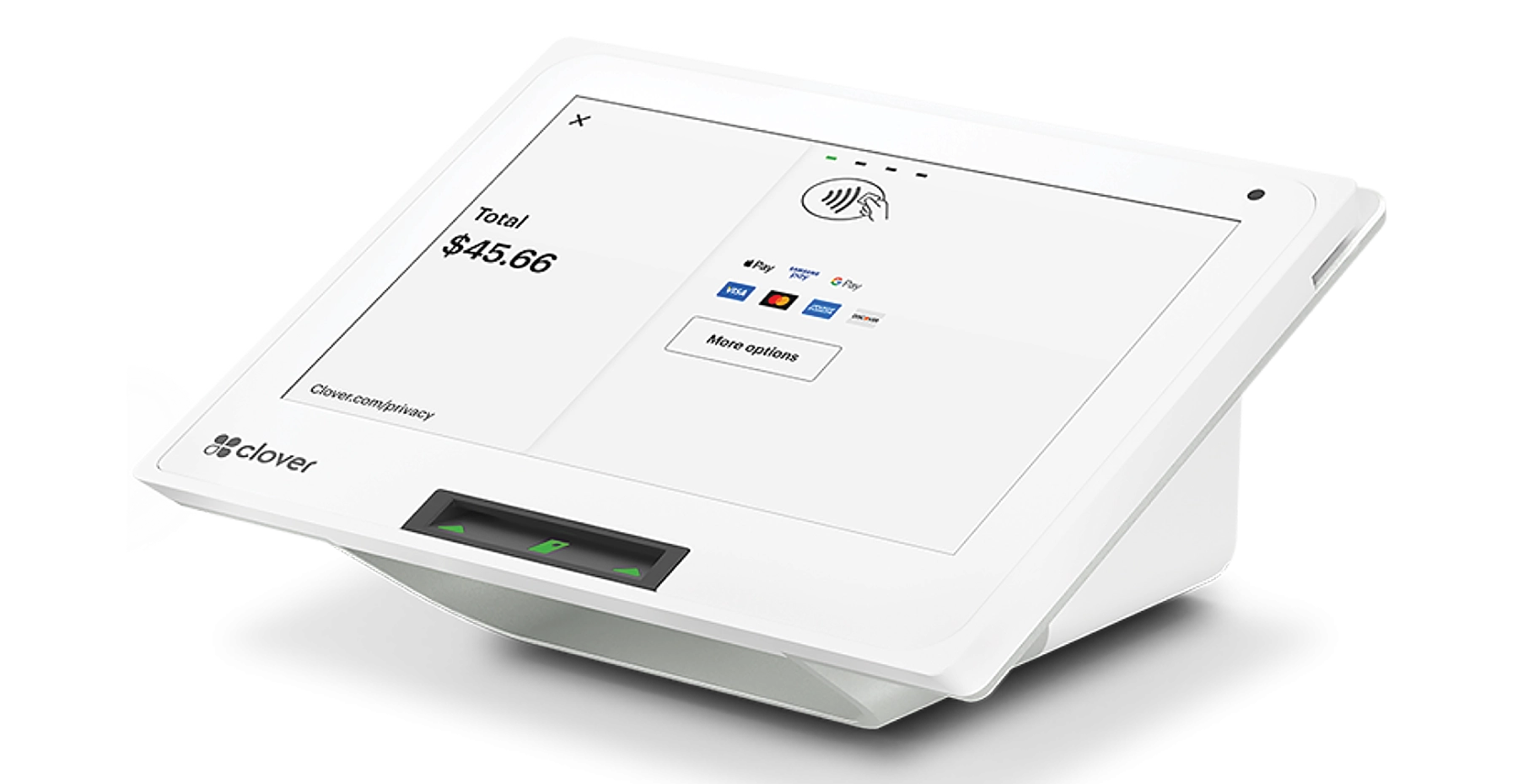


Choosing the right point of sale system can make or break your daily operations. With most new retail and restaurant deployments now running on cloud based systems, understanding what cloud POS offers—and whether it fits your business—has never been more important.
Key Takeaways
-
A cloud POS is a point of sale system where all sales, inventory, and customer data are stored and processed on remote servers instead of local hardware, giving you remote access and lower upfront costs.
-
As of 2026, most new retail and restaurant deployments in the US, UK, and EU are cloud based because they’re easier to scale, integrate, and update than legacy systems.
-
Cloud POS suits nearly every business size and vertical—from single-location boutiques to multi location restaurants—provided you have a reasonably reliable internet connection.
-
Your choice between cloud and traditional pos should reflect your priorities: flexibility, multi-location control, and integrations (cloud) versus strict on-site control and limited connectivity needs (traditional).
-
This article covers how cloud pos works, where it fits best, a direct comparison to traditional pos systems, typical pricing models for 2024–2026, and practical steps to decide if it’s right for you.
What Is a Cloud POS?
A cloud POS is a web-based point of sale platform where the application and database run on remote servers, accessed over the internet via a browser or dedicated app.
Here’s what that means in practice:
-
Card-present payments at a physical counter, online orders, and mobile payments all send data instantly to a secure cloud database
-
Instead of installing pos software on a local computer and maintaining local servers, you log into a hosted environment managed by the provider
-
Sales history, inventory counts, customer profiles, and staff activity are stored centrally and synced in real time across all connected devices
-
A cloud pos can power both brick-and-mortar locations and mobile setups like food trucks, markets, and pop-up events
-
Most platforms launched after 2015 are device-agnostic, supporting iPad, Android tablets, and standard desktops

What Does “Cloud POS” Actually Mean?
“The cloud” refers to a network of internet connected devices in data centers (such as AWS, Google Cloud, or Azure) that host software and databases for businesses worldwide.
-
“Cloud POS,” “web POS,” “online POS,” and “web-based POS” are used interchangeably—they all describe systems accessed through the internet rather than installed locally
-
The POS vendor handles server infrastructure, operating system updates, database maintenance, and security patches; you simply use the front-end software
-
Data isn’t confined to a single in-store computer—it’s replicated across redundant data centers, improving resilience against hardware failure, theft, or fire
-
Encryption in transit (TLS 1.2+ as of 2026) and at rest is standard, which matters when handling cardholder data and personal information
Example: When a sale is processed at a register in April 2026, transaction details are securely sent to the provider’s cloud servers, stored, and immediately visible on the owner’s phone or laptop.
Who Should Consider a Cloud POS?
Cloud POS supports businesses across retail, hospitality, and services, but the benefits are most pronounced for operations that value mobility, multi-location control, and integrations.
Key business profiles that benefit:
-
New retail stores opening from 2024 onward
-
Multi-unit restaurant groups and quick-service chains
-
Salons, spas, and subscription-based businesses
-
Seasonal pop-ups and mobile vendors like food trucks
-
Companies planning to add online ordering or new channels
For very small businesses, cloud pos reduces IT complexity—setup requires just a tablet, card reader, and internet connection. Rapidly growing companies gain from centralized data, standardized configurations, and easy rollout of new locations.
Businesses with strict offline requirements, extremely poor connectivity, or highly specialized legacy workflows may still favor traditional or hybrid deployments.
Cloud POS for Retail
Retail operations—from fashion boutiques to electronics stores—use cloud based pos to unify inventory management, sales data, and customer data across physical and online channels.
-
Real-time POS inventory management syncing prevents overselling: when an item sells in-store, stock levels update immediately across all your stores and your eCommerce platform
-
Automated stock alerts and low-stock reports eliminate manual spreadsheets and nightly counts
-
Integration with eCommerce platforms, loyalty programs, and marketing tools enables unified customer profiles
Example: A small clothing retailer with three locations can see combined sales by SKU, transfer stock between stores, and run consolidated reports each morning—all from one dashboard.
Cloud POS for Restaurants and Hospitality
Restaurants, cafés, bars, and quick-service chains use cloud pos to manage menus, floor plans, kitchen tickets, and delivery apps from a central system.
-
Menu changes, pricing updates, and tax adjustments can be applied once and rolled out to all sites within minutes
-
Owners and managers can access sales data, average ticket size, and labor reports from anywhere using a browser or mobile app
-
Modern cloud restaurant platforms connect with online ordering, third-party delivery services, QR code menus, and kitchen display systems

Example: A quick-service brand opening two new locations in 2025 can clone existing menu configurations and staff permissions, bringing new stores online in days instead of weeks.
For high-volume venues, test offline mode and local device caching during evaluation—this matters during peak service times.
How Cloud POS Systems Work (Step by Step)
While the technology is complex behind the scenes, the merchant workflow is straightforward: connect multiple devices, log in, process sales, and view data in dashboards.
Typical transaction flow:
-
Item is scanned or selected on a terminal or tablet
-
Discounts and taxes are applied automatically
-
Payment is taken via card reader or other method
-
Sale is recorded; cloud server validates and stores data in real time
-
Transaction appears instantly in reporting dashboards
Device roles:
-
Front-of-house terminals process payments and orders
-
Receipt printers and kitchen printers output tickets
-
Back-office browser dashboard handles configuration and reporting
Cloud pos uses APIs to connect with accounting software, eCommerce, HR, and delivery aggregators—eliminating manual data transfers, especially in cloud based POS systems for small businesses. Software updates happen automatically, pushed by the provider during low-traffic times without on site technicians. Role-based access control lets you define which staff can issue refunds, void sales, or change prices, with all actions logged in the cloud.
Cloud POS vs. Traditional POS Systems
Both cloud and traditional pos systems handle sales and process payments, but they differ significantly in deployment, maintenance, flexibility, and long-term cost.
|
Dimension |
Cloud POS |
Traditional POS |
|---|---|---|
|
Data storage |
Remote servers, accessible anywhere |
Local servers or back-office computer |
|
Updates |
Automatic updates from provider |
Manual software updates, often requiring scheduling downtime |
|
Multi-location |
Centralized; all the data syncs in real time |
Separate databases; manual consolidation |
|
Upfront cost |
Lower upfront costs; subscription based pricing |
Significant capital expenditure |
|
Internet needs |
Requires reliable internet connection |
Can operate fully offline |
|
Traditional systems store data on existing hardware within the store, requiring periodic technician visits and manual updates. Cloud pos excels for managing multiple locations and omnichannel strategies because it centralizes configuration. |
|
|
Modern cloud pos platforms support offline mode transaction queuing to mitigate connectivity issues. For PCI DSS compliance, cloud providers handle much of the technical burden through encryption, tokenization, and certified payment gateways.
Key Benefits of Cloud POS for Modern Businesses
By 2026, businesses choose cloud pos for lower upfront investment, easier scalability, real time data access, and stronger integration capabilities.
Lower Upfront Costs and Predictable Pricing
Traditional systems required capital expenditure for servers, perpetual licenses, and installation. Cloud pos uses a subscription-based cloud POS model covering software, hosting, updates, and support.
-
Pricing tiers scale by number of registers, locations, or feature modules
-
Entry-level plans commonly range from $50–200+ per month per terminal
-
You can start with minimal hardware—tablet, card reader, printer—and add cash drawers or barcode scanners later
-
Flexible pricing helps budgeting and cash flow, especially in the first 12–24 months
Remote Access to Sales, Inventory, and Staff Data
Cloud pos lets owners track performance from anywhere—home office, another city, or abroad—using a secure browser or mobile app, reinforcing the role of a modern POS system as a central business hub.
-
Check daily revenue, average transaction size, top-selling items, and labor costs in real time reports without being on site
-
Compare performance across branches from a single screen
-
Grant read-only access to accountants or regional managers as needed
Centralized Management for Multiple Locations
One of the most powerful features for a hospitality business or retail chain is centralized control over menus, catalogs, pricing, taxes, and user permissions.
-
Price updates effective July 1, 2026 take effect simultaneously at every store
-
New features like loyalty programs roll out centrally, reducing training time
-
Reporting consolidates across all your stores without exporting separate spreadsheets
Automatic Updates and Faster Innovation
Cloud platforms receive automatic updates from providers—new features, bug fixes, and security patches deploy without ongoing maintenance or business closures.
-
No manual updates or technician visits required
-
Adopt new contactless standards and digital wallets quickly
-
Access the latest security measures without delays
Integrations and Ecosystem Connectivity
Modern cloud pos platforms integrate with accounting, eCommerce, marketing, scheduling, and delivery tools.
-
Configure integrations via built-in app marketplaces or secure APIs
-
Sync sales with cloud accounting to speed month-end close
-
Connect to email marketing platforms for campaigns based on purchase history
Cloud POS vs. On-Premise and Hybrid Options
Besides pure cloud and traditional pos, some businesses consider hybrid models combining local servers with cloud synchronization.
-
On-premise solutions store data primarily on local hardware with limited cloud backups
-
Hybrid systems maintain a local server but sync to the cloud for reporting and redundancy
-
Pure cloud simplifies infrastructure but depends on network reliability
Businesses with strict data residency or latency requirements might still choose on-premise or hybrid in 2026. Assess connectivity, IT capabilities, compliance needs, and long-term growth before deciding.
Internet Dependence and Offline Capabilities
Cloud pos requires an internet connection for full functionality, but many platforms include offline mode for brief outages.
-
Card transactions and sales queue locally during connectivity loss
-
Certain functions (like refunds or menu changes) may be limited offline
-
Once connectivity returns, queued transactions sync automatically without manual re-entry
If you’re in an area with unstable connectivity, consider network redundancy—wired internet plus LTE/5G backup. Test offline capabilities before committing to avoid data loss during a power outage or service interruption.
What Does a Cloud POS Cost in 2024–2026?
Cloud pos pricing combines software subscriptions, hardware costs, and payment processing fees, which may ultimately be more cost-effective than seemingly free POS systems with hidden costs.
Software costs:
-
Per-terminal fees or per-location plans
-
Base plans cover core POS functions; higher tiers add advanced reporting, loyalty, or multi-location controls
Hardware costs:
-
Tablet-based stations (iPad with stand, printer, cash drawer): $500–1,500 per station
-
Some providers offer financing or hardware-as-a-service models over 24–36 months
Processing fees:
-
Typically 2–3% per transaction plus $0.10–0.30 fixed fee
-
Calculate total monthly cost based on transaction volume and number of terminals
Is a Cloud POS Right for Your Business?
Most new or growing retail and hospitality businesses in 2024–2026 will find a modern POS system that centralizes sales and operations aligns better with their needs than legacy systems.
Signs cloud pos is a strong fit:
-
You want multi-location or omnichannel expansion
-
You need to manage operations remotely
-
You have limited internal IT resources
-
You prefer subscription over large capital expenditure
Signs traditional or hybrid might work:
-
Extremely unreliable or restricted internet
-
Highly customized legacy workflows difficult to migrate
-
Stringent on-site data policies
Map your next 2–3 years of growth—new locations, new channels, potential acquisitions—and choose a model that fits without frequent replacements. Before committing, train employees and run a full day of operations on a shortlisted cloud pos to streamline operations from opening counts to closing reports.
Still running an outdated register?
VMS sets up a modern Clover POS matched to how your business actually runs — installed, configured, and supported by a team that answers the phone.
Or call our team: 888-902-6227
Frequently Asked Questions About Cloud POS
Can I switch from my existing traditional POS to a cloud POS without closing my business for days?
Most migrations minimize downtime by scheduling during slower trading days or outside business hours. The typical path involves exporting product and customer data, importing into the new system, training staff for a few hours, and optionally running both systems briefly in parallel. For small single-location businesses, the switch often takes one or two days of preparation plus a few hours of transition. Plan your changeover date carefully—avoid peak seasonal weekends—and test hardware and payment processing before going live.
What hardware do I actually need to get started with a cloud POS?
At minimum, you need an authorized device (iPad, Android tablet, or computer), a card reader, and a receipt printer. Retail operations often add barcode scanners and cash drawers. Restaurants may add kitchen printers or display screens. Check your provider’s compatibility lists to ensure your equipment is supported. Many merchants start with a single station and add terminals as volume grows.
Is my business data safe in a cloud POS system?
Reputable providers use encryption for data in transit and at rest, operate in secure data centers, and maintain regular backups across regions. Access controls, activity logs, and optional two-factor authentication protect back of house operations. Review your provider’s security documentation and compliance certifications (PCI DSS for payments) before signing. Maintain basic data hygiene—strong passwords, limited permissions, and staff training on phishing.
What happens if my internet goes down during a busy shift?
Many cloud pos systems support offline mode, letting staff continue taking cash and card payments while storing transactions locally. Some features—like pulling real time data or processing certain refunds—may be limited offline. Once connectivity returns, queued transactions sync automatically. Businesses in outage-prone areas should plan for backup connectivity (4G/5G router) and test offline behavior before relying on it during peak times.
How long does it typically take to set up a new cloud POS for a startup business?
For a new single-location business with a straightforward menu or catalog, setup often takes a few days including hardware installation. The most time-consuming tasks are entering products, configuring taxes and discounts, and training staff. Complex operations—multi location restaurants or intricate menu modifiers—may require several weeks of planning. Start POS selection at least 4–6 weeks before opening day to allow testing and revisions.
Have questions about POS systems?
Fill out the form below and a VMS payment specialist will contact you shortly.