

by Ivan Carmona
As a small business owner, choosing the right credit card processing company is one of the most important decisions you’ll make. You need reliable, affordable service that not only allows you to accept payments easily but also provides exceptional customer service. Without these factors, you risk losing customers and potentially damaging your reputation. While mobile credit card services like Square have become increasingly popular, they come with both advantages and drawbacks. For many businesses, a traditional merchant services provider offers a more well-rounded solution.
Ease of Use: Square’s Quick Start vs. Merchant Services Setup
Square is known for its ease of use. It’s an attractive option for startup businesses or those operating on a small scale. Setting it up is simple—you just plug a card reader into an iPhone or Android device, and you’re ready to start accepting payments. The mag stripe reader is free and works with a 3.5mm headphone jack, while a wireless chip reader is available for around $50. Newer phones might require inexpensive adapters, but overall, the setup is low-cost and minimal effort.
This simplicity allows small business owners to hit the ground running without the need for expensive equipment or a long learning curve. Square is perfect for mobile businesses or businesses that need a flexible payment system, such as food vendors at farmers markets or a pop-up shop at a local event.
On the other hand, a merchant services company may require slightly more effort to set up, especially if you’re integrating with a point-of-sale (POS) system. However, with a traditional provider, you get a full suite of features designed to grow with your business, including more robust hardware options, advanced reporting, and flexible payment solutions that work across multiple channels, from in-store to online.
Square Fees: The Hidden Costs
Square’s pricing is simple and straightforward, but it can also be expensive in the long run. Square charges a flat 2.75% per swiped transaction, and a higher fee of 3.5% + 15 cents for manually keyed-in transactions. While this may seem affordable for small transactions, for businesses that process higher volumes or larger transactions, these fees can quickly add up. Many small businesses end up restricting credit card payments to larger purchases in an attempt to avoid these fees.
In comparison, traditional merchant services providers typically offer more competitive pricing. These providers often charge lower rates for processing debit card payments, and can help you find a plan that matches your volume and business type. Merchant services companies may also offer customizable plans to suit your needs, ensuring that you don’t overpay on transaction fees.
Square Disadvantages: Holds and Limited Support
While Square may be convenient, it does have several drawbacks that can affect your business. One major issue is Square’s policy of placing holds on large or unusual transactions. While Square has these measures in place to protect itself, they often fail to communicate these holds to the business owners, leading to frustration and lost sales. Square is also known for quickly terminating accounts without notice, especially if they detect what they consider to be unusual activity. This lack of transparency can be particularly damaging for businesses that rely on their payment systems to run smoothly.
Traditional merchant services providers offer greater stability. They typically conduct thorough credit checks before onboarding clients, meaning they’re more likely to keep you onboard without sudden surprises. This creates a more reliable and secure experience, which is critical for businesses looking to scale and grow.
Another drawback of Square is its customer support. While they do offer some assistance, it’s limited to email or social media, which can lead to long wait times for resolutions. In contrast, traditional providers offer live customer support through online chat and telephone services, ensuring that when issues arise, you can resolve them quickly with a real person who understands your business needs.
Square’s Limited Features vs. Merchant Services Flexibility
Square is a great option for small businesses, particularly those just starting out or operating in mobile environments. However, as your business grows, Square may not offer the level of features you need. For example, Square is limited when it comes to advanced POS features, multi-location support, and inventory management. While Square provides basic reporting, it lacks the more sophisticated insights that businesses need to scale effectively.
Traditional merchant services providers, on the other hand, offer full-featured POS systems with more advanced capabilities. These systems can integrate seamlessly with inventory management, employee management, and detailed sales reports. Whether you’re processing in-store, online, or on the go, a merchant services company provides a solution that suits your growing needs.
Additionally, traditional providers offer flexibility and customization. You can choose from a range of hardware options and POS systems that are tailored to your specific business, whether you’re in retail, food service, or professional services. This flexibility is key for businesses that are looking to expand and require more than just basic payment processing.
Still running an outdated register?
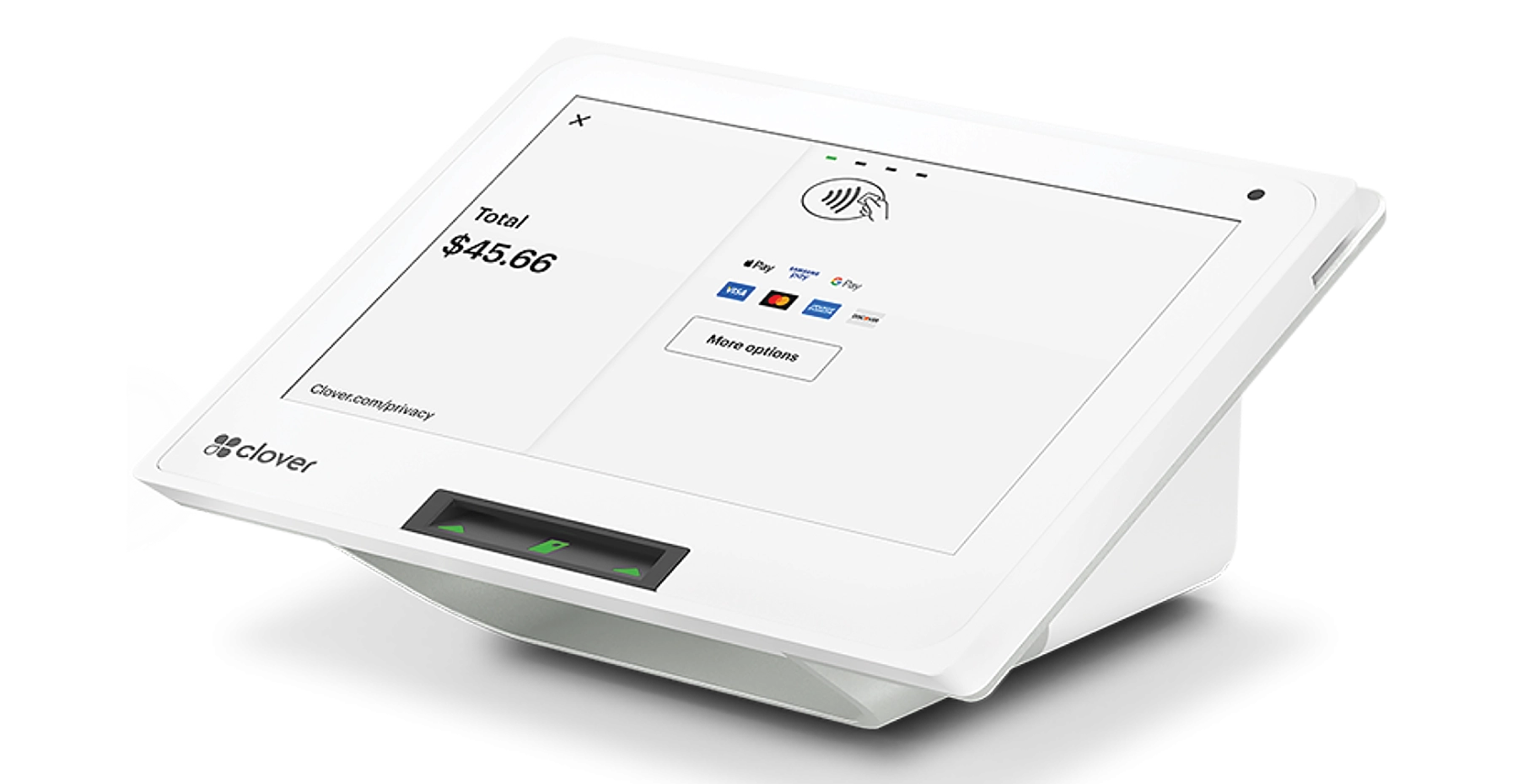
VMS sets up a modern Clover POS matched to how your business actually runs — installed, configured, and supported by a team that answers the phone.
Or call our team: 888-902-6227
The Big Picture: Square vs. Merchant Services for Growing Businesses
Square may be a great choice for very small businesses, especially those that are mobile or just starting out. The low-cost, easy-to-implement system lets you start accepting payments quickly, and for many entrepreneurs, this is enough to get off the ground. However, as your business grows, the higher fees, limited support, and less customizable features can become a significant hurdle.
Why a Merchant Services Company Is Better for Your Business
A merchant services provider is often a better fit for businesses that need flexibility, lower transaction fees, and more robust customer support as they scale. These providers offer:
-
Customizable Plans: Tailored pricing based on your business type, volume, and needs.
-
Lower Fees: Better rates on debit card transactions and customizable fee structures.
-
Advanced POS Features: More control over inventory, sales data, and reporting.
-
Dedicated Support: Live support through chat or phone to help solve problems quickly.
Choosing a traditional merchant services provider ensures you have the tools and support necessary for long-term growth and success. Whether you’re looking for better pricing, enhanced features, or responsive customer service, a merchant services provider is a smarter choice for businesses looking to scale.
Have questions about POS systems?
Fill out the form below and a VMS payment specialist will contact you shortly.