

by Jackie Navarrete
How Can Small Business Owners Start Using Artificial Intelligence Today
Running a small business isn’t for the faint of heart. Whether you manage a neighborhood spa, restaurant, gas station, or convenience store, the job often means juggling a thousand tasks at once—answering phones while managing inventory, placing last-minute orders while trying to post something relevant on social media, and doing your best to stay on top of scheduling without losing your mind.
You’ve probably heard the buzz about artificial intelligence, but if you’re like most small business owners, your first thought is, “That’s for big companies, not me.” The reality? AI is not only accessible to small businesses—it’s tailor-made for them. If you’re short on staff, time, or budget (and let’s be honest, most are), AI can help you gain hours back in your day, cut unnecessary costs, and make smarter decisions with less guesswork.
Let’s talk about how AI is already transforming small businesses—and how you can start using it today in your own.

Starting With the Basics: What AI Can Actually Do for You
Artificial intelligence isn’t about robots or replacing people. At its core, AI is software that learns from patterns and helps you automate repetitive tasks. In a small business setting, this means things like automatically sending appointment reminders to customers, reordering products when stock runs low, analyzing your sales to find best-sellers, or helping you keep your social media pages active without having to write every post yourself.
If you’ve ever found yourself texting customers to remind them about an appointment, scribbling product orders on the back of a receipt, or wondering why your Thursday sales are always lower than your Wednesdays, AI can step in and handle that work for you—accurately, consistently, and without needing a lunch break.
Scheduling Made Simple
One of the easiest places to start using AI is in how you book and manage appointments. If your business takes bookings—whether it’s for a haircut, a massage, a table for two, or a car wash—chances are you’re spending more time than you’d like on the phone or sending texts. AI-powered scheduling software allows your customers to book online, receive automatic confirmations, and get friendly reminders before their appointment. This doesn’t just save you time; it drastically reduces no-shows, which quietly eat away at revenue more than most business owners realize.
These tools are inexpensive, quick to set up, and once they’re running, you’ll wonder how you ever managed without them.
Inventory That Takes Care of Itself
AI can also make inventory management a lot less painful. Instead of guessing when to restock certain items or over-ordering and tying up cash flow, AI tools can track your sales trends and automatically alert you when it’s time to reorder. Some systems even place the order for you. For businesses that rely heavily on tight inventory—like convenience stores, restaurants, or even spas selling beauty products—this kind of insight can make a big difference.
The beauty of it is that you’re not just reacting to problems anymore. You’re planning ahead with confidence, guided by real-time data that’s tracking what’s selling, what isn’t, and what you need to do about it. You don’t need to study spreadsheets or graphs—the system does it for you and gives you a simple yes or no: order more or don’t.
Smarter Marketing Without the Headache
Marketing is often the first thing to fall off the to-do list. You’re too busy running the business to think about writing Instagram captions or crafting the perfect email promotion. But in a world where your competitors are just a scroll away, consistent marketing is non-negotiable.
AI tools can take a huge weight off your shoulders here. You can describe a promotion or sale—say, “10% off manicures this weekend”—and an AI copywriter will generate a Facebook post, email subject line, and even a caption for Instagram. It can suggest when to send or post it, and even schedule it for you. No overthinking, no outsourcing, and definitely no more last-minute scrambles.
Some tools even tailor the messages based on customer behavior. If a customer hasn’t visited in a month, they get a reminder or a special deal. If they’re a regular, they might get early access to your next promo. These kinds of touches used to require marketing teams—now, a small business owner can do it in a few clicks.
Making Better Decisions With Data You Can Understand
Most POS systems track sales, but few small business owners have time to sift through the numbers. AI helps by turning that data into actual insights. Instead of a spreadsheet full of line items, you’ll get answers to questions like “What’s my best-selling product on weekends?” or “Which hours are my slowest during the week?” It doesn’t just show you the data—it interprets it and gives recommendations.
This might mean changing your hours slightly to match customer flow, adjusting your staffing to avoid overpaying during quiet periods, or spotlighting items that are frequently bought together. It’s the kind of decision-making power that’s normally reserved for businesses with a data analyst on staff. Now, it’s available to anyone.
It’s Not About Replacing People—It’s About Giving You Time Back
There’s always a fear with new tech that it’s here to replace people. But in a small business, AI isn’t replacing anyone—it’s assisting. You’re not hiring a robot to run your deli. You’re hiring digital help to write your specials board, send your reminder texts, and tell you when to reorder bread. AI doesn’t eliminate the personal touch that makes your business unique—it enhances it by giving you more time to focus on your customers instead of getting buried in busywork.
Where to Start (and How to Keep it Simple)
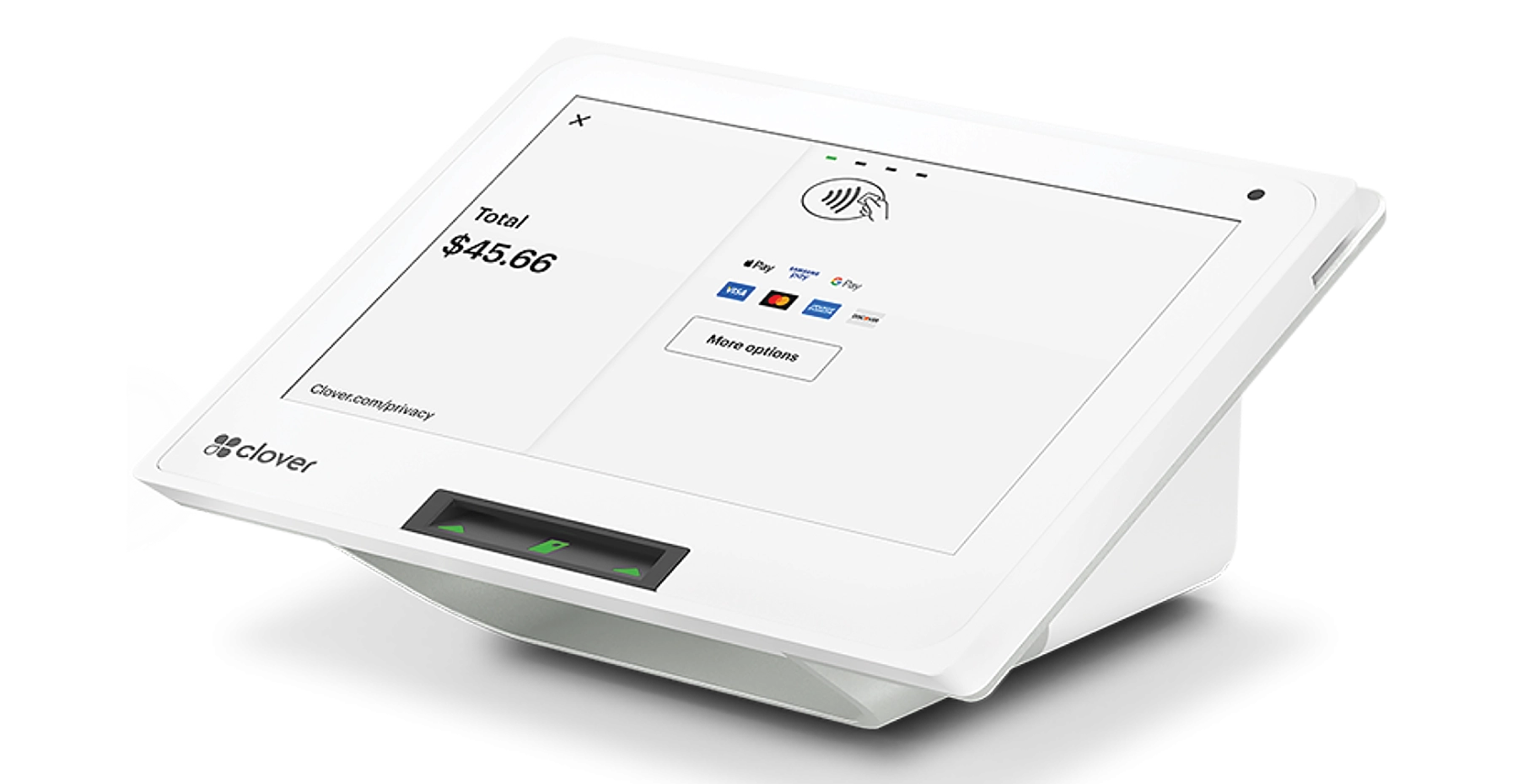
You don’t need to buy a whole new system or hire a consultant. Most of the best AI tools are already built into things you might already be using—your POS system, your scheduling software, or your marketing platform. If you’re using Clover, Square, Shopify, or QuickBooks, you’re likely a few clicks away from turning on AI features that could save you hours per week.
The key is to pick one task that’s eating up your time—whether it’s scheduling, inventory, or posting on social media—and try automating that first. Once you see how easy and effective it is, you’ll be ready to add more. It’s not about going all-in overnight; it’s about giving yourself small wins, week after week.
AI isn’t the future—it’s a tool for right now. It’s built for the businesses that don’t have departments or downtime. It’s made for people like you, who are already doing everything. If you’re ready to run your business with less stress, more control, and maybe even an extra day off now and then, AI might be the best employee you’ve never hired.
Want to learn how to get started with AI in your business using your Clover system or VMS services? We’ll walk you through it, step by step. No tech background required.
For more insights like this, keep up with the VMS blog—where small business meets big tech without the fluff.