

Tax season. The most wonderful time of the year. People dust off the old calculator, start rummaging through old receipts, financial records, and gathering all the different forms. It’s like a real-life scavenger hunt, but with more stress and fewer prizes. Filing your taxes and giving away more money to the government can feel like punch to the gut, especially in this economy. Trust me, I know. Nothing pains me more than having to shuck out my hard earn money to “The Man”. But tax season is important. When people report their income to the government they are contributing to the funding of things like education, infrastructure, and national security. Furthermore, tax season allows people and businesses to take advantage of any tax deductions or credits that they may be entitled to, which will help minimize their tax burden. At tax time, understanding and maximizing small business tax deductions is crucial for reducing what you owe and ensuring you don’t leave money on the table.
Every business must file and pay taxes, but knowing how to correctly disclose financial information can help alleviate the strain. Using business tax write-offs allows you to deduct expenses made while running a business from your revenue. Taking small business tax deductions lets you subtract “ordinary and necessary” business expenses from your total revenue. This will lower your tax liability. Careful tax planning and continuous documentation are key when filing your taxes. Small business deductions improve your financial health by reducing taxable income, lowering your tax bill, and allowing you to keep more of your revenue.
In honor of tax season and my love for small businesses, I decided to dive into the world of tax deductions. I’ve done my research and have created a crash course on tax deductions that every small business owner should know about.
What are Tax Deductions?
A tax deduction, also known as a tax write-off, is an eligible expense that can be deducted from your taxable income. This helps reduce taxable income, lowering the amount of money you owe on your taxes. Not all expenses are tax deductible. Personal expenses are not deductible, and only business-related expenses qualify. The IRS has particular requirements that must be met in order to claim these expenses as tax write-offs. Charitable contributions, mortgage interest, and certain business expenses are all frequent tax deductions. It’s crucial to remember that tax deduction laws might vary from year to year, so it’s important to stay up to date on the latest guidelines and regulations.
It’s important to be knowledgeable on the kinds of expenses that the IRS allows businesses to deduct when you’re preparing your taxes. These tax write-offs can affect business owners’ day-to-day business decisions throughout the year. Since these deductions reduce taxable income, things that may appear costly, like traveling to a conference, may not be as expensive as you thought, since things like hotel and transportation costs can be written off for tax purposes. When claiming deductions, it’s essential to distinguish between personal and business use—only the business-related portion of expenses can be deducted, and you cannot deduct personal expenses, including the portion of expenses that are not related to business use.
The Difference Between Tax Credit and Tax Deduction
A tax deduction reduces taxable income, whereas a tax credit directly reduces tax responsibility. For example, if a small business earns $15,000 and pays $2,000 in taxes, a $500 tax credit would reduce their tax payment to $1,500. Tax credits are given for a variety of purposes, including hiring veterans, installing energy-efficient equipment, and doing research and development. Tax credits, unlike tax deductions, are applied directly to the amount of taxes payable, which can result in large savings. So, if you’re a small business owner trying to reduce your tax burden, make sure to look into all potential tax credits too.
Business Insurance Deductions
When it comes to reducing your business’s taxable income, don’t overlook the power of business insurance deductions. Many small business owners pay for various types of business insurance premiums throughout the year—think liability insurance, property insurance, and workers’ compensation insurance. The good news? These business insurance premiums are generally tax deductible, meaning you can subtract them from your business income and enjoy some serious tax savings.
By deducting eligible business insurance premiums, small business owners can lower their tax bill and keep more of their hard-earned money. It’s a smart move that not only protects your business but also helps minimize your tax liability. To make the most of these deductions, review your insurance policies each year and keep detailed records of all premium payments. If you’re unsure which policies qualify, don’t hesitate to consult a tax professional—they can help you navigate the details and ensure you’re claiming every deduction you’re entitled to.
Remember, the IRS may ask for proof of your business insurance payments if you’re ever audited, so keep those records handy. By staying organized and proactive, business owners can maximize their tax savings and make tax season a little less painful.
10 Tax Deductible Expenses
On the IRS website they have a great list of small business tax deductions and other deductible expenses. But IRS jargon can be hard to understand. Here is a list of 10 things that business owners may spend money on that can be written off on their taxes. Tracking business expenses is essential for maximizing tax deductions and ensuring compliance with IRS regulations.
1. Advertising and Marketing Expenses
Appropriate advertising expenses for your business are tax deductible. Lobbying costs are often not tax deductible. The expense of marketing and advertising your business can be used as a tax deduction in 2022. It makes no difference how big or little your campaign is. You can deduct 100% of your marketing and advertising expenses for the taxable year, up to a maximum of $5,000. These are some examples of expenses that would qualify for this deduction:
-
Printing a large quantity of business cards or fliers
-
Investing in a social media marketer
-
Running Facebook or Google advertisement
-
Subscriptions to marketing software
-
Hosting a website
-
Collaboration with an SEO specialist
2. Legal and Professional Fees
If you utilize any kind of legal counsel, professional services, or additional services like lawyers, accountants, or bookkeepers, you can write off the expenses on your taxes.
The IRS allows small businesses to deduct the cost of legal and professional fees that are necessary for business operations.
Working with experts is sufficient if the professional offered services that were necessary and relevant to your small business.
3. Home Office
Working from home has become increasingly more popular within the last few years. Many jobs have gone fully remote. This in itself has saved business owners money. They’ve realized that you don’t need to pay for an entire building if you can conduct business as usual from the comfort of your home. You can now select from two different deduction calculations.
The standard method requires you to assess the percentage of your home that is used for business versus personal purposes and then apply that percentage to all qualifying expenses such as mortgage interest, utilities, and insurance. You will need to keep accurate records on all relevant expenses to accomplish this. The simplified option allows you to take a home office deduction of $5 per square foot of home office space, up to 300 square feet or $1,500.
4. Travel Expenses
Expenses related to a business trip or travel that are common and necessary for your business may be tax deductible. Travel must take you away from your regular place of business, last significantly longer than a typical workday, and require you to sleep or relax in order to accomplish the demands of your profession away from home.
Business travel expenses are generally deductible if they are ordinary and necessary for the business. Self-employed individuals can deduct business travel expenses that are ordinary and necessary for their business.
Keep detailed records of your business-related travel expenses, including transportation, hotel, and non-entertainment related meals, to justify your deduction.
5. Business Vehicles
This deduction can be applied if you have a business vehicle or use your personal vehicle for business purposes. You can deduct work-related miles using either the standard mileage rate or by tracking your actual vehicle expenses. Vehicle expenses include costs such as depreciation, registration, auto insurance, repairs, gas, maintenance, and other deductible costs associated with business and personal vehicle use. You must keep detailed records of your vehicle expenses if you use your personal vehicle for business purposes. To calculate your deduction, multiply the proportion of business use for your car by the actual expenses.
6. Employee Costs
The cost of employee salaries, wages, and benefits is one of the most significant tax deductions for small business owners. Employee wages and salaries are fully deductible as business expenses for small businesses. This deduction, however, is only available if you employ someone other than yourself. It does not apply to sole proprietors, partners, or members of an LLC. In addition to employee salaries, you may deduct an employee’s paid time off, commissions or bonuses, as well as payroll taxes. Deductions for employee benefits, such as health insurance and retirement plan contributions, help small businesses offer competitive compensation packages.
7. Independent Contractors
If you hire contractors or freelancers to assist with your business, the costs associated with that can be deducted. This deduction has only two rules:
-
The contractor cannot be an employee of your company.
-
The services given must be for your business, not for you personally as the business owner.
If you regularly work with freelancers or contractors, keep in mind that you must give them a Form 1099-NEC if you pay them more than $600 during the tax year. If you are audited and it is discovered that you did not deliver a the form to a contractor, you may be subject to a penalty fee.
8. Relocation Expenses
Deducting relocation expenses depends on the kind of small business you own. You can deduct the entire cost of the transfer from your company taxes as a corporation or limited liability company, including transportation, packing, loading, surveys, and even brokerage charges. If you are a sole proprietorship or partnership, you can deduct the expenses if you meet these two requirements: You have to of moved at least 50 miles and worked at the new location for at least 39 weeks in the 12 months following the relocation.
Keep in mind, however, that the relocation expense deduction does not apply to home offices. So, if you run your business from your home and relocate, you will be unable to continue.
9. Phone and Internet
You can deduct phone and internet expenses regardless of whether you claim the home office deduction, as long as they are directly tied to your business. You cannot, subtract the first line of your home phone. But, if you have a second line of business, you can deduct the additional costs associated with that line.
10. Office Supplies
Whether you operate from home or in an office, some tools are required to keep your business going. As a result, the IRS allows small business owners to deduct the cost of office supplies from their tax returns. Printers, paper, pens, computer software, these are just a few examples of supplies that can be written off on your taxes. Furniture for your business like desk, chairs and even furniture in your lobby are also considered office supplies.
Record Keeping and Tax Deductions
If there’s one secret weapon for small business owners during tax season, it’s solid record keeping. Keeping accurate and detailed records of all your business expenses is essential for claiming tax deductions and maximizing your tax savings. Every receipt, invoice, and bank statement related to your business expenses can help support your deductions and reduce your tax liability.
To make things easier, always separate your personal and business expenses—commingling funds can lead to headaches and missed eligible deductions. Consider using accounting software to track your deductible business expenses throughout the year, or work with a tax professional who can help you stay organized and compliant. This way, you’ll be ready to deduct expenses confidently when it’s time to file your tax return.
Don’t forget, the IRS requires small businesses to keep records for at least three years in case of an audit. Having a reliable system for storing and organizing your records isn’t just good practice—it’s a must for every business owner. By prioritizing record keeping and seeking professional advice when needed, you’ll be well-equipped to take advantage of every tax deduction available and keep your tax bill as low as possible.
Need clearer numbers at tax time?
VMS gives you detailed reporting and next-day funding, so your deposits, fees, and sales totals are easy to hand to your accountant.
Or call our team: 888-902-6227
Make Tax Season Easy with the right POS System
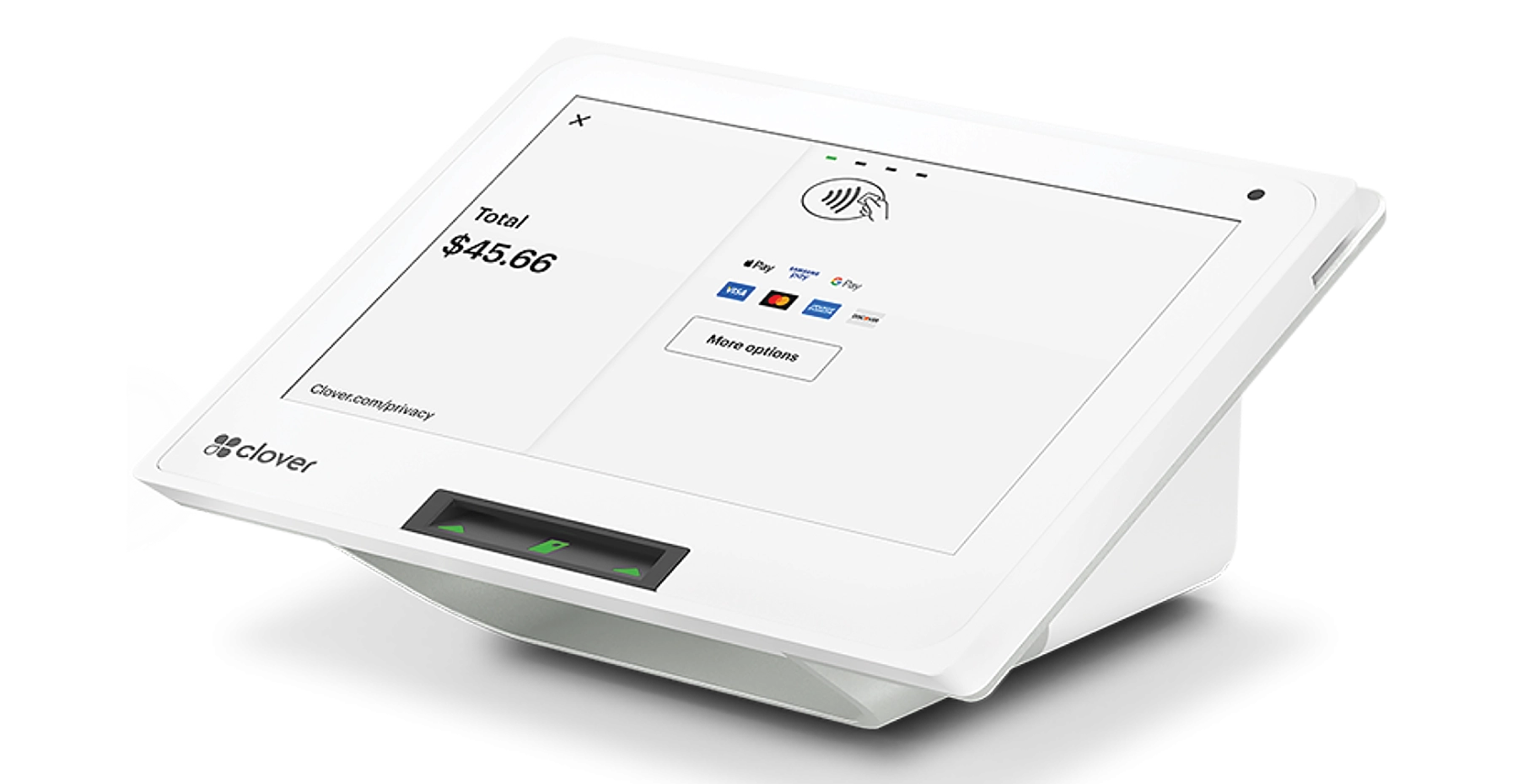
VMS is not just a credit card processer, were small business specialists as well, backed by 24/7 expert Clover POS support. Our mission is to be your partner for success. We offer a variety of POS machines for small businesses that allow you to accept all forms of payment. The Clover cloud-based POS devices allow business owners to download app onto the machine that preform different tasks easily. A great app that is guaranteed to make tax season easier for small business owners is Davo Automated Sales Tax. This app Sales automatically sets your sales tax aside daily using sales data from Clover. It then files and pays sales tax to the state, on time and in full.
If you’re interested in learning more about other automation options for your small business or are interested in upgrading your POS system with industry-specific tools like payment processing for auto shops, visit us at getvms.com or fill out the form below.
Have questions about reporting and funding?
Fill out the form below and a VMS payment specialist will contact you shortly.