

by Ivan Carmona
POS for Bike Shops: Everything You Need to Know in 2026
Running a bike shop isn’t just about selling two-wheelers and adjusting derailleur screws anymore. Whether you’re selling high-end carbon frames, doing custom builds, offering repair services, or renting out cruisers by the hour, your business needs to be streamlined, efficient, and digitally connected. That’s where a proper point-of-sale (POS) system comes in.
The right POS for a bike shop doesn’t just ring up a sale. It tracks your inventory across dozens (or hundreds) of SKUs, helps you manage repair tickets, connects with your online store, and even keeps tabs on loyal customers who come in for tune-ups every spring.

Why Bike Shops Need Specialized POS Solutions
Unlike standard retail businesses, bike shops have a hybrid operational model. You’re managing both retail and service — and sometimes even rentals. You need a system that’s flexible enough to handle it all. A general POS system might cover basic sales, but when it comes to part replacements, serialized inventory, and service history, generic platforms fall short.
Imagine trying to track an individual bike’s repair history, remembering when you last replaced a customer’s cassette, or keeping tabs on serial numbers for warranty tracking — all while juggling your sales floor and web store. That’s where a POS system specifically geared toward bike shops makes a massive difference.
Key Features to Look for in a Bike Shop POS System
When evaluating a POS system for your bike shop, there are a few non-negotiable features. You want a platform that works just as hard as you do — one that doesn’t just process transactions but helps you run your business smarter.
First, inventory management is absolutely critical. You’re dealing with everything from bike frames and tires to tiny bolts and specialized lubricants. Your POS system should track all of it in real-time, and ideally, offer low-inventory alerts so you never run out of bestsellers.
Second, you need service tracking capabilities. Bike repairs and tune-ups are a major part of your revenue stream. Your POS system should allow you to schedule appointments, create service tickets, assign mechanics, and keep service notes on file for future reference.
Third, consider how your POS integrates with e-commerce. More and more bike shops are selling gear, accessories, and even full bikes online. Your POS should sync your in-store and online inventory automatically, ensuring you don’t double-sell or create confusion for your staff.
Lastly, think about customer management. Loyal cyclists return often — for repairs, upgrades, and accessories. A good POS system helps you build customer profiles, track purchase history, issue rewards, and send reminders about annual tune-ups or sales.
Benefits of Using a POS for Bike Shop Operations
A robust POS system isn’t just a tool — it’s your co-pilot. It simplifies your day-to-day tasks and gives you the insights you need to make better business decisions.
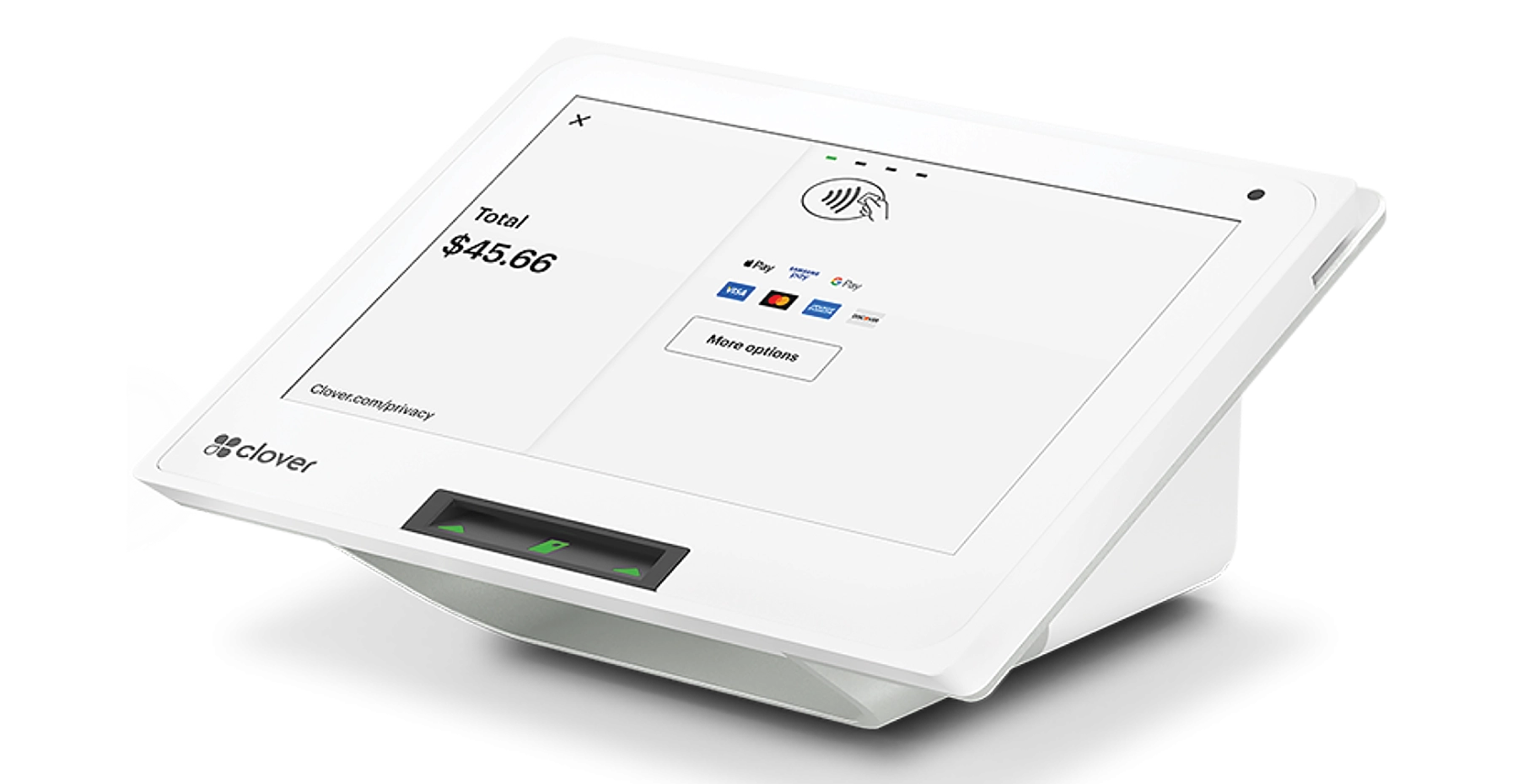
For starters, your checkout process becomes significantly faster. A modern POS can quickly scan products, apply any applicable discounts, and accept multiple forms of payment — including contactless options, digital wallets, and even split payments.
Beyond the sale, the POS helps you understand what’s working and what’s not. Through detailed reports, you can see which products are moving fast, which services are bringing in the most money, and what times of the year you need to ramp up staff.
Additionally, having service history at your fingertips builds trust with customers. When a cyclist sees that you remember their last brake adjustment and suggest a chain replacement before it breaks — that’s the kind of personalized service that keeps them coming back.
Another big perk? A solid POS system helps you reduce shrinkage and over-ordering. By automatically tracking what’s going out and what’s coming in, you get a clearer view of what you actually need to reorder — saving both time and money.
E-Commerce and Omnichannel Support
In today’s market, even the most local of bike shops need to think digital. Customers want to browse inventory online, check pricing, and maybe even schedule a service appointment — all before stepping foot in your store. That’s why omnichannel capabilities are essential.
The best POS systems for bike shops integrate seamlessly with platforms like Shopify or WooCommerce, allowing you to manage everything in one place. Whether a customer buys a helmet in-store or online, your system should keep everything in sync — inventory, orders, customer info, and more.
If you offer rentals or demo bikes, your POS should also allow for booking and scheduling. Some systems even allow you to set rental durations, take deposits, and track damage or wear and tear after return.
Mobile Access and Cloud Connectivity
Many modern POS systems are cloud-based, which means you can manage your business from anywhere. Need to check sales numbers from your phone after closing up? Done. Want to reorder inventory while you’re at a trade show? Easy.
Mobile access is especially helpful for bike shops that offer off-site services or attend community cycling events. You can take payments, check inventory, or create service tickets on the spot using a tablet or smartphone.
And if you’re managing more than one location? Cloud-based systems allow you to unify everything across shops, which is ideal for growth-minded bike retailers.
How to Choose the Right POS for Your Bike Shop
Start by evaluating your workflow. Are you primarily a retail shop? Do you do a lot of repair and service work? Do you host group rides and need event management tools? Do you sell online?
Once you’ve mapped out your operational needs, look at systems that offer a clean, intuitive user interface. You want something your team can pick up with minimal training. You’ll also want to ensure it has top-tier support — nothing derails your day faster than a system crash and no one to help.
Another key consideration is scalability. As your shop grows, your POS system should be able to grow with you — adding new features, supporting more users, or even integrating with new tools and platforms.
Finally, price matters. Some systems charge based on features, others by users or register count. Make sure you understand the total cost of ownership, including setup fees, monthly subscriptions, and any hardware requirements.
Recommended POS Features for Bike Shops
Now, while we’re not endorsing a specific brand here, we do recommend looking for POS systems with features like:
-
Serialized inventory tracking (for bikes with serial numbers)
-
Integrated repair/service ticket system
-
E-commerce integrations with platforms like Shopify or WooCommerce
-
Built-in CRM with marketing tools (like SMS or email campaigns)
-
Support for mobile payments and mobile POS hardware
These are the kinds of features that help you not only survive, but thrive in a competitive market.
Final Thoughts: The Right POS is a Game-Changer
A reliable, feature-rich POS for bike shop businesses does more than just help you sell bikes — it becomes the engine that drives your operations forward. From fine-tuning inventory to managing repairs and delighting customers, your POS system is the backbone of your success.
Take the time to choose a solution that understands the unique rhythm of the bike retail industry. The smoother your system, the more time you have to connect with your cycling community and grow your brand.
If you’re looking for expert guidance on choosing the best POS for your bike shop, Velocity Merchant Services is here to help. We offer modern, fully integrated solutions tailored for small businesses — including bike retailers just like yours.
Want to explore point-of-sale solutions designed specifically for your bike shop?
Contact our team today and let’s talk shop — literally.