

by Jackie Navarrete
Trump’s No-Tax Tip Pledge: What It Means for Small Restaurants
What’s in the Proposal?
Trump’s promise, first made during a campaign rally and later repeated in public addresses, aims to:
- Eliminate federal income taxes on tipped wages, which would mean workers keep 100% of their reported tips.
- Stop taxing Social Security benefits, allowing retirees to receive full benefit payments without federal deductions.
At first glance, it sounds like a win-win: more money in employees’ pockets and more financial freedom for seniors. But like most things in politics and business, the full story is a bit more nuanced — especially for small restaurant owners.

Immediate Perks for Restaurant Workers
Let’s start with the obvious winners — tipped employees.
If the federal government stops taxing tips, it could significantly boost take-home pay for servers, bussers, bartenders, and anyone else working for gratuities. Currently, tips are considered taxable income, and servers often see a chunk of that vanish come tax time.
Here’s how it could impact workers:
- A server earning $300 a week in tips could potentially keep an extra $3,000–$5,000 a year, depending on tax bracket and state taxes.
- This added income could improve morale, reduce turnover (which is notoriously high in hospitality), and make restaurant jobs more attractive.
For small restaurants, this could mean happier staff, less hiring churn, and better service overall. And that’s all good… right?
Well, let’s flip the plate.
The Catch for Business Owners
Removing federal taxes on tips may seem like a burden lifted — but for restaurant owners, it could bring some unexpected curveballs.
1. Wage Adjustments and Staff Expectations
When employees take home more, there might be pressure on employers to adjust hourly wages downward. After all, why pay more in base pay when tips are now more lucrative?
But here’s the twist: many states have strict minimum wage laws, and the federal tip credit still requires employers to ensure workers make at least the standard minimum wage after tips. Adjusting base pay could trigger employee dissatisfaction, or worse, turn a happy crew into a grumbling one.
2. Payroll and Tax Reporting Complexity
The IRS currently requires employers to track, report, and pay employment taxes on tipped income. If tips become tax-free:
- Will the IRS stop requiring tip reporting?
- Will the employer still owe payroll taxes like Social Security and Medicare on untaxed tips?
Until these questions are answered, restaurant owners may be stuck in limbo trying to navigate conflicting tax rules. That means more accountant hours, more software updates, and possibly more legal exposure if things get messy.
3. Customer Behavior and Tipping Culture
This one’s sneaky: once the general public hears that tips are no longer taxed, some diners might feel less obligated to leave generous tips, figuring “they don’t need it — it’s all tax-free now!”
That could backfire hard, especially in communities where customers are already pushing back on tipping fatigue. Restaurants could see average tip amounts fall, hurting the very people the law was meant to help.
Social Security Changes: A Retirement Boost?
Now, let’s switch gears to Social Security.
Currently, about 12 states tax Social Security at the state level, and the federal government applies income taxes to those earning over a certain threshold in retirement. Trump’s pledge would eliminate federal taxation completely.
Here’s how that ties back to small restaurants:
- Older Americans often work part-time in food service, either for supplemental income or social engagement.
- If Social Security benefits go untaxed, that population may be less dependent on additional work, leading to a potential labor shortage — especially among experienced workers who are dependable and skilled.
On the flip side, retirees with more disposable income may be more likely to eat out and tip generously — which would be a win for restaurants in retirement-heavy communities.
Will This Become Law?
Great question. Let’s be real: campaign pledges don’t always become policy. For this to actually happen, the proposal would need to pass through both houses of Congress and survive the budget scrutiny that comes with major tax changes.
And there’s a cost. Removing taxes on tips and Social Security benefits could:
- Cost the federal government billions in tax revenue.
- Accelerate the insolvency timeline of the Social Security Trust Fund.
- Complicate existing labor laws tied to taxable income.
Unless offset by other tax increases or spending cuts (which rarely go down smoothly), this could be a tough political sell — even with full Republican support.
What Should Small Restaurant Owners Do Now?
If you’re a small business owner running a restaurant, here’s how to stay ready:
- Stay Informed: Tax law changes move fast. Follow updates from the IRS, your state’s labor department, and restaurant associations like the National Restaurant Association.
- Talk to Your Accountant: A heads-up conversation now could save you a headache later. Ask how your payroll system and tax strategy would need to change.
- Keep Your Team in the Loop: Employees might hear about “tax-free tips” and expect immediate changes. Let them know this is a proposal — not a done deal.
- Reevaluate Hiring and Compensation Plans: If passed, this law could change your staffing dynamics. Be prepared to offer creative incentives that go beyond just money — like flexible shifts, paid training, or employee perks.
- Monitor Tipping Trends: If customer behavior shifts in response to this policy, be ready to adjust your service style, suggested tip percentages, or even consider service charges if tipping drops significantly.
Final Thoughts
Trump’s proposal to eliminate taxes on tips and Social Security benefits is stirring up major conversations — and rightly so. For small business restaurants, it could mean more cash in employees’ hands, better staff retention, and potentially more diners walking through the door.
But with those upsides come big questions around payroll complexity, tipping culture, and long-term economic impact. Whether you’re for it or against it, one thing is clear: if this becomes law, it’ll reshape the service industry in a very real way.
So for now, keep your apron on, your books clean, and your eye on Washington — because this tax change could hit your kitchen sooner than you think.
Want help managing your payroll or upgrading your POS system to make tipping easier?
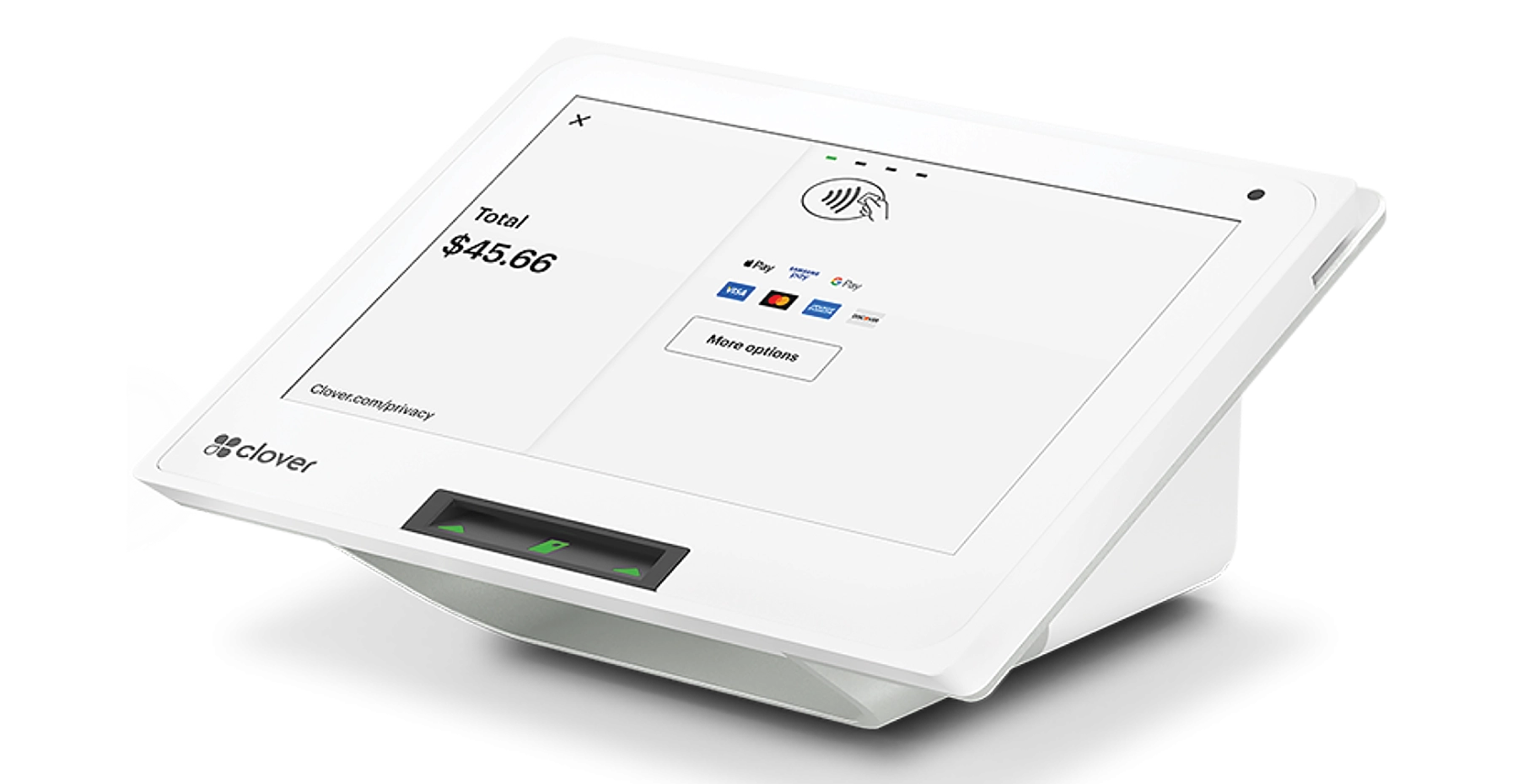
Velocity Merchant Services has your back. From Clover systems to custom solutions for restaurants, we help small businesses navigate change and come out stronger. Let’s talk.
For more insights like this, keep up with the VMS blog—where small business meets big tech without the fluff.