

Illinois is about to become a testing ground for a major shift in how low-income families buy groceries—and smart small business owners are paying attention to the USDA’s mobile payment pilot.
Later this year, the state will officially participate in the USDA’s Mobile Payment Pilot, a cutting-edge initiative that allows SNAP (Supplemental Nutrition Assistance Program) recipients to pay for groceries using their smartphones instead of a physical EBT card. While this is great news for SNAP families, it’s also a game-changer for thousands of small businesses across Illinois.
This pilot is part of a broader effort to embrace modern and innovative ideas and the latest technology in SNAP benefit delivery, aiming to improve access, security, and convenience for recipients.
From corner stores and delis to mom-and-pop markets and farmers market stands, this isn’t just another government pilot. Enabled by the Agricultural Act, it’s a tech upgrade that directly affects your cash register, your customers, and your bottom line by embracing modern solutions for both customers and businesses.
Illinois is one of several states involved in the USDA’s effort to modernize SNAP through mobile payment pilots, showcasing a commitment to integrating the latest technology and modernizing federal nutrition programs.
Let’s break it down.
The Problem: SNAP Fraud Is Skyrocketing
SNAP recipients across the country are being hit hard by a growing epidemic: card skimming. Thieves use hidden devices on payment terminals to clone EBT cards and drain funds. It’s not just inconvenient—it’s devastating. This type of benefit fraud undermines program integrity, making it harder to ensure that assistance reaches those who truly need it.
Here’s the kicker: if your benefits are stolen, you don’t get them back
That’s like stealing someone’s entire grocery budget for the month.
This fraud has become so widespread that the USDA has decided to overhaul the way SNAP works, with three big goals:
-
Protect benefits from theft
-
Make SNAP payments easier and more secure
-
Prevent benefit fraud and reduce food insecurity for vulnerable households
That’s where Illinois comes in.
The Solution: Mobile Electronic Benefit Transfer (EBT) Payments
Instead of swiping a card that can be cloned, SNAP recipients in Illinois will soon be able to pay with their cell phones, smartwatches, and other mobile technologies. It works just like Apple Pay or Google Wallet—but with your EBT balance, using digital wallets for transactions.
Mobile payments and digital wallets provide an alternate option to the traditional physical electronic benefit transfer (EBT) card, allowing recipients to access their benefits through mobile devices instead of the standard card-based electronic benefit transfer system.
These mobile payments use secure, encrypted, one-time-use credentials that make skimming basically impossible. Think biometric security, real-time tokenization, and encrypted transactions. These mobile technologies are designed to be more secure than the traditional electronic benefit transfer system—it’s like giving SNAP a digital armor suit.
How This Directly Impacts Small Business Owners
Now, let’s talk about the part no one’s saying loud enough: If you own or operate a small business that accepts EBT—this is a huge deal for you. Adopting mobile payment technology as part of a modern payment processing solution for small businesses can significantly enhance the customer experience by making transactions faster and more convenient for SNAP participants. It also expands consumer services, allowing for modern options like contactless payments and online shopping, which can help reduce stigma and improve benefit access. Additionally, mobile payments can help reduce retailer time spent on checkout and payment processing, streamlining operations and improving efficiency for your business.
1. You Could Gain (or Lose) Customers Based on Readiness
Illinois has over 1.8 million SNAP recipients. If your point-of-sale system isn’t ready to accept mobile EBT payments, those shoppers may start going somewhere else. Larger chains are already preparing for the update, and many are already familiar with everything business owners need to succeed with EBT payments.
This is your opportunity to stand out as a local, tech-forward business that serves the entire community—including the underserved. Mobile payment pilot programs are designed to improve access for low income households by making SNAP benefits easier and more convenient to use. Adopting mobile payment technology can also help reduce the potential stigma sometimes associated with using SNAP benefits at checkout.
Bonus: Being EBT-mobile-ready could also make you eligible for future government incentives or funding.
2. It Modernizes Your Checkout Experience
Mobile payments = faster lines, fewer errors, and way less stress for your staff and your customers when you’re working with a merchant services provider focused on small businesses.
A smoother checkout process means:
-
Shorter lines
-
Fewer payment declines
-
Happier customers who come back again and again
-
Saving participant time and making it easier for SNAP recipients to redeem their monthly benefits
And let’s be honest—nothing says “we’ve got our act together” like tap-to-pay.
3. It Helps You Avoid Costly Chargebacks & Skimming Liability
Even if a cloned EBT card is used at your store unknowingly, you could be held responsible if your POS system isn’t compliant with the new standards. That could mean fines, fraud investigations, or even temporary suspension from the EBT program, which is why having the right EBT equipment for your business in place is so important.
Ensuring your system is ready for mobile payments helps maintain program integrity and ensures each SNAP transaction is secure, preventing benefit fraud and supporting compliance with mobile payment pilot requirements.
Getting mobile-EBT ready isn’t just smart—it’s protective.
4. It Builds Community Trust
In neighborhoods where SNAP benefits are common, being one of the first local businesses to adopt mobile EBT shows leadership and loyalty. You’re telling customers, “We’ve got your back.” Understanding community characteristics—such as demographics and socioeconomic factors—can help businesses tailor their approach to better serve SNAP recipients and build stronger relationships, especially when you’ve already taken the steps to become an authorized EBT retailer.
And in today’s world, trust is everything.
What Illinois Businesses Need to Do Right Now
State agencies and selected state SNAP agencies are working together during the pilot planning period to ensure a smooth rollout.
Here’s your mini to-do list to prepare for the Mobile Payment Pilot, but you can also follow a more detailed step-by-step guide to accepting EBT in 2025 if you’re just getting started:
1. Upgrade Your POS System
You’ll need equipment that supports the specific POS requirements retailers must meet to accept EBT payments, including:
-
NFC (Near Field Communication) for mobile wallets
-
SNAP EBT chip cards, which are also rolling out nationwide
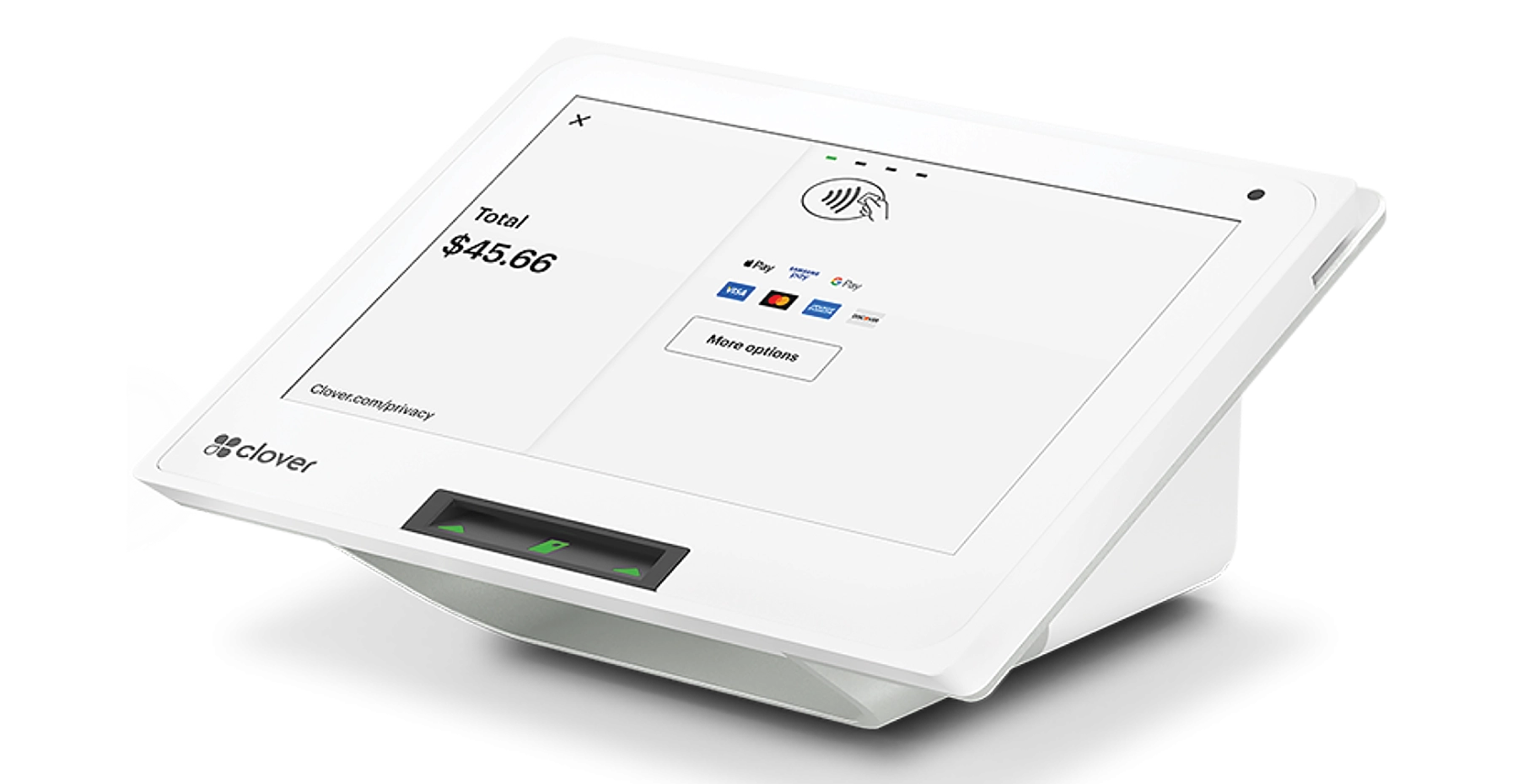
Not sure if your POS supports this? Contact your provider. EBT processors play a key role in enabling your POS system to accept mobile payment options for SNAP benefits, so ask your provider if your current EBT processor supports mobile payment integration. If you’re using a system like Clover, chances are you’re already halfway there. (And if not, we’ll help you fix that and help you avoid the common pitfalls of so‑called “free” POS systems.)
2. Work with a Payment Partner Who Knows the USDA Rules
VMS works directly with small business owners and understands the USDA’s compliance needs. Don’t get caught off guard—some older or budget POS systems can’t accept mobile EBT without major updates, and it’s worth reviewing merchant services FAQs for small businesses so you know what to expect from your provider.
We’ll walk you through:
-
Device setup
-
Compliance testing
-
Coordinating with mobile wallet providers to ensure compatibility with SNAP mobile payments
-
Training your staff to handle mobile EBT
3. Educate Your Employees
This new tech will raise questions. Your team needs to understand how to:
-
Identify mobile EBT payments
-
Troubleshoot failed transactions
-
Teach customers how to enter their personal identification number (PIN) during mobile EBT transactions to ensure security and prevent fraud
-
Offer great service without confusion
A five-minute training now can save five hours of frustration later.
4. Let Customers Know You’re Ready
Once you’re set up, market it! Add a sign near the register that says:
“We Now Accept Mobile SNAP EBT Payments!”
This alone could drive more foot traffic, especially from families who’ve had their benefits stolen in the past and are looking for safer options.
Offering mobile payment options can also improve health and well-being for SNAP recipients by making it easier and safer to access nutritious food.
Wait, What About Chip Cards?
In addition to mobile wallets, the USDA is rolling out chip-enabled EBT cards across the U.S., so every retailer needs to understand that EBT cards are going chip‑only and terminals must be upgraded.
As of August 28, 2024, the ANSI X9.58-2024 standard is live. These new cards are harder to copy and reduce fraud dramatically. But guess what?
If your payment terminal doesn’t support chip cards, you’re not compliant.
And with Illinois bordering several other states that are already issuing chip cards, you’ll start seeing these cards used in your store even before Illinois formally rolls them out.
Mobile + Chip = The New Normal. Make sure your business can handle both.
To evaluate the effectiveness of these new technologies, snap administrative data from chip card and mobile payment usage will be collected and analyzed.
The Bigger Picture: Equity, Access, and Small Business Growth
This pilot is about more than technology. It’s about bridging gaps—between customers and retailers, between outdated systems and modern solutions. Mobile payment pilots are designed to improve nutrition security by making SNAP benefits more accessible and dignified, while also helping to reduce costs for both participants and businesses through streamlined administration and fraud prevention.
Low-income families deserve the same digital convenience as everyone else. And small business owners deserve tools that help them grow, not leave them behind.
By getting ahead of the Mobile Payment Pilot, you’re not just upgrading your tech—you’re upgrading your business values, too.
A Golden Opportunity to Outshine Big Chains
Let’s be real: Walmart’s going to be ready.
But your corner store? Your butcher shop? Your produce stand?
You have a chance to compete by being:
-
Faster to adapt
-
More locally invested
-
More personalized in service
The mobile payment pilot is currently being evaluated across five sites, with organizations like the National Grocers Association Foundation supporting small retailers through grants and technical assistance to help them adopt mobile payment solutions.
And believe us, SNAP recipients notice when a small business makes the effort.
If you care about: ✅ Increasing customer loyalty ✅ Boosting checkout efficiency ✅ Staying competitive in a fast-changing landscape
Then this isn’t optional—it’s essential.
How the Pilot Will Be Evaluated and Improved
The USDA’s Mobile Payment Pilot isn’t just about rolling out new technology—it’s about making sure it actually works for everyone involved. That’s why the Food and Nutrition Service (FNS) is launching a comprehensive mobile payment pilot evaluation to measure how well mobile payment technology serves the Supplemental Nutrition Assistance Program (SNAP) community.
TL;DR – Why This Matters to You
-
SNAP recipients in Illinois will soon pay with phones instead of cards.
-
The mobile payment pilot will also explore online purchasing options, gather feedback through focus groups, and use information obtained from participants to guide future improvements.
-
Fraud is rampant. This protects your customers—and you.
-
Your POS system must be updated to support mobile and chip EBT payments.
-
Businesses that are ready will get more traffic, more trust, and fewer issues.
Not sure how these changes affect your business?
VMS keeps merchants ahead of card network rules, fee changes, and compliance deadlines — with a specialist who explains what actually matters for your store.
Or call our team: 888-902-6227
Final Thoughts: Don’t Wait to Catch Up
The USDA’s Mobile Payment Pilot is the beginning of a much larger shift.
First it’s Illinois. Then it’s everywhere.
USDA and other partners are collecting information and administrative data through three rounds of evaluation, including interviews and surveys, to understand the implications of mobile payment pilot projects for SNAP participants, benefit redemption patterns, and the broader agriculture food system. These innovative ideas are shaping the future of SNAP and nutrition assistance by modernizing benefit redemption and improving access for all.
And if you’re still swiping old cards while your competition is scanning phones? You’re going to be the one getting left behind.
Now’s the time to upgrade, educate, and prepare—because the future of payments is already here, and it fits in your customer’s pocket.
VMS** is here to help you accept payments confidently, securely, and with peace of mind—because small businesses deserve big protection.**
Have questions about these changes?
Fill out the form below and a VMS payment specialist will contact you shortly.