

When customers file chargebacks, it’s rarely because they understand the dispute process or want to harm a business. In most cases, chargebacks are filed because something went wrong—or because the chargeback felt like the fastest path to a refund.
For businesses, the cost of chargebacks extends far beyond the transaction amount. Each dispute can include non-refundable fees, time spent responding, potential inventory loss, and long-term risk to the merchant account. Too many chargebacks can lead to higher processing costs, monitoring programs, or even account termination.
This guide explains why customers file chargebacks, the most common triggers across industries, and the specific operational steps businesses can take to reduce disputes before they happen.
If you want to understand chargebacks as a system problem—not just a customer problem—this article is designed to help.
What Is a Chargeback (in Simple Terms)
A chargeback occurs when a customer contacts their bank or card issuer to dispute a transaction instead of contacting the business directly. The bank temporarily reverses the charge and asks the business to prove that the transaction was valid.
From the customer’s perspective, filing a chargeback often feels like:
-
“I didn’t recognize this charge”
-
“I couldn’t get a refund”
-
“The product didn’t arrive”
-
“I was charged incorrectly”
-
“This wasn’t authorized”
From the business’s perspective, chargebacks are expensive, time-consuming, and preventable in many cases.
The Most Important Truth About Why Customers File Chargebacks
Most customers do not file chargebacks out of malice.
They file chargebacks because:
-
it feels easier than contacting the business
-
they don’t recognize the charge
-
they don’t know the refund policy
-
they believe the business won’t respond
-
they don’t trust the transaction
-
they think it’s the only way to get their money back
Understanding this mindset is the first step to prevention.
Top Reasons Customers File Chargebacks
While there are dozens of card-network reason codes, nearly all disputes fall into a few predictable categories.
1. The Customer Didn’t Recognize the Charge
This is one of the most common reasons customers file chargebacks.
Why it happens:
-
The business name on the statement looks unfamiliar
-
A DBA name is used instead of the store name
-
The descriptor is abbreviated or unclear
-
The charge appears days after the purchase
How to prevent it:
-
Use a clear billing descriptor that matches your storefront or website
-
Include a customer service phone number in the descriptor when possible
-
Send digital receipts immediately
-
Clearly brand receipts and confirmation emails
If customers can’t identify the charge, they often assume fraud and contact their bank first.
2. Refunds Were Slow or Confusing
Customers frequently file chargebacks when they believe a refund is being delayed or ignored.
Why it happens:
-
Refund timelines weren’t explained
-
The refund policy wasn’t visible
-
Refunds take several days to post
-
Customers mistake pending transactions for completed charges
How to prevent it:
-
Display refund policies clearly at checkout
-
Train staff to explain refund timelines
-
Provide written confirmation when refunds are processed
-
Educate customers that refunds take time to post
Clear communication prevents customers from escalating to their bank unnecessarily.
3. The Customer Never Contacted the Business
Many customers file chargebacks without ever reaching out.
Why it happens:
-
Customer support contact info is hard to find
-
Customers assume contacting the bank is faster
-
Businesses don’t respond quickly
-
There’s no obvious dispute resolution path
How to prevent it:
-
Make contact information easy to find
-
Respond quickly to emails and calls
-
Offer multiple support channels
-
Acknowledge complaints even if resolution takes time
When customers feel heard, they’re far less likely to file chargebacks.
4. Products or Services Didn’t Meet Expectations
This includes “not as described” disputes.
Why it happens:
-
Product descriptions were vague
-
Photos didn’t match reality
-
Service scope wasn’t explained clearly
-
Terms were misunderstood
How to prevent it:
-
Use accurate descriptions and photos
-
Avoid exaggerated marketing claims
-
Clearly explain what is included—and what isn’t
-
Get written confirmation for services
Clear expectations reduce disputes significantly.
5. Items Were Not Received (Especially in E-Commerce)
Shipping-related disputes are a major driver of chargebacks.
Why it happens:
-
Packages were delayed
-
Tracking wasn’t provided
-
Delivery confirmation was missing
-
The customer didn’t notice the delivery
How to prevent it:
-
Provide tracking numbers automatically
-
Use delivery confirmation for high-value items
-
Communicate shipping timelines clearly
-
Save proof of delivery
When customers believe an item never arrived, they often file chargebacks instead of contacting support.
6. Friendly Fraud (The Most Misunderstood Reason)
Friendly fraud occurs when a customer disputes a legitimate transaction.
Common examples:
-
A family member made the purchase
-
The customer forgot the purchase
-
The customer regrets the purchase
-
The customer wanted a faster refund
-
The customer misunderstood the terms
Friendly fraud is not always intentional—but it still counts as a chargeback.
How to prevent it:
-
Use clear descriptors
-
Require confirmation for subscriptions
-
Send order confirmations
-
Provide easy cancellation options
-
Maintain detailed transaction records
Friendly fraud accounts for a significant portion of disputes.
7. Subscription or Recurring Billing Confusion
Recurring charges are a frequent reason customers file chargebacks.
Why it happens:
-
Customers forget they signed up
-
Renewal terms weren’t clear
-
Cancellation was confusing
-
Billing dates weren’t explained
How to prevent it:
-
Send renewal reminders
-
Clearly disclose billing frequency
-
Make cancellation easy
-
Provide confirmation when subscriptions are canceled
If customers feel trapped, they turn to their bank.
8. Duplicate or Incorrect Charges
Errors happen—and customers notice.
Why it happens:
-
Double charges
-
Incorrect amounts
-
System glitches
-
Manual entry mistakes
How to prevent it:
-
Review daily transaction reports
-
Reconcile batches regularly
-
Train staff on proper checkout procedures
-
Fix issues immediately when identified
Fast corrections prevent disputes from escalating.
Why Customers Choose Chargebacks Over Refunds
Understanding this behavior is critical.
Customers often file chargebacks because:
-
Banks advertise “zero liability”
-
The process feels simple
-
They assume the bank will handle it faster
-
They don’t realize the harm to the business
Most customers do not understand that chargebacks:
-
cost businesses money
-
increase processing fees
-
can threaten a business’s ability to accept cards
Education and communication reduce this behavior significantly.
The Real Cost When Customers File Chargebacks
Chargebacks cost more than just the transaction amount.
Hidden costs include:
-
Chargeback fees
-
Lost merchandise or services
-
Time spent gathering evidence
-
Higher processing rates
-
Risk monitoring programs
-
Account termination risk
Even winning a dispute doesn’t always recover all costs.
How to Prevent Chargebacks Before They Happen
Prevention is operational, not reactive.
1. Set Clear Expectations
-
Transparent pricing
-
Honest descriptions
-
Clear policies
2. Communicate Proactively
-
Order confirmations
-
Shipping updates
-
Refund confirmations
3. Make Support Easy to Access
-
Visible contact information
-
Fast response times
-
Friendly resolution options
4. Use the Right POS and Payment Tools
-
Accurate receipts
-
Digital signatures
-
EMV and contactless acceptance
-
Reliable reporting
5. Train Staff Properly
-
How to explain policies
-
How to handle complaints
-
When to escalate issues
6. Monitor Chargeback Patterns
-
Identify repeat triggers
-
Fix system issues early
-
Track disputes by reason code
What To Do When a Chargeback Is Filed
If a customer does file a chargeback:
-
Review the reason code
-
Gather all documentation
-
Respond within deadlines
-
Be factual and organized
-
Learn from the dispute outcome
Each chargeback is a data point that shows where your operation can improve.
When to Fight a Chargeback—and When Not To
Not every dispute should be contested.
Consider fighting when:
-
You have clear proof
-
The transaction was legitimate
-
The amount justifies the effort
Consider accepting when:
-
Evidence is weak
-
The cost outweighs the benefit
-
It’s a one-time issue
Strategic decisions reduce long-term risk.
How POS and Payment Processors Help Reduce Chargebacks
Modern systems help prevent disputes by:
-
Providing clean descriptors
-
Storing receipts and signatures
-
Tracking delivery and confirmations
-
Supporting subscription controls
-
Offering chargeback alerts
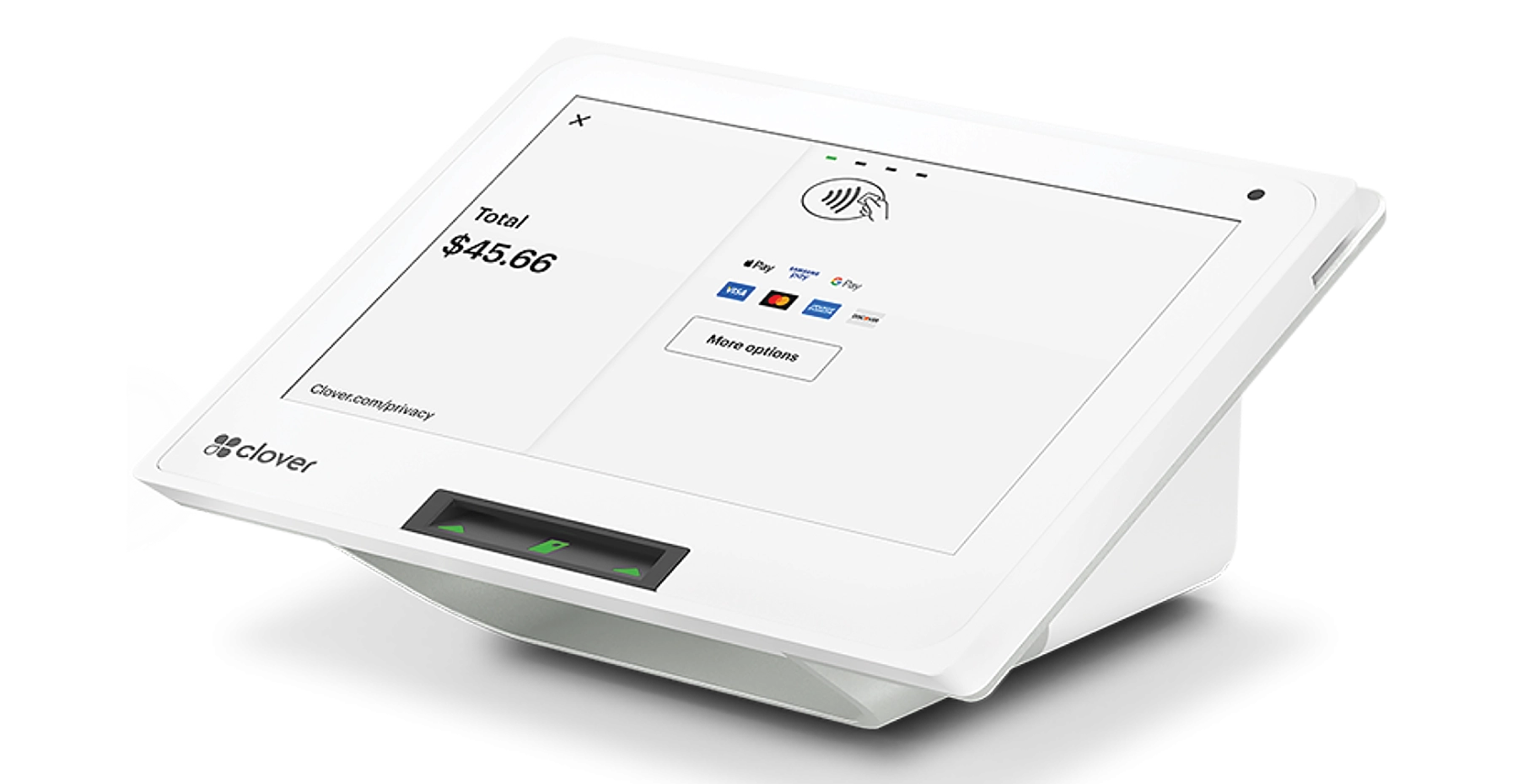
For businesses using modern POS systems like Clover, many of these protections are built in when configured correctly.
Confident you are PCI compliant?
VMS handles PCI compliance, end-to-end encryption, and chargeback support so your business and your customers card data stay protected.
Or call our team: 888-902-6227
Final Thoughts: Chargebacks Are Preventable—If You Understand Why They Happen
Customers file chargebacks because something broke down in communication, trust, or expectations. Rarely is it random.
The businesses with the lowest dispute ratios are not the ones with the strictest policies—they are the ones with the clearest processes.
If you understand why customers file chargebacks and design your operation to address those reasons proactively, disputes become the exception—not the norm.
Have questions about payment security?
Fill out the form below and a VMS payment specialist will contact you shortly.