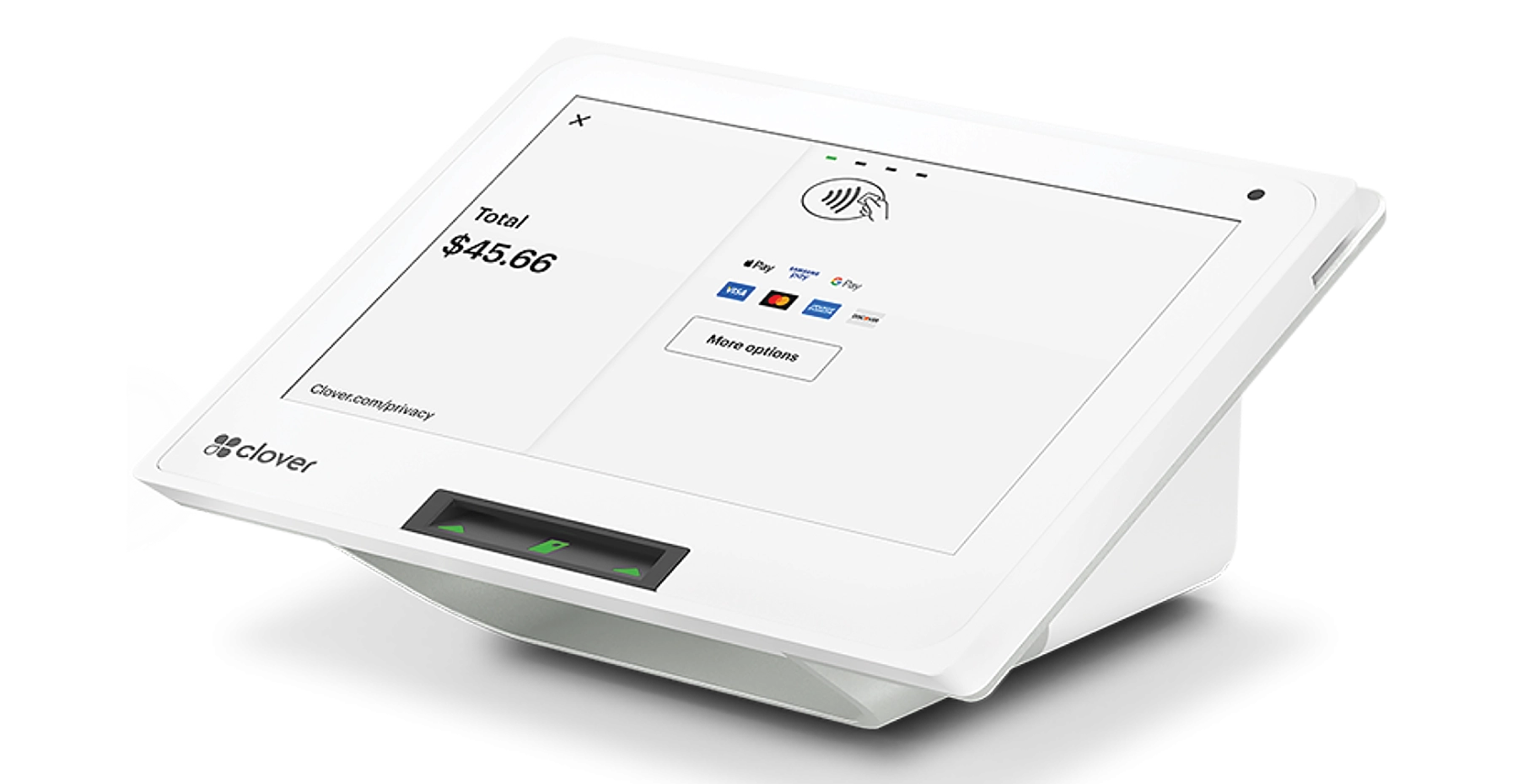


If you’re a small business owner, there may come a time when your point-of-sale system alone isn’t enough. Many businesses need additional equipment to maximize efficiency, improve customer experience, and streamline operations. That’s where POS hardware comes in.
It’s important to have a solid business plan and a clear vision for how you want your business to operate. Choosing the right POS hardware depends on understanding what your specific business needs—and what you can do without.

What Is POS Hardware?
The term “hardware” can sound technical or intimidating, but it’s likely equipment you’ve already seen or used. Think barcode scanners at a retail store or weight scales at a deli—these are all examples of POS hardware. Understanding the hardware options available will help you make smart decisions, especially if you’re trying to scale or streamline your operations.
Before diving into the hardware, it’s helpful to understand what kind of POS system you have, since not all hardware works with every system.
Types of POS Systems
Traditional POS Systems
These are software-based systems installed on a local computer or server. They’re commonly used by larger businesses with high transaction volume or multiple locations. For a small business, especially one operating from a single location, a traditional system may not be ideal. Data is stored only on the local machine, so if the server fails, you risk losing critical information like sales reports, menus, and inventory logs.
Cloud-Based POS Systems
Cloud-based systems store your data securely online and allow you to access it from anywhere. They typically operate on a subscription model and can run on tablets, smartphones, and other connected devices. This is a great option for business owners who aren’t always onsite, since reporting and management can be done remotely.
Mobile POS Systems
Mobile POS systems are popular among food trucks, pop-up shops, and service-based businesses like salons or contractors. They are designed to work on-the-go using a Wi-Fi or LTE connection. Many small businesses use mobile systems as their primary POS because they’re lightweight, portable, and easy to use.
App-Based POS Systems
App-based POS systems allow businesses to install apps tailored to their specific industry. These systems are usually cloud-based and offer high levels of customization. Whether you’re running a salon, coffee shop, or retail store, app-based systems let you build a solution that fits your workflow instead of adjusting your business to fit the tech.
Essential POS Hardware for Small Businesses
Once you know the kind of POS system you’re working with, it’s time to look at the hardware options that can help you run your business better.
Cash Drawers
If your business accepts cash, a secure cash drawer is a must. These drawers typically connect to your POS via USB or serial cable and are triggered to open during cash transactions. They’re standard in most retail and restaurant setups and can also be integrated with a cash discount program to offset credit card processing fees.
Barcode Scanners
Barcode scanners are essential for businesses that sell products with UPCs. There are two main types: stationary scanners and handheld scanners. Stationary scanners are common at checkout counters, while handheld models are more versatile and can be used on the sales floor or for inventory counts. Scanners can connect to your POS either wirelessly or through a cable.
Kitchen Printers
If you own a restaurant or café, a kitchen printer is a game-changer. When a server places an order, the ticket prints directly in the kitchen, ensuring orders are prepared in the right sequence and reducing communication errors. Kitchen printers are usually set up wirelessly to accommodate their distance from the main POS terminal.
Label Printers
Label printers are perfect for businesses that need to mark products or organize customer orders. Coffee shops, bakeries, and delis often use them to label drinks or to-go containers with order details. These printers require thermal sticker paper and typically use a wired connection to your POS system.
Weight Scales
Businesses that sell items priced by weight—like grocery stores, candy shops, or even coffee roasters—need POS-compatible weight scales. These devices can be tricky to set up due to the specific wiring requirements. If a direct connection to the POS isn’t feasible, a label printer can be connected to the scale to produce price tags with scannable barcodes.
Kiosks
A kiosk is a self-serve station that allows customers to place their own orders and make payments. This is particularly helpful for businesses with high foot traffic or limited staff. Kiosks can be synced with your main POS system and connected to kitchen or receipt printers. The Clover Kiosk, for example, can be programmed to handle dine-in, takeout, and even loyalty program enrollment—all without staff involvement.
Getting Your Business Set Up with the Right POS Hardware
VMS offers a variety of POS systems—cloud-based, mobile, and app-based—along with all the compatible hardware options listed above. Whether you’re opening your first location or scaling an existing business, we’ll help you find the right mix of devices to suit your needs.
Before you purchase any additional hardware, it’s essential to confirm compatibility with your current POS setup. Not all systems work with third-party equipment, so working with a trusted provider like VMS ensures that everything integrates smoothly.
If you’re ready to equip your business with the right hardware—or if you want expert help evaluating your options—fill out the form below or visit getvms.com. Our team is ready to help you get started.