

Work-life balance. This concept seems so easy, yet so hard for many working people. Recently the price of living has been quickly increasing, meaning people are working more and doing less. This is why many people are trying to figure out how to balance the responsibilities of having a job and having a life.
Work-life balance is defined as an equilibrium between professional and personal life. Work plays a significant role in shaping our routines, overall happiness, and well-being. It’s important to recognize that work-life balance can vary greatly from person to person and can change over time based on individual needs and circumstances.
In this blog, we’ll discuss how people can manage and maintain a healthy balance between their personal and professional life.
Introduction to Healthy Work Life Balance
Achieving a healthy work-life balance is more important than ever in today’s fast-paced world. With the rise of remote work and flexible working arrangements, the lines between professional and personal life can easily blur. Maintaining a healthy work-life balance is essential for protecting your physical and mental health, boosting your overall well-being, and ensuring long-term job satisfaction. When you make time for your personal life and set clear boundaries around your working hours, you’re not just improving your productivity—you’re also reducing stress and creating space for the things that matter most. Whether you’re working from home or in the office, prioritizing life balance helps you manage both your job and your personal responsibilities more effectively, leading to a happier, healthier, and more fulfilling life.
The Consequences of Poor Work Life Balance
When work takes over and personal time gets pushed aside, the effects can be serious. Poor work-life balance often leads to chronic stress, which can cause high blood pressure, weaken your immune system, and contribute to a range of health problems. Over time, this can negatively impact both your physical and mental health, making it harder to stay focused and productive at work. Employees who struggle with poor work-life balance may feel less engaged, experience lower job satisfaction, and are more likely to leave their jobs in search of better balance. For employers, failing to support work-life balance can result in decreased productivity, higher turnover, and the loss of top talent. Recognizing the importance of life balance and taking practical steps to improve it is essential for both employees and employers who want to create a healthier, more productive work environment.
Benefits of Achieving a Better Work Life Balance
When you achieve a better work-life balance, the benefits are felt in every area of your life. Employees who feel supported in balancing their work and personal lives tend to enjoy improved physical and mental health, higher job satisfaction, and a greater sense of well-being. They’re also more likely to remain loyal to their employers, take fewer sick days, and stay engaged in their work. For employers, fostering a healthy work-life balance can lead to increased productivity, reduced turnover, and a more positive workplace culture. A healthy work-life balance also helps reduce stress levels, making it easier to manage daily challenges and maintain a positive outlook. Ultimately, prioritizing balance benefits everyone—helping employees and employers alike to thrive.
Figuring out How to Balance Your Life
There is a lot that goes into being a human. It’s honestly kind of a lot of upkeep if you want to be living a “good” life. Of course, living a good life means something different to everyone, but there are probably a few main points that everyone agrees with. Staying healthy, being happy, and having money. At a glance, those three things seem pretty basic and easy to achieve. If you really think about it though, being able to have all three of those things at the same time can be a little hard to maintain.
Staying healthy sounds easy enough. Just make sure you go to bed early enough, go to the gym a few times a week, and cut back on take-out. To stay happy, maybe you like to paint. So, you join a painting class that meets every week. Obviously, if you want to have money, you need a job. Maybe you’re doing really well in the job department and you just got promoted. But the pay increase came along with more responsibilities and longer hours.
Now you find yourself coming home from work later than usual. People spend a significant amount of their time at work, which can lead to neglecting personal goals and family responsibilities. This new position is causing you a lot more stress. You’re so exhausted when you get home, that you don’t have the energy to cook. Let alone go to the gym. Your evenings now consist of Doordash and starting at various screens. You haven’t picked up a paintbrush in months because you just don’t have time. It’s common to feel overwhelmed by the demands of work. You now find yourself in a void of discontent because is this really your life? All work and no play? Now you understand what really made Jack a dull boy. Achieving work-life balance can help individuals feel more satisfied with their time dedicated to both work and personal matters.
If this scenario is sounding familiar to you, you’re not alone. More than 60% of employees in the U.S. feel like their management of work and personal life is not balanced. When employees feel their personal lives are not respected, morale drops and turnover rates increase, as workers are more likely to seek employment elsewhere.
Managing Work and Home
This doesn’t have to be how your life ends up. Making sure you’re managing your work life and home life may not always be easy, but if you make a point of making proper time for both you can manage a healthy balance of both. Setting boundaries around your work hours is essential to ensure you have time to attend to personal matters and reduce work-related stress. Having a career is very time-consuming, it’s not uncommon for people to make working their number one priority in life. This, of course, is because you need to be somewhat financially stable if you want to be able to eat, have a car, have a place to live, be able to buy yourself and your family things, and maybe go on a vacation.
Work can sometimes end up coming before anything else. The issue that happens with this is, you’re working so hard to make the money you need, that you either forget the reason you’re working so hard, or you’re working so hard, that you don’t even have time to do anything else. This is not healthy. Setting clear boundaries around work hours helps employees disconnect from work after hours, supporting better mental health and personal well-being. A lack of work-life balance can also lead to increased absenteeism due to stress, depression, or anxiety. Yes, you should take pride in your work and be passionate about what you’re doing. But it shouldn’t be all-consuming. Not to mention, the recent trend of working remotely has blurred some of the boundaries of work and personal time.
Business Owners and Their Part
Both employees and business owners should know what a healthy work-life balance looks like. If you’re a business owner, you should make sure your employees have the ability to make time for life outside of work. There has been an epidemic of staffing issues throughout every industry. Being short-staffed can sound like a death sentence to someone trying to prioritize their personal life more. Working at a job with demanding hours, no flexibility and intimidating hire-ups will cause major resentment and burnout. 95% of human resource executives say that burnout is one of the leading causes of employee turnover.
Employee engagement is crucial for business growth, as engaged staff are more reliable, trustworthy, and motivated to go above and beyond. Employees with a healthy work-life balance are more engaged and productive at work. A good work-life balance can also lead to reduced employee turnover and improved overall employee morale.
There are many things that leaders can do, to ensure a healthy work culture is maintained during times of being short-handed. This will help any business owner with their efforts of allowing for a work-life balance for their employees. Which will simultaneously help with high turnover rates and being continuously short-staffed.
Flexible Working and Its Benefits
Flexible working has become an essential part of achieving a healthy work-life balance. By giving employees greater control over their working hours—whether through remote work, flexible schedules, or compressed workweeks—flexible working makes it easier to balance professional and personal life. Research shows that flexible working arrangements can lead to higher job satisfaction, improved productivity, and lower stress levels. Employees who have the option to work flexibly are often more engaged and less likely to leave their jobs, which helps employers retain top talent and build a more committed workforce. Flexible working is especially valued by younger workers, who often prioritize life balance when choosing where to work. By embracing flexible working, employers can create a more supportive environment that benefits both employees and the business as a whole.
Achieving the Perfect Balance
Here are some tips that will help you maintain a healthy work-life balance.
Set Boundaries:
Establish clear boundaries between work and personal life. Define specific working hours and stick to them, allowing yourself to disconnect from work responsibilities during non-working hours. If you have set hours at your job make sure you’re not doing too much over-time. Of course, if you need to stay late to help clean up or finish a project, or you’re saving up and could use a few more hours here and there, that’s one thing. But, if you’re consistently staying hours past your scheduled work times, set clear boundaries with your job about your working hours. This is especially important if you work from home. Just because your workspace and home space are the same doesn’t mean you constantly need to be working.
Prioritize Self-Care:
Make time for self-care activities, such as exercise, meditation, hobbies, or spending quality time with loved ones. Prioritizing your physical health through regular exercise and healthy habits is essential for managing stress and maintaining productivity. Taking care of your physical and mental health helps reduce stress and promotes a healthier work-life balance. Setting aside free time for relaxation and hobbies not only allows you to disconnect from work-related activities but also enhances your overall well-being. You don’t need to go extreme for it to make a difference in your mental health. Going for a walk and getting some fresh air throughout the day, reading your kids an extra book at bedtime, taking a bubble bath once a week—these little things can really make a difference and help combat burnout. Encourage employees to engage in hobbies and activities outside of work to enhance personal fulfillment.
Learn to Delegate:
Delegate tasks at work and at home when possible. Sharing responsibilities with colleagues can help lighten your workload, freeing up time for other activities. Your fellow employees should be your teammates. One person should not be responsible for so many different things that they can’t manage at one time. Proper delegation of responsibilities and tasks based on employees’ strengths allows individuals to focus on what they do best, enhancing concentration and productivity. Additionally, using time management techniques to prioritize tasks and manage workloads effectively can further support a healthy work-life balance. This makes the work day much easier, and in turn, makes it easier for someone to go home and still have enough mental and physical energy to do something regarding their personal life.
Unplug Regularly:
Create designated periods to unplug from electronic devices, especially outside of working hours. Avoid checking work emails or messages during personal time to ensure mental relaxation. You can also just put your phone on do not disturb, or silence specific apps or notifications. You’re not helping yourself balance your work and personal life if your mind and attention are still on work when you’re supposed to be focused on your home life. Again, if you’re working remotely this is especially important. Make sure your work computer is closed when you’re at home not working.
Unplugging from work and practicing mindfulness can positively impact your work performance and personal relationships. Mindfulness practices are encouraged, as they help employees focus on the present and reduce stress.
Plan and Organize:
Efficiently plan and organize your day to make the most of your time. Utilize tools like calendars, to-do lists, and productivity apps to stay on top of tasks, avoid procrastination, and create space for leisure activities. Organizing your life like this will help you make time for everything. When you accurately plan your days or weeks, you ensure that nothing gets moved down the priority list and you’re giving your work and your home equal attention.
Overcoming Challenges to Achieve a Healthy Work-Life Balance
Finding a healthy work-life balance isn’t always easy, but there are practical steps you can take to make it more achievable. Setting clear boundaries between work and personal life is crucial—make sure to carve out personal time and stick to your working hours. Delegating tasks, both at work and at home, can help lighten your load and free up time for what matters most. Incorporating regular exercise, practicing stress management techniques, and making use of vacation days are all effective ways to reduce stress and support your overall well-being. Employers can play a big role by offering flexible working options, providing resources for stress management, and encouraging employees to take breaks and use their paid time off. By working together, employees and employers can create a culture that values work-life balance, leading to greater productivity, job satisfaction, and a healthier, happier life for everyone.
Want a payments partner that picks up the phone?
VMS works with independent business owners nationwide — real support, transparent pricing, and no long-term contracts.
Or call our team: 888-902-6227
Assist your Small Businesses Efforts in Work-Life Balancing
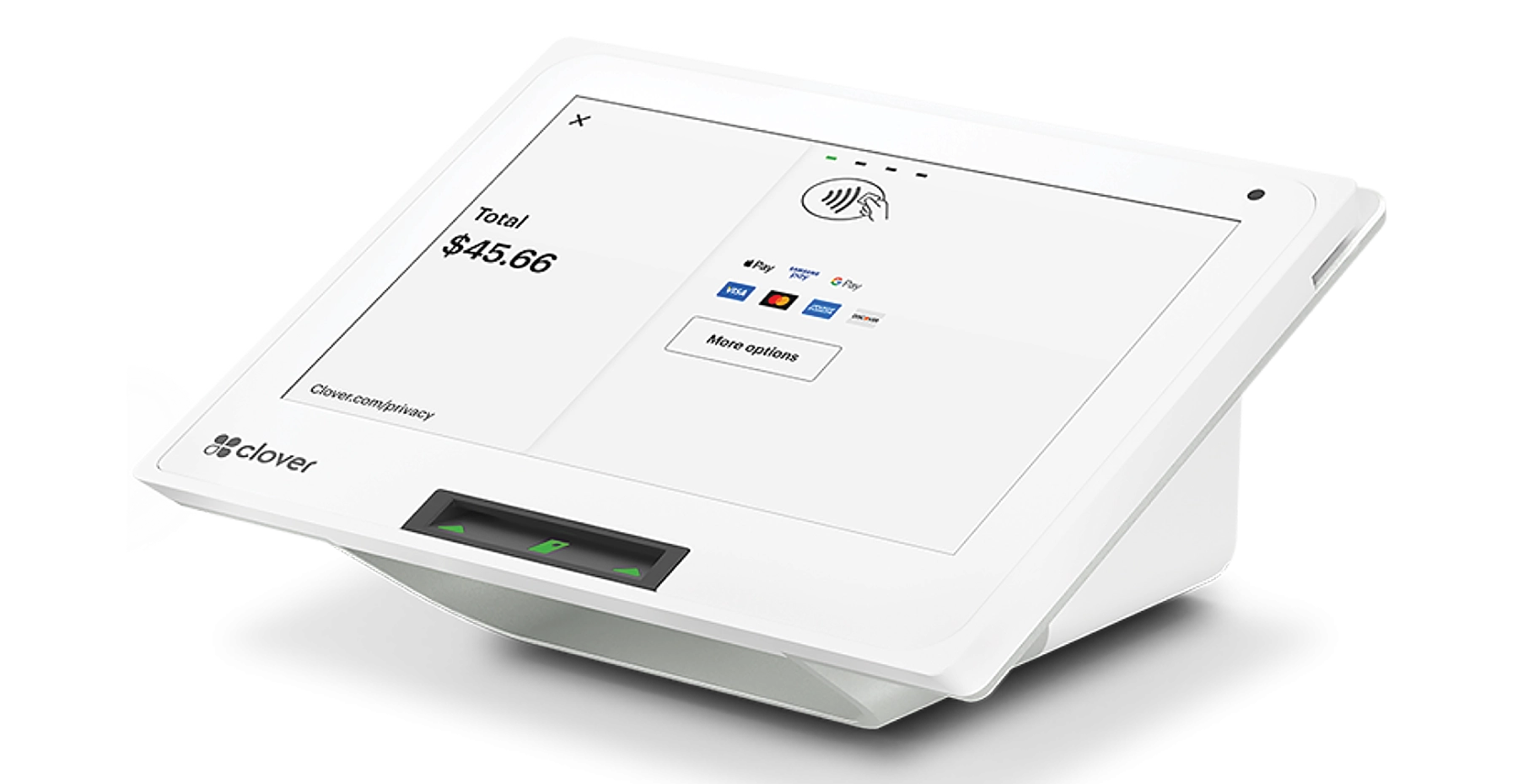
If you’re a small business owner, having a work-life balance can be even harder for you. Your life is your business and your business is your life. In addition to flexible working hours and holiday encouragement, there are other benefits of work-life balance for small business owners and their staff, such as increased job satisfaction, reduced burnout, and improved overall well-being. One way you can help your own efforts of having a healthy work-life balance is by arming your business with modern and state-of-the-art tools. Having an up-to-date POS system and reliable payment processing solutions for small businesses can give you extra confidence that your staff has the tools to make the work day as efficient as possible. Nowadays your POS system can automate your inventory, help with marketing efforts, and even do your sales tax automatically, especially when you use an all-in-one Clover POS system.
Learning new skills, whether through hobbies or professional training, can help business owners and employees adapt to changes and grow their business. Taking intentional steps to improve work life balance, such as scheduling days off or tech-free weekends, can benefit both you and your employees by promoting personal development and mindfulness. Employers can also ask employees for guidance on their needs to improve work-life balance, ensuring everyone feels supported.
If you’re interested in updating your POS system to make the work days less stressful, visit getvms.com or fill out the form below. We can help your business accept every form of payment and customize your device so it fits the exact needs of your specific business.
Have questions about payments for your business?
Fill out the form below and a VMS payment specialist will contact you shortly.