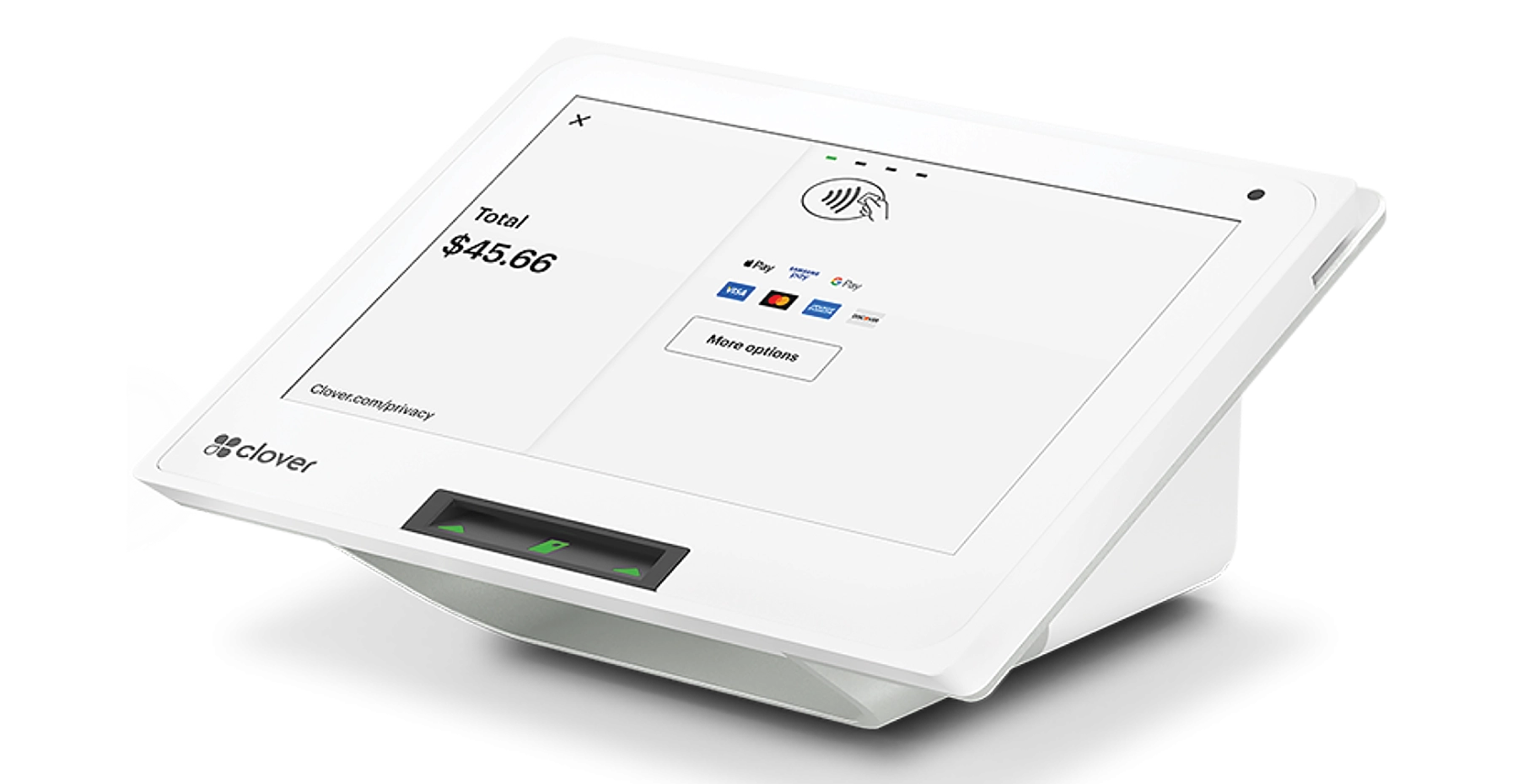
EBT Payments: Everything a business owner needs to know.
Accepting SNAP benefits (formerly known as food stamps) via Electronic Benefit Transfer (EBT) can open your business to a wider customer base and strengthen your community impact. In this guide, we provide a detailed, step-by-step roadmap for small and mid-sized business owners to start accepting EBT payments. You’ll learn how SNAP and EBT work, what products are eligible, how to become an authorized SNAP retailer, equipment options, compliance best practices, and more. With over 42 million Americans (about 12% of the U.S. population) using SNAP benefits monthly, and more than 250,000 retailers already participating, now is the time to consider EBT acceptance at your business. Let’s dive in.
1. Overview of EBT and SNAP
What is SNAP and EBT? The Supplemental Nutrition Assistance Program (SNAP) is a federal nutrition assistance program that helps low-income individuals and families buy food. Benefits are delivered via Electronic Benefit Transfer (EBT) – a secure system that functions like a debit card. SNAP participants receive an EBT card (often just called a “SNAP card” or “Quest card”) which is loaded with benefits each month. They enter a secret PIN to use it for food purchases at authorized stores. All 50 states, D.C., and U.S. territories have used EBT to issue SNAP benefits since the early 2000s, replacing the old paper food stamp coupons.
How the system works: When a customer swipes or inserts their EBT card at the point of sale, the POS system identifies it as an EBT transaction and checks two things: the customer’s available SNAP balance and whether the items being purchased are SNAP-eligible foods. If the purchase meets requirements, the transaction is approved and the amount is deducted from the customer’s SNAP account. No cash is given to the customer – the funds move electronically from their benefit account to the retailer’s account in a reimbursement process. The customer receives a receipt showing the purchase and their remaining benefit balance.
Key terminology: As you navigate EBT acceptance, a few terms will come up frequently:
- FNS Number: A unique ID issued by USDA’s Food and Nutrition Service to each SNAP-authorized retailer. You must have an FNS number to process EBT transactions.
- SNAP Benefits: The food assistance funds loaded on EBT cards. (EBT cards can also carry other benefits like cash assistance/TANF, but this guide focuses on SNAP food benefits.)
- POS (Point of Sale): The system or terminal you use to process transactions. It must be programmed to accept EBT cards and differentiate eligible items.
- PIN: Personal Identification Number. SNAP customers enter a 4-digit PIN to authorize each EBT purchase – similar to a debit card PIN.
- Quest: The Quest logo signifies EBT acceptance. You’ll often see a Quest mark on store doors or registers indicating the store accepts EBT cards nationwide.
In summary, SNAP is a federal program to help people buy food, and EBT is the electronic payment method that makes it work. As a retailer, becoming SNAP-authorized means you can accept payment from customers’ EBT cards for eligible food items. It’s a win-win: you gain new customers and revenue, and SNAP recipients gain another convenient place to shop for groceries.
2. Eligible vs. Ineligible Products (What Can Be Purchased with EBT)
One of the most important things for EBT-authorized businesses to understand is which products can be purchased with SNAP benefits and which cannot. The rules are set by federal law and ensuring compliance is crucial. Let’s break down the eligible vs ineligible items, with examples and a few edge-case scenarios:
Eligible Food Items (SNAP-Allowable)
Generally, SNAP benefits can be used to buy food products intended for home preparation and consumption. This includes:
- Fruits and vegetables: All varieties of fresh, frozen, and canned fruits and veggies are eligible. (e.g. apples, bags of salad, frozen peas, canned tomatoes).
- Meat, poultry, and fish: Beef, chicken, pork, turkey, fish, seafood, etc., whether fresh, frozen, or canned (e.g. ground beef, a whole chicken, canned tuna).
- Dairy products: Milk, cheese, yogurt, butter, etc., including plant-based dairy substitutes that are used as milk alternatives (almond milk, soy cheese).
- Breads and cereals: Bread, tortillas, cereal, rice, pasta, oats, and other grain products (e.g. a loaf of bread, box of cereal, bag of rice).
- Snack foods and non-alcoholic beverages: Yes, items like chips, cookies, candy, and soda are SNAP-eligible. While they may not be the healthiest choices, they are considered “food for the household” under SNAP rules. Non-alcoholic drinks like iced tea, fruit juice, energy drinks with a Nutrition Facts label, coffee grounds, etc., are eligible.
- Seeds and plants for growing food: SNAP benefits can even be used to buy seeds or plants that produce food, such as tomato plants, herb seeds, or seedlings. This helps households grow their own food.
Essentially, any staple food or ingredient one could use to prepare meals at home is likely eligible. Even cold prepared foods that are meant to be eaten at home (like a deli-made cold sandwich or salad) are considered eligible for purchase with SNAP in many cases. For example, a pre-packaged cold sub or a sushi roll from your grocery’s cooler can be bought with EBT – it’s not hot and can be taken home to eat. (Keep in mind that although these items can be purchased with SNAP, they do not count towards your store’s staple stocking requirement, which we’ll cover later.) Also note that “accessory foods” like spices, condiments, and cooking oils are allowable for purchase (they are food items), even though FNS doesn’t count them as staples for eligibility.
Ineligible Items (Cannot Be Purchased with SNAP)
SNAP benefits cannot be used to buy any product that is not food, or certain categories of food that are excluded by law. Here’s what households CANNOT buy with EBT funds:
- Alcoholic beverages: Beer, wine, liquor, and any alcohol are strictly non-allowable. For example, a six-pack of beer or a bottle of wine cannot be purchased with SNAP.
- Tobacco products: Cigarettes, cigars, chewing tobacco, vaping products, etc. are not allowed.
- Vitamins, medicines, and supplements: If an item has a Supplement Facts label (as opposed to a Nutrition Facts label), it is considered a supplement and is not eligible. This means protein powders, multivitamins, fish oil pills, etc., are not covered. (Example edge case: An “energy drink” that has a Nutrition Facts label is eligible, but one with a Supplement Facts label is not.)
- Hot foods or foods prepared for immediate consumption: Any food that is hot at the point of sale is excluded. This is why you can’t use SNAP for a hot rotisserie chicken or a bowl of soup from the deli that’s hot. Additionally, food sold to be eaten on the premises is generally not allowed. (There is a limited exception in some areas for authorized homeless meal providers or restaurants in the SNAP Restaurant Meals Program, but for most retailers this is not applicable.) In short, SNAP cannot be used for restaurant meals or hot take-out foods.
- Non-food items: This is a broad category including:
- Pet foods (dog/cat food, birdseed, etc. – not edible by humans, hence not food for the household).
- Cleaning and household supplies (soap, laundry detergent, paper products, diapers, toiletries, cosmetics, etc.).
- Live animals (with a few odd exceptions like shellfish or fish removed from water, and animals slaughtered prior to pick-up). You couldn’t buy a live chicken or live lobster with SNAP, but a fresh lobster (removed from the tank) or live fish on ice is allowed.
- Prepared foods (ready-to-eat) sold for immediate consumption: As noted above, hot foods are out, but also any prepared entree or meal meant to be eaten right away (even if cold) is generally not eligible in a retail store setting. For example, a hot pizza or a freshly made sub sandwich from your store’s deli cannot be paid for with EBT. A good rule of thumb: if you as the retailer are preparing or assembling the food and selling it in a ready-to-eat state, it’s treated like a restaurant meal (and is ineligible). However, something like a cold take-and-bake pizza or a refrigerated prepared lasagna (that the customer will heat at home) is allowed.
Edge cases and special examples:
- Bakery items: Cakes, pies, and breads from the bakery are generally eligible, even birthday or wedding cakes. SNAP will cover the cost of the edible portion of a decorated cake. A guideline often used is that if the non-edible decorations (e.g. figurines, cake toppers) exceed 50% of the cake’s value, then it wouldn’t be eligible. In practice, typical birthday cakes with modest decorations are fine for EBT.
- Gift baskets: If you sell a gift basket or holiday basket that contains both food and non-food items, it can be purchased with SNAP only if the value of the food items is more than 50% of the total price. For example, a holiday basket that has gourmet cheeses, crackers, and a small toy: if the food value dominates, EBT can pay for it (but the customer would need another tender for any amount attributable to the toy if separated). If it’s mostly non-food (e.g. a toy with a couple of candy bars), SNAP cannot be used at all on that item.
- Energy drinks and specialty beverages: As mentioned, the determining factor is the packaging label. If it has a Nutrition Facts label (meaning it’s marketed as a food/beverage), it’s eligible. If it has a Supplement Facts label (marketed as a supplement/dietary aid), it’s not. Many energy drinks like Red Bull, Monster, etc., do have Nutrition Facts and thus are EBT-eligible. But certain bodybuilding shakes or “performance” drinks might not.
- Prepared deli foods: A cold chicken or salad from the deli case that you take home is eligible, but if your store offers to heat it or if it’s intended to be eaten on-site at a seating area, it becomes ineligible. Some stores work around the hot-food rule by selling items cold and providing a microwave for customer use; purchasing is fine since the item was cold when bought. Use caution here and follow your state’s guidance.
- Alcohol mixers and NA beer: Non-alcoholic cocktail mixers and ingredients (like a bottle of margarita mix or non-alcoholic beer) are a gray area. Generally, if it doesn’t contain alcohol and has a Nutrition Facts label, it can be purchased with SNAP. Non-alcoholic beer is often considered non-eligible because it typically has 0.5% alcohol and may not have nutrition labeling. The safest approach is to treat anything commonly understood as an alcoholic item as not eligible.
As an authorized retailer, your point-of-sale system or your cashiers should enforce these distinctions. Modern POS systems can be programmed with product codes that mark items as SNAP-eligible or not, making checkout smoother (more on that in the POS section). It’s crucial that neither you nor your employees allow SNAP funds to be used for non-eligible items. Not only can that lead to penalties, but it also shortchanges the program’s purpose. We’ll cover compliance and fraud prevention later, but always remember: only food (for home use) gets the EBT treatment.
3. Step-by-Step Guide to Becoming a SNAP-Authorized Retailer
Now that you know what can and can’t be bought with SNAP, let’s walk through how your business can start accepting EBT payments. You cannot simply start taking EBT cards at your store; you must first be authorized by the USDA Food and Nutrition Service (FNS) as a SNAP retailer. The process, fortunately, is not very difficult and costs nothing in application fees. Below is a step-by-step guide:
- Ensure you meet eligibility requirements: Before applying, evaluate your business against the SNAP retailer criteria. Specifically, check your inventory of staple foods. Most grocery stores, convenience stores, and markets qualify under EBT stocking requirements (Criterion A), meaning you stock a variety of foods in each staple category (meat, dairy, grains, fruits/vegetables – see Section 4 for details). If your inventory is very limited (e.g. mostly snacks and soda), you might need to expand your offerings first. FNS will deny applications from stores that don’t meet the minimum staple food criteria. It’s better to address this now than to get rejected and have to reapply.
- Create a USDA eAuthentication account (Login.gov): The SNAP retailer application is submitted online. To access it, you’ll first create a Login.gov account (if you don’t have one) which provides secure access to government application portals. You’ll need an email address and a phone for two-factor authentication to set this up. This account lets you save and resume your application. (If you already have a USDA eAuth account from other programs, you can use that.)
- Complete the SNAP Retailer Application (FNS-252): Once logged in, you’ll fill out the SNAP retailer application form online. The application will ask for detailed information about your business:
- Basic business info: store name, address, mailing address, phone number, hours of operation, and the type of business (e.g. convenience store, grocery, farmers’ market, etc.).
- Owner/Officer information: names, home addresses, Social Security Numbers, and birth dates for all owners, partners, and corporate officers of the business. (All significant owners must be disclosed.) If a spouse co-owns the store, include them as well.
- Business licenses or tax ID: you’ll provide your EIN (Employer Identification Number) if you have one, and possibly documentation like a business license or resale permit number to verify your legitimacy.
- Food inventory and sales data: this is crucial. The application will ask about the types of staple foods you sell and may require you to estimate what percentage of your sales come from those staple foods. You might list, for example, how many varieties of milk, bread, fruits, meats you carry, or provide figures showing that staple foods are a significant portion of your sales. Essentially, you are demonstrating you meet the Criteria A or B for stocking (see next section). Some applications will have you input the number of different products in each staple category. If you have multiple store locations, each needs its own application (unless you qualify as a multi-store chain with 10+ stores, in which case there’s a slightly different process).
- Submit required documentation: At the end of the application, you’ll get instructions to upload supporting documents (or fax/mail if you prefer). Common documents FNS requires include:
- Government-issued photo IDs for all owners (e.g. driver’s license or passport).
- Social Security cards for all owners/partners (to verify SSNs).
- A copy of your current business license or permit (or a letter of zoning if applicable).
- Recent tax records or invoices that can support your reported sales (sometimes requested if your numbers are unusual).
- Possibly photographs of your store premises (inside showing your products, and outside). This isn’t always asked for upfront, but FNS can request it or send an inspector later.
- Banking information and your chosen payment processor details (if known). Some applications ask for the name of the company whose EBT processing equipment you’ll use. If you’re working with an EBT service provider, you might provide their name and your merchant ID from them. (If you don’t have this yet, it’s generally okay – you just need to get equipment after approval.)
- Wait for FNS approval: Once your application is in, the USDA will process it. By regulation, FNS has up to 45 days from receiving a complete application to make a decision. In practice many applications are approved in 1–4 weeks. During this period, be prepared to answer any follow-up questions – FNS might call or email you if something needs clarification. For instance, if they suspect your store is primarily a restaurant or has insufficient inventory, they may inquire further or schedule a site visit by an inspector. Don’t worry – as long as you were honest and meet the criteria, this is routine. You can check your application status online or by calling the SNAP Retailer Service Center. Important: Do not accept any EBT payments until you are officially authorized. You’ll know you’re authorized when you receive your SNAP authorization notice and FNS number (and a paper permit). Approval will come in the form of an official letter or email with your 7-digit FNS Number.
- Set up your EBT equipment and processing service: After approval, it’s time to get the hardware and software to actually process EBT cards. Being authorized means you can accept EBT, but you still need a way to run the card transactions. There are a few options here:
- If you already have a point-of-sale system or credit card terminal, contact your current payment processor or EBT processing provider about adding SNAP EBT functionality. Many modern POS systems (e.g., Clover, VeriFone, NCR, etc.) can be programmed to accept EBT – this usually involves entering your new FNS number into the system and downloading EBT software or encryption keys. Your provider will guide you through this. In many cases, enabling EBT on an existing terminal is free or carries a small reprogramming fee.
- If you do not have any equipment yet, or your current register can’t support EBT, you will need to obtain EBT-capable equipment. This could be a standalone EBT card terminal or an integrated POS system. There is no charge from the government for equipment; you must acquire it through a third-party vendor or processor. Some processors offer free or discounted EBT terminals when you sign up for their service. For example, eligible farmers’ markets and direct farm sellers may qualify for free wireless EBT readers through federal grants. Most retailers, however, will either purchase a device or lease one. Later in this guide (Section 6), we detail the equipment options and costs.
- Train your staff and advertise: With your EBT machine in place, educate your cashiers on how to run an EBT transaction (typically very similar to running a debit card sale, including PIN entry). Make sure they know which items are not allowed on SNAP so they can prevent ineligible purchases if the system doesn’t automatically do so. Also, let them know about important rules (no requiring minimum purchase for EBT, no giving cash change for SNAP purchases, etc., covered in Section 8). Finally, let the world know you accept EBT! Put the “We Accept EBT” or “SNAP Accepted Here” decal (which you’ll get with your permit or can request from FNS:contentReference[oaicite:51]{index=51}) on your door. Many stores also display signage at registers or even on outdoor banners. Promoting your new capability will help SNAP users find and patronize your business.
By following these steps, you can become a SNAP-authorized retailer and start serving customers who rely on EBT. The application process is straightforward and, as emphasized, absolutely free of charge to complete (be wary of anyone who says you must pay to apply – that’s not true). If you need assistance or have questions during the process, you can reach out to the SNAP Retailer Service Center at 1-877-823-4369 for help. Also, companies like Velocity Merchant Services (the provider of this guide) have specialists to help businesses with the SNAP application and EBT setup. Don’t hesitate to get assistance if you need it – getting authorized is the first crucial step toward accepting EBT payments.
4. Stocking Requirements: Criterion A and B (Depth on Inventory Rules)
A critical part of becoming (and staying) SNAP-authorized is meeting the “Staple Food” stocking requirements. These requirements ensure that SNAP benefits are redeemed at stores that offer a range of nutritious foods, not just junk food. USDA has two ways a store can qualify based on inventory: Criterion A or Criterion B. Most retailers qualify under Criterion A, which is all about carrying a variety of staple foods. Let’s break down what these mean, common mistakes to avoid, and some pro tips to meet the requirements:
Understanding Staple Foods vs. Accessory Foods
Staple foods are the basic food items that make up a significant portion of a typical diet and are prepared at home. USDA defines four staple food categories:
- 1. Fruits and Vegetables
- 2. Meat, Poultry, and Fish
- 3. Dairy Products
- 4. Breads and Cereals
Staple foods do not include prepared foods (heated or made to eat on-site) or “accessory” foods like snacks, candy, soda, condiments, etc. Accessory foods, while they can be sold and bought with SNAP, don’t count toward eligibility. For example, stocking 20 kinds of chips and 10 kinds of soda doesn’t help you qualify as a SNAP store – those are accessory items, not staples. Only staple foods count in meeting Criterion A or B.
Criterion A: Variety of Foods in Stock
Criterion A is by far the most common route for small grocers, convenience stores, and supermarkets to qualify. It requires that your store carries a sufficient variety of staple foods on a continuous basis. Specifically, to meet Criterion A, you must have:
- At least 3 varieties of foods in each of the 4 staple categories (fruits/veg; meat/poultry/fish; dairy; breads/cereals).
- At least 3 units of each variety on your shelves. A “unit” could be one can, one box, one loaf, etc. Essentially, not just one item to show – you need inventory for sale.
- Perishable items in at least 2 categories: At least two of the staple categories must include a perishable variety. “Perishable” means an item that is fresh, refrigerated, or frozen and will spoil or go bad within 2-3 weeks if not eaten. For example, milk is perishable in Dairy; apples are perishable in Fruits/Vegetables. You need this in two categories (say dairy and produce, or produce and meat, etc.).
These amounts must be on the shelves continually – not just one day. If an inspector walks in, they should see the required stock. To illustrate, let’s say in the Meat/Poultry/Fish category, you might carry: canned tuna, frozen chicken breasts, and fresh ground beef as three different varieties. You need at least 3 units of each (e.g. 3 cans of tuna, 3 packs of chicken, 3 packages of beef) available. In Dairy, you might have: whole milk, cheddar cheese, and yogurt as varieties (3 gallons of milk, 3 cheese blocks, 3 yogurt cups). And so on for Grains and Fruits/Vegetables. Note that different types of the same product don’t count as different varieties. For example, apples and applesauce are considered the same variety (both are derived from apples). You’d need apples and bananas to count as two separate fruit varieties, not apples and apple juice.
USDA provides detailed guidance on what counts as a “variety.” It basically means distinctly different foods, not just different brands or flavors. Some clarifications:
- In the fruits/vegetables category, “variety” is based on the plant or main ingredient. For instance, fresh apples, canned pumpkin, and frozen green beans would be three distinct varieties (apple, pumpkin, green bean). But apples and apple juice do not count as two varieties (both are apple-based). The first ingredient matters for mixed foods: a can of beef stew counts in the meat category (beef is first ingredient), a vegetable soup counts in vegetables (if tomato or carrot is first ingredient).
- In dairy, all milk products count as one variety (cow milk is cow milk, whether whole or skim). Cheese is another variety, yogurt another, etc. Interestingly, plant-based milks (soy milk, almond milk) are allowed and count as a variety in the dairy category because they substitute for milk. Also, butter and infant formula are counted as dairy varieties even if their first ingredient isn’t milk (USDA makes some exceptions here).
- In meat/poultry/fish, different species count as different varieties: e.g. beef, chicken, tuna, pork are each distinct. But pork chops and bacon are both just “pork” variety; they don’t count separately. Again, the key is the main ingredient or animal type.
- In breads/cereals, think of different grain products. Bread, rice, pasta, tortillas, cereal, etc., each provide a variety. But white bread and whole wheat bread are still both “bread” (one variety). You’d want perhaps: bread, rice, and oatmeal as three distinct varieties in this category, for example.
It’s a bit technical, but the goal is to ensure stores carry a breadth of foods. Under Criterion A, if you satisfy the above, you’re good. Many convenience stores have had to tweak their inventory to comply – for instance, adding more canned veggies or a small produce section to hit the 3 varieties in produce, or keeping a few loaves of bread and a gallon of milk in stock at all times. We’ll provide pro tips on this in a moment.
Criterion B: Staple Sales Percentage
Criterion B is an alternative path mostly used by specialty stores. It says your store can qualify if over 50% of your total gross sales come from staple foods. In other words, if you’re essentially a grocery store (where most sales are of meat, dairy, produce, grains), you qualify, even if you don’t carry 3 varieties in all categories.
Who might use Criterion B? Think of stores like butcher shops, bakeries, or produce stands. For example, a butcher shop might sell 80% meat (staple) and 20% condiments and drinks. They only really have one category (meat) but because that’s the majority of their sales, they can qualify under Criterion B. A bakery selling mostly breads and cakes can qualify if those count as staple (breads are staple; sugary pastries might not fully count, but staple enough). FNS will require documentation of your sales if you go this route – often tax records or financial statements to prove the percentages.
For most small retailers, Criterion A is simpler to meet. Criterion B is rarely used unless your business is clearly dominated by staple food sales but you fail the variety test. Note: If you don’t meet A or B, you cannot be authorized unless you’re in an area with no other grocery options (USDA has some leeway for stores in underserved “food desert” areas under certain conditions). But plan on meeting A or B.
Common Mistakes and How to Avoid Them
When stocking your store to meet SNAP requirements, watch out for these pitfalls:
- Counting non-staples as staples: Remember, soda, candy, snack chips, coffee, tea, spices, etc., are accessory foods. They do not count toward your variety count. A very common mistake is a convenience store thinking they qualify because they have 3 kinds of chips, 3 kinds of cookies, etc. Those are all accessory – FNS will ignore them in the inventory check. Make sure you have enough staple items. (You can still sell the snacks, you just can’t use them to qualify.)
- Not having enough variety or units on a random day: Some stores think they qualify because they occasionally stock certain items. USDA expects continuous stock. If an inspector does a site visit and finds only 2 oranges and 1 apple in your produce area, that might not cut it. Ensure you routinely carry the required minimum units. Don’t let one category fall below 3 varieties. Keep backstock if needed.
- Forgetting the perishables in 2 categories: It’s not enough to have canned and dry goods. You need perishable items in at least two categories. Often, stores have perishable dairy (milk, cheese, etc.) and perishable meats (fresh or frozen), which covers this. But if you are, say, a canned goods store with no fresh items, you won’t qualify. Make sure to include some fresh/frozen stuff in at least two categories. Examples: carry some bananas or tomatoes (perishable produce) and some milk or eggs (perishable dairy) – now you have perishables in Fruits/Vegetables and Dairy categories, for instance.
- Thinking different flavors equal different varieties: Variety is about type of food, not flavor or brand. Five flavors of canned soup that are all primarily tomato-based still might only count as one variety (tomato soup). Likewise, cheddar vs. mozzarella cheese are actually the same variety (“cheese”) per USDA’s definition. Try to truly diversify: e.g., in dairy carry milk, cheese, and yogurt (three distinct types) rather than three kinds of milk.
Pro Tips for Meeting Stock Requirements:
- Plan your inventory intentionally: Think in terms of the four categories. Make a checklist for each category and ensure you have at least 3 distinct items in each. For example, for Fruits/Vegetables, your plan could be: apples, bananas, potatoes (all perishable). For Dairy: milk (perishable), cheese (perishable), yogurt (perishable). For Meats: ground beef (perishable), canned tuna, frozen chicken (both chicken and beef are perishable if fresh/frozen). For Breads/Cereals: bread (perishable if fresh bakery bread, which counts), rice (non-perishable), oatmeal (non-perishable). This sample lineup already exceeds requirements in some areas.
- Stock a little extra variety to be safe: Don’t just hit the bare minimum. Aim for 4 or 5 varieties in each category if you can. It not only solidifies your eligibility but also attracts more customers. For instance, have a few kinds of fresh fruits, not just one or two. Variety in products can help your sales while also satisfying FNS.
- Use small sizes or affordable items: If you’re worried about investing in inventory that might not sell fast, remember you can stock small unit sizes. For example, a small box of powdered milk could count as a dairy variety; a pouch of salmon or a few cans of beans can count in protein. You don’t need to carry expensive cuts of meat if that’s not your market – canned or frozen items count too, and often have long shelf life.
- Maintain documentation: Keep invoices from your distributors for staple foods. If FNS ever questions your inventory (say they do an audit or re-authorization review), you can show proof that you regularly purchase staple foods to stock your shelves. This is especially helpful if you run a small store where stock might run out quickly; invoices show you do replenish.
- Training and signage inside: To ensure employees know the importance of staple stock, train them to never let those key items run completely out if possible. If bread or milk sells out, have someone restock or purchase more as soon as feasible. Also, you might label shelves in your stock room or on inventory ordering lists by staple categories to remind you to order sufficiently in each.
- Seasonal adjustments: If you are a seasonal business (like a farm stand) or your inventory changes, be mindful that you must meet requirements year-round. For example, if you only sell produce in summer but want to stay SNAP-authorized year-round, you’ll need to plan something for winter (maybe frozen or canned produce items) to remain compliant.
Meeting the stocking requirements is an upfront hurdle, but after that it becomes second nature. In fact, many retailers find that by broadening their inventory to qualify for SNAP, they attract more non-SNAP customers too. Offering a wider selection of staple foods can improve your store’s overall appeal. Just make sure to keep up with the requirements even after you’re approved. FNS can and does perform periodic checks. If a store falls below the requirements consistently, it could face warnings or even disqualification from the program. We will discuss reauthorization and compliance in Section 9, but always treat the stocking rules as ongoing obligations, not a one-time hurdle.
For more detailed examples of qualifying foods, you can refer to our in-depth EBT Stocking Requirements guide which lists numerous acceptable varieties in each category and explains perishable vs non-perishable in depth. The key takeaway: offer a mix of healthy staple foods across all food groups, keep them in stock, and you’ll meet Criterion A without trouble. If your business model is unique (like primarily a single category), then Criterion B might apply, but ensure documentation of sales. In either case, fulfilling these requirements not only gets you SNAP-authorized, it positions your store as a genuine source of nourishment for the community.
5. USDA Application Process Explained in Detail
Having an overview of the steps is helpful (as in Section 3), but now let’s delve deeper into the USDA SNAP retailer application process itself. Knowing exactly what to expect can reduce any anxiety and help you prepare a successful application. Here we’ll explain the nuances, forms, and tips to navigate the process smoothly:
Applying Online via the SNAP Retailer Portal
The days of paper applications are largely gone (though still available if needed). The USDA FNS Retailer Application is online, primarily through the FNS SNAP Retailer Portal. As mentioned, you must create a Login.gov account for security. This unified login is used for many federal systems. Once logged in, you’ll access the “SNAP Retailer Application (Form FNS-252)” online form.
The application is logically organized into sections. Here’s what you’ll encounter:
- Store Information: You’ll fill in your store’s name (as it appears on signage or legally), the address, and select the type of business. Types include convenience store, grocery store, supermarket, specialty food store, farmers’ market, etc. If you’re a gas station with a convenience store, you might choose convenience store. There is also a question about whether your store is a restaurant – if more than 50% of your sales are hot/prepared foods, FNS considers you a restaurant and typically you cannot be authorized (unless your state has a Restaurant Meals Program and you apply under that, which is a separate process). Most small groceries will answer that they are a retail food store, not a restaurant.
- Ownership and Business Entity: You will indicate your business structure (sole proprietor, partnership, corporation, LLC, etc.). Based on this, you list owners or major stakeholders. Every person with a significant ownership or management role should be listed, with their personal information (SSN, home address, etc.). This info is used for background checks; people with prior SNAP fraud violations can be barred from owning a SNAP-authorized firm, for example, so FNS screens applicants.
- Historical information: They ask if the business (or any owner) has previously been denied or withdrawn from SNAP authorization, or been fined/suspended. Answer honestly. A previous denial doesn’t automatically disqualify you, but failing to disclose it could. They also ask if any owner has been convicted of crimes like fraud or had a trading license revoked – again, honesty is key.
- Store Operations: Questions about your store’s operations such as:
- Hours and days of operation (to ensure you are regularly open to the public).
- If you have wholesale sales (selling to other businesses) – SNAP authorization is only for retail sales to households, but a store can have both retail and wholesale business. If more than a certain percent is wholesale, that can complicate things.
- Whether you have coin-operated machines or ATMs (they gather data on extra services, though it’s not usually a deciding factor).
- Food Inventory Questions: This is a crucial part. The application will often include a table or series of questions about the varieties of staple foods you stock. For example, it might ask: “How many different varieties of staple vegetables/fruits do you sell on a typical day?” and similarly for meats, dairy, grains. It may also ask if you carry at least 3 units of each and if those categories have perishables. If you meet Criterion A, you’ll answer these affirmatively. If you think you meet Criterion B instead, the application might prompt you to provide sales figures (like total annual sales and the portion from staple foods). Be prepared with a rough breakdown of your sales (having your last year’s sales report or tax return can help, since they sometimes want total gross sales). Many small stores just go with Criterion A to avoid heavy calculations, listing their staple varieties. The application might have you list examples of staple items in each category as well, to demonstrate variety (e.g., “List 3 fruits/vegetable varieties your store sells”). This is your chance to show you have bananas, oranges, onions, etc., or whatever applies. Be thorough but truthful – don’t list items you rarely carry.
- Employees and Services: There may be a question about how many employees you have (to gauge store size) and whether you provide certain services like delivery, curbside, or whether you charge sales tax (some states tax food, but SNAP purchases are tax-exempt). They might also ask if you intend to accept EBT online (a pilot program currently for certain retailers) – most will answer no unless applying specifically for that.
Throughout the online form, there are tooltips and explanations. If you’re unsure how to answer something, FNS’s helpdesk can clarify. One typical tip: If your store is brand new and doesn’t have historical sales yet, you can still apply – you’ll provide projections or initial stock info. FNS might do a preliminary authorization and follow up later to confirm sales.
Before final submission, you’ll electronically sign the application (attesting all info is true). Make sure all owners/officers know you’re submitting this and are on board, as everyone is bound by the program rules once authorized.
After Submission: What to Expect
Once you hit submit and upload your documents, the waiting game begins. As mentioned, FNS can take up to 45 days:contentReference[oaicite:86]{index=86}, but you might hear back in much less time if everything is in order. There are a few things that can happen during this review period:
- Follow-up contact: If any information is incomplete or unclear, an FNS representative may call you or send a letter/email. Respond quickly to any requests. For example, if you forgot to include a copy of your business license, they’ll request it. Or if you listed only two varieties in one category by mistake, they might ask if you have more. Prompt responses keep your application moving.
- Site visit by an inspector: FNS does random pre-authorization visits, especially if something about the application flags them. An inspector may come (often unannounced) to your store, identify themselves, and quickly look at your inventory to verify the staple foods. They might take photos or ask a few questions. This is normal – just be cooperative and show them around. They’re basically confirming you indeed stock what you claimed. If you happen to be closed or they miss you, they might try again or contact you to schedule. Not every applicant gets a visit, but don’t be surprised if it happens.
- Background check on owners: FNS will check if any owner is currently disqualified from SNAP or has a criminal history that’s disqualifying (very rare cases like SNAP fraud felonies). Assuming that’s clear, nothing for you to do here. If an issue arises (say an owner was involved in another store that got in trouble), they will contact you for explanation or might deny if serious.
If everything checks out, you will receive an approval letter. This letter (or email) will include your SNAP authorization permit (often a certificate you could print) and your FNS Number. The letter will expressly state that you are authorized and can begin accepting SNAP EBT at your store as of the approval date. Celebrate at this point – you made it through the process!
In the unfortunate event of a denial, FNS will send a letter explaining why. Common reasons for denial include not meeting stock requirements or providing false information. If that happens, you usually have the right to appeal or reapply after correcting the issues. For example, if denied for inventory reasons, you could fix your stock and then reapply when ready.
No cost to apply: We want to reiterate: there is no fee to apply to SNAP. Be wary of scams. Some third-party “consultants” might offer to do the application for a fee – while you can choose to pay someone for help, it’s not necessary. The USDA does not charge anything. In fact, the FNS website clearly states the process is free. Many business owners handle it themselves in an afternoon. That said, if you feel more comfortable getting professional assistance, make sure you work with a reputable entity (like a known POS provider or consultant who has experience with SNAP applications). Just know it’s optional.
Once approved, keep your FNS number handy. You’ll need it when setting up your EBT terminal or talking to processors. Also, read through the retailer training materials FNS provides (they often include a SNAP Retailer Guide and training on program rules:contentReference[oaicite:90]{index=90}). You and your staff should be familiar with the do’s and don’ts (for instance, the prohibition on giving cash change for EBT purchases except if it’s EBT cash benefit, how to handle refunds, etc.). We’ll cover many of those operational details in the next sections.
In summary, the USDA application process is thorough but manageable. Provide complete and truthful information, meet the stock rules, and you are likely to be approved without a hitch. From there, it’s on to the practical side – setting up equipment and actually processing those EBT transactions, which we will discuss next.
6. EBT Terminal and POS Hardware Options (Modern, Legacy, Cloud, Mobile)
With your SNAP authorization in hand, the next big question is: How will you process EBT cards at your store? This comes down to selecting and configuring the right payment equipment or POS system. There are a few different hardware routes you can take, each with pros and cons. In this section, we’ll explore:
- Legacy standalone EBT terminals – older, single-purpose devices that process EBT (and sometimes debit/credit) but aren’t integrated with your register.
- Modern integrated POS systems – cloud-connected systems (like Clover, Square, etc.) that handle EBT alongside other tenders, often with advanced features.
- Mobile and wireless solutions – devices for on-the-go or outdoor sales, such as wireless terminals or smartphone-based card readers that can accept EBT.
Your choice might depend on your store’s size, budget, and whether you already have a point-of-sale. Let’s break down the options:
Legacy Standalone Terminals
Legacy terminals refer to the traditional credit card machines that some of us recall from the 90s and 2000s – think small keypad devices with a card swipe, perhaps a built-in printer, often used just for payments. Many retailers who started accepting EBT in the early days were provided with such standalone terminals specifically for EBT transactions. In fact, in the past, the government contracted with processors to offer one free EBT-only terminal to certain retailers (particularly those who didn’t take credit cards). Those terminals (like older Verifone or Ingenico models) were simple: the cashier would type in the sale total, the customer would swipe their EBT card and enter PIN, and a receipt would print.
Pros: The main advantage of a standalone terminal is simplicity and low cost. If you qualify, some state programs still cover the cost of an EBT-only machine for small retailers (though most retailers now are expected to use their own equipment). Even if not free, these units are relatively inexpensive to lease or buy. They also operate on phone lines or Ethernet, which can be useful in areas with spotty internet (some can use a dial-up line). Training staff on them is straightforward.
Cons: The big drawback is they are not integrated with your cash register or inventory system. This means the cashier must ring up the items on a register (to get a total), then re-enter the total on the EBT device for payment. This opens up room for error – e.g., accidentally keying $10.00 instead of $100.00. It’s also slower, especially if you’re processing many EBT transactions. Another con: legacy terminals typically don’t automatically distinguish eligible vs ineligible items. The onus is on the cashier to ensure that they only charge SNAP for SNAP-eligible items. This often means the customer has to have separate transactions (one for SNAP items, one for any non-SNAP items, paying cash/credit for the latter). Moreover, older terminals rely on magstripe reading; many do not have EMV chip capability. With states moving to chip-only EBT cards, these devices may soon become obsolete. For instance, the widely used FD-150 terminal (an older First Data model) has a chip reader for credit cards, but until recently wasn’t certified for EBT chip use – and some chip-only EBT cards won’t even have a stripe to swipe as fallback.
Use Case: A very small store that doesn’t use a point-of-sale system and wants the lowest-cost way to accept EBT might still opt for a standalone device. It sits on the counter next to the cash register. The cashier rings up everything on the cash register, tells the customer the SNAP-eligible total, and enters that in the EBT terminal. The customer swipes/inserts card and enters PIN, and the terminal prints a receipt. The cashier would then separately collect payment for any non-EBT items (cash or other payment). This works but can be clunky. As EBT technology advances, merchants using this method must ensure their terminal is upgraded to handle chip cards or plan to upgrade soon. Many legacy devices can be swapped or upgraded via your processor – check if you’re using one of these.
Modern Integrated POS Systems (Cloud-Based)
Modern POS systems have become very popular with small and mid-sized businesses because they do much more than just payments. Systems like Clover POS, NCR Silver, Square Register, Lightspeed, etc., combine an all-in-one touchscreen interface with software that manages sales, inventory, reporting, and more. The good news is that most modern POS systems support EBT transactions alongside credit/debit transactions. For example, the Clover Mini, Clover Flex, Clover Station Duo, and others are all EBT-capable devices when properly configured.
Pros: Integration is the key advantage. These systems will automatically process the transaction with eligible items applied to EBT and ineligible to another tender. Here’s how it often works: the cashier rings up all items by scanning barcodes or selecting from the menu. The POS knows (because you or your provider set it up) which items are SNAP-eligible. When the customer says they’re paying with EBT, the system can automatically apply the SNAP payment to the eligible subtotal. If there are any ineligible items in the cart (like soap or beer), the POS can prompt for a separate payment for those. This makes checkout smoother and reduces cashier errors or the need for multiple transactions. Another pro is speed and convenience – these systems usually have built-in PIN pads or customer-facing touchscreens for PIN entry, and many can process chip cards quickly. Modern devices are also ready (or can be updated) for contactless payments, which is forward-looking as EBT moves towards possibly mobile wallet usage (more on that in section 14). They also produce detailed receipts that label SNAP items and show remaining balance, etc., which helps customers and keeps you compliant with receipt requirements.
Beyond the EBT specifics, a cloud POS provides inventory tracking – you can see how many SNAP-eligible staples you sold, etc. This can be useful for reordering stock. Reporting may also help if you ever need to demonstrate your SNAP sales vs total sales. Additionally, integrated systems can handle multiple payment types in one place – EBT, credit, debit, even gift cards – so your checkout process is streamlined. Employee training tends to be easier because it’s one system for everything, often with a user-friendly interface.
Cons: The primary downside is cost. Modern POS systems can require a significant upfront investment or monthly subscription. For example, Clover devices have hardware costs (a Clover Mini or Flex might run a few hundred dollars) and software fees monthly. However, many businesses find the overall benefits (inventory management, fast transactions, etc.) justify the cost. Another consideration: not all out-of-the-box POS systems automatically have EBT enabled – you may need to work with a payment processor (like Velocity Merchant Services’ EBT equipment solutions) to get the proper certifications and settings on the device. The processor essentially has to load the SNAP EBT program protocols onto your account. Usually, when you sign up with a processor that supports EBT, they’ll handle this. One more con: because these systems are internet/cloud-based, if your internet goes down, processing any cards (including EBT) can be disrupted. Some systems have offline modes or backup 4G connections – consider that if your area has spotty internet.
Use Case: A small grocery store or a mid-sized convenience store that already processes credit cards and wants a one-stop solution will benefit from an integrated POS. For instance, switching to a Clover POS not only lets you accept EBT, but also simplifies all transactions. Many business owners upgrade to such systems when adding EBT, to avoid juggling a separate EBT terminal. Another scenario: if you want to modernize and speed up checkout lines, an integrated POS is ideal. It will prompt for PIN on the customer-facing screen and automatically handle split tender if, say, a customer’s SNAP balance isn’t enough (the system can deduct what’s available and then prompt for the remainder to be paid with another form). This is difficult to do with a simple standalone terminal.
Modern systems are also generally ready for the impending changes like EBT chip cards. However, ensure that any POS you choose is EMV Level 3 certified for EBT (meaning the device and software have been tested and approved to handle the new EBT chip transactions with encryption). Not all credit card terminals are automatically EBT-chip ready; your provider will confirm if the Clover (or other system) you have is certified. The devices offered by VMS, for example, such as Clover Mini, Flex, and Compact, are fully certified for EBT, including the new chip cards.
Mobile and Wireless EBT Processing Options
Not every SNAP retailer operates from a fixed brick-and-mortar location. Many are mobile – think farmers’ market vendors, food trucks (limited SNAP use, but possible for cold items), mobile produce vans, etc. Additionally, even fixed stores might want the flexibility of a wireless terminal (for example, to use during curbside pickup or outside events). Here we consider mobile solutions:
Dedicated wireless terminals: These are like the standalone terminals but with cellular connectivity (or WiFi). Examples include devices like the Ingenico iWL series or Verifone VX680, or newer ones like PAX A920. They often have a built-in SIM card to communicate over 4G. They function similarly to the standalone – you key in the amount, customer PINs, etc., but can be used anywhere there’s a cell signal. Pros: portability and no need for a phone line. Cons: still not integrated with a register, and one more device to keep charged. Ensure any wireless terminal you use for EBT supports offline PIN and encryption and is EBT certified.
Smartphone/Tablet-based card readers: There are apps and readers specifically made for EBT. One prominent example is the MarketLink program (by the National Association of Farmers’ Market Nutrition Programs) which provides farmers markets with a card reader and an app (often using the TotilPay Go app) to accept EBT on a phone or tablet. This essentially works like a Square reader but for EBT (and WIC, and credit too if needed). The app will connect to an EBT payment gateway and process the transaction, and you’d have the customer enter their PIN on a PIN pad or on the device. As of now, not many mainstream payment apps (like Square or PayPal Here) support EBT out-of-the-box, but specialized ones do. If you are a farmer or mobile vendor, it’s worth looking into programs that subsidize these – many have gotten free equipment and data plans through USDA grants.
Modern mobile POS devices: Some of the integrated systems we mentioned have mobile versions. For example, the Clover Flex is a handheld POS device with a touchscreen, built-in receipt printer, and 4G/WiFi connectivity. It can do everything the larger Clover does, including EBT transactions, but in the palm of your hand. This is great for a vendor at a farmers market or for a grocery offering delivery – they could take the Flex to someone’s door and run the EBT card on the spot (noting that by USDA rules, EBT cards generally must be swiped in person, except in the special online purchasing program; so delivery businesses often use a mobile wireless device at drop-off). Pros of something like Clover Flex: full-featured (you can even scan items with its camera, etc.), multi-payment capable, and it syncs with your main system if you have one. Cons: the device cost is higher than a basic terminal, and you’ll need a data plan or reliable WiFi hotspot.
Pros of mobile solutions: You can serve customers beyond the checkout counter. For instance, at a farmers market, a single central terminal can be used by multiple vendors (swiping cards for tokens – see Section 10). Or a mobile butcher truck in rural areas can accept EBT on the road. These solutions also often allow you to do both SNAP and other payments in one device (so you don’t need separate devices for EBT and credit if you get the right setup). They are increasingly user-friendly and many support modern features (like tap-to-pay for when EBT cards have that capability). Being mobile also means if your register line backs up, an employee could grab the handheld and start checking out EBT customers separately to speed things up.
Cons of mobile solutions: Potential connectivity issues – if you’re in an area with poor cell service and no WiFi, you might have trouble processing transactions live. In such cases, some markets use a “store and forward” approach (taking the card info and processing when signal returns), but with EBT that’s risky because you can’t complete a SNAP sale if you can’t authorize it on the spot (there’s no offline approval for SNAP; except a manual voucher process in emergencies, which is cumbersome):contentReference[oaicite:108]{index=108}. Another con is you have to keep devices charged and secure; a phone-based system might raise question of PIN security (most approved apps will require a separate encrypted PIN pad, as you should never have customers enter PIN on a normal touchscreen for security reasons). Ensure any mobile EBT solution is FNS-approved and uses secure encryption for PIN entry.
Use Case: If you run a farm stand or a traveling food business, a mobile EBT reader is essential. Also, if you have a large store and perhaps offer curbside pickup, a mobile wireless terminal can let you take payment from the customer’s car window, including EBT. Grocery delivery services that accept EBT often send the driver with a wireless EBT terminal to swipe the card at the doorstep (unless the service is part of the USDA online EBT pilot). Another scenario: think of a small shop that occasionally does pop-up markets or community events – having a portable EBT device means you can accept SNAP at those events, which could set you apart and attract more business.
Hardware Selection and Compatibility
It’s worth noting that not every credit card machine is automatically approved for EBT. EBT runs on a separate network (usually handled by state contractors like Fidelity Information Services (FIS) or Conduent). Machines need the correct firmware and certifications. When working with a payment processor, explicitly state that you want to process SNAP EBT – they will then provide hardware or software certified for it. Many processors have a list of supported EBT devices. Often, the latest generation of devices are all capable; issues arise with older models that may not have received EBT chip certification updates. For example, as mentioned, older devices might not handle chip-only cards. We’re in a transition period where you should plan to have EMV chip card readers for EBT by the deadlines states impose. For instance, California, Illinois, and New York have begun issuing some EBT cards with chips and even without mag stripes, meaning a swipe-only terminal will fail to accept those.
Examples of EBT-Ready Devices: Some devices and POS systems known to support EBT include:
- Clover family (Station Duo, Mini, Flex, etc.): All have EBT capability when set up with an EBT-certified processor. They also support encrypted PIN entry either via on-screen PIN pad or external PIN pad.
- Dejavoo terminals (e.g., QD2, QD4): These are newer standalone terminals which many merchant services provide for EBT. They have touch screens and built-in printers, and are typically EBT certified.
- Verifone and Ingenico models: e.g., Verifone VX520 or Ingenico ICT220 (older but widely used) were commonly deployed for EBT; now newer ones like Ingenico Desk/5000 or Move/5000 support EBT including contactless. Ensure the model you get is loaded with the “Quest” application (Quest is the EBT network software).
- PAX terminals: PAX A80, A920, etc., are also capable if your provider supports them on EBT network.
- Mobile apps: TotilPay (formerly MobileMarket+) is an app specifically built for SNAP/WIC that runs on iOS/Android with compatible card readers and PIN pads.
When you work with a payment processor like VMS, they will typically recommend appropriate EBT-ready equipment. It may be part of your package or available for purchase. Discuss your needs: if you want an all-in-one POS, or if a simple terminal suffices. Also inquire about costs (some offer terminals for free with a contract, others charge a monthly rental or an upfront cost). Recall from earlier: as a for-profit retailer, you are responsible for equipment costs – the government won’t usually supply it for you (except special cases like non-profit farmers markets).
Pros/Cons Summary:
- Standalone Terminal: +Low cost, easy to use; –Not integrated, more steps per sale, must upgrade for chip.
- Integrated POS: +Seamless transactions, automatic item eligibility handling, advanced features; –Higher cost, needs setup, reliant on internet.
- Mobile/Wireless: +Flexible, on-site service anywhere, great for markets; –Connectivity dependent, device management needed, sometimes limited functionality compared to full POS.
In many cases, a combination might be ideal. For example, a grocery store might have an integrated POS at checkout but also keep a standalone wireless EBT terminal as a backup (for example if internet goes down or to use for outdoor events). It’s all about what fits your operations.
In the next section, we will talk about configuring whatever equipment you choose, the process of batching out and getting paid, and any fees involved in processing EBT transactions. The right hardware is step one – using it correctly is step two.
7. Configuration and Processing: Setup, Batching, Deposits, and Fees
Once you have your EBT-capable equipment, there are a few important operational details to get right. This section covers how to configure your system for EBT, how EBT transaction processing works (from authorization to settlement), the timing of deposits to your bank account, and what costs are involved in EBT processing.
Setting Up Your Equipment for EBT
Processor coordination: Typically, you’ll be working with a merchant service provider or EBT processor to handle SNAP transactions. When you obtained your device or POS system, your provider likely took your FNS number and programmed it into the system along with the appropriate regional/state EBT network information. Make sure this step was done. Without the correct programming, your terminal won’t know how to reach the SNAP authorization networks.
Encryption keys and PIN pads: EBT cards use PIN entry for security. Your device needs an encryption key (assigned by the processor) to securely accept PINs. Most modern devices come with these pre-injected if they’re set up for PIN debit, but confirm that your PIN pad or device is ready for PIN-based EBT. If you use an integrated POS like Clover, it likely has built-in support – you might just need to enable EBT in settings or through an app provided by the processor or POS company (some systems require toggling on EBT tender in the software). If you use a standalone terminal, the provider will ensure the “EBT” application is on it and prompt for PIN when an EBT card is swiped.
Testing: Before you go live, do a test transaction. You might not have a SNAP card yourself to test, but perhaps use a small $0.01 transaction if a friend with an EBT card can help. Alternatively, processors often have a test mode or can walk you through simulating a transaction (some have demo cards). Ensure that the receipt prints and shows the required information (approval, remaining balance). Once you see a successful test, you’re ready to accept real customers.
Cashier training on the system: Train your employees on the specific steps to process EBT on your configured system. For example:
- On a Clover POS, they might have to press “Charge” and then choose “SNAP EBT” as the payment type on screen, then have the customer insert their card and PIN.
- On a Verifone terminal, the process might be: Press an “EBT Food” button, enter the amount, have customer swipe and PIN, then wait for approval.
PLU codes for produce (if no barcode): If you’re a grocery with produce sold by weight, integrate that into your system. There’s no special requirement here, but just ensure your scale or POS accurately distinguishes eligible items. All fresh produce is eligible, so that’s fine. The main reason to mention this is to incorporate weighed items properly if your store has them (so the correct price goes to the EBT charge).
Transaction Processing Workflow
An EBT transaction at the store works much like a debit card transaction, with some differences in the backend. Here’s the typical flow:
- Authorization: When the card is swiped or inserted and the PIN entered, your POS/terminal contacts the EBT network (via phone line or internet). The transaction message includes the card number, the PIN (encrypted), and the purchase amount. The state’s EBT processor checks that the PIN is correct and that the customer has enough balance to cover the amount (or to cover a partial amount if partial approval is supported). It also checks that you’re an authorized retailer (which is why the FNS number is in the terminal programming). If everything checks out, it sends back an approval code. This usually all happens in a few seconds.
- Deduction from customer account: Upon approval, the SNAP funds are immediately deducted from the customer’s available benefits (just like when a debit card purchase immediately debits a bank account). The receipt that prints will show the remaining balance on their EBT account. Customers often look at this to know how much they have left for the month.
- No split tender on one receipt (in some cases): Some older systems can’t handle split tender in one go, so the cashier might have to do two transactions if the customer is combining SNAP and cash. Newer systems handle this more elegantly by doing the partial approval or by allowing multiple payment methods in one sale. Either way, once the SNAP portion is done, any leftover amount not covered by SNAP must be paid by the customer with another method (cash, credit, etc.). SNAP benefits cannot be used to pay fees, tips, or anything not eligible, and you cannot give change in SNAP if they buy less than the value (the unused amount just remains on their card). Also, customers can’t get cash-back like they can with a debit card.
- Batching and settlement: At the end of the day (or at whatever intervals your system is set), the EBT transactions need to be “settled” or closed, much like credit card batches. On many standalone terminals, this is an automatic process once every 24 hours (often in the evening). On integrated systems, the EBT might batch along with credit card batch or separately. Settlement means the day’s approved transactions are sent through for clearing and payment. However, unlike credit cards, there’s no concept of chargebacks or waiting for customer’s bank approval – the funds for each transaction were already reserved from the SNAP account at purchase. Settlement is mostly a formality to get the money moving to your account.
- Reimbursement from the state: After settlement, the processor will transmit the final totals to the state (or its EBT contractor), which in turn triggers an ACH deposit to your bank account for the total SNAP sales, typically by the next business day or two. We’ll talk more about timing in a moment.
The key point is that SNAP sales are funded by the government, not the customer’s personal funds. So once you have that approval, you are guaranteed payment for that amount (assuming you follow the rules; fraudulent or improper transactions can be later debited if found, but routine ones are guaranteed). There are no chargebacks from customers on EBT – they can’t claim an item wasn’t delivered and reverse it like a credit card. This is a nice security aspect: you won’t face losses from disputed transactions (unless it’s a clear error on your end).
Deposit Timing and Procedure
How and when do you get the money from EBT sales? The flow of funds is separate from your credit card processing deposits:
- Typically, EBT funds are deposited within 24 to 48 hours of the transaction (one to two business days). Many states operate on next-business-day deposit, meaning if you accept a SNAP payment on Monday, the funds are in your bank by Tuesday or Wednesday. The exact timing can depend on your cutoff time (i.e., when you batch). For example, there might be a daily cutoff at 11 PM; transactions settled before then hit next day, after then go an extra day.
- In some cases, states bundle payments – for instance, California historically did weekly reimbursements, but that was years ago; most have moved to daily or next-day funding:contentReference[oaicite:126]{index=126}:contentReference[oaicite:127]{index=127}. Check with your processor or state documentation. It’s safe to assume quick deposits, which is great for cash flow. Contrast with credit cards which also usually fund next day (depending on your acquirer) – EBT is similar or faster, and there are no percentage fees taken out (so 100% of the SNAP sale amount should be deposited to you).
- Bank account setup: During your EBT equipment setup, you likely provided a bank account for deposits (or your existing merchant account). Ensure the account info is correct to avoid missing deposits. If you use the same processor for credit and EBT, you might see EBT deposits combined with your other deposits or as separate line items – every processor reports differently. Often, EBT deposits come directly from the state’s contracted bank via ACH, separate from credit card batches.
- Reconciling deposits: You’ll want to reconcile your daily EBT sales with deposits. Your POS or terminal will produce a settlement report showing total EBT funds for the day. The amount arriving in your bank should match those (if batched daily). Keep an eye especially early on to ensure all is set up correctly. If you notice a discrepancy or a missing deposit, contact your EBT processor immediately; small errors like a wrong bank routing number can be corrected.
- Fees deducted or billed: Unlike credit card processing where fees are often deducted from deposits, EBT processing fees (if any) are usually billed separately (e.g., as a monthly invoice or deducted once a month). This means your SNAP deposit should equal the full value of the transactions. We’ll discuss fees in the next part, but note that SNAP funds are not reduced by fees – by law, you receive the full value of the sale, and any merchant fees are charged on the side. Also, you cannot charge SNAP customers any fee for using their EBT card.
- Handling refunds/voids: Occasionally, you might need to refund a SNAP transaction (e.g., the customer returns a product). EBT refunds are possible but must be done as SNAP credits back to the card – you cannot give cash refunds for items bought on SNAP. Your system likely has a void function (same day) or an EBT return function (after the day of sale). When you process a refund, the benefit amount will go back onto the customer’s EBT account (and will be deducted from your upcoming deposits). Ensure staff know to never refund SNAP purchases with cash from the register – that’s against rules. Always process it electronically. If a customer wants to exchange an item for an identical replacement due to defect, that’s usually allowed without doing a refund (just swap the product). If they want to exchange for different items, it’s effectively a return and new purchase – handle the return via EBT credit and then ring a new sale.
Sales tax handling: If your state charges sales tax on food (most do not, or tax only certain items like sugary drinks or prepared foods), remember that SNAP purchases are exempt from sales tax. Your POS should be set up to not apply tax to EBT-eligible items when paid with EBT. Most systems do this automatically: they either remove tax from eligible items when SNAP is the payment, or they prompt to separate taxable items. Make sure during configuration that taxable items (like, say, soda in some states) are flagged in the system with their tax category, and that the EBT tendering process knows to drop those taxes. The FNS specifically instructs that if a purchase is split (some SNAP, some cash), only charge tax on the non-SNAP portion/items. It’s illegal to charge sales tax on SNAP items, even if your system would normally. So double-check receipts especially in the beginning to ensure no tax is being taken from SNAP customers. If you find a mistake, adjust your system settings or talk to your POS provider immediately.
End-of-day closeout: At the end of each business day, as a best practice, print a report of EBT sales (most terminals have a summary report, and POS systems can generate a daily SNAP sales report). Keep these for your records. It will show number of transactions and total amount. This is useful for reconciling with deposits and also is documentation in case of any discrepancy or audit inquiry. The SNAP program does not require you to submit these to anyone, but maintaining good records is wise. Also ensure you run the batch settlement if it’s a manual process on your device. Many modern systems auto-settle at a set time daily (to ensure quick funding). If yours requires manual batch, make it part of your closing routine. If you forget, it could delay your deposit until you do settle.
Fees for EBT Processing
One big advantage of accepting EBT compared to credit cards: the costs are much lower. By law, SNAP transactions do not incur interchange fees or swipe fees like credit/debit do. The government is effectively the “payment network” and they don’t charge merchants per transaction. However, you might still face some costs from your service provider for providing the equipment and connection. Let’s break down possible fees:
- Equipment costs: If you purchased a terminal or POS, that’s a one-time cost. If you’re renting/leasing, that could be a monthly fee. For instance, some processors might lease an EBT terminal for $15 per month. If you went with an integrated POS like Clover, you might be on a subscription plan for the software. These costs vary widely. Remember, applying to SNAP is free, so any cost is on the hardware/service side, not from FNS.
- Setup or programming fees: Most providers won’t charge just to add EBT, especially if you’re already a customer using their credit card services. But some might charge a small setup fee. It never hurts to ask for this to be waived. Often, if you bundle EBT processing with your main merchant account, they’ll enable EBT at no additional upfront cost.
- Transaction fees: While there’s no interchange percent taken, some processors do charge a flat transaction fee for EBT transactions (to cover their routing and support costs). This fee is usually very small, like $0.10 or $0.15 per transaction. Many processors actually waive transaction fees for EBT entirely, especially if you also process credit cards with them – it’s seen as a value-add service. If you encounter a scenario where a provider wants, say, $0.50 per EBT transaction or any percentage fee, that’s a red flag – that’s not typical, and you should negotiate or shop around. Ideally, you want either $0 or a nominal $0.10-ish fee per transaction. For example, Host Merchant Services notes that with some shopping around, you may find processors that charge “virtually nothing beyond a dime per transaction”:contentReference[oaicite:142]{index=142}:contentReference[oaicite:143]{index=143}. Keep in mind, you cannot pass this cost to SNAP customers; it’s your business expense.
- Monthly account fees: Some EBT processors have a monthly service fee, like $19.95 for unlimited EBT transactions. This might be in lieu of per-transaction fees. If you do a lot of EBT volume, a flat monthly fee can be great. If you do very little, try to find a plan with no monthly fee – there are options. Also, if you only process EBT and not credit, make sure you’re not being charged things like PCI compliance fees, which are meant for credit card data security (SNAP EBT doesn’t involve the same requirements, as the data goes through government networks and there’s no risk of chargebacks). Many processors will waive PCI fees if you’re only on EBT or at least not charge extra because EBT data encryption is handled differently.
- EBT Gateway fees: In some cases, if you use a third-party gateway (like for an online system or an integrated setup), there could be a small fee for EBT on that gateway. For brick-and-mortar, this usually isn’t separate – it’s bundled into your service. Gateway fees are more a factor for online SNAP (which is still a pilot program limited to certain big retailers currently) or for some integrated POS which use a middleware. These are rare for typical small stores.
- Wireless data fees: If you use a wireless terminal with a cellular plan (for example, a farmers market wireless EBT device), you might have a monthly wireless service fee (e.g., $15/month for unlimited data on the terminal). Often, programs that provide free equipment cover this for a period. If you’re paying yourself, factor this in. If your device uses your phone’s data (like an app on your phone), then ensure you have a data plan that can handle it – fortunately, EBT transactions are very small data packets, negligible in data usage.
The good news is, compared to credit card acceptance where you might be paying 2-3% of every sale, SNAP processing is very low-cost. For example, if you have $10,000 in SNAP sales in a month, you should not be paying $300 (3%) for that – if you see anything like that in a contract, renegotiate. Ideally, you might pay around $20/month flat, or maybe 10 cents per transaction. To put in perspective: if you process 200 EBT transactions in a month and your processor charges $0.15 each, that’s $30. Some may even charge $0 per transaction if you also run credit through them, as they value the overall relationship.
Cost-saving tips:
- Ask your current credit card processor if they will add EBT at no extra monthly fee. Many will because they want to keep your business. They may just pass along the network fee of a few cents.
- If you are only doing EBT and no credit cards (for example, a farm stand that doesn’t want credit), look for EBT-specialist processors. Programs like MarketLink were designed to minimize costs for farmers – sometimes covering the first year or two of fees entirely. Some states also have initiatives; e.g., a state might contract with a processor to offer free or low-cost EBT processing to small grocers in underserved areas.
- Read the fine print. Ensure the contract doesn’t bundle EBT into a flat-rate percentage. If a processor uses a flat-rate model (like 2.5% for all cards), insist that EBT be exempt or handled differently. Because by law SNAP can’t be charged interchange, a flat-rate processor who doesn’t adjust could effectively be overcharging you on those transactions. The good processors explicitly list EBT transactions as $0 or a nominal fee on statements, separate from card fees.
In summary, while you will have some costs to accept EBT (equipment and possibly small fees), it’s generally affordable. The government’s structure ensures that the entire value of SNAP purchases goes to the retailer, and any processing overhead is minimal compared to bank card fees. This is a benefit for both you and the SNAP shoppers, who know that using their EBT card doesn’t incur any extra costs or minimum purchase requirements (merchants are not allowed to set minimums or add surcharges for EBT). Treat your SNAP customers like any other – they swipe, pay, and go, without any prejudice in pricing.
With hardware in place and an understanding of the transaction process and fees, you’re now equipped to smoothly handle EBT payments. Next, we will cover crucial tips on preventing fraud and staying compliant with SNAP rules, which will protect your business and the integrity of the program.
8. Fraud Prevention and SNAP Compliance Tips (with Examples)
Accepting SNAP/EBT comes with a serious responsibility: you must follow program rules diligently. Violations can lead to heavy penalties or even disqualification from the program. Thankfully, if you run your business honestly and train your staff, it’s straightforward to stay compliant. This section will highlight common types of SNAP fraud/misuse and provide practical tips to prevent them, including real-world examples of pitfalls to avoid.
Common SNAP Violations and Schemes
- Trafficking: The most severe violation is “trafficking” SNAP benefits, which is the illegal exchange of SNAP funds for cash or non-eligible items. For instance, a store clerk might offer a customer $50 in cash if the customer swipes $100 from their EBT card (the store pocketing the difference). This is fraud and is strictly illegal:contentReference[oaicite:151]{index=151}. Another example: allowing a customer to purchase a non-food item (like a TV or clothes, if your store sold those) by disguising it as food on the transaction. USDA’s stance is zero tolerance on trafficking – they have systems to detect it, and penalties often include permanent disqualification of the retailer:contentReference[oaicite:152]{index=152}:contentReference[oaicite:153]{index=153}, fines, or even criminal charges for egregious cases.
- Selling ineligible items knowingly: This could be a clerk allowing someone to buy beer, cigarettes, or other disallowed products by charging them as if they were groceries. Even if not for cash, this is a violation. For example, a cashier might ring up a $20 beer as “Grocery Item” to let it go through on EBT – that’s prohibited and considered fraud. FNS may conduct undercover operations where they attempt to buy banned items to test stores:contentReference[oaicite:154]{index=154}:contentReference[oaicite:155]{index=155}.
- Exchanging EBT benefits outside of sales: A customer might offer you their EBT card PIN in exchange for cash or something. If a retailer even informally “purchases” EBT benefits (like giving someone money and then using their card later to get food to resell), that’s illegal. Always stick to legitimate transactions for actual food products.
- Application/ownership fraud: This is less about daily operations and more about not lying on your application (e.g., hiding a co-owner who has a violation history) or trying to circumvent a prior disqualification by transferring ownership to a relative on paper. FNS is wise to such tactics:contentReference[oaicite:156]{index=156}:contentReference[oaicite:157]{index=157}. If a store is disqualified, selling the business to your spouse or brother just to get back into SNAP is not allowed unless it’s a bona fide sale – and even then, FNS reviews closely.
- Benefit theft (skimming): Recently, a big issue has been criminals placing skimming devices on POS terminals to steal EBT card data and then creating duplicate cards to drain accounts. While this is not the retailer’s fault per se (they are victims too if a skimmer is placed in their store), it’s something to be aware of. Check your terminals for tampering regularly. With chip cards rolling out, skimming will be much harder. Also, never write down EBT card numbers or PINs – that’s sensitive info.
Compliance Best Practices
- Train employees thoroughly: This is the number one defense against SNAP violations. Every cashier and manager should know the rules of what can and cannot be purchased with EBT (see Section 2 for eligible items). Emphasize that they must never allow a non-eligible item to be charged to SNAP, even if a customer pleads or says “other stores let me.” Role-play scenarios in training: e.g., if someone comes to the counter with a six-pack of beer and an EBT card, the proper response is a polite refusal for that item (“Sorry, SNAP can’t be used for alcohol. Do you have another form of payment?”). Also train them to never manually override the system to mark an ineligible item as eligible or to do weird split transactions that hide what was sold. An attorney who defends SNAP cases once noted: “There is one simple rule for SNAP retailers to live by: train your employees, and be able to prove it!”:contentReference[oaicite:160]{index=160}:contentReference[oaicite:161]{index=161}. Consider having employees sign a form acknowledging SNAP rules training. Keep those on file – if you’re ever investigated, that documentation helps show you prioritize compliance.
- Post the rules for reference: It can help to have a reference list of SNAP-eligible items at each register (or at least the common non-eligibles to watch for). Also, display the official “SNAP Customer Welcome” sign which often includes a line like “Use your EBT card for eligible food purchases” – it subtly reminds everyone. Some stores even put a symbol on price tags of items that are EBT-eligible (especially in grocery stores with shelf tags). This isn’t required, but it can guide shoppers and cashiers.
- Use your POS system’s flags: If you have an integrated system that flags non-eligible items, leverage it! Make sure your inventory database correctly marks, say, pet food and vitamins as non-SNAP. Then the system won’t even let those be paid by EBT. This technological check is a huge help. If you’re on a basic cash register without that, then it’s up to the cashier to catch it. In such cases, maybe a manual sticker on certain sections “Not EBT” could help, but training is key.
- Never do manual card entry for EBT: Unlike credit cards, EBT cards should always be swiped/inserted by the customer. If the card’s magstripe is worn, you should ask for another form of payment or direct them to get a card replacement – do not manually key in the card number. Why? Because manual entry requires knowing their PIN which you should not, and it circumvents PIN security. Also, manual vouchers (paper slips) are mostly obsolete except during declared disasters or if your system is down and you follow the USDA emergency voucher process. Always use the electronic system under normal conditions.
- Monitor transaction patterns: As the owner, you should periodically review your SNAP transaction reports. Look for odd patterns that could indicate misuse. For example, if you see numerous high-dollar transactions that are just under $100 or $200, repeated by the same households, that can be a red flag (traffickers often do round number transactions). Or if one cashier has a much higher average SNAP transaction amount than others, maybe they’re doing something fishy. USDA’s ALERT system does this analysis across retailers:contentReference[oaicite:162]{index=162}:contentReference[oaicite:163]{index=163}, but you can self-police too. If something looks off, investigate. It could be innocent (e.g., one customer legitimately buys $300 of groceries once a month). But it could also be an employee doing wrong. There have been cases of internal collusion where an employee ‘sells’ cash for SNAP without the owner’s knowledge – don’t assume it can’t happen. Keep an eye out.
- Strictly separate SNAP and non-SNAP sales: Do not allow customers to trick you into covering ineligible items. Common attempt: a customer might mix a non-food item among food and hope cashier doesn’t notice. Train staff to double-check the cart. If using a barcode scanner, scan everything – if your system is coded right, it will reject non-food at SNAP payment stage. If not automated, then train to visually inspect. Another scenario: customer says “I don’t have cash for this candy, can you just ring it as bread?” – answer is no. That is fraud. Your inventory records should match what you sold. If an investigator finds you have zero bread in stock but you’ve been selling “bread” all month (when it was actually candy), you’re in trouble.
- Be cautious with high SNAP volume relative to stock: FNS monitors retailers’ redemptions. If your small store is inexplicably doing $50,000 a month in SNAP but barely has the inventory for it, they will notice. A classic bust scenario is FNS comparing a store’s food inventory purchases to their SNAP sales. If you buy only $5,000 in wholesale food in a month but redeem $20,000 in SNAP, where did that extra food come from? Often it means you were trafficking or ringing up phantom sales:contentReference[oaicite:164]{index=164}:contentReference[oaicite:165]{index=165}. To avoid any suspicion, ensure you keep invoices for all your stock and don’t over-report or run transactions beyond what you actually sell in food. If you genuinely have a high redemption rate (maybe you run a very efficient, low-cost operation), just keep meticulous records in case you need to explain it.
- Implement internal controls: If you have multiple employees, consider measures like surveillance cameras at the checkout. Not only for general security, but it can deter an employee from doing side deals with customers. If an employee knows the boss can review footage, they’re less likely to attempt ringing a $50 fake sale and pocketing $25 from a customer. Also, consider a policy of cross-checking receipts – e.g., do unannounced audits of a cashier’s transactions vs drawer. Some stores require a supervisor override for transactions over a certain amount paid by EBT, though that can inconvenience legitimate shoppers, so use caution. But maybe if someone tries to do a $500 EBT sale, a second look is taken.
- Create a culture of compliance: Reward employees who follow rules and possibly have a whistleblower policy internally (let staff know they can confidentially report any coworker doing SNAP misconduct). Also, keep those training records I mentioned – it shows you proactively educated your team:contentReference[oaicite:166]{index=166}. Some retailers post a sign in the breakroom: “We do not tolerate SNAP fraud – it’s a felony. If you’re approached by anyone to exchange benefits for cash, say NO and inform management.” This sets the tone.
Examples and Cautionary Tales
Sometimes real-world stories drive the point home. Here are a few anonymized examples of what can go wrong and how to avoid it:
- Case 1: The Corner Store Sting. A small urban convenience store (“ABC Mart”) started accepting EBT. Business was good. But one cashier, to boost sales (and tips for himself), started letting regular customers buy prohibited items by ringing them up as grocery staples. Over a year, this escalated – soon word got out ABC Mart would effectively trade cash for EBT (trafficking). An undercover USDA investigator visited, and the cashier agreed to swipe $100 on the EBT card in exchange for $60 cash (no food actually bought). Within weeks, ABC Mart received a SNAP violation charge letter with transaction evidence. The owner was shocked; he didn’t realize his employee was doing this. The store was permanently disqualified from SNAP, and the cashier faced criminal charges:contentReference[oaicite:167]{index=167}:contentReference[oaicite:168]{index=168}. Lesson: Monitor your employees and your transaction logs. Set a zero-tolerance policy and enforce it. If the owner had randomly checked the EBT transaction list, he might have noticed oddities (like an unusual number of exactly $100 transactions, or sales happening at odd hours). Also, emphasize to employees the personal consequences – they might think they’re helping customers or making side money, but it’s not worth it. One strike and your store could lose SNAP forever.
- Case 2: Ineligible Inventory. A medium grocery store in a suburban area lost its SNAP authorization during a reauthorization visit. Why? When an inspector visited, they found that the store, over time, had shifted its inventory to more hot prepared foods and less staple foods. It started operating more like a restaurant (more than 50% of sales were ready-to-eat hot foods). FNS flagged it as no longer eligible as a SNAP retailer (because it doesn’t meet Criterion A and is essentially a restaurant now). The store had to either change its business model or drop out of SNAP. Lesson: Stay aware of your stock and sales mix. If you evolve into selling mostly prepared meals (which some stores do to cater to busy customers), remember that jeopardizes your SNAP eligibility. There’s nothing wrong with having a deli, but keep the grocery side robust if you want to stay in the program.
- Case 3: Innocent Error with Big Consequences. A new cashier mistakenly allowed a customer to pay for a nonfood item (charcoal and foil, for a BBQ) on EBT because the customer insisted those were allowed (they’re not). An FNS undercover happened to be that customer testing compliance. The store got a violation warning. After three strikes of such errors, a store can be disqualified. In this case, the owner retrained everyone and responded to FNS demonstrating corrective action, and avoided escalation. Lesson: Even well-meaning mistakes count as violations. Ensure staff know not to take the customer’s word for eligibility; they should know the rules or ask a manager if unsure. The SNAP program does send secret shoppers to test stores on occasion:contentReference[oaicite:171]{index=171}:contentReference[oaicite:172]{index=172}, even asking things like “Can I get cash back on this?” to see if your staff ever bend rules. Always stick to the rulebook.
If a violation happens: Should you ever receive a SNAP violation letter (called a Charge Letter), take it extremely seriously. You typically have 10 days to respond with an explanation or evidence if you want to contest it:contentReference[oaicite:173]{index=173}. Consult an attorney experienced in SNAP if it’s a serious charge. But ideally, you’ll never get to that point by following the best practices above.
Also note, USDA’s monitoring via the ALERT system is quite sophisticated:contentReference[oaicite:174]{index=174}. They analyze transaction data for patterns (like rapid repeat transactions, or multiple cards used in a short time at one store, etc.). They also coordinate with law enforcement; some cases involve joint stings that result in arrests, especially in large trafficking rings:contentReference[oaicite:175]{index=175}. Don’t ever think a high-risk illegal action is “worth the extra sales.” Losing your SNAP authorization can be devastating to a small business’s revenue and reputation.
On the flip side, running a compliant operation is nothing to fear. The vast majority of SNAP retailers never have compliance issues. By selling only eligible items for SNAP, treating those transactions like any other, and keeping good records, you’ll be fine. It really boils down to honesty and diligence. The SNAP program’s integrity relies on businesses like yours doing the right thing. As a bonus, when customers see that you operate above-board, it builds trust. You become known as a reliable place for them to use their benefits without hassle or shady activity. That can only help your business in the long run.
9. Reauthorization and Preparing for Audits
Becoming an authorized SNAP retailer is not a one-and-done forever affair. The USDA requires periodic reauthorization of retailers, generally every 5 years:contentReference[oaicite:176]{index=176}:contentReference[oaicite:177]{index=177}. Additionally, FNS can audit or review your store at any time to ensure ongoing compliance. In this section, we’ll cover what to expect for reauthorization, how to prepare for a potential audit or inspection, and how to keep your authorization in good standing.
SNAP Reauthorization (Every 5 Years)
When you are first approved, your SNAP authorization is usually valid for a period (often up to 5 years). Prior to expiration, FNS will send you a notice that it’s time to reauthorize. Reauthorization is essentially a mini-application process to update your store’s info and confirm you still meet criteria. According to FNS and industry sources, reauthorization is required about every five years for retailers:contentReference[oaicite:178]{index=178}:contentReference[oaicite:179]{index=179}.
What the reauthorization involves:
- You’ll receive a letter or email from USDA with instructions to complete a reauthorization application (often called Form FNS-252R). It may be done through the same online portal you used initially.
- You will update any changes to your business: new owners or partners, address changes, etc. If your store was sold or significantly changed ownership structure, the new owners might actually have to do a new initial application (authorizations are not automatically transferable). If you as the same owner are continuing, you just reapply.
- You’ll re-confirm your inventory meets the requirements. Usually, they’ll ask the same variety and stock questions, or you fill out a brief questionnaire about your inventory and sales. If your store has grown and now has even more staple foods, great – but if you shifted toward non-food, be careful as that could jeopardize eligibility (like the case we mentioned in section 8 with the store turning into a restaurant).
- Submit any requested documentation. Often reauthorization is lighter on docs than the initial app, but FNS can ask for updated documents (like your current business license, or proof of tax ID, etc.). If significant time has passed, they might want to verify nothing critical changed.
Timelines: The renewal notice might come a few months before your authorization expires. Do not ignore it – if you fail to reauthorize in time, your ability to accept EBT could lapse. Mark your calendar for roughly 5 years out from original approval. FNS typically tries email, mail, etc., to get your attention. Keep your contact information (especially mailing address and email) up to date with FNS so you receive these notices.
If you submit the reauthorization application on time, FNS will process it similarly to an initial application. It might be faster if everything is the same. There’s no fee, and it’s mostly procedural. Assuming you still meet the criteria and haven’t had compliance issues, you’ll be reapproved and continue on. They may issue a new SNAP permit with a new expiration date.
Changes in your business that require notice: If you sell or transfer ownership of your store before the 5-year mark, the new owner cannot just use your SNAP authorization. SNAP permits are not transferable:contentReference[oaicite:180]{index=180}. The new owner must apply for their own. Often, when a store is sold, there’s a brief interruption in SNAP acceptance until the new permit is granted. If you plan to sell your business, advise the buyer of this, and possibly time the sale to minimize disruption (some deals make closing contingent on SNAP approval since it’s vital for sales). Also, if you move the store to a new location or open an additional location, you need to inform FNS or apply anew for the new location. Don’t assume you can use one permit at two stores; each location needs its own authorization (except if a mobile route – check with FNS if you have a mobile operation, but generally each base of operations is separate).
Preparing for Audits or Inspections
SNAP audits or investigations can range from a simple store visit to an in-depth review of transactions. Here’s how to stay prepared:
- Keep meticulous records: Save all receipts and invoices for your inventory purchases, especially for staple foods. If FNS suspects something, they might ask for proof of your food purchases. For example, if they think you redeemed more in SNAP than the food you bought, they’ll want to see your supplier invoices. Being able to produce organized records can clear up misunderstandings quickly. Also keep records of your total sales and SNAP sales. Many retailers keep a monthly summary – how much total revenue, how much was SNAP. This helps if you need to answer questions.
- Maintain inventory levels: As part of an on-site review (which could be for reauthorization or a random check), an inspector might walk through and inventory your staple foods. This is to ensure you’re still meeting the stock requirements. Make it easy for them: continue to have at least the minimum varieties and quantities as required. If you’ve slipped (maybe one category got neglected), correct it as soon as possible. Don’t wait until an audit to restock staples. If an inspector finds you lacking, you could get a warning or even a temporary suspension until you fix it. During reauthorization, FNS explicitly may send someone out to check stock:contentReference[oaicite:181]{index=181}.
- Be ready for undercover checks: As mentioned, compliance buys happen. Train your staff to treat every SNAP customer by the book, because one might be an undercover agent. If you always follow rules, you’ll pass with flying colors. Mystery shoppers typically try to purchase something not allowed or might ask for cash back. The answer should always be a firm but polite no. Document any strange encounters – if some “customer” keeps pressuring for illegal stuff and you refuse, note the date/time. In case something comes up later, you have a record (rarely needed, but good practice).
- Respond promptly to any correspondence: If FNS sends a letter asking for information (maybe a clarification, or notifying of a pending action), do not delay. For example, they might send a letter saying “We have observed unusual SNAP redemption patterns at your store; please provide copies of purchase invoices for the last 3 months and an explanation of your operating hours.” This is serious – it means you’re under review. Provide exactly what is asked, truthfully. If you don’t respond, they’ll make a decision with what they have, which might not be in your favor. Oftentimes, if you can justify the pattern (e.g., “Yes, we had high SNAP sales because another store in town closed and their customers came to us; attached are invoices showing we doubled our inventory purchases during that time to serve them”), you can satisfy the inquiry.
- Internal audit drills: Consider doing your own audit periodically. For instance, walk your store with the initial SNAP stocking checklist and see if you still measure up. Or review a random week of EBT transactions and ensure each has matching sales records and inventory. If you spot anything off, address it proactively. It’s much better for you to catch and correct a mistake than for an auditor to catch it first.
- Review updates to SNAP regulations: Rarely, USDA might update rules (for example, in 2016 they attempted to strengthen requirements by requiring more variety, though not all changes took effect after legal challenges). Stay informed through FNS newsletters or industry associations. If they change definitions or expand what’s considered a staple, you want to comply. For example, a few years back they clarified that multiple-ingredient foods are counted by main ingredient (we discussed that in Section 4). If any such definitional changes occur, adapt your stock if needed.
What if you are audited? If an auditor or inspector arrives, remain calm and cooperative. They may show official USDA identification. Commonly, they’ll do a store walk-through, ask to see some documents (like your SNAP permit, which you should have on-site), maybe interview you or staff on procedures. Always be honest – lying or evading can get you in more trouble. If they ask for records you can’t find on the spot, politely ask if you can send them afterwards, and then ensure you do by the given deadline.
Audits can result in a range of outcomes:
- No findings: Everything’s good, you continue as normal.
- Minor findings/corrective action: They might send a letter noting a minor issue and asking for a fix. For instance, “On visit, only 2 varieties in dairy were observed. Please submit a plan to ensure 3 varieties are stocked at all times.” Then you’d respond with how you’re adding items, etc. Typically, they’ll accept that and that’s that.
- Warning letter: If they caught a violation (say a clerk sold something not allowed), but it’s a first offense, they might issue an official warning instead of a fine. Take it seriously—future violations will carry harsher consequences.
- Fines or sanctions: More serious or repeat issues can lead to temporary disqualifications or fines. For example, trafficking usually results in permanent disqualification:contentReference[oaicite:182]{index=182}; selling some ineligible items might cause a 6-month or 1-year suspension for the store if repeated. Fines can also be imposed in lieu of suspension in some cases (often hefty). Retailers do have appeal rights – administrative and judicial – but it’s best not to get to that stage. Avoiding violations in the first place is far easier than fighting a sanction later.
Business changes: Audits and reauth are also times to communicate any significant changes in your business that might affect SNAP status. For example, if you expanded your store and added a take-out restaurant section, you should clarify how that is separate (if it is) from the SNAP-eligible part. Or if your store went from 60% food to only 30% food sales because you started selling a lot of gift merchandise, you might actually risk not qualifying. You might need to adjust your inventory or be prepared to explain why you still provide important food access (sometimes FNS will consider “need for access” in areas with few groceries, to keep a borderline store authorized:contentReference[oaicite:183]{index=183}). The best practice is to maintain the intent of the program: remain a place for people to buy groceries. If you do that, reauthorization should be smooth.
In conclusion, treat your SNAP authorization like a valuable business license (because it is). Keep it updated, follow the rules, and it will remain in force indefinitely. Many stores have been happily accepting food stamps/EBT for decades without a single hiccup because they make compliance part of their everyday routine. With that approach, you should sail through reauthorizations and any audits with confidence.
10. Farmers Markets and Mobile Merchants: Special Considerations
Not all SNAP-authorized retailers are traditional brick-and-mortar grocery stores. Farmers markets, farm stands, and other mobile or itinerant merchants play a growing role in providing fresh food to SNAP recipients. Accepting EBT at a farmers market or on the go comes with its own set of considerations and opportunities. In this section, we’ll explore how farmers markets and mobile vendors can accept SNAP, what equipment and programs are available to them, and how these businesses can maximize their benefit to the community.
Farmers Markets
Farmers markets are community hubs where multiple farmers/vendors sell directly to consumers. SNAP can indeed be used at farmers markets, and it’s encouraged by USDA to improve access to fresh produce. However, the logistics are a bit different because you often have many small vendors rather than one centralized checkout. There are two main models for SNAP at farmers markets:
- Central POS with token system: This is the most common model. The farmers market management becomes an authorized SNAP retailer (gets an FNS number) on behalf of all the vendors. They set up a central booth (often the info booth or market manager’s tent) with an EBT card terminal. A SNAP customer who wants to shop uses their EBT card at that booth to withdraw a desired amount in exchange for tokens or scrip. For example, a customer might swipe their EBT card for $20; the machine deducts $20 from their SNAP account, and the market gives them $20 worth of tokens (often wooden or plastic coins) or paper vouchers. These tokens are usually in small denominations (e.g., $1 tokens) and are marked to be used for eligible foods at that market:contentReference[oaicite:184]{index=184}. The customer then spends these tokens with the various farmers/vendors at the market who accept them for SNAP-eligible items. At the end of the market day, vendors turn in the collected tokens to the market manager and are reimbursed (often in cash or check) equal to the value of tokens.
- Individual vendor authorization: Alternatively, each farmer can become authorized on their own and have their own EBT device at their stall. This has been made easier with mobile technology and programs like MarketLink. For instance, Farmer Joe could have an iPhone with a card reader that accepts EBT payments directly at his booth. The customer would pay him just like they do at a store, and the funds go directly to Farmer Joe’s account. The challenge here is every vendor has to go through the application process and have equipment, which can be a barrier. Many farmers opt for the centralized token system to avoid the paperwork and expense. However, some larger farm vendors (or those who also sell at farm stands independently) do get authorized themselves.
Equipment and programs for markets: Recognizing the importance of farmers markets, the USDA and state agencies have funded various initiatives to support EBT at markets:
- The USDA’s Farmers Market Promotion Program and equipment grants: In recent years, USDA provided free EBT terminals to many farmers markets and direct-marketing farmers (covering setup and maybe even monthly fees). California, for example, through CDSS, has historically provided standard wired POS devices to markets upon authorization:contentReference[oaicite:187]{index=187}.
- MarketLink: This is a program that helps farmers markets and farmers get a modern solution – typically an iPhone-based system with a card reader and a rugged Bluetooth printer for receipts and tokens. It often uses the TotilPay app. MarketLink grants have offered free card reader devices and even one year of data service to eligible markets/farmers. The goal is to migrate away from clunky wired terminals to more versatile tech.
- State-specific support: Some states have networks or organizations that assist markets. For example, state Departments of Agriculture or nonprofit coalitions might handle EBT at markets on behalf of farmers. The Farmers Market Coalition and entities like the Ecology Center in California have provided training and support for running SNAP programs at markets.
Benefits and edge cases at markets: One challenge at markets is making change with tokens. Typically, SNAP tokens are issued in $1 increments. But SNAP rules say benefits can’t be given as change – if a customer uses a $5 token for a $4.50 item, they shouldn’t get $0.50 in cash. Many markets address this by only issuing $1 tokens and instructing vendors either to adjust prices to whole dollars or to offer extra small produce to make up any difference rather than giving change. Some markets also have separate tokens for SNAP (usually one color) and for credit/debit (another color) since they might process those too. Vendors must remember SNAP tokens can only be used for eligible foods (if a market sells crafts or non-food, those should not be purchasable with SNAP tokens).
Another aspect is nutrition incentives often tied in at markets. Programs like “Double Up Food Bucks,” “Market Match,” or other names provide matching funds to SNAP users to spend on fruits and vegetables. For example, if a SNAP shopper spends $10 from their EBT at a market, they get an extra $10 in special tokens to spend on produce. These are funded by grants or state programs (not by SNAP itself). It’s great to promote if available because it essentially gives SNAP customers more spending power and draws them to markets. As a market or vendor, if your state has such a program, participate! It benefits everyone – more sales for farmers, more food for customers. It does add an administrative layer (tracking those extra tokens), but the program organizers usually handle reimbursement for those separately. Impact-wise, some markets saw huge increases in SNAP usage when they started offering matching dollars.
Farmers as individual retailers: If you’re an individual farmer who sells at a roadside stand or via a CSA (Community Supported Agriculture) or even through mobile markets, you can become a SNAP retailer. Many farmers who operate farm stands at their farm or in town have done so, using a wireless machine. For CSA, USDA even allows SNAP users to pay for farm shares (there are specific rules about not paying too far in advance, but it’s doable). The key is you must deliver eligible food for the SNAP payment, and timing of when benefits are charged vs when food is received matters (they generally can’t be charged more than 14 days before receiving the food box). For farm stands, it’s straightforward – you run it like any store.
Mobile Merchants (Beyond Farmers Markets)
There are other mobile retailers – for instance, a mobile grocery truck that drives into underserved neighborhoods selling staples, or a food truck that might sell cold sandwiches or produce. Let’s address these:
- Mobile grocery trucks/vehicles: These are essentially grocery stores on wheels. Many non-profits or entrepreneurial grocers have launched trucks that carry fruits, veggies, dairy, etc., to areas with no grocery stores (food deserts). These trucks absolutely can accept SNAP. The operator would apply for SNAP authorization just like a store, using maybe their business address as the location but indicating it’s a mobile unit that serves various locations. FNS typically authorizes mobile retailers if they have a consistent schedule/area. The truck needs an EBT-capable wireless device (often the same devices we discussed). Some states have even partnered with such initiatives. For example, in some cities a “mobile market” bus goes around and they have an EBT iPad setup on the bus.
- Food trucks/restaurants: Generally, hot meals from food trucks are not SNAP-eligible. However, a few states have what’s called the Restaurant Meals Program (RMP) – this allows certain SNAP recipients (elderly, disabled, homeless) to use SNAP at approved restaurants. Only some states (like Arizona, California, Rhode Island, etc.) have this and usually fast-food chains or deli restaurants can apply to be part of it. If a food truck wanted to do RMP, theoretically possible if the state includes them and they offer low-cost meals. Outside RMP, a food truck could only accept SNAP for items that are cold and intended for home consumption. Example: a food truck selling fresh produce cups or cold sandwiches to take home could maybe accept EBT, but if they normally serve hot tacos, those would not be eligible. So, in practice, most hot food trucks don’t take SNAP (unless under RMP for eligible clients).
- Pop-up vendors and events: If you, as a merchant, do occasional pop-up markets or community events, you might still accept SNAP there if you have your mobile device. For instance, a dairy farmer goes to a fair and sells cheese – they can bring their Clover Flex and take EBT at their stall as long as they’re authorized. Just ensure people know you can do that – maybe put a sign “EBT Accepted Here” at your booth, which can attract SNAP users who might assume otherwise.
Operational tips for mobile SNAP acceptance:
- Invest in reliable wireless technology. A smartphone or tablet with at least 4G and a backup battery pack is useful. Keep your devices charged. Consider a signal booster if you go to rural areas with weak cell signals.
- Be aware of weather affecting electronics if you’re outdoors (have a canopy or case for devices if rain comes, etc.).
- Train staff or yourself on handling offline situations. If you cannot get a signal, you might have to politely decline SNAP for that moment (or have a policy that you’ll hold their groceries aside until connectivity resumes). There is a paper voucher procedure as last resort where you write down the card info and call for auth when you get signal, but it’s clunky and only to be used in emergencies like disasters:contentReference[oaicite:188]{index=188}. Try to avoid getting in that spot by ensuring your tech is up to par.
- Outreach: If you’re a farmers market or mobile market, promote that you accept EBT through local community organizations, social media, and signage. A lot of SNAP users may not realize they can use benefits at these non-traditional venues. Once word gets out, you could see a loyal following. Many states list farmers markets that accept SNAP on their websites or publish guides – make sure you’re on those lists. Also, the USDA has a “SNAP Retailer Locator” online and on a mobile app – if you’re authorized, your location (or at least your base address) will show up there for SNAP users searching nearby.
Success story example: In City X, a “Mobile Farmers Market” bus traveled to senior centers and housing complexes weekly. By accepting EBT and doubling benefits via a grant, they saw SNAP sales skyrocket. Seniors who couldn’t travel far were able to buy fresh produce right at their doorstep using their SNAP cards, increasing their healthy food consumption. The bus operator said EBT acceptance expanded their customer base dramatically, and the community goodwill was immense. Meanwhile, local farmers supplying the bus benefited from increased demand. This kind of win-win scenario is becoming more common as technology simplifies mobile SNAP acceptance.
In summary, farmers markets and mobile vendors have some extra logistics to plan for, but with the right setup (often aided by grant programs and modern tech), they can smoothly integrate SNAP transactions. These outlets are crucial for reaching populations that traditional retailers might not, such as those in rural areas or urban neighborhoods without supermarkets. By embracing EBT, farmers and mobile merchants not only gain more sales but also further the mission of SNAP: providing nutritious foods to those in need, in as many places as possible.
11. Case Studies and Merchant Testimonials
To illustrate the real-world impact of accepting SNAP EBT, let’s look at a few hypothetical (but representative) case studies of businesses that embraced EBT payments. These examples highlight challenges faced, solutions implemented, and the benefits observed. While anonymized, they reflect common experiences of small and mid-sized retailers across the country.
Case Study 1: Small Town Grocer Turning Things Around
Background: “Family Foods” is a small grocery store in a rural town. For years, they did not accept food stamps, and locals with SNAP had to travel 20 miles to the nearest larger supermarket. Family Foods was struggling as many low-income residents weren’t shopping there.
What They Did: The new owner, Maria, decided to apply for SNAP authorization. She ensured Family Foods stocked all the staple essentials to qualify (adding a fresh produce rack and some meats). With guidance from an EBT specialist, she got approved in 30 days. She invested in an integrated Clover POS system so that checkout would be seamless for cashiers handling SNAP items. She also put up clear “We Accept EBT” signs on the front door and ran an ad in the local weekly paper announcing it.
Results: The change was dramatic. Within 6 months, Family Foods saw a 25% increase in total sales, much of it driven by SNAP customers who previously shopped out of town. Those customers were also buying non-SNAP items (like cleaning supplies) while in the store, boosting revenue further. Maria noted that produce sales doubled after accepting EBT, because customers had more spending flexibility to buy fresh fruits and veggies. The store became a local hero of sorts, as community leaders praised it for improving food access. Family Foods also joined a program to offer “Double Up Food Bucks” on produce, drawing even more SNAP shoppers. Maria says, “Accepting EBT saved this store. We’re profitable again and able to serve everyone in our town. I’m so glad we did it sooner rather than later.”
Case Study 2: Urban Convenience Store Balancing Act
Background: “QuickStop Mart” is a corner convenience store in a city neighborhood. It used to be known mostly for snacks, soda, and lottery tickets. The owner, DeShawn, realized many in the community relied on SNAP, but he wasn’t eligible as his inventory was too heavy on chips and candy.
What They Did: DeShawn decided to pivot the store’s offerings to meet SNAP requirements. He added a small grocery section: a cooler with milk, eggs, and cheese; a shelf with bread, rice, canned veggies, and peanut butter; and a freezer with frozen meats and vegetables. After meeting Criterion A, he applied and became a SNAP retailer. He kept his old credit card terminal but had it programmed for EBT as well (to save cost). He trained his one cashier (and himself) carefully on eligible vs ineligible sales, given they still sell a lot of snacks and beer which SNAP won’t cover.
Results: QuickStop Mart’s SNAP sales started modest but grew steadily. Many neighbors were happy they could pick up basic groceries there using EBT instead of taking a bus to a supermarket. DeShawn found that even though staples have lower margins than chips, the increased foot traffic more than made up for it. Interestingly, his overall revenue grew 15%, because SNAP customers who came for milk or cereal would also buy a few non-EBT items (with cash) while there. He did have to be careful about compliance – one time a new employee accidentally allowed a candy bar on EBT and the POS flagged it. After that, he color-coded price labels (green dot for EBT-allowed items) to help cashiers. DeShawn says, “We’re still the go-to place for snacks, but now we’re also a go-to for bread, eggs, and veggies for many families. We’ve become more of a community grocery store and less of just a junk food stop, which I’m proud of.” QuickStop Mart’s transformation demonstrates how accepting EBT can encourage a store to diversify inventory in a positive way.
Case Study 3: Mobile Market Making a Difference
Background: “Fresh Wheels” is a mobile market – essentially a renovated bus stocked with produce and staple foods – operating in a metro area with several food deserts. It’s run by a local nonprofit. Their mission was to bring healthy food to underserved blocks, but initially they weren’t sure how to handle payments with many customers on SNAP.
What They Did: Fresh Wheels applied and got authorized as a SNAP retailer. They acquired two wireless EBT card readers through the MarketLink program, which provided equipment at no cost. They trained their staff and volunteers to operate the simple phone-based POS. Fresh Wheels parked on a schedule at community centers and housing complexes and put out yard signs each time: “Fresh Wheels – We Accept EBT”. They even canvassed door-to-door to let residents know.
Results: The response was overwhelming. At one senior housing complex, dozens of residents came out on the first visit, delighted they could use their EBT cards to buy fresh fruits, vegetables, and bread right outside their building. Fresh Wheels saw that about 60% of their sales were via SNAP in those neighborhoods. Because of EBT, they were able to sell much more produce (which can be expensive for low-income folks otherwise). They also implemented a “buy $5 get $5 free” produce match funded by a grant, drawing even more interest. One customer testimonial: “This bus is a lifesaver. I don’t have a car to get to Aldi, but now I can get my groceries here and use my benefits. I’m eating more fruits in the last month than I did all last year.” For Fresh Wheels, accepting EBT was crucial to fulfilling their mission and also keeping their operations sustainable via sales. The founder noted that without EBT, their sales would have been a fraction of what they are, and they’d be reliant solely on grants. Now they generate enough revenue to cover a large portion of their costs, thanks to SNAP shoppers.
Case Study 4: Mid-Sized Grocery Competing and Thriving
Background: “Neighborhood Grocer” is a medium-sized independent grocery store in a suburban area. A few years ago, a big chain supermarket opened a mile away, and they feared losing customers. They had always accepted SNAP, but they decided to double down on outreach to SNAP customers as a strategy to retain community loyalty.
What They Did: The store revamped its marketing to highlight EBT acceptance. They placed banners that said “We Proudly Accept SNAP – Healthy Foods for Everyone.” They started offering some special deals timed with SNAP benefit issuance dates (for example, a big produce sale right at the beginning of the month when many people get benefits). They also partnered with a local food pantry to do nutrition education demos in-store, emphasizing that SNAP can be used to buy ingredients for those healthy recipes. Internally, they upgraded their POS system to one that could automatically separate SNAP-eligible items, speeding up checkout and avoiding any stigma or confusion at the register.
Results: Neighborhood Grocer not only retained their SNAP customers but grew that segment. While the chain store was pulling some business away in general, SNAP shoppers remained very loyal. The store saw evidence of this: their percentage of sales from SNAP went from 10% to 18% of total sales over two years. This consistent revenue helped them weather the competition. Plus, the positive image they cultivated – as a store that truly welcomes and serves low-income families – endeared them to the broader community too. The owner, Ahmad, says, “We treat our SNAP customers with the same respect as anyone, and I think word spread that we’re a friendly place to shop no matter your budget. We even had customers without SNAP say they choose us over the big chain because they appreciate how we treat everyone.” In terms of sales, focusing on fresh foods and cultural staples popular with their SNAP customer base gave them a niche advantage over the impersonal big store. Accepting EBT was just the foundation; building on it with smart marketing made it a success story.
These case studies show a few key themes:
- Accepting SNAP can significantly increase a store’s customer base and revenue, especially if previously not accepting it.
- It often requires some changes (more staple foods stocked, employee training, etc.), but those changes can strengthen the business overall.
- EBT acceptance helps not just the business, but the community – which in turn builds goodwill that benefits the business in the long run.
- Businesses in various contexts – rural grocery, urban c-store, mobile market, competitive suburban market – all found unique ways to leverage EBT acceptance to their advantage.
As a business owner considering EBT, imagine what your own success story could look like a year from now. Perhaps it will be increased sales, or maybe it will be that one customer who tells you how grateful they are that you accept SNAP because it made their life easier. The quantitative and qualitative rewards often go hand in hand.
12. Comparing EBT to Other Payment Methods (Credit/Debit): Fees, Security, Processing
It’s useful for a business owner to understand how SNAP EBT transactions differ from standard credit or debit card transactions. In many ways, accepting EBT is easier on the wallet (no percentage fees) but it has its own processes and rules. Below we compare key aspects of EBT vs credit/debit across fees, security, and processing flow:
Transaction Fees and Costs
Credit Cards: When you accept a credit card (Visa, MasterCard, etc.), you typically pay interchange fees, which are a percentage of the sale (often around 1-3% depending on card type) plus a per-transaction fee (say $0.10). Many businesses pay effective rates of ~2.5% or more once processor markups are included. So a $100 credit sale might cost you $2.50 in fees. Additionally, there can be monthly fees, PCI compliance fees, chargeback fees if disputes occur, etc.
Debit Cards: For PIN debit (customer enters PIN, money from their bank account), fees are generally lower than credit – often a small percentage or flat fee regulated (e.g., in the US, regulated debit is capped at about $0.22 + 0.05%). Some processors charge a flat fee per debit transaction. So a $100 debit might cost you $0.25-$0.50. Debit also has no chargebacks for insufficient funds (it won’t authorize if not enough money) but can be disputed for fraud, etc. Many small businesses pay a fixed rate for all cards nowadays (blended pricing), but underlying, debit is cheaper than credit to accept.
SNAP EBT: There are no interchange fees or percentages taken out. The government doesn’t charge you for the privilege of accepting SNAP. As discussed in Section 7, you might only incur small processing fees from your payment provider (like $0.10 a transaction or a monthly $20 fee). For a $100 EBT sale, you keep the full $100 (the only cost being the negligible processing fee, which in that case is maybe 0.1% or so if $0.10). Also, you’re not allowed to charge SNAP customers any usage fee or surcharge, whereas credit card surcharges (passing fee to customer) are allowed in some states for credit (not debit) if disclosed. But you wouldn’t do that for SNAP by law.
Bottom line: EBT is by far the cheapest electronic payment for merchants in terms of fees. Essentially, the government foots the bill to deliver the funds (and taxpayers via program admin costs), so you don’t have the overhead that card networks impose. It’s like getting a cash sale, just deposited electronically.
Speed and Transaction Flow
Credit: The customer typically inserts their chip card or taps, the terminal connects to Visa/MC networks, authorizes, maybe asks for signature (less so now), and prints receipt. This usually takes a few seconds online. If chip cards, there was a time they were slower, but now it’s fairly quick due to optimization. If a credit network is down, sometimes transactions can go through offline (stored and forwarded) with risk to merchant if it declines later.
Debit: The customer inserts card and enters a PIN. The transaction goes to the debit network (Star, Pulse, etc.) and back quickly. Debits are usually very fast and secure (PIN-based). If the network is down, offline debit is generally not done except in certain store policies, because no PIN means no guarantee of funds. Customers can also get cash back on PIN debit purchases at many stores, which is a convenience feature.
EBT: The customer swipes/inserts their EBT card and enters their secure PIN. The process contacts the state EBT system for authorization. The speed is comparable to a PIN debit transaction – often a second or two longer if anything, but generally quick. There is no signature involved, just like debit. One difference: EBT systems do not allow offline processing (except paper vouchers in emergencies). If you cannot reach the EBT network, you cannot approve the sale at that moment:contentReference[oaicite:198]{index=198}. There’s no concept of an “offline approval” because the card’s chip doesn’t hold funds like a bank chip might allow some offline mode. Also, EBT transactions always print a receipt that shows the remaining balance on the account after purchase (that’s required by regulation), which is a bit different from credit/debit receipts that don’t show account balance. Another difference is partial approvals: if the customer’s SNAP balance is less than the purchase amount, the EBT system will approve for the remaining balance and the POS will prompt for an additional payment for the rest. Credit cards can also do partial approvals sometimes (like if using a gift card), but with credit you either have limit or decline scenarios, whereas SNAP will never overdraft – it just approves what’s there or declines if trying to exceed.
On checkout speed: as long as your system is set up to automatically separate eligible items, an EBT transaction can be processed in essentially one go, just like a debit. If not integrated, it might require ringing in two separate totals (eligible vs not), which could slow things a tad. But with integration, it’s smooth. Many modern POS support mixed baskets, making the process very user-friendly.
Security and Fraud
Credit: Credit cards historically were vulnerable to fraud (stolen numbers, counterfeit magstripe cards, etc.), hence the push to EMV chips which reduce counterfeit fraud. Still, online use of stolen numbers is an issue, and merchants deal with chargebacks. If a fraudulent credit purchase happens, the merchant can lose that money on chargeback unless they followed all security procedures (and even then, some liability might hit them if it was a keyed entry or non-EMV terminal). PCI compliance (maintaining data security standards) is a big burden to prevent breaches of card data. Also, credit cards can be charged back by customers for many reasons (item not received, dissatisfaction, etc.), so merchants must have a process to handle disputes.
Debit: PIN debit is very secure for in-person fraud (PIN needed), though stolen PINs via skimmers can lead to ATM withdrawals. Merchants rarely have to worry about debit chargebacks for fraud, as banks handle those mostly. But they do have to protect PIN entry (that’s why tamper-proof PIN pads are needed). PCI compliance also covers debit card data. Merchants cannot store PINs or sensitive data. From a merchant perspective, debit transactions can be disputed if something was wrong (like duplicate charge), but not as commonly as credit chargebacks. There’s also an automated process to resolve errors via the EFT networks if needed.
EBT: Security for SNAP EBT is akin to debit – PIN protected. However, until recently, EBT cards have been magstripe only, which made them a target for skimming scams (thieves would put skimmers on store terminals, steal EBT card numbers and PINs, then later clone the cards and drain the SNAP accounts as soon as new benefits were added). Unlike bank debit cards, which often have fraud protections and reimbursement, SNAP recipients historically had no recourse if their benefits were stolen by fraud – the government could not replace stolen benefits (until a recent policy change for some victims). This has been a serious issue. For merchants, this type of fraud doesn’t directly hit the merchant’s bottom line (the victim is the cardholder and government), but merchants were inadvertently enabling it if their equipment was compromised. Now, states are moving to EMV chip EBT cards to curb this. That means merchants must upgrade to chip-capable devices as we’ve noted. Chip EBT cards will eliminate the cloning problem since chips can’t be skim-cloned easily. So security is improving. Another aspect: EBT transactions are encrypted and go through secure government networks. Merchants do not bear liability for a fraudulent EBT use (if someone stole a card and knew the PIN, and bought food, the merchant isn’t on the hook – the victim is, sadly, unless states allow replacement of stolen benefits now). There are no chargebacks to the merchant in SNAP. FNS won’t come reclaim money from you if a transaction was later found fraudulent in terms of the customer’s identity – as long as you followed procedure (checked ID if required by state for EBT – most states do not require ID for EBT use though, it’s PIN-based security). The big merchant risk in SNAP fraud is if the merchant is complicit in some scheme (trafficking). Otherwise, you’re not facing random chargebacks like with credit.
Data security-wise, because SNAP transactions don’t involve the merchant storing card numbers (it’s all handled by the secure terminal and processor), your PCI scope is small. You still should secure any network if using internet, but EBT processing applications are handled by approved terminals that encrypt PINs and PANs. You likely won’t have to do extensive PCI DSS procedures solely for EBT (especially if you don’t also take credit cards, though most do both).
Eligible Items and Purchase Rules
This is a category where EBT differs fundamentally:
- Credit/Debit: Customers can buy anything the store sells (unless restricted by law like alcohol to minors, but that’s nothing to do with payment type). The payment method places no restrictions on the goods. A Visa card doesn’t care if you bought candy or shampoo or beer, as long as it’s legal and merchant category allows it. Merchants just need to ensure they don’t do illegal transactions (like credit card for cannabis in a state where not allowed federally, etc.). Also, credit transactions can cover tax, fees, whatever.
- EBT: As we’ve covered, SNAP funds can only pay for SNAP-eligible foods. So at checkout, there must be a way to segregate items that can’t be paid with EBT. Usually the POS does this by maintaining a flag per item (yes/no eligible). Or the cashier manually separates. If a basket has mixed items, the system/cashier will need to either split tender or remove ineligible items from the EBT portion. Also, SNAP cannot pay for sales tax on items that would normally be taxed – those taxes have to be waived or paid by other means. Additionally, SNAP cannot be used to pay any bottle deposit fees or certain surcharges (except bottle deposits in states where required, those actually CAN be paid with SNAP now per USDA guidance; that’s a nuance: cash container deposit fees are allowed on SNAP if the product is eligible and deposit is state-mandated). No other payment method has these product-level rules. It means a bit more logic in the checkout process for SNAP. However, modern systems handle it well, and customers often know the drill too.
One more difference: With credit or even debit, some stores impose minimum purchase amounts (like “$5 minimum for credit cards” is allowed by card network rules up to a point). With SNAP, you cannot impose a minimum purchase amount or any special condition. You must allow a SNAP purchase of any size, even $1, and you can’t require them to buy a certain mix of items. Treat it like cash in that sense – you’d take a small cash sale, so take a small SNAP sale.
Lastly, customer experience: Using an EBT card is a bit more private now that many people use PIN pads for debit/credit anyway, so it’s not very obvious to others if someone is using EBT versus debit (especially if using a card with a chip just like any bank card). Some stores choose to train cashiers to be discreet and not announce “EBT” out loud, etc., to avoid any stigma. That’s a customer service consideration. With credit card, there’s no stigma to worry about. By making EBT transaction process as routine and normal as any other, you contribute to a respectful atmosphere.
Settlement and Funding
Credit/Debit: Typically batched daily and funds deposited in 1-2 days into your merchant account minus any fees. If you do refunds or receive chargebacks, those get debited out of your account or netted out of future deposits. There’s also monthly statements and fees that may be debited from your account. Reconciliation involves matching batches to deposits (which can sometimes bundle multiple days or have fees taken out).
EBT: Also usually daily settlement, with deposits of full funds in ~1-2 days. However, EBT deposits come from the state (or its contractor). They are separate from your credit card deposits. That means you’ll see different entries on your bank statement for EBT reimbursements. No fees are deducted from these; fees if any from processor are taken separately (maybe once a month as an ACH debit or an invoice). There are no chargebacks – once you have the money, it’s yours barring a rare adjustment if a transaction was duplicated in error or a processing glitch. It’s simpler in that sense: each day’s SNAP sales total should match the deposit from the state a day or two later. Also, if you ever have to refund a SNAP transaction, you do a SNAP credit that will be reflected by reducing a future day’s deposit total (since that money goes back to the card). But you won’t get random surprises like chargebacks on your account.
To sum up:
| SNAP EBT | Credit Card | Debit Card (PIN) | |
|---|---|---|---|
| Fees (to merchant) | Typically $0 or a few cents per txn, no % cut. | ~1-3% + $0.10-$0.30 per txn (varies by card type). | Often low flat fee or small % (regulated debit ~$0.22+0.05%). |
| Surcharges allowed? | No – cannot surcharge SNAP customers. | Yes, in many states merchants can with disclosure. | No surcharges on debit in US (network rules and laws forbid). |
| Authorization method | Online only, via state EBT network, requires PIN. | Online (chip/tap), signature often not needed now; offline possible in rare cases. | Online PIN verification; no offline. |
| Eligible purchases | Food items only (with exceptions), no hot food, no non-food. | Anything (legal products/services). | Anything (customer’s money, no restrictions). |
| Customer verification | PIN entry; no name on card typically, ID not usually required. | EMV chip & signature/PIN or contactless; name on card but ID rarely checked for small transactions. | PIN entry; name not usually checked, debit card often has name though. |
| Fraud/Chargebacks | No chargebacks to merchant. Merchant’s risk is compliance violation, not transaction disputes. | High risk of chargebacks for fraud or customer disputes. Merchant liable if not EMV compliant or in certain dispute cases. | Very low chargeback incidence; PIN makes fraud claims rare. Banks eat fraud cost usually unless merchant error. |
| Funds deposit time | Typically next business day or 2 days (via state). Full amount deposited. | 1-2 business days (via acquirer), net of fees or with fees later. | 1-2 days (sometimes next day), net of any fees. |
| Special Handling | Can do partial approval if insufficient balance. Must remove ineligible items or use split tender. Balance shown on receipt. No cash back from SNAP account. | Partial approval usually only if prepaid/gift card with limited balance. Otherwise declines over limit. Cash back only on some credit via PINless debit feature (rare) or certain store policies with Discover. | Partial approval possible if insufficient bank balance (some systems allow partial debit approval, though typically it just declines if NSF). Cash back option widely available up to store-set limit. |
Considering all these points, accepting SNAP EBT is not much more complicated than accepting debit cards. The biggest differences are ensuring you sell eligible products and handling the tender separation. From a cost perspective, EBT is actually more merchant-friendly than credit or debit. And from a security standpoint, EBT is moving into the modern era with chip cards to reduce fraud risk further. So if you’re already used to dealing with cards, adding EBT should be quite smooth – and if anything, you’ll appreciate that you get the money fast and don’t lose a cut to fees or chargebacks. It’s a payment method designed to be straightforward for retailers so that more will participate for the benefit of SNAP clients.
13. Impact of EBT Acceptance on Community and Local Economies
Accepting SNAP EBT is not just a business decision; it’s also a community investment. When local stores welcome SNAP customers, the benefits ripple outward – supporting not only the individual shoppers but also the broader local economy. In this section, we’ll explore the positive impacts that EBT acceptance can have on your community and why it’s good for business in the long run. Many of these points are backed by research showing how SNAP dollars stimulate economic activity and improve community well-being.
Boosting Local Business Revenue and Job Stability
SNAP brings federal dollars into your local economy via the purchases at your store. Think of SNAP benefits as a flow of money that originates outside the community (from the federal government) and gets spent inside the community. This is effectively an economic stimulus at the local level. According to economic analysis, for every $1 in SNAP benefits spent, about $1.5 to $1.8 in economic activity is generated:contentReference[oaicite:220]{index=220}:contentReference[oaicite:221]{index=221}. Why more than $1? Because the $1 spent at your store goes to paying your suppliers (who may be local or at least regional), paying your employees, and your store’s earnings – which then recirculate as those employees and you spend money locally, and suppliers pay their workers, and so on. It has a multiplier effect.
Let’s break it down with a simple example: A SNAP customer spends $50 at your grocery on food. You, the grocer, use part of that to re-order produce from a local farm (say $20 worth), pay $15 in wages to your staff, and $15 is your gross margin covering overhead and profit. The local farm now has $20 more in income and might hire more farm labor or buy supplies from a local hardware store. Your employee uses her $15 to maybe go have lunch at a local diner. You perhaps use your profit to buy ads in the local paper or invest in store improvements (hiring a local contractor). In each case, that same $50 is creating income for other local businesses and workers. Studies have shown SNAP spending during economic downturns is especially powerful in shoring up local jobs and income:contentReference[oaicite:222]{index=222}. For instance, during a recession, people spend their SNAP benefits quickly out of necessity, which helps maintain sales volume for stores, which in turn can prevent layoffs or closures.
From your store’s perspective specifically, increased SNAP sales can lead to:
- Higher inventory turnover: You sell more, which means you order more, which can sometimes get you better bulk pricing from distributors or at least keep your stock fresher. It keeps the business vibrant.
- Ability to hire or retain employees: If revenue grows thanks to SNAP customers, you might be able to afford another part-time cashier or give existing staff more hours or better pay. That’s a direct benefit to local employment.
- Business expansion: In the Family Foods case study above, accepting EBT led to enough growth that the owner was able to renovate and expand the produce section, further improving the store. The confidence from stable SNAP income can encourage you to invest in your business.
Reducing “Leakage” of Spending Out of the Community
Before a local store accepts SNAP, often SNAP recipients have to travel to larger chain stores or other towns to use their benefits. That means those dollars are “leaking” out of your community into another. By accepting EBT, you keep those purchases local. The money gets spent within your neighborhood rather than at a distant supermarket or big-box store. That in turn supports local suppliers (if you carry local products) and maintains a customer base that will also support other nearby businesses (someone who comes into town to shop at your store might also stop at the local pharmacy or gas station on the same trip). If your town has limited retail and many people drive 30 minutes to Walmart for groceries with SNAP, you might be losing out on companion spending as well. Capture that, and the whole local retail scene benefits.
In many rural counties, the grocery store is a key anchor business. When it thrives, property values around it stay stronger (because the area is more livable). If it closes, the area can decline. SNAP dollars help rural grocers stay open by providing a baseline of revenue. Some data from the Center on Budget and Policy Priorities indicated that in weak economies, each $1 of SNAP creates about $1.54 in GDP increase:contentReference[oaicite:223]{index=223}, and SNAP has lifted millions out of poverty by freeing up income for other needs:contentReference[oaicite:224]{index=224}. But specifically for retailers, one analysis found that a $1 billion increase in SNAP spending (nationwide) can support around 9,000-18,000 jobs, including farm and retail jobs:contentReference[oaicite:225]{index=225}. On a small scale, your piece of that pie might be a few jobs in your store, which is still significant locally.
Food Access and Community Health
Beyond dollars, having stores accept EBT improves food security and health outcomes in the community. When SNAP users can conveniently access groceries, they are more likely to use their benefits fully and purchase a variety of foods, including healthier items like produce and dairy. This is good for public health, which in turn is good for the community (lower healthcare costs, better quality of life for residents). If you participate in or promote things like the “Double Up” produce incentive, you are directly encouraging better nutrition. Healthy communities tend to be more prosperous in the long run, as people can work and kids can focus in school, etc. As a local business, being part of that solution enhances your reputation as a community asset, not just a for-profit enterprise.
There’s also an equity aspect. By accepting SNAP, you send a message that everyone is welcome at your establishment. This inclusive stance can strengthen community bonds. Public officials or local nonprofits may take note and form partnerships with you (e.g., hosting a SNAP outreach or nutrition class at your store, which can draw even more customers). Many small-town grocers have found themselves more embedded in community efforts after they embraced being a hub for SNAP users, and that can be personally rewarding as well as good for business branding.
Local Multiplier Effect and Economic Resilience
Money spent at local independent stores often has a higher local multiplier effect than money spent at large chain stores. Independent grocers might source more from local farmers or spend more of their profit locally than a chain that sends profit to headquarters out-of-state. So each SNAP dollar at an independent store potentially has an even stronger impact locally. If you’re that independent store, you help ensure that federal aid dollars circulate in your town, not just pass through. For example, if a SNAP dollar goes to Walmart, a chunk leaves as corporate profit. If it goes to you, chances are you’ll spend a larger chunk locally (you hire local accountants, local maintenance, you yourself live locally and spend money at other local businesses). This isn’t to knock chains – many communities rely on them – but supporting independent and small retailers via SNAP can diversify and stabilize a local economy, making it less vulnerable to any one company’s decisions.
Statistic highlight: FRAC (Food Research & Action Center) notes that each dollar of SNAP not only stimulates overall activity but also during downturns, SNAP is one of the fastest-acting forms of economic stimulus because people spend the money quickly out of need:contentReference[oaicite:226]{index=226}. In the Great Recession, SNAP expansions helped stave off deeper job losses. Now bring that to micro level: by being a SNAP retailer, your store becomes a conduit for that stabilizing force in your neighborhood. During tough times, you may see SNAP customers keep coming even if others cut back, which can help your business survive and continue employing people. Many independent grocers found that in 2020 during the pandemic – while restaurant sales plunged, grocery (including SNAP purchases) went up, and that kept food supply chains and jobs going. SNAP spending nationally increased significantly during the pandemic response, which undoubtedly flowed to thousands of small and mid-sized grocers, helping them keep the lights on and workers employed.
Another community perk: if your area is what the USDA might classify as a “food desert” (low-income area with low access to supermarkets), having a SNAP-authorized store is crucial. Sometimes new grants or programs (like to open another grocery or start a farmers market) are directed based on presence or absence of SNAP retailers. By existing as one, you are already a piece of solving the food desert puzzle, and could attract public or private support. Conversely, if no stores in an area accept SNAP, that area is severely disadvantaged. So you stepping up fills a vital gap.
Examples of Community Impact
- In a mid-sized city, a cluster of local ethnic grocery stores all decided to accept EBT. This was particularly beneficial to immigrant communities who relied on those stores for familiar foods. Those customers no longer had to choose between using SNAP at a generic supermarket or paying cash at the culturally specific grocer. They could use SNAP at their preferred stores. This kept those specialty stores thriving and also preserved cultural food access – an intangible community asset. The city found that neighborhoods with those stores had better SNAP redemption rates (people using their benefits fully) compared to areas without local SNAP retailers.
- A study from the USDA Economic Research Service has shown that during an economic downturn, $1 in SNAP has a greater effect on GDP than $1 in general tax cuts because SNAP is spent quickly:contentReference[oaicite:227]{index=227}. Locally, that means if unemployment rises, the SNAP dollars spent at your store can help cushion the community. You might be selling more canned goods and staples, maybe less luxury items, but you’re still moving product and supporting your distributors and employees. As the study notes, SNAP has lifted millions out of poverty when accounting for its value:contentReference[oaicite:228]{index=228} – those are people in your community who, with SNAP, can afford groceries and thus not have to make impossible choices between food and other bills.
- From a strictly business perspective, consider that in many counties, a significant portion of grocery sales can be attributed to SNAP. For example, in some rural areas, a grocery might derive 25-30% of its sales from SNAP customers. If that store didn’t accept SNAP, many of those sales would go elsewhere, and the store might not survive. Its closure would be a big economic loss to the town (jobs lost, less competition leading to higher prices, etc.). By accepting SNAP, the store stays viable and the community retains a critical service and employer. In one interview in Mississippi (MPB Online reference in search results:contentReference[oaicite:229]{index=229}), an independent grocer said a third of their sales come from SNAP, underscoring how pivotal it is to their survival and, by extension, the town’s access to food.
In short, by accepting SNAP:
- You likely increase your store’s revenue and customer base.
- You help keep money circulating within the local economy, supporting other businesses and jobs.
- You enhance food security and public health in your area by improving access to groceries for low-income residents.
- You strengthen the community’s resilience in hard times, as SNAP dollars flow in and prop up local commerce.
- You position your business as a community ally, potentially attracting positive publicity and partnerships.
It’s not an exaggeration to say that a single store’s decision to accept SNAP can have a profound impact on a small community. And when many retailers participate, the collective effect can be transformative – turning food deserts into food oases, turning economic decline into stability, and turning isolated individuals into connected neighbors through the simple act of commerce. These are compelling reasons beyond the immediate profit motive that make accepting EBT a wise and fulfilling choice for a business owner.
14. The Future of EBT Technology: Chip Cards, Mobile Payments, and More
SNAP EBT is evolving with the times, and as a business owner it’s worth keeping an eye on technological and programmatic changes on the horizon. This final substantive section will discuss upcoming and potential innovations in EBT technology and how they might affect your business. Topics include the transition to chip-enabled EBT cards (and even contactless “tap” payments), the advent of mobile EBT payment options (like smartphone wallets or QR codes), online SNAP purchasing, and other future trends.
EMV Chip-Only EBT Cards and Contactless (“Tap to Pay”)
After decades of using magstripe cards, the SNAP program is finally moving to more secure chip cards. Several states have begun issuing EBT cards with EMV chips and even disabling the magnetic stripe to combat fraud. For example:
- California: Rolled out chip-and-PIN EBT cards statewide in early 2025 with contactless (NFC tap) capability:contentReference[oaicite:232]{index=232}:contentReference[oaicite:233]{index=233}. The new “California Advantage” card features a visible chip and a tap symbol. They initially keep the magstripe as fallback, but the plan is to eventually require chip use only. In fact, the state has said some replacement cards have no magstripe at all.
- Illinois and New York: As of 2024-2025, these states started pilot distributions of chip EBT cards as well. Illinois is part of a federal pilot focusing on fraud prevention, and New York (especially NYC) pushed for chip cards after many skimming incidents.
- Other states: Oklahoma, Massachusetts, Louisiana, and Missouri were chosen for a pilot program of mobile/contactless payments (more on that soon) and are likely also moving to chip cards to facilitate that:contentReference[oaicite:237]{index=237}:contentReference[oaicite:238]{index=238}. Expect a wave of states to announce chip cards in 2025-2025 if they haven’t already.
Why chip? Because fraudsters have been stealing millions in benefits by cloning cards (since magstripe info + PIN was easy to skim). Chip cards generate a unique code each transaction (just like bank EMV cards), making cloned copies useless. States recognized they needed to upgrade security. For merchants, this means:
- You need EMV-capable equipment to accept these chip EBT cards. If you already take chip credit cards, your device likely can take chip EBT, but it must also be certified for EBT. As we discussed in section 6, not all older terminals are certified for EBT chip even if they have a chip reader. If your processor hasn’t updated your terminal’s software for EBT chip, ask about it. The USDA is working with processors to get devices certified. Modern terminals like Clover devices, Dejavoo models, etc., are being sold as “EBT-ready” meaning they meet Level 3 EMV certification for EBT.
- No more swipe fallback: For chip-only cards with no stripe, you cannot just swipe if your chip reader doesn’t work. That card simply won’t transact. As the VMS blog noted, businesses unprepared for chip EBT found customers couldn’t use their benefits there. Don’t be that business. Upgrade before your state’s rollout. Many states are notifying retailers directly to encourage upgrades:contentReference[oaicite:247]{index=247}.
- PIN still required: Chip EBT cards will still use PIN entry, just like chip debit cards do. The security double whammy of chip + PIN makes fraud extremely difficult. So from a merchant perspective, once you have the right hardware, processing a chip EBT is basically the same flow as a chip debit: insert card, customer enters PIN, done.
- Contactless “tap” to pay: Many new EBT cards also have NFC (the wireless symbol on the card):contentReference[oaicite:249]{index=249}. This means a customer could tap their card on a reader to initiate the transaction. However, since SNAP requires a PIN, the system would then prompt for the PIN after the tap. The tap essentially replaces the physical insert. If your device has contactless capability and your processor supports it for EBT, you could accept taps. One thing to check: some older contactless readers might not allow PIN entry after a tap (because historically, contactless was for small no-PIN credit purchases). But newer ones do for things like contactless debit. The state of California specifically is training retailers that cardholders should try tap first, then insert if needed, and that PIN entry is still mandatory. So ensure your PIN pad works for contactless PIN transactions. If in doubt, ask your POS vendor if, say, a Clover can accept EBT via tap – Clover docs indicate EBT is supported via swipe or insert; it’s unclear on tap, but likely yes since it’s just another interface for the chip.
Business benefits of chip/tap EBT: First, it reduces fraud losses for your customers, which means they have their benefits intact to spend at your store. It was heartbreaking for both customers and retailers when someone would come in to shop and find their account drained by thieves – not only did that person go hungry or need emergency food aid, but the retailer lost a sale. Chip cards will significantly cut down on that scenario. Secondly, contactless payments (tap) are faster, which could speed up lines. It’s also hygienic (not swiping or inserting or handling card as much). During Covid times, contactless soared in popularity. Now SNAP users can join in that convenience. Third, being tech-forward improves your image with customers. If someone can tap their EBT card at your store, they feel the same modern ease as tapping a credit card or phone. It destigmatizes and integrates the SNAP experience with mainstream payment trends.
Action item: Talk to your merchant service provider about an upgrade plan if you have any doubt your equipment is ready for EMV EBT. Many providers (like VMS, as per their blog) offer deals on certified devices. They emphasized in that blog that older FD150 terminals won’t cut it, and they list devices they provide that are EBT-chip certified (Clover Mini/Flex/Compact, Dejavoo QD2, Shoosh, etc.). Upgrading sooner rather than later is wise, because as more states roll out chip-only cards, you don’t want to suddenly lose the ability to serve some customers. In some states, they might even mandate that after a certain date, you must use chip if card has chip (like they might program cards to decline if swiped when a chip is present – this is speculation, but it’s how credit works: you swipe a chip card and it says “please insert”). So avoid being caught unprepared.
Mobile Payments and Digital EBT Wallets
The way people use money is changing, and SNAP is exploring ways to not be left behind. A major development is the SNAP Mobile Payment Pilot that USDA announced in 2023:contentReference[oaicite:258]{index=258}:contentReference[oaicite:259]{index=259}. This pilot involves five states (Massachusetts, Illinois, Louisiana, Missouri, Oklahoma) and will allow SNAP participants to use mobile payments—essentially, storing their EBT card info in a digital wallet on a smartphone and paying by tapping or scanning their phone instead of the physical card:contentReference[oaicite:260]{index=260}:contentReference[oaicite:261]{index=261}.
This is analogous to Apple Pay or Google Pay, but for EBT. It could work in a couple of ways:
- EBT in existing digital wallets: Possibly integrating with Apple/Google Pay such that a cardholder could add their EBT card to their Apple Wallet. Currently this is not available (Propel Inc., which makes a SNAP balance app, notes you can’t add EBT to Apple Pay as of now:contentReference[oaicite:262]{index=262}), but the pilot might pave the way. If it did, then a customer at checkout could select their EBT card on their iPhone and tap the POS. The system would still need the PIN. Perhaps the phone could prompt the PIN entry securely, or they might enter it on the POS after phone tap. Security of that is to be worked out. The pilot description suggests using phone’s tap or scan in lieu of card:contentReference[oaicite:263]{index=263}, so it sounds like indeed a contactless wallet approach.
- Dedicated app for SNAP payments: Another approach is an app that generates a QR code or token to scan. For example, WIC (a different program) in some states uses QR codes to redeem benefits. A mobile SNAP app could show a barcode/QR that the cashier scans, and then the app transmits the PIN or requires PIN in-app. The USDA’s pilot mentions “mobile wallet providers” as stakeholders:contentReference[oaicite:264]{index=264}, implying they might involve existing wallet platforms rather than building their own app from scratch.
Why mobile SNAP payments? Several reasons:
- It can add security, as noted – digital wallets tokenize card data and often require device authentication (fingerprint/face). Also, skimming a phone is far harder than skimming a magstripe card.
- It’s convenient, especially for younger SNAP users who are tech-savvy or anyone who tends to forget their wallet but not their phone. It also helps those with disabilities who might find pulling out a card and entering PIN on a terminal physically difficult – a phone might be easier if integrated with accessibility features.
- It puts SNAP on par with modern payment trends, reducing stigma. The person in line paying with their phone – you wouldn’t know if that was a Chase Visa via Apple Pay or an EBT via Apple Pay. So SNAP usage becomes more seamless.
Implications for retailers:
- You’ll want contactless-capable equipment and possibly QR scanning if that’s the route (most modern POS can scan a phone screen code via their 2D scanner or camera). Many stores already have these for Apple Pay etc. Essentially, if you’re set up to accept mobile pay for other cards, you likely can for EBT once allowed. The same contactless reader that handles Apple Pay for credit should handle an Apple Pay for EBT, provided the processor and wallet support it.
- There may be some software updates needed. The pilot is going to test how transactions flow – possibly the terminal will identify it’s a SNAP mobile transaction and still enforce the eligible items etc. It’s likely going to be mostly on the processor’s end to treat it like a card-present EBT transaction. From your perspective, you might just see it as another tap or scan.
- Ensure staff are familiar with how to process it, but honestly it may be easier (just tell them it works like any other phone pay). Possibly one twist: if a QR code is used, the cashier might have to hit a “Scan SNAP QR” button or something on POS to activate the scanner input. Not a big deal with training.
Timeline: The pilot states it’s a multi-year project. They said “in the next few years” participants in those states will have the option:contentReference[oaicite:265]{index=265}. So broad rollout could be mid-2020s. If it succeeds, we could see nationwide adoption perhaps by 2025 or 2027. Keep an eye on news from USDA FNS or your state’s SNAP agency. It’s possible that some states might wait to see pilot results before implementing. But it’s coming. For reference, online EBT purchasing started as pilots and expanded fairly quickly after success – by 2022, most states had some online SNAP option up from just a handful in 2020.
Online SNAP Purchasing Expansion
The “future” is also about where EBT can be used. The pandemic accelerated the SNAP Online Purchasing Pilot, allowing EBT to be used for grocery ecommerce (for delivery or pickup) at approved retailers like Amazon, Walmart, and some regional chains. As of 2025, many states let SNAP recipients order groceries online using their EBT card for payment (though usually they must pay delivery fees in cash if any, as SNAP can’t cover fees). For small retailers, this might become accessible via third-party platforms. For instance, some independent grocers have hooked into services like Instacart or local delivery apps that now support EBT (Instacart does partner with some stores to accept EBT for online orders in certain states).
How this might affect you: If you ever consider offering online ordering or delivery, know that accepting EBT online requires a separate FNS approval (a different program participation beyond your brick-and-mortar authorization) and certain technical setup (secure online PIN entry, etc.). It’s not trivial but it’s being gradually democratized. For example, the platform “Mercato” which services independent grocers has been working on EBT payment integration. If you have a loyal SNAP clientele, being able to take online orders from them could be a niche advantage, since even now, mostly big players do it. Maybe in a few years, more accessible solutions will come out and FNS might simplify the process as part of modernization.
Also, with mobile payments and online, we might see a blending where a customer could pre-order on an app and then just tap their phone when picking up to pay with SNAP benefits. Or using QR codes at a self-checkout (some stores allow scanning the app for loyalty or payment – one could imagine a state SNAP app where the user scans a code at self-checkout to transfer benefits). All this is speculative but rooted in existing tech trends.
Integration with Nutrition Programs and Apps
Looking further ahead, some propose integrating SNAP EBT with nutrition incentive apps or budgeting tools. Already, apps like Fresh EBT (by Propel) allow users to check their balances and find retailers. The next step could be enabling transactions through such apps or linking with health apps for suggestions (for instance, an app might suggest healthy foods on sale at your store and indicate they’re SNAP-eligible). If you participate in incentive programs (like that double bucks on produce), those might get electronically tracked rather than using separate tokens or coupons. A unified system where, say, a customer’s EBT card auto-applies a produce discount because they’re enrolled in an incentive could come. Some states have piloted nutrition incentives with electronic tracking by adding a separate wallet on the EBT card for bonus bucks. Keep an eye if your state does that – it could drive more produce sales for you if customers have extra produce-only funds on their EBT cards (Michigan and others have trialed something like this).
Restaurant Meals Program Expansion
Not exactly tech, but worth mentioning as future program direction: More states might adopt the Restaurant Meals Program (RMP) allowing SNAP use at restaurants for certain populations. If you run, say, a deli or a restaurant segment inside your store, you could potentially seek RMP authorization in the future to accept EBT for prepared food from eligible clients (elderly, disabled, homeless). As of 2025, few states do RMP, but there’s been advocacy to expand it to improve food access for people who can’t cook (e.g., disabled folks). So down the line, maybe your hot food bar or cafe could accept EBT from those groups, if your state opts in. That’s more a policy change than tech, but tech-wise it’s the same EBT card just allowed on more SKUs.
What Should You Do to Prepare for the Future?
- Keep your equipment updated: If you are leasing or due for an upgrade, choose devices that are future-proof – meaning EMV chip, contactless, QR scanning, and ideally able to get software updates remotely. Smart POS systems get firmware upgrades that could handle new payment methods as they arrive (for example, a Clover could likely get an update to handle SNAP tap payments easily).
- Follow industry news: Subscribe to updates from FNS or join your state grocers’ association which often disseminates info on changes like mobile EBT, etc. The more lead time you have, the better.
- Train staff on new tech quickly: If chip cards roll out, train them to say “insert” not “swipe” for EBT. If mobile comes, show them how those transactions work on your system. It will likely be intuitive if they’re used to Apple Pay, etc.
- Security vigilance: Even with chips and mobile, continue to secure your payment devices. Skimming could shift to attempting to hack POS or trick cashiers. Use terminal locks, inspect devices for tampering, and educate staff to spot any weird overlay devices. The fraud battle evolves, but chip and mobile put us on stronger footing.
- Leverage new capabilities for marketing: When you upgrade to “EBT tap” or “online SNAP accepted”, advertise it. It sets you apart. Young consumers in particular might appreciate that modern convenience. It also signals you care about all customers. Example: put a sign “We now accept EBT payments via Apple Pay and Google Pay!” once that becomes true. Even if rare at first, it’s a progressive image.
The bottom line on future tech: SNAP is modernizing, albeit gradually. Chip cards are already here:contentReference[oaicite:267]{index=267}, mobile payments are on the way:contentReference[oaicite:268]{index=268}, and online shopping is expanding. By staying ahead of these trends and being an early adopter where feasible, you can better serve your customers and keep your store at the cutting edge among peers. The investments in technology often pay for themselves not just in more efficient transactions but in customer loyalty and increased sales.
As we conclude this guide, it’s clear that accepting SNAP/EBT is both a smart business move and a community service. It’s evolving, but fundamentally it’s about ensuring everyone can participate in the local economy. The future will bring even more inclusivity and ease, and by embracing these changes, your business can thrive along with your community.
15. Marketing and Promoting Your EBT Acceptance to the Community
After doing all the work to become a SNAP-authorized retailer and setting up your EBT systems, don’t make the mistake of keeping it a secret! Let your community know that you welcome customers using EBT. Marketing your EBT acceptance will help bring in SNAP customers who may not currently shop with you and enhance your store’s reputation as an inclusive, community-oriented business. Here are strategies to effectively promote that you accept SNAP, in a respectful and business-savvy way:
In-Store Signage and Materials
- Door and window decals: The USDA provides a “We Welcome SNAP EBT”. Make sure it’s prominently displayed at your entrance. This is the simplest way to catch the eye of someone walking or driving by. If you didn’t receive one, you can contact your state agency or download the image to print. Also consider larger signs or banners if appropriate – for instance, a vinyl banner saying “Yes, We Accept EBT!” hung outside, especially during initial announcement phase.
- Point-of-Purchase signage: Place small signs at registers: “SNAP/EBT Accepted Here.” This reinforces the message at checkout points. You could also have aisle markers or shelf tags indicating eligible items (some stores use a little “EBT” symbol on price tags for items that qualify – this not only helps shoppers but subtly highlights how many products can be bought with EBT).
- Posters or Flyers: Put up a poster on your community bulletin board (if you have one) or near the front that might say something like “Using SNAP at [Your Store] is Easy – We accept EBT on all eligible food items.” If you have a customer service desk, have a stack of flyers or a notice there about any special programs (e.g., “We participate in Double Up Food Bucks – ask us how to get more fruits & veggies with your EBT card!”).
Visually, try to include the official SNAP logo or EBT card image on materials, as those are instantly recognizable. The goal is that a new shopper walking in immediately notices they can use their benefits, without having to ask and without doubt. Amazon even sells ready-made “We Accept EBT” banners and LED if you want something attention-grabbing. Just be careful to use correct wording (“EBT” or “SNAP”) and not any outdated terms like “food stamps” on formal signage, since SNAP is the program name (though colloquially people know what food stamps means, it might sound less modern).
Local Advertising and Outreach
- Community newspapers and newsletters: Take out a small ad or press release in your local paper or neighborhood newsletter announcing that you now accept SNAP EBT. Emphasize the positive – e.g., “Great news for our community: [Store Name] now welcomes SNAP/EBT payments for groceries. Quality foods for every family!” Local media might even pick it up as a news tidbit if, say, your area had a lack of SNAP retailers before. It positions you as doing something good.
- Social Media: Post on your store’s Facebook, Instagram, Twitter, etc., about EBT acceptance. You might do a post with a picture of the EBT/SNAP logo and caption “We accept EBT! Everyone is welcome to shop for fresh, healthy foods at [Store Name] using their SNAP benefits.” On platforms like Facebook, you can target local audiences – consider boosting the post to people in your zip code, maybe even filtering to those with interests related to parenting or local community pages. There’s no direct way to target SNAP users, but targeting by area and relevant community interests can reach them. Encourage sharing by phrasing it like an announcement for the community’s benefit.
- Website and Google listing: Update your store’s website to mention EBT acceptance (perhaps on the front page and the FAQ or payment methods section). Add “SNAP EBT accepted” to your Google My Business listing attributes – Google allows marking if you accept SNAP. This way, if someone Googles “stores that accept EBT near me,” yours will come up (there are third-party sites and even Google showing such info now). Many state agencies also list authorized retailers online; ensure your info is correct there (though adding yourself isn’t manual – it’s automatic once authorized – still, check that your store appears on the USDA SNAP Retailer Locator and if not, inquire why).
- Local events and partnerships: If there are community events, health fairs, or farmers market days, participate and bring a sign or table tent about your store and EBT. For example, you could sponsor a booth at a local fair with a banner “Proud to Accept SNAP, Visit [Store Name]”. Or give out flyers at the local food pantry (with permission) that say you accept EBT and maybe list some staple goods you offer at good prices. Partner with WIC offices or SNAP outreach organizations who often look for stores to refer clients to. Let local social service offices know your store accepts EBT – sometimes they keep a list to give to new SNAP enrollees. You could even provide them with a small stack of your flyers or a coupon for a free item to encourage visits.
- Targeted mail or door hangers: If you can identify neighborhoods with higher SNAP usage (often correlates with income data), you could do a direct mail campaign or simple door hanger. The message should be welcoming and maybe highlight specials: “Now accepting EBT at [Store Name] – Making groceries more accessible for our community. Check out our weekly deals on fresh produce and meats. We’re right in your neighborhood!” Be sensitive in wording; you don’t want to make people feel singled out, so blanket an area rather than, say, trying to only pick certain households. Or just include the EBT message as part of your regular circular that you might already mail out.
One tip: integrate the fact you accept EBT into your overall branding of being community-friendly. For instance, if you run radio ads that list things like “Open 7 days a week, conveniently located, wide selection of local produce…” add “and we gladly accept SNAP benefits” into the script. Normalize mentioning it along with credit cards, etc., “We accept Visa, MasterCard, Discover, and EBT.” By doing so, you signal it’s just another normal way to pay, which it is.
In-Store Customer Experience
- Employee communication: Ensure your cashiers and staff know to treat EBT customers with the same courtesy as anyone. Word gets around fast if a store is friendly or unfriendly to SNAP users. Train them not to say things that might embarrass a customer, like calling out “EBT balance didn’t cover it!” Instead, discreetly help them figure out a solution (like checking if they want to remove an item or pay the remainder in cash). A positive checkout experience will make someone more likely to return and tell others.
- Inclusivity in promotions: When running promotions or sales, consider those that might appeal to SNAP customers (which is basically everyone, but for instance, staples and bulk deals). If you do loyalty programs or coupons, allow them to be used with SNAP purchases (bearing in mind SNAP rules: you can’t give cash change for coupons either if it exceeds purchase, but you can still have discounts). Some stores do a free item promo if you spend $X; for SNAP users, that’s fine as long as the free item is SNAP-eligible or if not, they at least get the discount on eligible items. Technicalities aside, including SNAP shoppers in your marketing promotions is important. Don’t exclude them by making promos only for, say, credit card users.
- Community bulletin board and word-of-mouth: Encourage word-of-mouth. If you have relationships with local community centers or churches, let them know you accept EBT so they can pass it on. Sometimes the best marketing is informal. One idea: if you support a local charity or do a food drive, tie in that you’re an EBT-friendly store (like “we support the food pantry and also strive to fight hunger daily by accepting SNAP for groceries here at [Store].”). It subtly reinforces that you’re aligned with community hunger relief.
Remember, about 1 in 8 Americans use SNAP, so in many areas that’s a substantial customer segment. Marketing to them is not niche; it’s mainstream. But it should be done with respect. You don’t want to come across as “we only want you for your SNAP dollars” – instead, the tone is “we’re here to serve the whole community, including families using SNAP.” It’s a welcoming message.
Consider a short slogan you can use in marketing materials, like “EBT Accepted – Everyone Eats at [Store Name]!” or “Healthy Food for All – We Take EBT”. This kind of tagline can be put on flyers, social media posts, etc., to consistently drive the point home.
Additionally, leverage internal promotions:
- If you have a loyalty card or membership, maybe send an email out highlighting new payment methods including EBT. Or if you collect customer phone numbers, a gentle SMS like “Did you know? [Store] now accepts SNAP/EBT for groceries. Spread the word!”
- If your store publishes a weekly circular or has an app, add the EBT acceptance note there too.
Community goodwill: All these marketing efforts not only bring in SNAP customers but also show the wider community that you care about inclusivity. Many people find that a positive trait. So even those who don’t use SNAP themselves might be more inclined to support your store knowing you support those who do. In that sense, advertising EBT acceptance can even bring in non-SNAP business because it enhances your image as a community-oriented business.
Finally, once you’ve marketed and customers start coming, consider doing some in-store demos or education that can further engage SNAP users – for example, a cooking demo for budget-friendly meals (maybe in partnership with SNAP-Ed, the nutrition education wing). That’s more outreach than marketing, but it reinforces that SNAP shoppers are valued customers. If word spreads that “hey, [Store] treats us well and even shows us recipes for the items on sale,” you build loyalty.
In summary, don’t be shy about promoting your SNAP acceptance. Use signage, local media, partnerships, and everyday marketing channels to get the word out. Your goal is that any SNAP participant in your area immediately knows your store is an option for them. Given the importance of word-of-mouth in many communities, a few well-placed messages can quickly amplify. Once they know, it’s up to you to keep them with good service and selection – but that’s what you already do best. Now, more of your neighbors will know they’re welcome at your store, which can only grow your business and community ties.
Thank you for reading this comprehensive guide. By implementing these practices – from understanding program rules to marketing your participation – you are not only setting your business up for success but also playing a vital role in supporting your community. Here’s to your business growth and to a well-fed, thriving community!