Why Thrift Stores Need a Specialized POS System
Many business owners assume any POS system will work for a thrift store, but secondhand retail operates differently from traditional shops. The unpredictability of inventory alone makes it necessary to have a POS that can quickly add and categorize new items without pre-existing barcodes. Additionally, thrift stores tend to use complex pricing structures, such as color-coded discounts and timed markdown schedules.
A POS system designed for big-box retailers is often built around scanning product barcodes and tracking fixed SKUs, which doesn’t align with the needs of thrift stores. Without the right tools, pricing items on the spot can become a slow, frustrating process for employees. If the system can’t apply discounts automatically or generate accurate reports, it can lead to mistakes, customer complaints, and inefficiencies in restocking and sales forecasting.
Another factor to consider is payment flexibility. Many thrift store customers prefer to pay with cash, but a growing number now use credit, debit, and even EBT cards. The best POS system for a thrift store should handle all payment types effortlessly while providing a seamless checkout experience that keeps lines moving, even during peak hours.
The Must-Have Features of the Best POS System for a Thrift Store
Inventory Management That Keeps Up with Constant Change
Inventory in a thrift store is unpredictable. No two donation batches are the same, and new arrivals need to be priced and categorized efficiently. The best POS system for a thrift store will allow employees to enter items manually, categorize them by type, and tag them with descriptions that make it easy to look up products later. Some systems even let you automate markdown schedules, ensuring items that have been on the shelf for too long get discounted without requiring manual adjustments.
Having real-time inventory tracking is also beneficial for thrift stores with multiple locations. If one store has an excess of certain items, a centralized POS system allows managers to shift stock between stores and balance inventory more effectively.
A Pricing System That Adjusts on the Fly
Unlike traditional retail stores, where pricing is consistent, thrift stores often rely on unique pricing strategies. Many use color-coded tags that correspond to discount schedules—for example, blue-tagged items may be 50% off one week, while yellow-tagged items are full price. The best POS system for a thrift store should make it easy to apply these types of discounts at checkout without requiring employees to manually enter new prices.
Additionally, thrift stores frequently hold sales events or offer loyalty discounts to frequent shoppers. The ability to create promotions and apply them automatically saves time at the register and ensures pricing remains accurate.
Fast Checkout with Support for Cash, Cards, and EBT Payments
A slow checkout process can frustrate customers and lead to lost sales. Many thrift stores experience high traffic, particularly on weekends or during special promotions. A good POS system should allow for fast transactions, whether customers are paying with cash, credit, debit, or EBT.
Having a system that integrates with a cash drawer and provides accurate cash tracking is particularly important since many thrift stores still handle a high volume of cash transactions. The ability to quickly process returns and exchanges is also critical, especially if the store offers store credit rather than cash refunds.
Donation and Consignment Tracking
Many thrift stores rely on donated goods, which means they need a way to track and categorize incoming items. A good POS system should generate donation receipts that customers can use for tax deduction purposes, ensuring that the store maintains proper records for tax reporting.
For thrift stores that operate on a consignment model, the best POS system for a thrift store should also track consignor payouts, ensuring sellers are compensated accurately based on their agreements with the store. Having an automated system for tracking sales by consignor makes it easier to calculate payouts and reduces administrative work.
Sales Analytics and Performance Reports
Understanding sales trends is crucial for thrift stores. The best POS system for a thrift store will have built-in reporting tools can provide insights into which types of items sell the fastest, what price points generate the most revenue, and how customer traffic fluctuates throughout the week.
Real-time reporting allows store managers to make better decisions about pricing, inventory restocking, and promotional efforts. If certain product categories consistently underperform, store owners can adjust their pricing strategy or rethink their sourcing approach.
Why Clover is the Best POS System for a Thrift Store
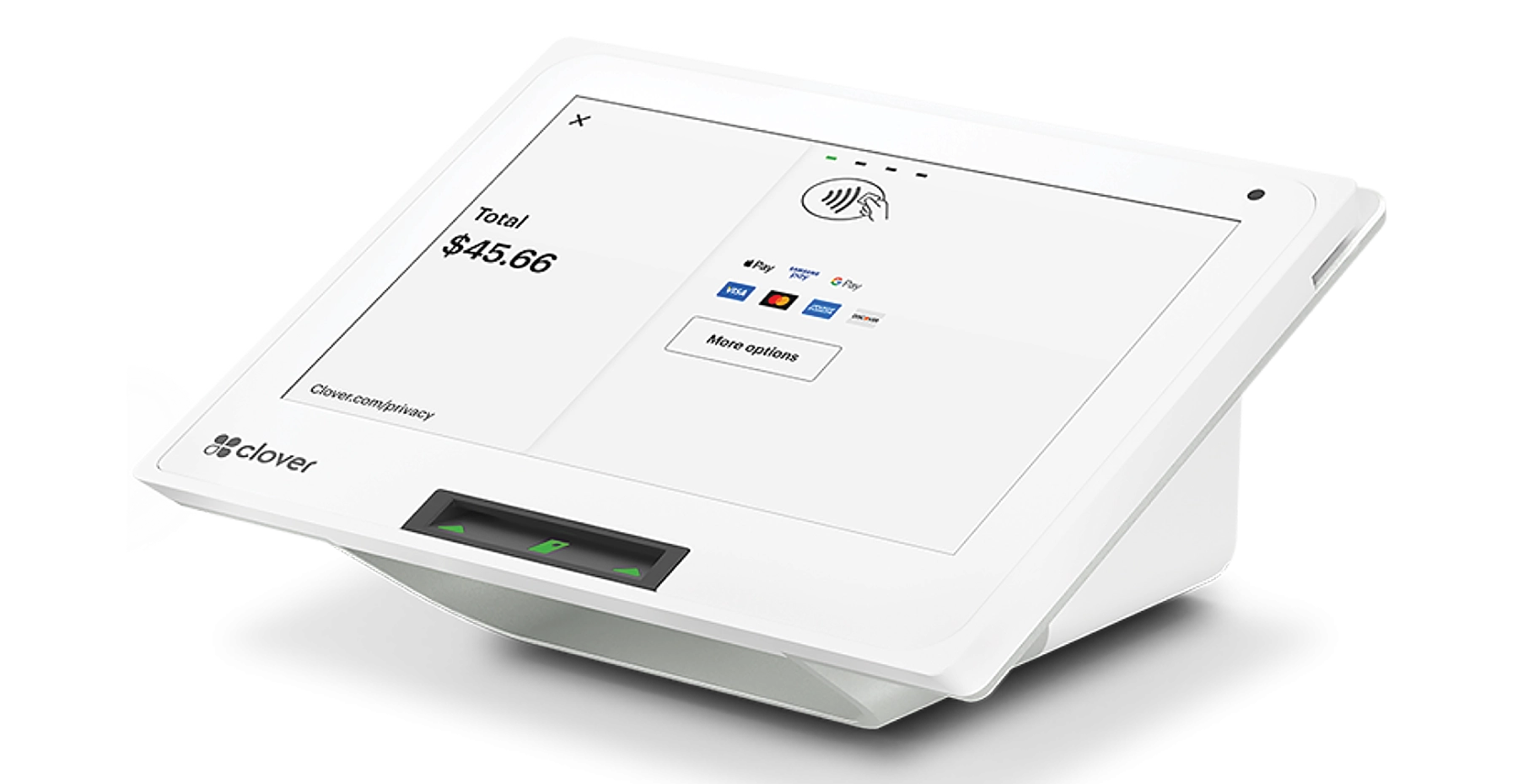
After reviewing the needs of thrift stores, it’s clear that Clover offers the best all-in-one POS solution for secondhand retail. Unlike generic POS systems, Clover is designed to handle the unique challenges of businesses with ever-changing inventory, flexible pricing, and multiple payment methods.
Clover’s inventory management tools make it easy to enter new items manually, categorize products, and track stock in real time. With its customizable pricing features, thrift stores can set up discount schedules and automate markdowns based on item age or sales cycles. Additionally, Clover’s fast and reliable checkout system ensures transactions are processed smoothly, whether customers are paying with cash, card, or EBT.
Another standout feature is Clover’s ability to generate donation receipts for nonprofit thrift stores and provide detailed sales reports that help business owners understand what’s driving revenue. The system is also scalable, making it easy for thrift stores to expand to multiple locations while keeping all sales and inventory data centralized.
Final Thoughts: Choosing the Right POS System for Your Thrift Store
Selecting the best POS system for a thrift store isn’t just about processing transactions—it’s about managing unique inventory, automating pricing, and ensuring a smooth checkout experience for both customers and employees. A system that streamlines daily operations, tracks donations, and provides real-time sales insights can significantly improve efficiency and profitability.
Clover stands out as the ideal choice because of its flexibility, ease of use, and powerful business management tools. Whether you run a small independent thrift store or a large multi-location chain, Clover can help you stay organized, improve customer experience, and increase revenue.
Looking for the best POS system for your thrift store? Contact us today to learn how Clover can help your business run more efficiently!



 .
.