

There was a time when cash was king—when every sale involved bills, coins, and a cash drawer you had to count out at the end of the day. But in 2026, that crown is slipping fast. But cash is no longer king.
Customers expect speed, ease, and digital convenience. The line of cash usage has been steadily declining as more people opt for digital payment methods. In fact, the rate of cash transactions in the U.S. dropped from 32% in 2017 to 16% in 2023, with projections to reach 11% by 2027.
Businesses that fail to keep up with this shift aren’t just clinging to tradition—they’re losing sales, missing opportunities, and alienating an entire generation of shoppers. Gen Z and millennials, in particular, have embraced digital wallets and contactless payments, and many of them don’t even remember the last time they carried cash. The transition to a cashless society is driven by a new generation of technology users who prioritize convenience over privacy. Digital payments have become the new norm, seamlessly integrated into our everyday lives.
The Death of the Dollar (Bill)
According to the Federal Reserve, only 14% of all in-person payments last year were made in cash. That’s down significantly from just a few years ago. We’re not talking about a slow decline. We’re talking about a full-on cash collapse.
Why? The pandemic accelerated digital habits. Consumers got used to contactless options, and now they prefer them. Tap your phone. Swipe your card. Wave your watch. That’s the new norm.
Meanwhile, Gen Z and millennials—arguably the most spend-happy generations—are leading the charge. Many of them don’t even carry cash anymore. And they’re not looking back.
The Central Bank Shift: Who’s Really Pulling the Strings?
The move toward a cashless society isn’t just about what’s in your wallet—it’s about who’s shaping the future of money behind the scenes. Central banks and governments around the world are taking an active role in steering this shift, investigating new ways to make payments faster, safer, and more efficient for everyone.
Take the European Central Bank, for instance. They’re not just talking about digital wallets—they’re exploring the creation of a digital euro, powered by cutting-edge technology like blockchain. The goal? To offer a secure, government-backed alternative to physical cash that could transform how businesses and consumers pay, save, and interact with money.
It’s not just Europe. In India, the government has rolled out digital wallet services that let users pay straight from their smartphones, making cashless transactions the norm for millions. These initiatives aren’t just about convenience—they’re about giving people more control, improving security, and keeping up with the rapid rise of digital payments.
As central banks continue investigating new tools and technologies, their influence will only grow. The way we use cash, cards, and digital wallets is changing fast, and businesses that stay ahead of the curve will be best positioned to thrive in this new economy. The truth is, the shift to a cashless society is as much about policy and innovation as it is about customer preference—and the world’s biggest banks are leading the charge.
What Happens When You Don’t Accept Cards?
Let’s paint the picture. A customer steps into your store, ready to buy. They find what they need, walk to the counter, reach into their wallet… and pause.
You don’t take cards? Uh-oh.
They either leave, walk out to find an ATM (and possibly never return), or make the purchase with a grimace. That friction isn’t just awkward—it’s costing you. Cash payments can also lead to longer waiting times at checkout, as counting bills and making change slows down the process, increasing waiting for everyone in line. A seamless customer journey is essential for retaining customers, and any disruption or inconvenience can drive them away.
Studies show that customers spend more when they use cards instead of cash. With plastic, they’re less limited by what’s physically in their wallet, which makes them more likely to splurge, bundle items, or tip better. And when you accept digital wallets and tap-to-pay, you’re removing even more of that mental resistance to buying. Many small businesses that do not accept cash risk losing customers who prefer digital payment options.
Now imagine missing out on that revenue because you didn’t want to deal with card processing.
“But the Fees…”
We get it. No one likes fees. Every swipe comes with a processing cost, and small businesses are rightfully cautious about extra expenses, including potential credit card processing cancellation fees.
But here’s the thing: not accepting cards doesn’t save you money—it costs you money. The benefits of accepting cards often outweigh the risks, as increased sales, convenience, and customer satisfaction can surpass concerns about fees or security.
If you’re refusing plastic to avoid a 2.5% fee but losing a $50 sale entirely, you’re not saving anything. In fact, you’re losing big. Especially when there are now ways to eliminate or offset processing fees entirely. Additionally, businesses can save significant time on cash management tasks by going cashless, with some reporting a reduction of up to two hours per day.
Programs like cash discounting, compliant surcharging under Visa’s new surcharge rule, and dual pricing allow you to legally pass the fee to the customer—transparently and without scaring them off. And guess what? The vast majority don’t blink. They just want convenience.
At Velocity Merchant Services, we help small businesses implement these programs every day. You still accept cards. You still grow your sales. But you keep 100% of what you make.
Tap to Pay or Tap Out
You’ve probably seen it: the customer who taps their card, phone, or smartwatch at the register without skipping a beat. Contactless payments are booming—and they’re not just trendy; they’re expected.
Many businesses are entering a new phase of payment acceptance by adopting cashless strategies. This phased approach helps them eliminate time-consuming cash management tasks, resulting in faster checkouts and reduced operational costs.
Small businesses that can’t accept tap-to-pay options risk looking outdated, or worse, untrustworthy. Consumers want a seamless experience, and if your POS doesn’t offer that, they’ll go somewhere else that does.
Even in-person, customers now expect fast, flexible checkout. Especially in industries like food service, retail, salons, auto shops, and even farmers markets—yes, they’re going digital too, often relying on mobile card readers like Clover Go.
Small Business Spotlight: A Real-World Wake-Up Call
Take Emily, a boutique owner in Arizona. She was cash-only to “keep things simple” and avoid monthly fees. But after a week where four customers walked out because she didn’t accept cards, she knew something had to change. Once she upgraded to a Clover Mini POS system provided by a local payment technology company and launched a dual pricing setup, she not only kept her profit margin intact—she saw a 22% boost in average sale volume. Many small businesses that do not accept cards risk looking outdated and untrustworthy to consumers.
That’s not luck. That’s customer psychology meeting modern tech.
Is Going Cashless Legal?
You might have heard rumors that it’s illegal to refuse cash. But in most of the U.S., that’s simply not true.
While a few cities like New York and San Francisco have rules requiring businesses to accept cash, the majority of states let you decide your payment methods—as long as you post them clearly. In fact, some jurisdictions, like Philadelphia and San Francisco, have laws requiring businesses to accept cash, counteracting the cashless trend. Different countries handle cash acceptance laws in various ways, with some enforcing strict requirements to accept cash and others encouraging digital payments, reflecting how national approaches to cash and digital payments can vary significantly across countries.
You can choose to be card-only, but even if you keep accepting cash, it makes sense to prioritize and promote card usage. Faster checkout, lower theft risk, and better recordkeeping are just the beginning.
The Hidden Costs of Cash
Cash might seem “free,” but it comes with its own burdens—some of them sneakier than credit card fees.
You’re dealing with frequent bank runs, change shortages, and security risks. Physical cash that needs to be carried by staff or customers increases the risk of theft and loss, making it a significant challenge for daily operations. Theft, both internal and external, is more likely when you’re handling large amounts of physical cash. For businesses, physical cash is becoming a liability due to theft risks and high handling costs, which is why many are turning to secure options like cashless ATM and point-of-banking solutions. And don’t forget the time it takes to reconcile the drawer, track discrepancies, or handle counterfeit bills.
Meanwhile, card transactions are tracked, automatically reconciled, and deposited into your account without you lifting a finger. If you’re still clinging to the cash drawer, you’re doing extra work for less reward.
How to Go Card-Ready—Without Breaking the Bank
Transitioning to card acceptance doesn’t have to be a tech nightmare. It can be fast, affordable, and even profitable if done the right way when you work with a trusted merchant services provider.
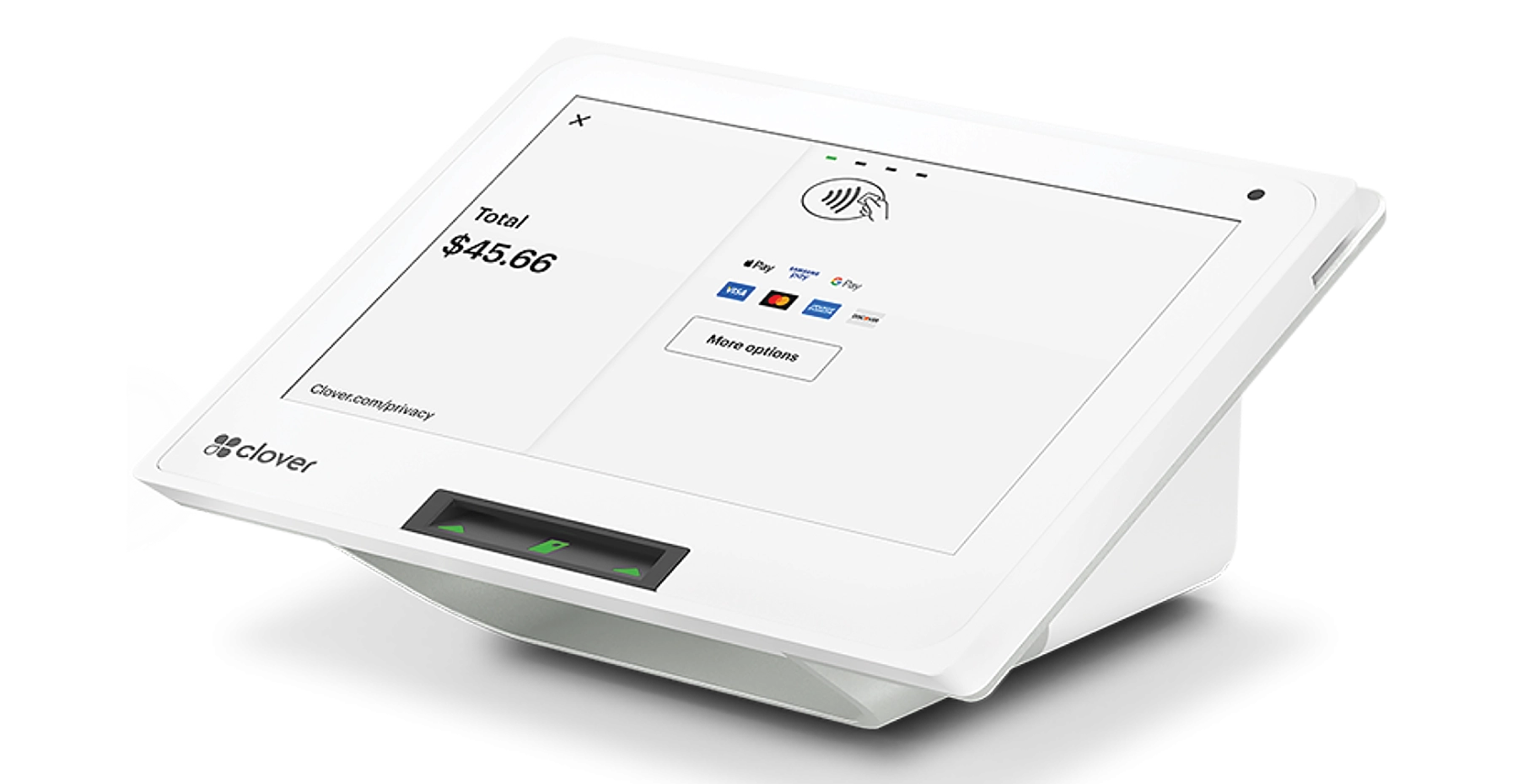
The first step is choosing the right point-of-sale system. Devices like the Clover Flex handheld POS or an offline-capable terminal such as Clover Duo for offline credit card processing make it easy to accept cards, tap-to-pay, and even digital wallets. They also come with powerful tools for inventory, staff management, and loyalty programs—all in one.
Next, decide how you want to handle fees. If you want to absorb them, that’s fine. But if you’d rather eliminate them, the Cash Discount Program is a game-changer. It keeps your pricing transparent while covering your processing costs.
It’s important to ensure that all customers have the ability to use new payment technologies, so inclusivity and accessibility should be prioritized. The need for education and incentives is crucial to convince traditional cash users to adopt digital payment methods.
Lastly, make sure your team is trained and your customers are informed. A simple sign at the register and a quick explanation go a long way.
You’re Not Just Accepting Payments—You’re Accepting Growth
Modern payment methods aren’t just about checking a box. They’re about giving your customers what they want, making more money per sale, and setting your business up for long-term success.
However, different segments of the population, such as older generations or certain communities, may experience challenges or show resistance when transitioning to cashless payments. In fact, the majority of people still think cash is king, which highlights the need for effective communication about the benefits of cashless systems.
And let’s be honest—do you really want to be the business people warn their friends about because “they only take cash”?
The Flip Side: Challenges and Limitations of a Card-First World
Of course, the idea of a cashless society isn’t all smooth sailing. While the convenience and security of digital payments are hard to beat, there are real challenges that can’t be ignored—especially for those who don’t have easy access to cards or bank accounts.
In cities like San Francisco, more small businesses are going cashless, but that can leave some customers out in the cold. Not everyone has a credit card, a bank account, or the latest smartphone. For these users, the shift to digital payments can mean longer lines, more hassle, or even being unable to make a purchase at all. That’s a big deal in a world where money and payments are supposed to be for everyone.
Then there’s the technology itself. When systems fail—whether it’s a network outage, a hacked account, or a glitch at the register—customers and businesses alike can find themselves unable to pay or get paid. And as more of our financial lives move online, concerns about privacy and data security are only growing. Who’s tracking your purchases? How much control do you really have over your own money?
Ultimately, while the benefits of a cashless society are clear, it’s important to recognize the risks and limitations. Businesses, governments, and technology companies need to work together to make sure no one is left behind. The goal should be a world where everyone can participate—no matter how they choose to pay.
Paying too much to accept cards?
VMS reviews your current statement free and shows you exactly what you are being charged — most merchants are surprised by what they find.
Or call our team: 888-902-6227
Final Thoughts: Your Move, Boss
Cash isn’t dead, but it’s on life support. And businesses that rely on it as their primary method are making things harder—for themselves and their customers.
The good news? You don’t have to overhaul your entire operation to make the switch. You just need a smart partner (hi ), the right tools, and the willingness to meet your customers where they are.
Let’s modernize your checkout, grow your revenue, and make 2025 the year you finally ditch the “cash only” sign for good.
Have questions about payment processing?
Fill out the form below and a VMS payment specialist will contact you shortly.