
In a significant legislative development, Colorado’s House Bill 1282, known as the “Swipe Fee Fairness and Consumer Safeguards Act,” was introduced to address the burden of credit card processing fees on small businesses, particularly in the hospitality sector. Key proponents of this effort included bill sponsor sen, aurora democrat, broomfield democrat, state sen, and william lindstedt, who played leading roles in advancing the legislation.
The bill aimed to prohibit payment card networks from charging interchange fees on the portions of transactions attributable to taxes and tips. Senate Bill 134, a similar bill, also seeks to eliminate credit card swipe fees on sales tax, reflecting legislative efforts seen in other states to address this issue.
The proposed legislation would apply to credit card companies with over $60 billion in assets, affecting around 40 banks and one credit union nationwide.
In 2024, Colorado merchants paid approximately $2.1 billion in interchange fees for credit cards, with swipe fees on sales tax totaling $217.5 million. Despite passing the House, the bill was ultimately killed by a Senate committee, leaving many small businesses without the anticipated relief.
Understanding Credit Card Processing Fees
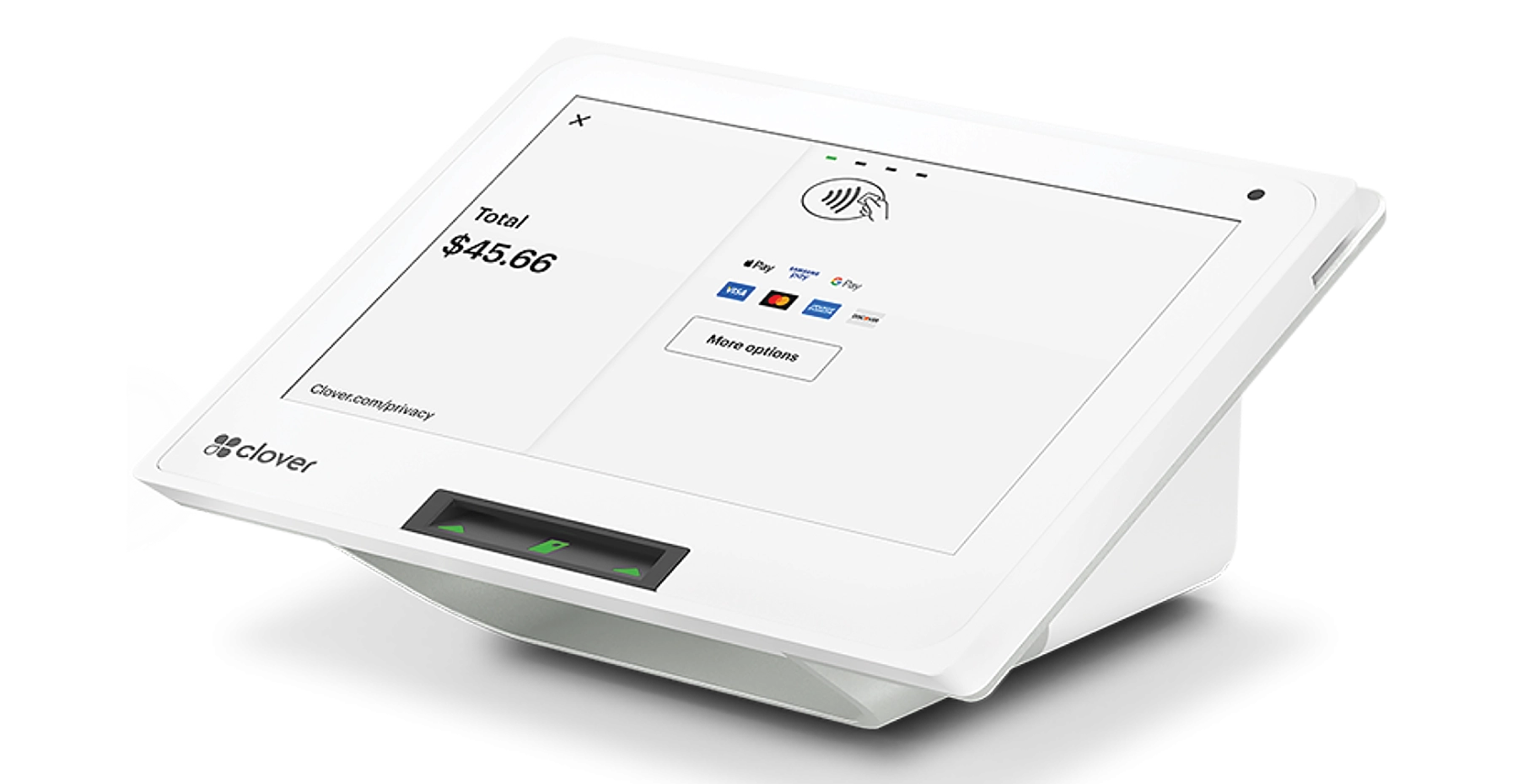
Credit card processing fees, often referred to as “swipe fees,” are charges that merchants incur when accepting credit card payments. These fees typically range from 2% to 4% per transaction and are divided among various entities, including the card-issuing bank, the card network (e.g., Visa, Mastercard), and the payment processor. Swipe fees are calculated on the entire transaction, including sales tax, which increases the total bill for customers and raises costs for the small business owner. Credit card swipe fees typically range between 1% to 4% of the total transaction amount, which can significantly impact small businesses’ profitability.
A survey of 100 restaurants in Colorado revealed that they averaged $142,000 in annual swipe fees, with sales tax accounting for about $26,000 of that total, underscoring how interchange or swipe fees shape the economics of card payments.
Understanding Payment Systems
Payment systems are the backbone of modern commerce, enabling businesses to accept a variety of payment methods, including credit card transactions. In Colorado, understanding how these systems operate is essential for local business owners who want to manage credit card swipe fees and sales tax obligations effectively. Credit card companies and card networks, such as Visa and Mastercard, set the rules for how merchants can process payments and implement credit card surcharges. These surcharges are extra fees that businesses may add to a customer’s bill to help offset the costs of credit card fees, so understanding how credit card processing works from authorization to settlement is critical for sound decision-making.
The Colorado Restaurant Association has been a vocal supporter of efforts to reduce the burden of interchange fees and other credit card expenses on small businesses. To remain compliant with state laws and card network regulations, businesses must follow specific procedures when implementing surcharges, including notifying both the card networks and their customers in advance. By understanding the intricacies of payment systems and the associated fees, businesses can make informed decisions about how to handle credit card payments and minimize the impact of swipe fees on their bottom line, especially when they grasp essential credit card processing terms and concepts.
Credit Card Surcharges and Cash Discounts
For businesses navigating the world of credit card processing, it’s important to distinguish between credit card surcharges and cash discounts, and to weigh carefully whether to pass processing fees on to customers. A credit card surcharge is an extra fee that a merchant adds to a customer’s bill to cover the actual cost of credit card processing. In contrast, a cash discount is a price reduction offered to customers who choose to pay with cash or another non-credit card method, helping businesses avoid swipe fees on sales and capture many benefits of a structured cash discount program.
Colorado law allows businesses to offer cash discounts, provided the terms are clearly disclosed to customers at the point of sale. The recent Colorado bill aimed to further ease the burden of credit card fees by eliminating swipe fees on the sales tax portion of transactions—a move that could have provided significant relief for small businesses. However, credit unions and other financial institutions have raised concerns about how these changes might affect their operations and the broader payment systems landscape, especially as card brands update rules like Visa’s new surcharge limits and compliance requirements. For small businesses, understanding the rules around credit card surcharges, cash discounts, and the new law is crucial to remain compliant and avoid unnecessary extra fees.
Role of Prepaid Cards
Prepaid cards have become an increasingly popular payment option, especially among consumers who may not have access to traditional credit cards. In Colorado, businesses need to be aware that prepaid cards are subject to the same surcharging laws as credit cards, meaning any credit card surcharges must be clearly disclosed to customers using prepaid cards. However, the interchange fees associated with prepaid cards can differ from those of standard credit cards, which may affect how businesses structure their payment systems and manage credit card fees.
Organizations like the Bell Policy Center have advocated for legislative changes to help reduce the impact of credit card fees on low-income consumers, who often rely on prepaid cards for everyday transactions. At the same time, local banks and credit unions have expressed concerns about how new surcharging laws might impact their operations and the broader financial ecosystem. For businesses, understanding the role of prepaid cards in payment systems is essential to remain compliant with state regulations and to ensure that all customers are treated fairly when it comes to processing fees, including when they use strategies for passing credit card processing fees to customers.
The Intent Behind HB 1282
HB 1282 was designed to alleviate the financial strain on small businesses by:
-
Prohibiting Interchange Fees on Taxes and Tips: The bill sought to prevent payment card networks from charging interchange fees on the portions of transactions that represent sales tax and gratuities, specifically targeting fees on sales tax by aiming to exempt the sales tax portion from swipe fee calculation. This would help ensure that businesses are not charged swipe fees on amounts they are required to remit to the government or employees, respectively.
-
Enhancing Transparency and Fairness: By eliminating fees on non-revenue portions of transactions, the bill aimed to promote fairness in the payment processing ecosystem and reduce unnecessary costs for merchants.
-
Supporting Small Businesses: The legislation was particularly beneficial for restaurants and service-oriented businesses where tips constitute a significant portion of transactions.
The Potential Impact on Small Businesses
Had HB 1282 been enacted, small businesses stood to benefit in several ways:
-
Cost Savings: By eliminating interchange fees on taxes and tips, businesses could have saved substantial amounts annually. For instance, the Colorado Restaurant Association estimated that the bill would have saved at least $50,000 each year for about 75% of restaurants, on top of savings they might achieve by lowering credit card processing fees through best-practice strategies.
-
Improved Profit Margins: Reduced processing fees would have directly improved profit margins, allowing businesses to reinvest in operations, employee wages, or customer experience enhancements. With lower swipe fees, less of the customer’s bill would go toward fees, so businesses could retain more of the total cost paid by the customer.
-
Competitive Pricing: Lower operational costs could have enabled businesses to offer more competitive pricing, benefiting consumers and potentially increasing sales.
Additionally, improved cash flow is another benefit, as lower processing fees mean businesses receive payments more quickly and with fewer deductions.
Opposition and the Bill’s Demise
Despite its potential benefits, HB 1282 faced opposition from various stakeholders:
-
Financial Institutions’ Concerns: Banks and credit unions argued that the bill could conflict with federal regulations, particularly concerning the rights of federally regulated banks to set fees. They also raised concerns about the technical feasibility of separating taxes and tips from the total transaction amount for fee calculation purposes. Additionally, smaller banks and credit unions noted that they may be exempt from some regulations, meaning the bill’s requirements would primarily affect larger institutions.
-
Potential Legal Challenges: Opponents warned that the bill might lead to legal challenges, citing federal preemption issues and the complexity of implementing the proposed changes. It is important to note that Colorado law prohibits surcharges on debit card, cash, check, or gift card payments—surcharges can only be imposed on credit card transactions. Previously, private businesses in Colorado were prohibited from imposing surcharges, but the law now allows them to do so within certain limits. Businesses must also notify credit card networks, such as Visa and Mastercard, at least 30 days before implementing surcharges, following a formal notification process. Check payments and debit card payments are not subject to surcharges, and this distinction is crucial for compliance.
-
Impact on Rewards Programs: Some argued that reducing interchange fee revenues could lead to the scaling back of credit card rewards programs, which are funded by these fees, potentially affecting consumer behavior and satisfaction.
These concerns ultimately led to the bill’s defeat in the Senate Finance Committee, despite passing the House with a vote of 43-21.
Broader Implications and the Path Forward
The failure of HB 1282 highlights the challenges small businesses face in seeking relief from credit card processing fees. While the bill’s demise is a setback, it also underscores the need for continued advocacy and dialogue among stakeholders to find viable solutions.
As of April 2026, Colorado permits credit card surcharging, allowing businesses to impose surcharges up to 2% of the transaction total or the actual processing cost, whichever is lower. This change provides a valuable tool for businesses to manage processing fees and optimize payment strategies.
Credit card surcharges are legal in most states, but they are subject to state-specific regulations, including limits on surcharge percentages and requirements for transparency in communication with clients. Retailers in Colorado must disclose any surcharges visibly before a transaction is completed, either through signage at physical locations or through digital notices for online purchases. Other businesses in states like New York have faced legal battles and court rulings that shape how surcharges can be communicated and applied.
Small businesses can consider the following steps:
-
Negotiating with Payment Processors: Engage in discussions with payment processors to explore more favorable fee structures or alternative pricing models, such as transparent interchange-plus processing pricing.
-
Reviewing Financial Statements: Regularly review financial statements for hidden charges and negotiate fees with service providers to manage costs, starting with understanding what your credit card processing statement really shows.
-
Seeking Competitive Processors: Look for payment processors that offer competitive, transparent, and interchange-plus pricing to reduce transaction costs.
-
Utilizing ACH Transfers: For large payments, utilize ACH transfers, which offer a lower fee structure compared to percentage-based credit card fees.
-
Educating Consumers: Inform customers about the impact of credit card fees on small businesses and encourage alternative payment methods when feasible.
-
Consumers Leveraging Surcharge Caps: Consumers in Colorado can minimize credit card fees by leveraging state-specific surcharge caps and negotiating directly with card issuers for lower fees or interest rates.
-
Calling Card Issuers: Individuals have a 75% success rate in lowering interest rates by directly calling their credit card issuer and requesting reductions or waivers.
-
Advocating for Policy Changes: Continue to support and advocate for legislation that addresses the disproportionate burden of processing fees on small businesses.
Conclusion
Colorado’s HB 1282 represented a concerted effort to address the financial challenges posed by credit card processing fees on small businesses. While the bill’s failure is disappointing, it brings attention to the broader issue of payment processing costs and the need for equitable solutions. Small businesses, policymakers, and industry stakeholders must collaborate to develop strategies that support economic growth and sustainability for local enterprises.