

by Jackie Navarrete
TL;DR
Consumers are rethinking how they spend their money, cutting back on extras like dining out, shopping, and entertainment while putting more of their budget toward essentials such as groceries, housing, and gas. For small businesses, this shift means adapting quickly: reframing products and services as must-haves, emphasizing long-term value over low prices, building stronger customer relationships, offering flexible payment options, and leaning into digital engagement. The businesses that position themselves as essential to everyday life will not only survive but thrive in this new spending climate.
Consumer Spending Shifts: What Small Businesses Need to Know as Customers Prioritize Essentials Over Extras
Consumer spending has always been a bit like fashion—what’s “in” today might be “out” tomorrow. But lately, there’s been a bigger shift happening. Customers are tightening their belts, trimming the extras, and prioritizing essentials. If you’re a small business owner, this trend matters because it directly impacts how (and if) people are willing to spend money with you.
Let’s dive into what’s happening, why it’s happening, and most importantly—what you can do to stay competitive when wallets get a little more cautious.
The Shift Toward Essentials
Inflation, higher interest rates, and rising costs of living have made consumers rethink their spending habits. Essentials like groceries, gas, healthcare, rent, and utilities are taking up a larger slice of household budgets. According to the U.S. Bureau of Labor Statistics, food prices have increased over 20% since 2020, while housing costs continue to climb. That means customers are left with less disposable income for things like dining out, personal services, clothing, and entertainment.
This isn’t just about numbers—it’s about priorities. Shoppers are asking: Do I need this, or do I want this? And increasingly, the “wants” are being put back on the shelf.
The Ripple Effect on Small Businesses
When consumers cut back on non-essentials, small businesses are often hit the hardest. Unlike big box chains that can absorb price fluctuations or offer steep discounts, local businesses operate on thinner margins. Here are a few areas being impacted most:
- Restaurants & Cafes: Dining out is one of the first “extras” people cut when money gets tight. Customers may still treat themselves, but they’re dining out less often or trading down from sit-down restaurants to fast-casual spots.
- Retail Boutiques: Apparel, accessories, and specialty goods are being passed over in favor of big-box retailers or online bargains.
- Personal Services: Salons, spas, gyms, and other discretionary services are feeling cancellations and delayed visits.
- Entertainment & Leisure: Concerts, theaters, and recreational activities see slower ticket sales when consumers prioritize bills over fun.
But it’s not all doom and gloom. While extras are taking a hit, businesses tied to essentials—or those smart enough to reposition themselves as closer to essential—are still thriving.
Why Essentials Are Winning
It boils down to Maslow’s hierarchy of needs in real life. Food, shelter, and security will always take precedence over indulgences. But there’s also a psychological layer at play. After years of uncertainty—from the pandemic to inflation—consumers crave stability and safety. Buying essentials reinforces a sense of control.
Interestingly, even within “essentials,” shoppers are making careful choices. They’re comparing prices more closely, hunting for discounts, and leaning on loyalty programs. That means businesses offering good value—not just low prices, but perceived fairness—stand to earn long-term loyalty.

Lessons for Small Business Owners
So, what can you do if you run a small business and see foot traffic slowing or average tickets shrinking? Here are some strategies to adapt to shifting spending habits.
Here are some strategies to adapt to shifting spending habits.
1. Reframe Your Product or Service as Essential
Even if you don’t sell food or gas, you can still position your business as “must-have.” For example:
- A salon might promote haircuts as necessary for professional appearance, not just vanity.
- A coffee shop can highlight the value of convenience, productivity, and local community rather than just caffeine.
- A boutique can emphasize timeless, high-quality pieces that last longer than fast fashion.
Think in terms of why someone truly needs you—not just why they might want you.
2. Emphasize Value Over Price
- Durability: Products that last longer save money over time.
- Convenience: Time is money, and saving time feels essential.
- Experience: A great customer experience is priceless in a world of cold transactions.
Bundle offers, loyalty discounts, or “buy more, save more” packages can also reinforce the value message.
3. Double Down on Customer Relationships
When money is tight, trust matters. People want to spend with businesses that get them. That means:
- Remembering names and preferences.
- Personalizing offers based on purchase history.
- Sending thank-you notes or emails after purchases.
Customers may spend less, but they’ll keep coming back if they feel valued.
4. Offer Flexible Payment Options
Budgets are stretched, so flexibility can tip the scales in your favor. Consider:
- Installment payments for higher-ticket items.
- Gift card promotions (“Spend $50, get $10 free”).
- Subscriptions or memberships that lock in value for recurring services.
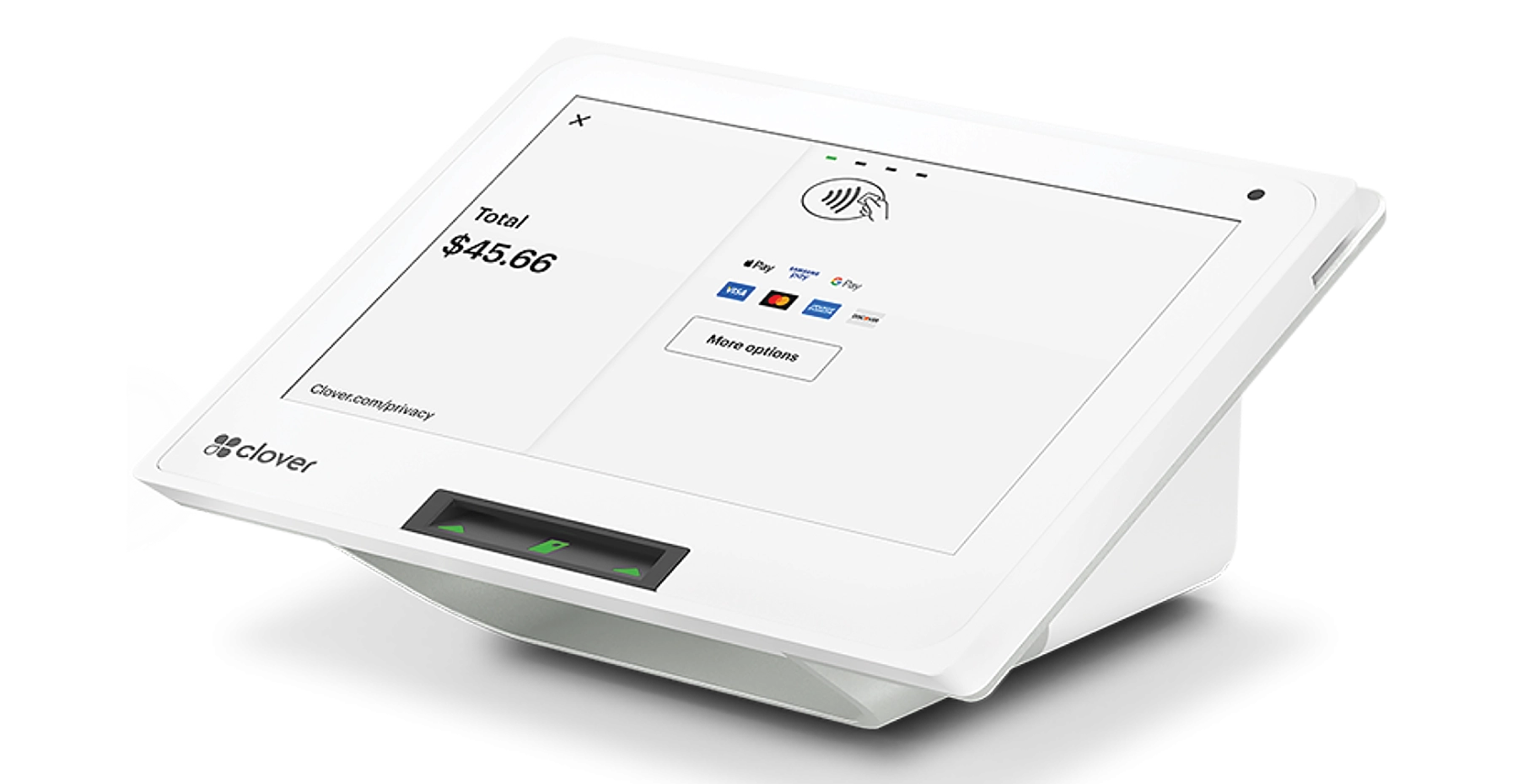
If you use a modern POS system like Clover, these options are built in and easy to set up.
5. Invest in Loyalty Programs
Loyalty isn’t just a buzzword—it’s an anchor in stormy times. A good loyalty program keeps customers coming back by rewarding consistency. For example:
- Restaurants: Free meal after 10 purchases.
- Retail: Exclusive discounts for repeat buyers.
- Service Businesses: Points-based perks for frequent visits.
Consumers are more likely to stick with a brand that helps them stretch their dollar.
6. Lean Into Digital Engagement
Online shopping, mobile ordering, and curbside pickup aren’t going anywhere. Customers want convenience, and digital tools can help:
- Grocery-Adjacent Cafes: Some coffee shops inside grocery stores are thriving because they’re part of an “essential trip.” The customer was already there for groceries—grabbing a latte feels justifiable.
- Budget-Friendly Spas: Instead of high-end luxury treatments, spas that pivoted to quick, affordable services (like 15-minute chair massages) saw steadier traffic.
- Retailers Adding Essentials: Boutiques that started stocking everyday basics (socks, reusable bags, home goods) alongside their usual lineup kept customers coming back.
The businesses that win are those that adapt to customer psychology, not fight against it.
The Long-Term Outlook
Here’s the kicker: this shift may not be temporary. While inflation and high interest rates may eventually cool, the consumer mindset has changed. People are now more cautious, more value-driven, and less willing to spend on frivolous extras.
For small businesses, this means building resilience now. Think of it as future-proofing. The more you can tie your products or services to everyday value, the better positioned you’ll be—no matter what the economy throws at us next.
How Clover POS Helps Small Businesses Adapt
Since Velocity Merchant Services (VMS) specializes in small business solutions, here’s where we see the biggest wins for adapting to this shift:
- Inventory Tracking: See which essentials are selling and keep them stocked.
- Customer Loyalty Programs: Built-in tools to reward repeat customers.
- Cash Discount Programs: Help offset rising costs while keeping pricing competitive.
- Online Ordering: Keep revenue flowing even if foot traffic slows.
- Data Insights: Clover reports show exactly where customers are spending less (or more), so you can pivot quickly.
In short, the right POS system doesn’t just process payments—it gives you the insights and tools to adapt to changing consumer behavior.
Action Steps for Small Businesses Right Now
Here’s your punch list if you want to stay ahead of shifting consumer spending:
- Audit your offerings: Can you reposition any products or services as essentials?
- Tighten your value pitch: Update your marketing to highlight necessity and ROI.
- Review pricing: Avoid discounts that hurt margins; focus on loyalty and perceived value.
- Enhance customer experience: Build relationships that last beyond a single purchase.
- Use tech wisely: Invest in POS and digital engagement tools that streamline operations and customer retention.
Final Thoughts
Consumer spending shifts aren’t the end of the world—they’re a wake-up call. Essentials may be winning the day, but small businesses that stay creative, adaptable, and customer-focused can absolutely thrive.
At the end of the day, people still want joy, convenience, and connection—they’re just more careful about where their money goes. If you can position your business as something they can’t afford to skip, you’ll weather the storm and come out stronger